

When I first started pricing out a solar system for my home, the sticker shock was real. And let’s be honest, a huge chunk of that shock came from the battery. A single home battery can add $10,000 to $20,000 to the total price. It made me ask the exact question you’re here for: “Can I just get a 5kW solar system without battery?“
I’m happy to report that the answer is a resounding yes. In fact, it’s the most common, cost-effective, and popular way homeowners in the U.S. go solar.
This setup is called a “grid-tied” system, and it’s a brilliant, simple way to slash your electric bill. But there’s one major catch you need to understand before you sign any contracts. Let’s dive in.
You can read: How much does solar panel installation cost in the USA?
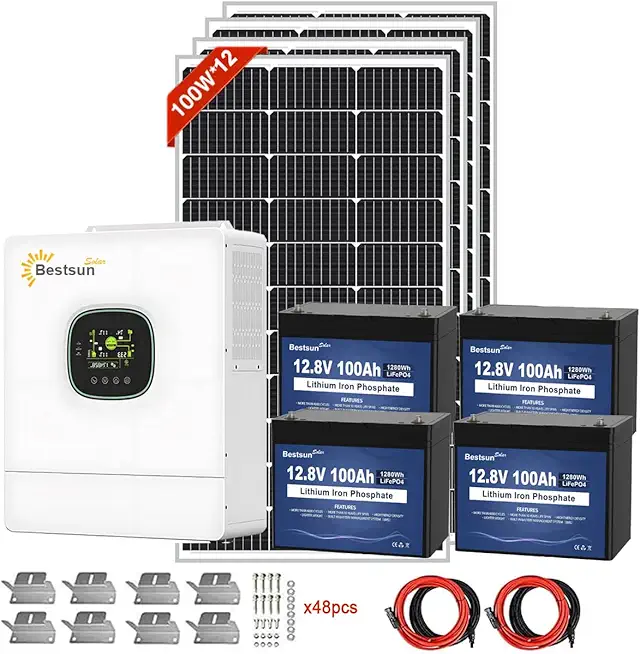
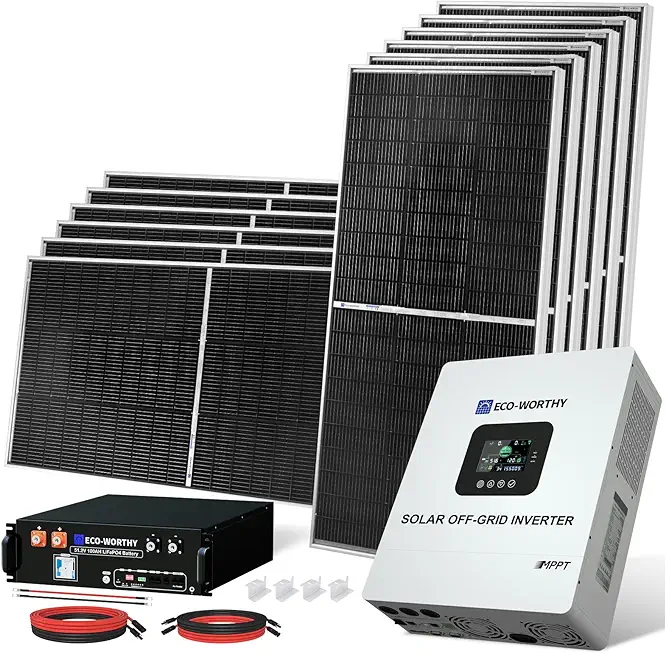

Why a Batteryless 5kW Solar System Works for Most U.S. Homes
Let’s get real: You don’t need a battery to save money on solar.
In fact, over 90% of U.S. solar installations are grid-tied—meaning they connect directly to your utility’s power lines and don’t include batteries. Why? Because the grid becomes your free, unlimited battery.
A 5kW system without a battery generates about 600–750 kWh per month in most parts of the U.S. (depending on sun exposure). That’s enough to cover 70–100% of a typical household’s usage.
Here’s the magic: when your panels produce more than you use, your utility credits you through net metering. You send excess power to the grid, earn credits, then use those credits at night or during cloudy days.
I’ve had months where my bill was $0. Other months, I paid $8–$12 just for grid access fees. No battery. No stress.
💡 Pro Tip: Net metering rules vary by state. Check your utility’s policy at DSIRE —but if you’re in California, Texas, Florida, Illinois, or New York, you’re likely covered.
The Pros and Cons: My Honest Take
Skipping the battery is a fantastic financial move, but it’s a trade-off. Here’s the breakdown:
Advantages of using solar power without batteries:
Massive Cost Savings: This is the big one. By cutting out the battery, you are slashing the most expensive single component from your quote. You’re cutting the project cost by 30-50% and getting a much faster payback period.
Simplicity & Reliability: Fewer components mean fewer points of failure. A grid-tied system is beautifully simple: panels, an inverter, and racking. There are no battery charge cycles or complex chemical degradation to worry about.
Maximum ROI: You are targeting the “low-hanging fruit.” You’re spending the least amount of money to offset the largest possible portion of your bill. The return on your investment is maximized.
Disadvantages of using solar power without batteries:
No Power During an Outage. Read that again. If the power grid goes down, your solar system will shut down too, even if the sun is shining.
Why? This is a critical safety feature called “anti-islanding.” Your system has to shut off to prevent sending electricity back onto the grid while utility workers are trying to repair the lines. You don’t want to be the reason a line worker gets hurt.
Battery = Backup. The only reason to get a battery is for backup power. If you experience frequent outages or need to keep medical equipment running, you should not skip the battery. For me, our grid is 99.9% reliable, so it was a trade-off I was happy to make.
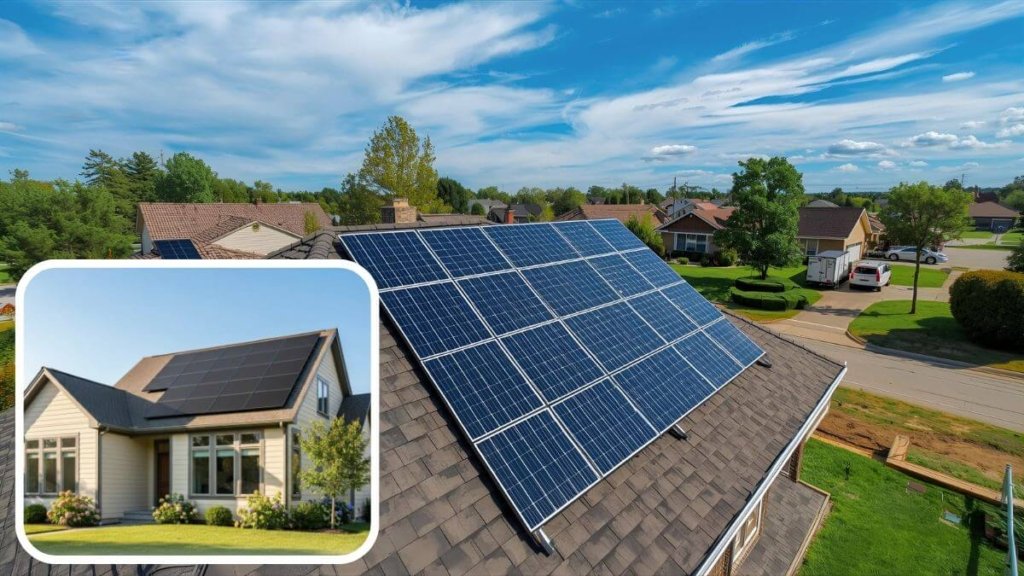
How Much Does a 5kW Solar System Without Battery Cost?
This is the number one question, and it’s frustratingly hard to pin down. But after all my research, I can give you a solid, trustworthy range.
Before any incentives, the average cost for a professionally installed 5kW solar system without battery in the U.S. is typically between $10,000 and $16,000.
NOTE: Prices vary by state and installer; get quotes for an accurate local estimate.
Now, the great news: the 30% Federal Solar Tax Credit (or Investment Tax Credit – ITC). This credit allows you to deduct 30% of the total system cost from your federal taxes.
Let’s see what that really does to the price:
| System Cost (Pre-Incentive) | 30% Federal Tax Credit | Your Net Cost |
| $12,000 | -$3,600 | $8,400 |
| $14,000 | -$4,200 | $9,800 |
| $16,000 | -$4,800 | $11,200 |
This single incentive makes the entire project so much more affordable. Don’t forget to check for state and local utility rebates, too!
What to Expect: Power, Panels, and Components
How much power will a 5kW system actually make?
A 5kW system will not produce 5kW of power all day long. That’s its peak capacity in perfect, cool, sunny conditions.
A more helpful number is its annual production. Depending on your location (sunny Arizona vs. cloudy Seattle), roof tilt, and shading, a 5kW system will generally produce between 5,000 and 8,000 kilowatt-hours (kWh) per year.
To put that in context, the average U.S. home uses about 10,700 kWh per year. So, a 5kW system can offset 50% to 75% of a typical American’s electricity bill.
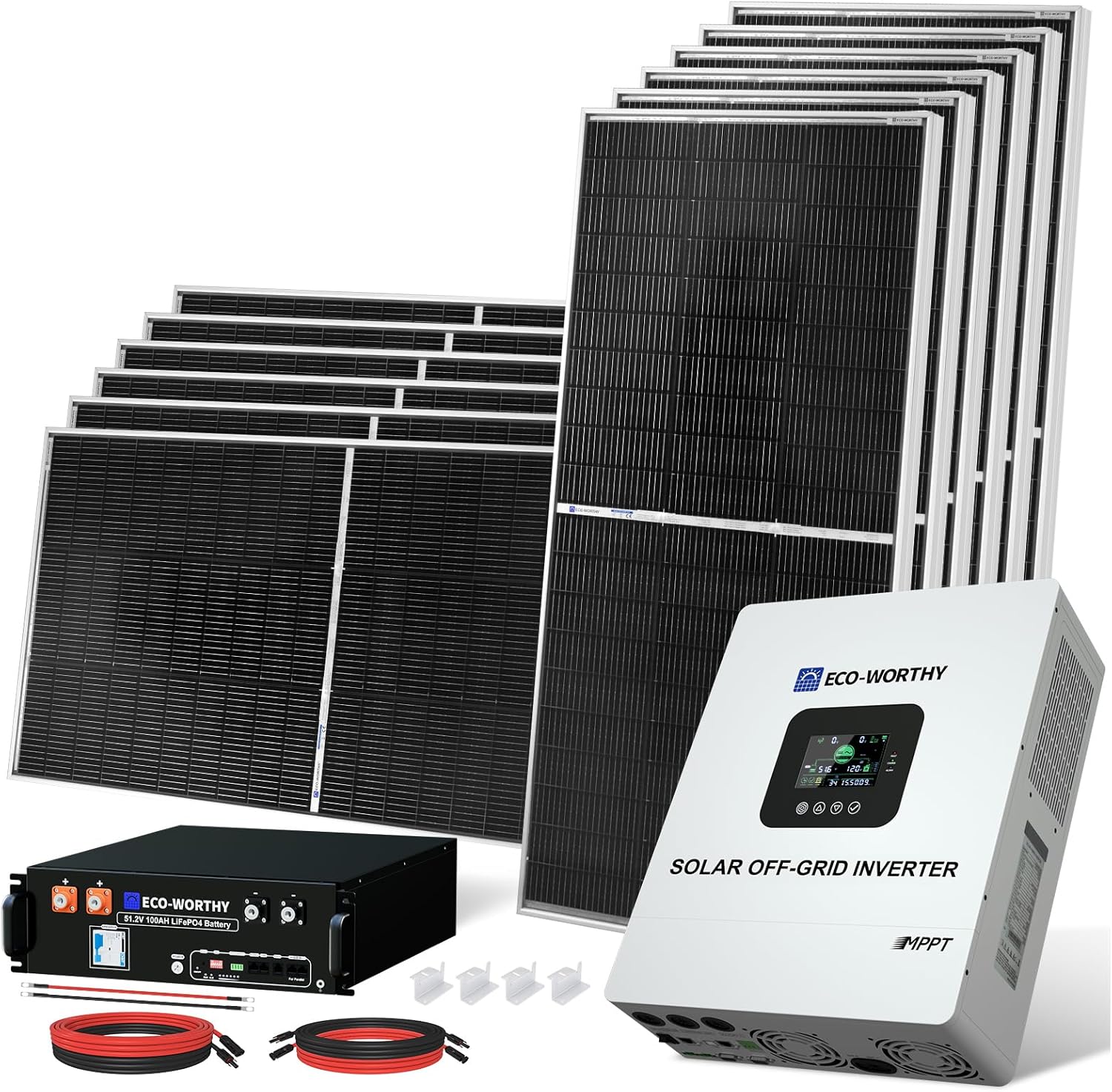
Easy Solution: Get a 5KW Off-Grid Solar System Complete Kit
To avoid hassle and extra costs, you can get a 5kW battery-free solar power complete kit, which is also suitable for net metering, by booking directly online!
Is a 5kW Solar System Without a Battery Right for You?
This is where you need to be honest with yourself. After walking through this process, here’s my final checklist.
✅ This Is a Great Fit IF…
- Your primary goal is financial (slashing your bill and a fast ROI).
- You live in an area with a reliable power grid (few outages per year).
- Your utility has a good net metering program (pays you a fair rate for your extra power).
- You want the simplest, lowest-maintenance solar setup.
⚠️ You Should Reconsider IF…
- You need backup power for outages (you work from home, have medical devices, or just hate being in the dark).
- Your utility has a poor net metering policy (like California’s new NEM 3.0), which makes storing your own power (with a battery) more valuable.
- You want to be 100% “grid-independent” (which, for the record, is very, very expensive and not what this system is).
Related Post: Best Residential Solar Backup Power Systems for Reliable Home Energy
My Final Verdict
For the vast majority of American homeowners, a 5kW solar system without any battery is the smartest, most practical, and most financially sound way to go solar.
You get all the environmental benefits and the joy of watching your meter spin backward, all while paying the lowest possible price. You can always add a battery later in a few years (this is called “AC coupling“) when prices come down or if your needs change.
Don’t let the high cost of batteries scare you away from solar. Skipping the battery isn’t a “cheap” option—it’s the standard option, and for me, it was the perfect choice.
Disclaimer: I’m an expert researcher, but not your personal installer. This article is for informational purposes. Always get multiple quotes from certified local installers and check your specific utility’s net metering rules before making a decision.