
Are you tired of the constant drone of a gas generator shattering the peace of your perfect campsite? Or maybe you’re frustrated by being tethered to crowded RV parks with electrical hookups. You bought your RV for freedom, and reliable, quiet power is the final piece of that puzzle. This guide to the best solar generator for RV is for you.


Choosing the wrong power solution can mean spoiled food, dead devices, and a trip cut short. A subpar unit might fail to run your essential appliances or leave you powerless on a cloudy day. We’ve spent countless hours researching, comparing specs, and analyzing real-world user feedback to help you invest in a system that empowers your adventures, not complicates them.
Let’s find the perfect power companion for your home on wheels.
| Feature | EcoFlow Delta Pro | Jackery 2000 Plus | Bluetti AC200MAX | Anker SOLIX F2000 | Goal Zero Yeti Pro 4000 |
| Capacity | 3600Wh | 2042Wh | 2048Wh | 2048Wh | 1516Wh |
| Output | 3600W | 3000W | 2200W | 2400W | 2000W |
| Battery Type | LiFePO4 | LFP (LiFePO4) | LiFePO4 | LiFePO4 | Li-ion NMC |
| Expandable? | Yes | Yes | Yes | No | No |
| Weight | 99 lbs (45 kg) | 61.5 lbs (27.9 kg) | 61.9 lbs (28.1 kg) | 67.3 lbs (30.5 kg) | 45.6 lbs (20.7 kg) |
| Best For | Overall Performance | Portability | Heavy-Duty Use | Budget | Emergency Backup |
Why You Need a Solar Generator for Your RV
The allure of hitting the open road has never been stronger, but the way we travel is evolving. A solar generator isn’t just a gadget; it’s a declaration of independence from the grid and traditional fuel sources.
What makes RV travel more solar-reliant than ever?
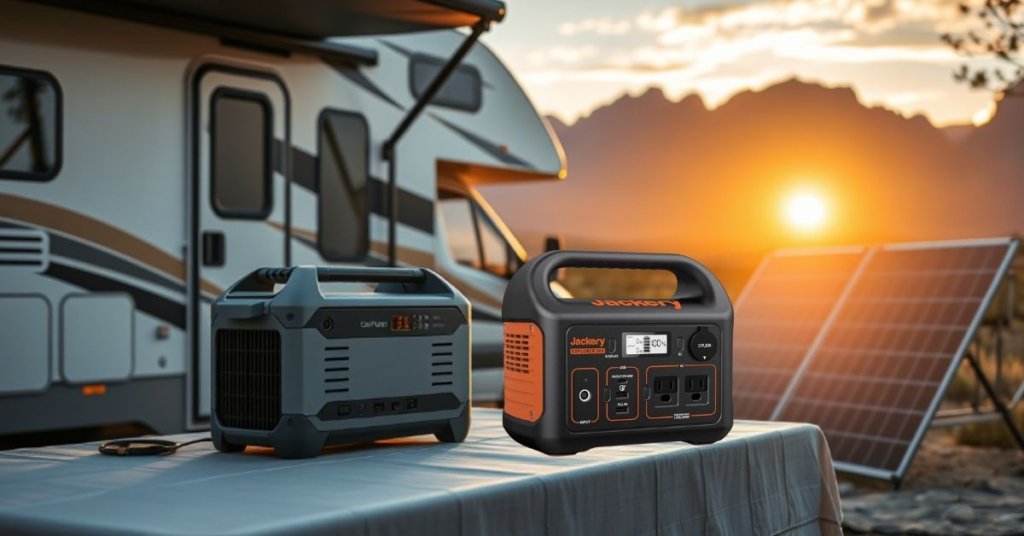
As more travelers seek remote and pristine locations (a practice often called “boondocking”), the need for self-sufficient power has skyrocketed. Campgrounds, especially in popular national parks, are increasingly implementing noise and emission restrictions, making gas generators a non-starter during quiet hours.
Furthermore, with the rise of remote work, having a dependable power source for laptops, Starlink, and other electronics is no longer a luxury, it’s a necessity.
Key benefits of using solar over gas-powered generators
The advantages are clear, especially for those who cherish the tranquility of nature:
- Silent Operation: Enjoy the sounds of nature, not a sputtering engine.
- Fume-Free: No toxic exhaust fumes (like carbon monoxide), making them safe to use closer to your living space.
- Eco-Friendly: Harness clean, renewable energy from the sun.
- Low Maintenance: No oil changes, spark plugs, or fuel stabilizers to worry about.
- Plug-and-Play: Incredibly easy to use, even for total beginners.

Who should invest in a solar generator for RV living?
- Full-Time RVers & Boondockers: For those living off-grid, a robust solar generator is the heart of the electrical system.
- Weekend Warriors: Perfect for powering essentials over a long weekend without needing a hookup.
- Remote Workers (Digital Nomads): Guarantees your laptops, monitors, and internet stay online so you can work from anywhere.
- Families on the Go: Safely power entertainment devices for kids, medical equipment like CPAP machines, and kitchen appliances.
5 Best Solar Generators for RV
We’ve analyzed the market to bring you the top performers. Our recommendations are based on power output, battery life, portability, and real-world user trust.
1. EcoFlow Delta Pro – Best Overall Performance
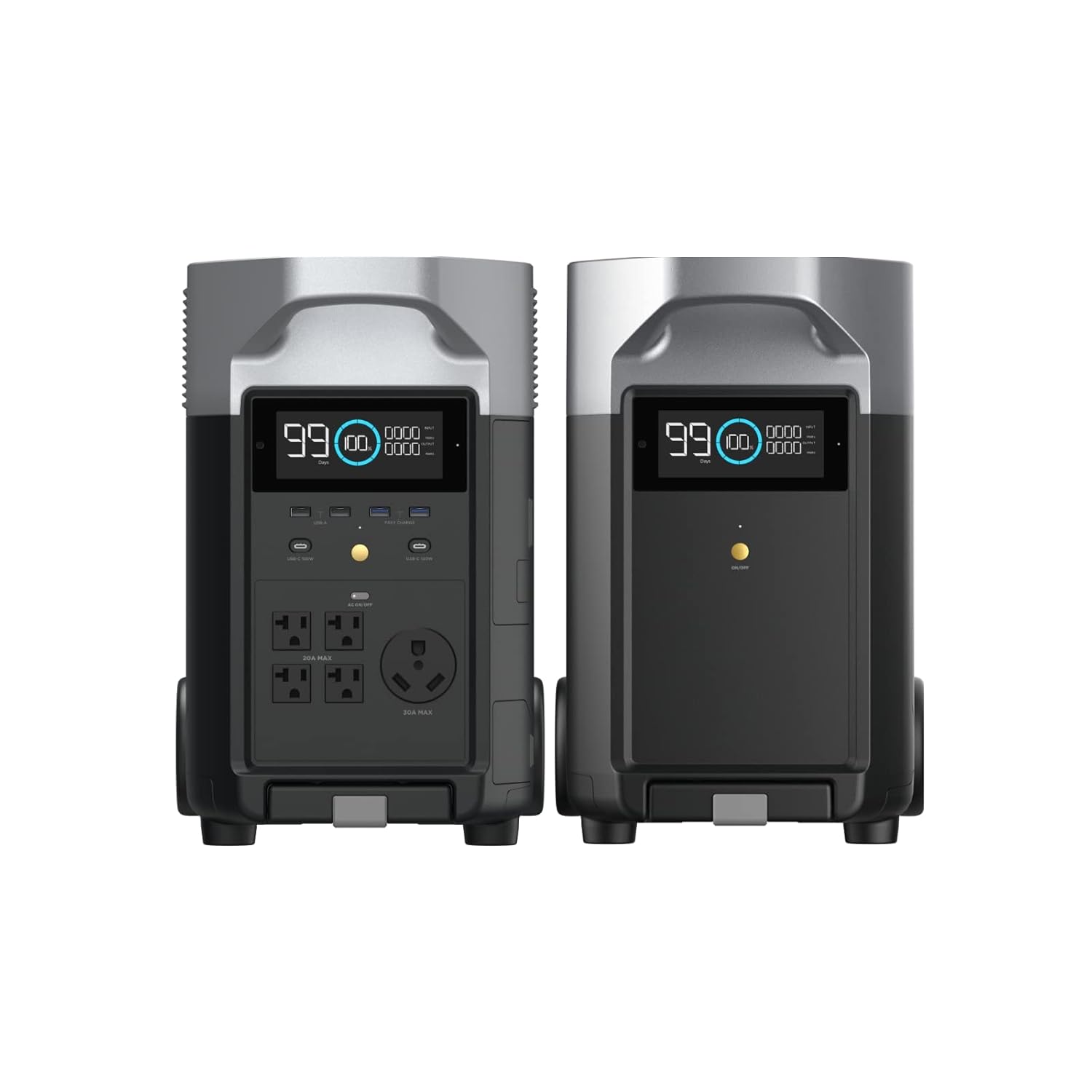
The EcoFlow Delta Pro is a powerhouse designed for those who refuse to compromise. It’s the gold standard for serious RVers who need to run demanding appliances, including some air conditioners. Its expandable ecosystem means you can start with the base unit and add extra batteries as your needs grow.
Pros
- Massive Expandable Capacity: Starts at 3.6kWh, expandable to a staggering 25kWh.
- High Power Output: 3600W continuous output (with a 7200W surge) can run almost any RV appliance.
- Incredibly Fast Charging: EcoFlow’s X-Stream technology allows it to charge from 0−80% in under 2 hours from a standard AC outlet.
- LiFePO4 Battery: Offers a long lifespan of over 3,500 charge cycles, providing years of reliable service.
Cons
- Higher Price Point: This level of performance comes at a premium cost.
- Heavy: The base unit weighs around 99 lbs (45 kg), making it a two-person lift.
2. Jackery Explorer 2000 Plus – Best for Portability
Jackery is a name synonymous with portable power, and the Explorer 2000 Plus hits the sweet spot between robust capacity and manageable portability. It’s an excellent choice for a wide range of RVs, from camper vans to mid-size travel trailers.

- Pros: Great balance of power (2042Wh) and output (3000W), expandable design, and Jackery’s reputation for reliability and user-friendly design.
- Cons: Not as powerful as the Delta Pro for running very high-demand appliances simultaneously.
3. Bluetti EB3A Solar Generator – Best for Heavy-Duty RV Use
The Bluetti EB3A Solar Generator is a fan favorite among full-time RVers for good reason. It boasts a durable LiFePO4 battery, a plethora of output ports (including a 30A RV plug), and a very competitive price for its feature set. It’s built to be the central power hub of your off-grid setup.

- Pros: 600Wh capacity, 268W continuous output, expandable with extra batteries (up to 900Wh), and a responsive touchscreen interface.
- Cons: The cooling fans can be noticeable under heavy load.
4. Anker SOLIX F2000 (PowerHouse 767) – Best Budget Pick
Anker, a brand trusted by millions for charging tech, brings its expertise to the solar generator market with the SOLIX F2000. It offers premium features like a LiFePO4 battery and high output at a more accessible price, making it the best value proposition.

- Pros: Excellent value, 2048Wh capacity with 2400W output, integrated wheels and handle for easy transport, and backed by Anker’s reliable 5-year warranty.
- Cons: Solar charging input is slightly lower than some competitors, meaning slower recharge times from the sun.
5. Goal Zero Yeti PRO 4000 Portable Power Station – Best for Emergency Backup
Goal Zero is one of the original players in this space, known for rugged and reliable products. While other models may offer faster charging, the Yeti Pro 4k is a dependable workhorse perfect for those who need a no-fuss backup system for their RV’s existing batteries or for shorter trips.

- Pros: Robust build quality, trusted brand reputation, and seamless integration with Goal Zero’s ecosystem of panels and accessories.
- Cons: Uses a Lithium-ion NMC battery (not LiFePO4), resulting in a longer overall lifespan. Slower charging speeds compared to newer models.
How to Choose the Right Solar Generator for Your RV
Navigating the technical specs can be daunting. Let’s simplify it. Choosing the best solar generator for your RV comes down to understanding your specific power needs.
Must-Have Features
- Battery Capacity (Watt-hours – Wh): This is your energy tank. It determines how long you can run your devices. A higher Wh number means more power storage.
- Inverter Rating (Watts – W): This is your horsepower. It determines what you can run. You need enough continuous watts to power your most demanding appliance (like a microwave or coffee maker).
- Battery Chemistry (LiFePO4): A Lithium Iron Phosphate (LiFePO4) battery is the standard. It offers 4-6x the lifespan of older Lithium-ion NMC batteries and is inherently safer. All our top picks, except the Goal Zero, use this superior technology.
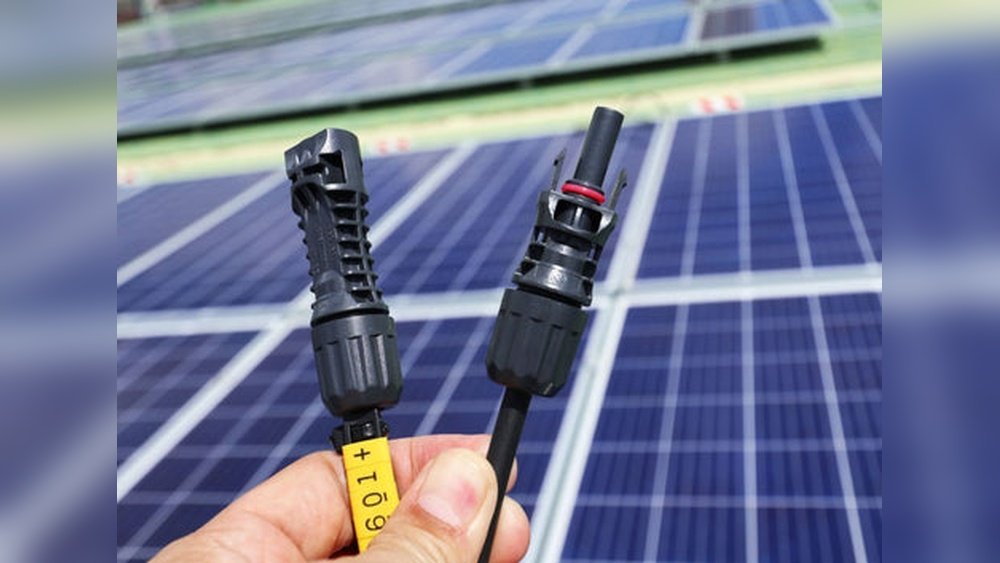
- Port Types and Count: Ensure it has enough outlets for your gear. Look for multiple AC outlets, high-power USB-C PD ports for laptops/phones, and a 12V DC carport. A 30A RV-specific outlet is a huge plus.
- Solar Input & MPPT Controller: This dictates how quickly you can recharge from the sun. A higher solar input (measured in watts) and an efficient MPPT (Maximum Power Point Tracking) charge controller are crucial for serious off-grid use.
Matching Generator Specs to Your RV Lifestyle
- Weekend Camper: You can likely get by with a smaller unit (1000−1500Wh) to keep lights on, phones charged, and run a small fan or TV.
- Full-Time Traveler: You need a robust system (2000Wh+) to power a refrigerator, microwave, laptops, and more, day after day. Expandability is key.
- Appliance Wattage Needs: Before you buy, list your essential appliances and their wattage. A small RV fridge might use 150W, a microwave 1200W, and a Starlink dish 75W. Your generator’s output must exceed the total wattage of everything you want to run simultaneously.

Pro Tips For Solar Generator Setup
- Optimize Solar Panel Placement: Always angle your portable panels directly at the sun. Move them 2-3 times a day (morning, noon, afternoon) to track the sun’s path across the sky. This can increase your solar yield by up to 30%.
- Best Practices for Charging: For LiFePO4 batteries, you don’t need to worry about a “memory effect.” However, for longevity, it’s good practice to avoid consistently draining the battery to 0% or leaving it at 100% for months in storage. Aim to keep it between 20% and 80% for daily use.
- Combine with Your RV’s System: You can use your solar generator to recharge your RV’s built-in house batteries. Simply plug your RV’s shore power cord into the generator’s 30A outlet (using an adapter if needed). This is a great way to keep your onboard systems topped off.
Mistakes to Avoid When Buying an RV Solar Generator
- Underrating Your Power Needs: The most common mistake. You buy a 1000W generator and wonder why it can’t run your 1200W microwave. Always buy more wattage than you think you need.
- Overlooking Solar Input Compatibility: A giant generator with a tiny solar input (e.g., 200W) will take forever to charge. Match your solar panel array’s wattage to your generator’s input specs for efficient charging.
- Ignoring Battery Chemistry: Buying a non-LiFePO4 model means you’re investing in older tech that won’t last as long. Pay the small premium for LiFePO4; it’s worth it.
- Forgetting about Weight and Size: A 100-pound generator might seem fine online, but it’s a beast to move in and out of your RV’s storage bay. Be realistic about what you can handle.
- Buying for Price Over Performance: A cheap, off-brand generator is a huge risk. Stick with reputable brands like those listed above that have proven safety certifications (like UL or CE), reliable warranties, and good customer support.
Read more: Best DIY Solar Panel Install Kit Review and Guides
FAQs About Solar Generators for RV
What size solar generator do I need for my RV?
Calculate your daily energy use in Watt-hours (Wh). For example, a 100W fridge running for 8 hours uses 800Wh. Add up all your devices’ daily usage. Choose a generator with a capacity at least 20% larger than your daily total to account for inefficiency and have a buffer. For most RVs, a 2000Wh unit is a great starting point.
Can I run an air conditioner with a solar generator?
Yes, but with caveats. You’ll need a large generator with high output (at least 3000W, like the EcoFlow Delta Pro) and a very large solar array (at least 800W−1200W) to keep up. Running an AC will drain the battery very quickly, so it’s only feasible for short periods unless you have an enormous, expandable system.
How long do solar generators last in real RV use?
This depends on the battery chemistry. A LiFePO4 battery, found in most modern units, will typically last for 3,500+ charge cycles while retaining ~80% of its capacity. With daily use, this translates to roughly 10 years of reliable service, making it a fantastic long-term investment.
What’s the difference between a solar generator and a power station?
The terms are often used interchangeably. A “power station” is the battery and the inverter unit itself. A “solar generator” is simply a power station bundled with or used in conjunction with solar panels for recharging.
Are solar generators worth it for part-time RVers?
Absolutely. They provide freedom from needing electrical hookups, act as a silent power source at night, and double as a fantastic emergency power supply for your home during outages.
How fast can I charge my generator with portable solar panels?
This depends on the generator’s max solar input and the wattage of your panels. For example, a generator with a 500W solar input can be fully charged from 0% in about 4-5 hours on a perfectly sunny day using 500W of solar panels.
Do solar generators work during winter or cloudy days?
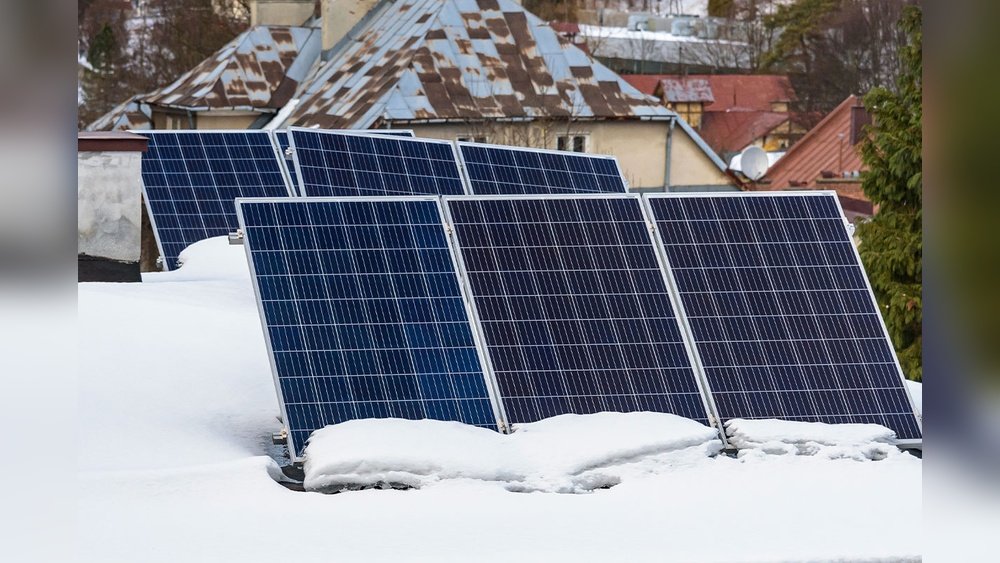
Yes, but at a reduced capacity. Solar panels can still produce power from ambient light on an overcast day, but the output might be only 10-25% of their rating.5 In winter, the lower sun angle and shorter days also reduce charging efficiency. This is why having a large battery capacity is crucial for these conditions.
Can I use a solar generator while it’s charging?
Yes, all modern solar generators support “pass-through charging,” allowing you to power your devices from the unit while it is simultaneously being charged by solar panels or a wall outlet.
Is it safe to leave the generator connected to my RV full-time?
Yes, it is generally safe. They have built-in battery management systems (BMS) that prevent overcharging. However, it’s good practice to periodically check connections and ensure the unit has adequate ventilation.
What’s the best solar panel to pair with my generator?
The best panel is one that matches your generator’s input voltage and wattage specifications. It’s often easiest and safest to buy solar panels from the same brand as your generator to ensure perfect compatibility. For maximum power, get a panel array that is as close as possible to your generator’s maximum solar input wattage.
Ready to embrace quiet, clean power? Your next adventure awaits.