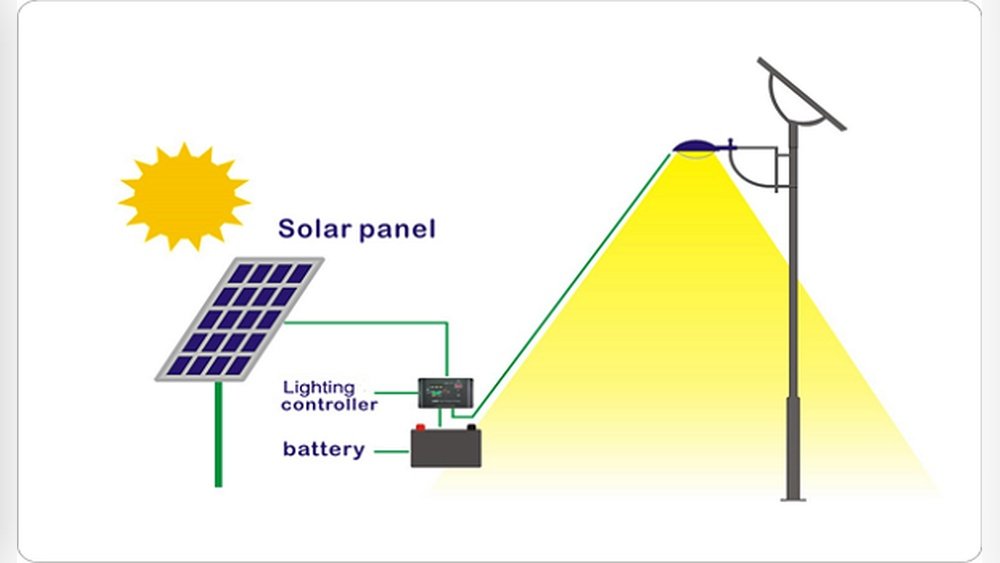

You need power that doesn’t quit when the sun goes down or the propane runs dry. While true “solar combos” rely on batteries, the ultimate backup is pairing that tech with a hard-hitting dual-fuel engine. Here are the top dual-fuel units to complete your hybrid power setup or stand alone when the grid fails.
Best Dual Fuel Solar Generator Combo Comparison
| Generator Brand | Wattage | Fuel Type | Best For |
| Westinghouse 14500 | 14,500W | Gas/LPG | Whole Home |
| WEN 6800W Inverter | 6,800W | Gas/LPG | RV/Sensitive Tech |
| EF ECOFLOW Smart Gen | 3,200W | Gas/LPG | Solar System Integration |
| PowerSmart 3800W | 3,800W | Gas/LPG | Budget Camping |
| PowerSmart 4400W | 4,400W | Gas/LPG | Tailgating |
| DuroStar DS13000MX | 13,000W | Gas/LPG | Heavy Duty Jobs |
Best Dual Fuel Solar Generator Combo Reviews
Here is the lowdown on the heavy hitters that give you hybrid freedom. Whether you are charging a solar battery bank or running the A/C directly, these dual-fuel beasts ensure you never run out of juice.
Westinghouse 14500 Peak Watt
Best for Whole Home Backup
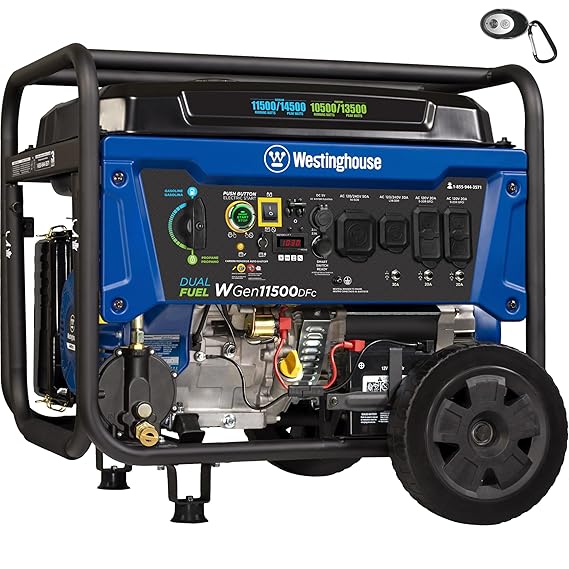
This rig is an absolute beast. If you are trying to keep the lights on, the fridge cold, and the HVAC running during a nasty storm, this Westinghouse is your heavy hitter. It’s transfer-switch ready straight out of the box, meaning you can plug it right into your house panel. It runs on gas or propane, giving you options when the pumps are dry.
Fast Facts:
- Output: Massive 14,500 peak watts (Gas) / 11,500 running watts.
- Start Type: Remote electric start (key fob included).
- Outlets: 50A and 30A outlets specifically for heavy transfer switches.
Pros & Cons
- Pros:
- Huge power output runs central air and major appliances simultaneously.
- Remote start is a lifesaver in bad weather.
- On-the-fly fuel switching.
- Cons:
- It is loud and heavy; not meant for casual camping.
WEN Quiet 6800-Watt Inverter
Best for RV & Sensitive Electronics
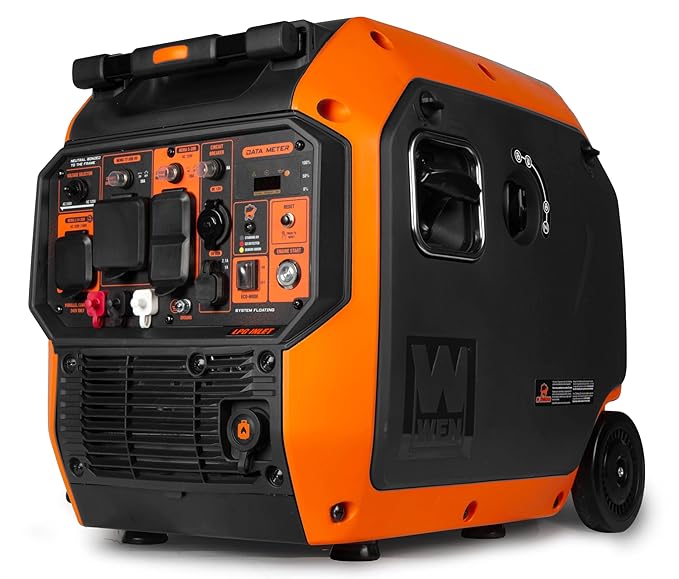
WEN delivers a “Goldilocks” generator here—enough punch to run an RV A/C, but clean enough inverter power to not fry your laptop. It’s way quieter than the open-frame clunkers, making it perfect for campsites or neighborhoods with strict noise rules. The CO Watchdog adds a layer of safety that helps you sleep easier.
Fast Facts:
- Tech: Pure Sine Wave Inverter (safe for sensitive electronics).
- Runtime: Efficiency mode maximizes fuel based on load.
- Design: Enclosed design dampens noise significantly.
Pros & Cons
- Pros:
- Much quieter than standard generators.
- Clean energy for computers and TVs.
- Fuel shutoff feature extends carburetor life.
- Cons:
- Oil changes can be a bit fiddly due to the enclosure.
EF ECOFLOW Smart Generator
Best for Solar System Integration
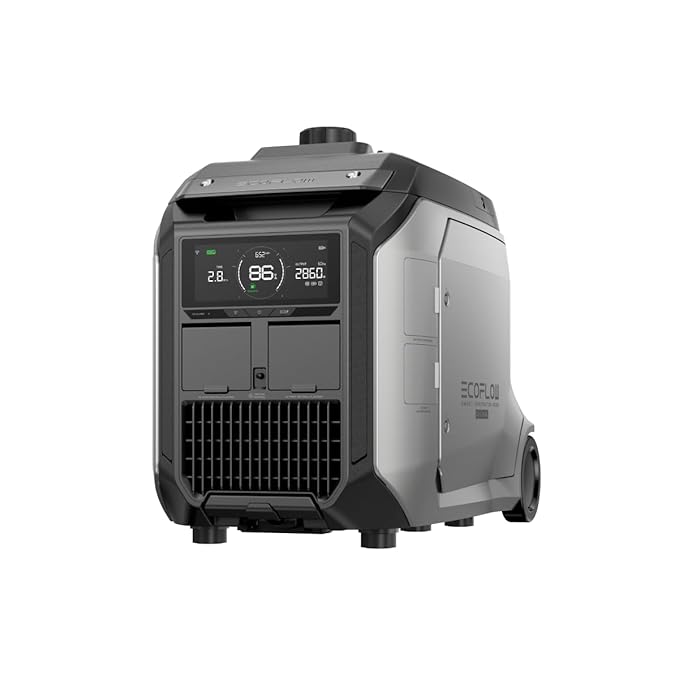
This is the “Smart” in your setup. Designed specifically to pair with EcoFlow DELTA Pro solar stations, this unit auto-starts when your battery gets low and shuts off when it’s charged. It is the missing link for a true continuous “best dual fuel solar generator combo.” It charges via DC, which is way more efficient than standard AC charging.
Fast Facts:
- Integration: App control and auto-start with DELTA Pro units.
- Efficiency: Direct DC-to-DC charging saves fuel.
- Safety: CO detector and oil alerts built-in.
Pros & Cons
- Pros:
- Automates your backup power; set it and forget it.
- extremely fuel-efficient for battery charging.
- Slick app interface monitors everything.
- Cons:
- Lower wattage output if used as a standalone generator.
PowerSmart 3800-Watt Inverter
Best for Budget RV Camping
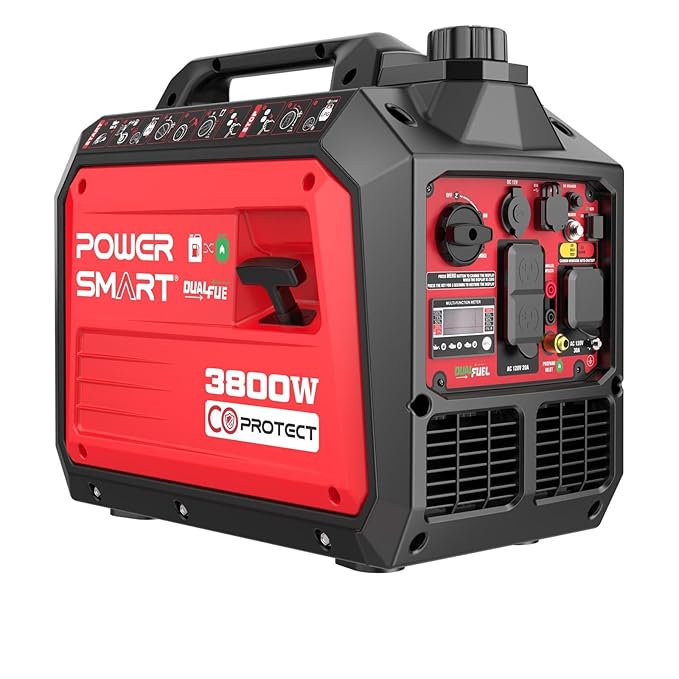
Short on cash but need dual-fuel flexibility? This PowerSmart 3800 is your wallet-friendly pick. It packs a 30-amp plug ready for your travel trailer and runs clean inverter power. It’s compact enough for one person to lug around and gets the job done without the premium price tag.
Fast Facts:
- Portability: Compact footprint fits easily in truck beds.
- Power: 3800 starting watts handles basics and RV hookups.
- Safety: CO protect shuts down if carbon monoxide builds up.
Pros & Cons
- Pros:
- Very affordable entry point for dual fuel.
- Lightweight and easy to transport.
- Parallel ready (connect two for double power).
- Cons:
- Build quality feels cheaper than the big brands.
PowerSmart 4400-Watt Inverter
Best for Tailgating

A slightly beefier cousin to the 3800, this 4400-watt unit gives you that extra headroom for starting larger motors or running a grill and a TV at the tailgate. It keeps the noise down and runs clean. It’s a great grab-and-go solution when you need portable power that doesn’t scream like a lawnmower.
Fast Facts:
- Output: 4400 peak watts covers most portable needs.
- Quiet: Engineered for low noise operation.
- Compliance: EPA compliant for safe use.
Pros & Cons
- Pros:
- Good power-to-weight ratio.
- Quiet operation allows for conversation nearby.
- Dual fuel gives you a backup if you run out of gas.
- Cons:
- Manual pull start only (no electric start).
DuroStar DS13000MX
Best for Heavy Duty Job Sites

DuroStar is known for raw power, and the DS13000MX delivers in spades. With a massive 500cc engine, this thing doesn’t struggle. It’s built like a tank and designed to run high-amperage tools on a job site or power a large home during an outage. It’s loud, proud, and reliable.
Fast Facts:
- Engine: 500cc DuroMax 4-stroke engine.
- Power: 13,000 watts peak wipes out power needs.
- Panel: Fully loaded power panel with heavy-duty outlets.
Pros & Cons
- Pros:
- Incredible price-per-watt value.
- Durable metal construction.
- Runs essentially everything in a standard home.
- Cons:
- Thirsty engine consumes fuel quickly.
The Verdict: Ideal for contractors or homeowners who want max power for the money. If you need fuel efficiency, look at the inverters above.
Quick Buying Tip
Don’t neglect the break-in period. Most of these engines need an oil change after the first 5-10 hours of use to clear out metal shavings from the factory—skipping this kills your engine’s lifespan immediately.