
The power flickers out, the neighborhood goes dark, and you’re suddenly hunting for a flashlight while wondering if the food in the fridge is toast. Most people grab a standard gas generator, but then they’re stuck hoarding cans of stabilized fuel in the garage. It’s a mess and a fire hazard.
What you actually want is a “set it and forget it” fuel source. By using the best household natural gas generators, you can hook directly into your home’s existing gas line. No refills, no stale gasoline, and no panic-buying fuel at 2 AM. In this guide, I’m breaking down five tri-fuel beasts that handle natural gas, propane, and gasoline so you never get left in the dark.
Natural Gas Home Backup Comparison
| Model | Peak Watts (Gas) | Fuel Types | Best For |
| Westinghouse 14500 | 14,500 | Tri-Fuel | Massive Power |
| DuroStar DS13000MXT | 13,000 | Tri-Fuel | All-Rounder |
| Generac 12,500 | 12,500 | Tri-Fuel | Reliability |
| Genmax 10500 | 10,500 | Tri-Fuel | Easy Interface |
| Pulsar 9500 | 9,500 | Tri-Fuel | Quiet Operation |
Best Household Natural Gas Generators
If you’re looking for a way to keep the AC running and the lights on without the constant “fuel run” anxiety, these tri-fuel units are the gold standard for versatility.
DuroStar DS13000MXT (The Heavy-Duty Workhorse)

This DuroStar is a tank. With a 500cc engine, it’s built to handle the heavy lifting—think central AC units and well pumps. It’s “transfer switch ready,” which means once your electrician installs the hookup, you just plug this in and flip a switch. It feels rugged and vibrates a bit, but that’s the trade-off for this much raw power.
- Pros: Massive 13,000-watt peak capacity; comes with a remote start so you don’t have to trek out into the rain.
- Cons: Just a heads up, this thing is incredibly heavy. Even with the wheels, moving it across gravel is a workout.
Westinghouse 14500 (The Power King)

Unlike the DuroStar, which is already a beast, the Westinghouse 14500 pushes the limits even further. If you have a large home with multiple high-draw appliances, this is the one. It’s designed to be a portable alternative to a permanent standby system, giving you more bang for your buck without the $10,000 installation fee of a permanent unit.
- Pros: Huge output on natural gas compared to smaller units; very intuitive control panel.
- Cons: The only downside is the noise level. At full load, your neighbors will definitely know you have power.
Pulsar 9500 Watt (Household Natural Gas and Inverter Generator)
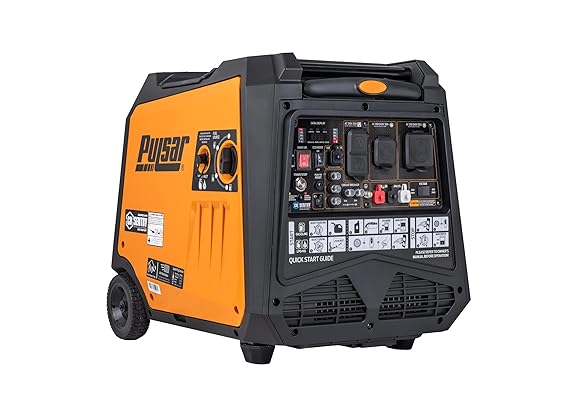
Now, if the first two models are too “industrial” for you, the Pulsar 9500 is a different breed. It’s an inverter generator, meaning the power is “cleaner” for sensitive electronics like laptops or high-end TVs. It’s significantly quieter than the Westinghouse, making it a better fit for tight residential lots.
- Pros: Parallel capable and much easier on the ears; great for sensitive tech.
- Cons: You lose some wattage when switching to natural gas, so don’t expect it to run your whole house and a hot tub at once.
GENMAX Tri Fuel 10500-Watt (The Modern Tech Pick)
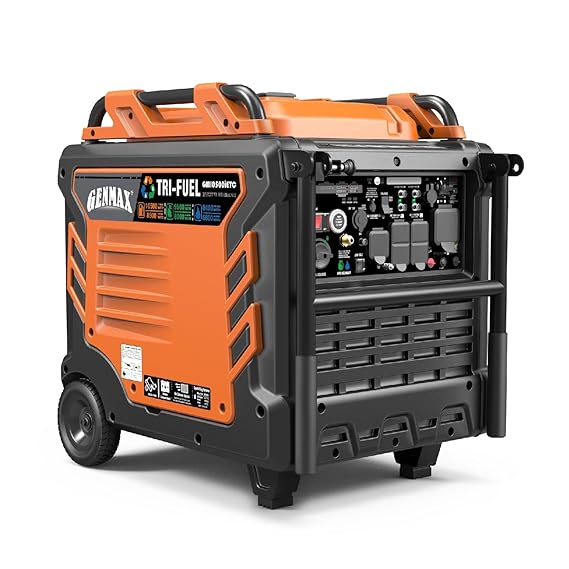
The Genmax is the middle child that actually listens. It offers a 50A outlet, which is exactly what you need for a proper home manual transfer switch. Compared to the Pulsar, it offers a bit more “oomph” for larger appliances while staying relatively compact for a 10k-watt unit.
- Pros: Includes a CO sensor for safety; the remote start works flawlessly from inside the house.
- Cons: Customer support can be a bit slower to respond compared to the “big” legacy brands.
Generac 12,500 Starting Watt (The Reliable Standard)

Generac is basically the “Apple” of generators. You’re paying for the name and the massive service network. This unit is built like a rock and is 50-state compliant. Unlike the Genmax or Pulsar, if this breaks, you can find a repair shop in almost any town in America.
- Pros: Extremely long runtime on propane or natural gas; very high build quality.
- Cons: It’s often more expensive than competitors with similar specs just because of the brand name.
Buying Guide: Which one should you grab?
Selecting the right backup depends entirely on your home’s “must-haves” during a blackout.
- If you have a massive house and a big budget: Go with the Westinghouse 14500. It has the overhead to keep you comfortable without tripping breakers.
- If you live in a quiet neighborhood: Grab the Pulsar 9500. Your neighbors will thank you for not using a generator that sounds like a jet engine.
- If you want the best long-term support: Buy the Generac 12,500. The peace of mind regarding parts and service is worth the extra cash.
- If you want the best value for raw power: The DuroStar DS13000MXT is the clear winner for pure “bang for your buck.”