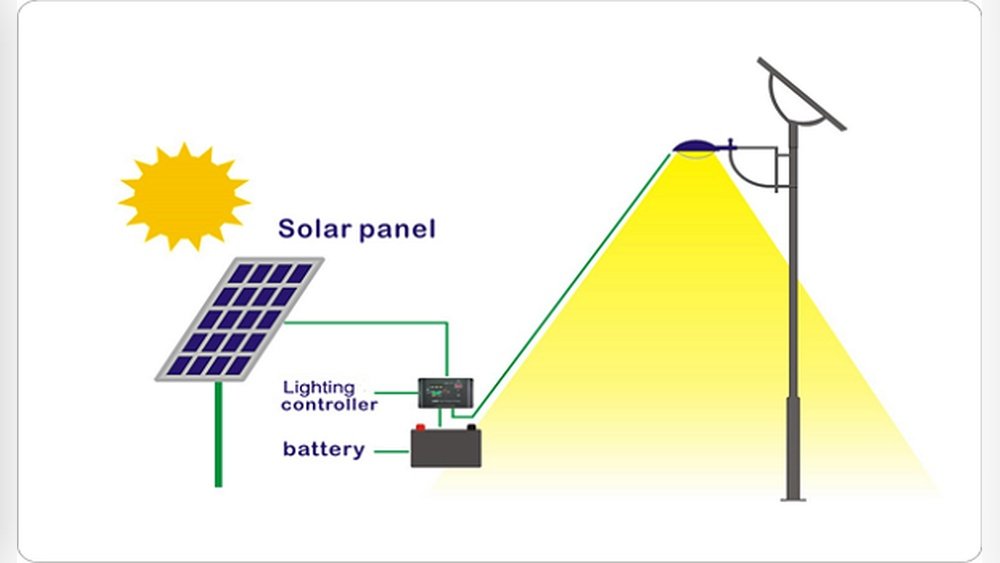

Choosing the best portable solar power generator comes down to how much power you actually need and where you plan to use it. Some units are built for charging phones and lights during a weekend trip, while others can keep a refrigerator or medical device running during an outage.
Capacity, output wattage, recharge speed, and battery chemistry all affect real-world usefulness. This guide focuses on practical differences that matter day to day, not spec-sheet hype. Whether you want something compact for travel or a serious backup for home emergencies, the options below cover the full range of realistic needs.
Best Portable Solar Power Generator Comparison
| Power Station | Capacity | AC Output | Battery Type | Best For | Main Limitation |
| SinKeu 200W Portable Power Station | 155Wh | 200W | Li-ion | Light travel, small devices | Very limited runtime |
| EF ECOFLOW DELTA 2 | 1024Wh | 1800W | LiFePO4 | Home backup, RV use | Heavier than entry models |
| Jackery Explorer 1500 | 1536Wh | 1800W (3600W peak) | LiFePO4 | Off-grid, fast charging | Premium price |
| Enginstar Solar Generator 296Wh | 296Wh | 300W | Li-ion | CPAP, short trips | Slower recharging |
| Pecron E3600LFP | 3072Wh | 3600W | LiFePO4 | Whole-room backup | Large and heavy |
| Anker SOLIX F2000 | 2048Wh | 2400W | LiFePO4 | High-load appliances | Bulkier footprint |
SinKeu 200W Portable Power Station
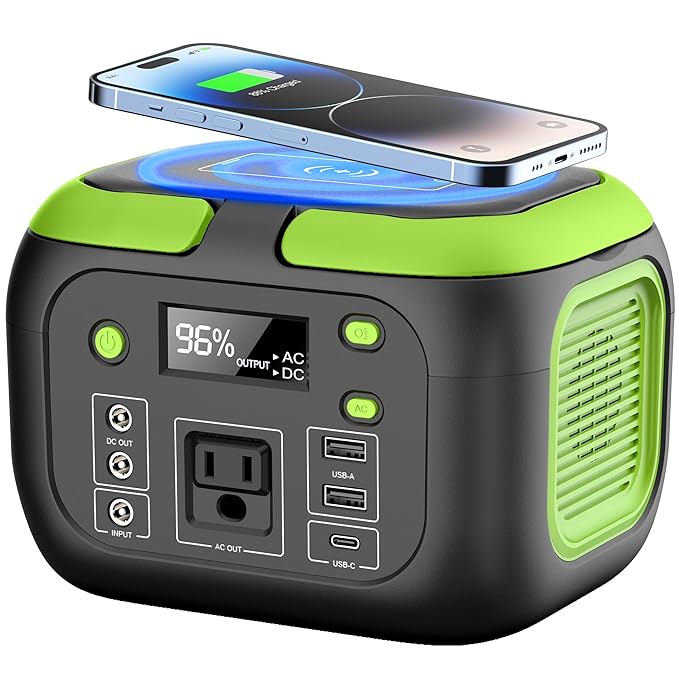
This is a simple, lightweight option for users who need basic power on the go. It handles phones, cameras, laptops, and small electronics without fuss. In real-world use, the limited 155Wh capacity means it’s best for short trips or emergency phone charging, not overnight appliance use. Port selection is flexible for its size, but the AC output is modest.
Verdict: Buy this if portability and price matter more than runtime; skip it if you expect to power anything larger than personal electronics.
EF ECOFLOW Portable Power Station DELTA 2

The DELTA 2 strikes a strong balance between capacity and usability. With 1024Wh and a robust 1800W output, it can realistically support refrigerators, power tools, or multiple devices during an outage. Recharge times are fast, especially with solar input, and the LiFePO4 battery adds long-term durability. The tradeoff is weight, which makes it less travel-friendly.
Verdict: Ideal for home backup and RV users; not the best choice if you need something easy to carry long distances.
Jackery Explorer 1500 Ultra Portable Power Station
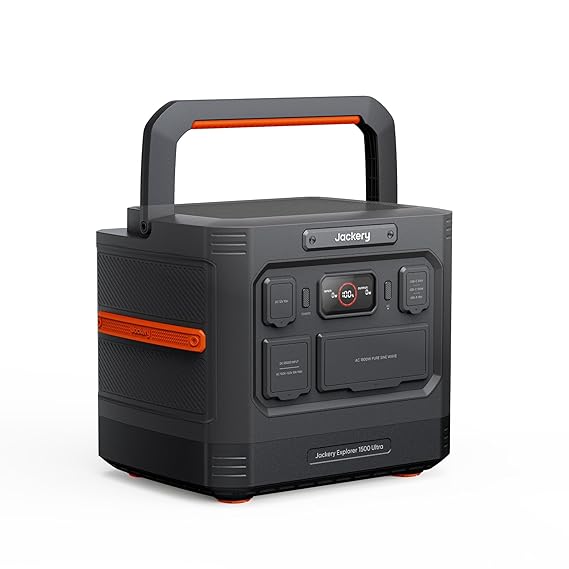
This model is designed for serious off-grid power. The 1536Wh capacity and high peak output handle demanding loads with ease, and fast recharging stands out in real use. Weather resistance adds peace of mind outdoors. It’s reliable and polished, but the price reflects that premium positioning.
Verdict: A strong choice for extended outages or off-grid living; overkill for casual weekend use.
Enginstar Solar Generator 296Wh Portable Power Station
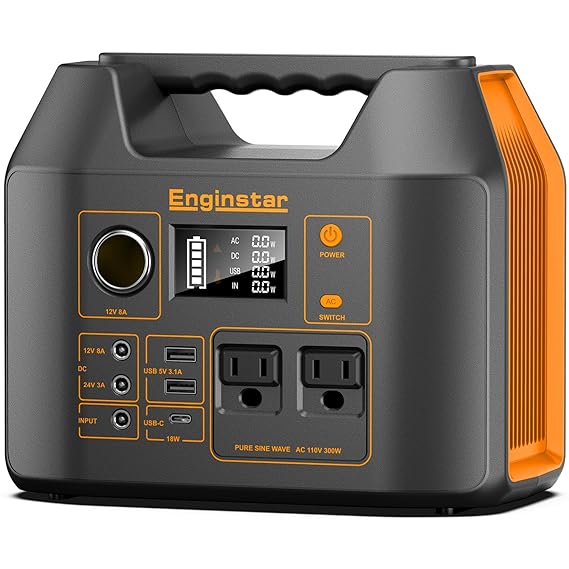
The Enginstar fits users with specific, moderate needs like CPAP machines or small camping setups. Its pure sine wave output keeps sensitive electronics stable. Capacity is enough for overnight essentials, but recharge speeds and overall output limit flexibility.
Verdict: Good for medical devices and light camping; not suitable for powering multiple appliances.
Pecron Portable Power Station 3072Wh E3600LFP

This is a high-capacity solution aimed at serious backup scenarios. With over 3000Wh and multiple high-output AC outlets, it can support large appliances for extended periods. Expansion options add flexibility, but size and weight make it a semi-permanent setup rather than a grab-and-go unit.
Verdict: Best for home backup power users; impractical for travel or frequent transport.
Anker SOLIX F2000 Portable Power Station

The SOLIX F2000 delivers high output in a refined, durable package. It runs power-hungry devices reliably and benefits from efficient charging technology. The footprint is larger than mid-range models, which may matter in tight spaces.
Verdict: A solid pick for users with high power demands; unnecessary if you only need occasional backup.
Solar Input Isn’t Instant Power
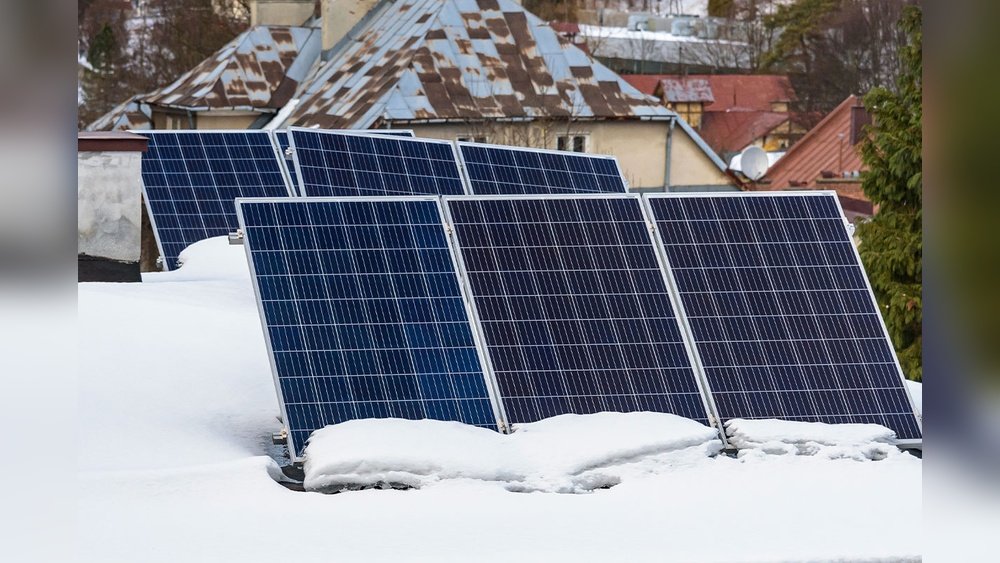
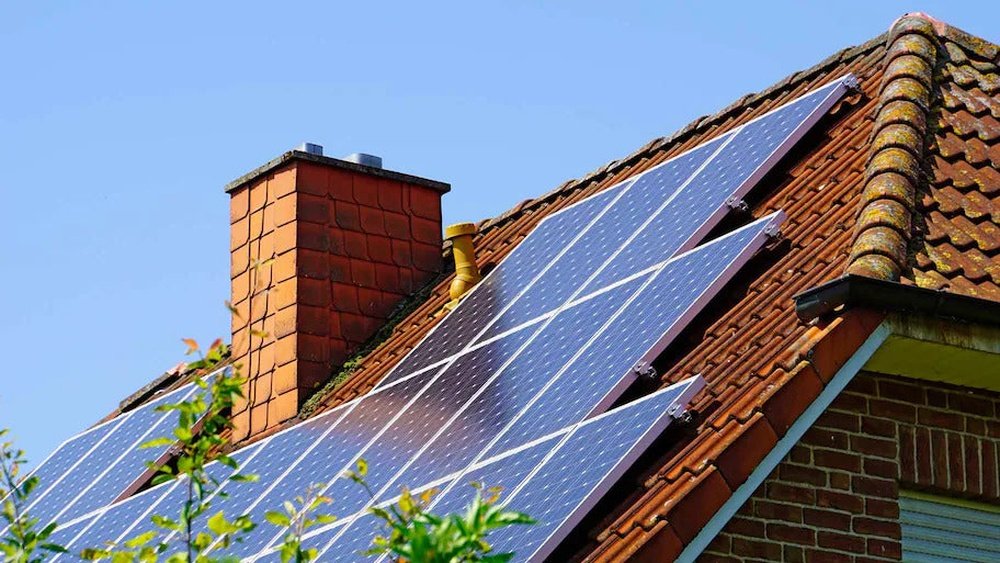
Even the best portable solar power generator won’t recharge instantly from panels alone. Sun conditions, panel size, and daylight hours all affect charging times, so capacity planning matters more than marketing claims.
Final Takeaway,
The right choice depends on how much power you truly need and how mobile you want to be. Smaller units suit travel and light emergencies, while mid-range models balance capacity and convenience. High-capacity stations make sense for home backup but require space and planning. Match the generator to your real usage, and the value becomes clear.