
Some power stations are built to run a refrigerator during an outage. Others are meant to keep phones, lights, and laptops alive on a weekend trip. This guide focuses on what actually matters in day-to-day use: usable capacity, output stability, charging speed, and realistic portability.
Each option below serves a different type of buyer, and understanding those differences is the fastest way to avoid overbuying or ending up underpowered.
Best Portable Power Stations For Home, Camping and RV
| Power Station | Battery Capacity | AC Output | Recharge Speed | Best For | Main Limitation |
| DJI Power 2000 | 2048Wh (LFP) | 3000W | Very fast (0–80% ~55 min) | Home backup, RV use | Heavy, premium price |
| CYBPULTE C601 | 299Wh | 600W (1200W surge) | Fast via USB-C | Light camping, travel | Limited runtime |
| Jackery HomePower 3600 Plus | 3584Wh (LFP) | 3600W | Moderate | Whole-home backup | Large and not portable |
| MARBERO 88Wh | 88Wh | 120W peak | Fast for its size | Emergency kits | Very low power |
| IEE P3200 | 2048Wh | 3200W | Solar + AC capable | Off-grid setups | Bulky system |
DJI Power 2000 Portable Power Station
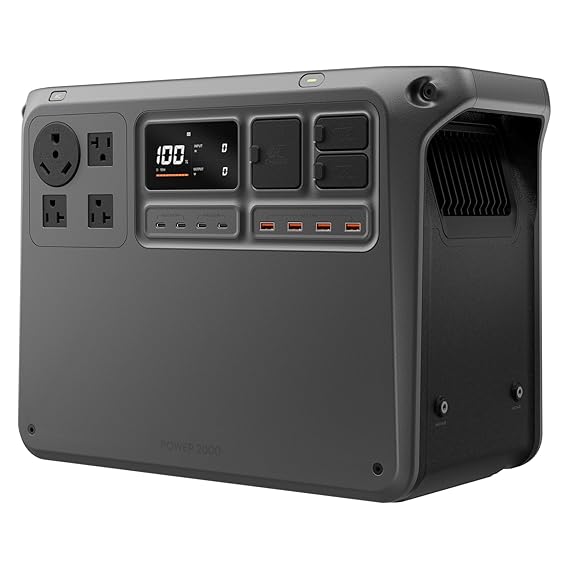
This is a serious power station built for people who want strong, stable output without waiting all day to recharge. In real use, the 3000W output easily handles refrigerators, power tools, and multiple appliances at once. The standout feature is charging speed—getting most of the battery back in under an hour changes how practical a large unit feels.
The downside is weight and cost. This isn’t something you casually move around camp, and it’s priced for buyers who value performance over portability.
CYBPULTE C601 Portable Power Station 600W
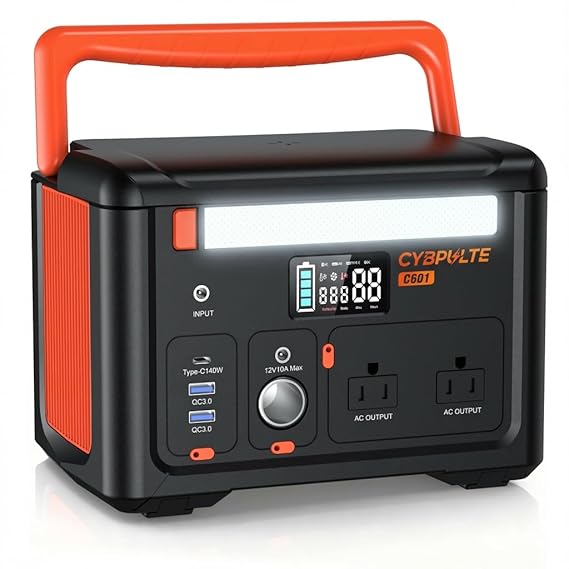
This compact unit is built for convenience rather than raw power. With 299Wh of capacity, it comfortably charges phones, laptops, cameras, and small appliances. The 140W USB-C fast charging is genuinely useful and makes it feel modern and travel-friendly.
Where it falls short is in runtime. You won’t run high-draw devices for long, and it’s not meant for home backup beyond basic essentials.
Jackery HomePower 3600 Plus Portable Power Station
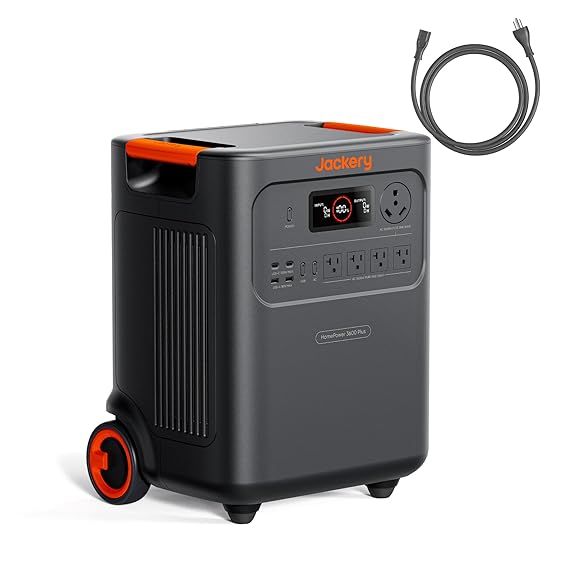
This is closer to a home energy system than a portable gadget. With massive capacity and expansion support up to 21kWh, it can cover long outages and critical household loads. In daily use, it shines as a stationary backup rather than something you move often.
The tradeoff is size. Despite the name, portability is limited, and setup space matters.
MARBERO Portable Power Station 88Wh

This is an emergency battery, not a power station in the traditional sense. It’s small, simple, and good for lights, phones, and radios. In a blackout kit or glove compartment, it makes sense.
Power output and capacity are extremely limited, so expectations need to be realistic.
IEE P3200 Solar Generator with 400W Solar Panel

This setup is designed for off-grid and emergency scenarios where solar input matters. With strong AC output and included panels, it can sustain power over longer periods if sunlight is available. It performs well for RV users and emergency preparedness.
The system is bulky, and transport takes planning. It’s more of a semi-permanent solution than a grab-and-go unit.
Mind That: Bigger isn’t always better
Many buyers assume the best portable power station is simply the biggest one they can afford. In reality, unused capacity means extra weight, cost, and charging time. Matching power output and battery size to how you actually use electricity matters more than chasing the highest numbers.
Final Verdict,
The best portable power station depends entirely on how and where you’ll use it. For fast, reliable home or RV power, high-output models like the DJI make sense.
For light travel and camping, compact units are easier and more practical. Large expandable systems fit long outages but sacrifice portability. Start with your real power needs, then choose the smallest, most reliable option that covers them comfortably.