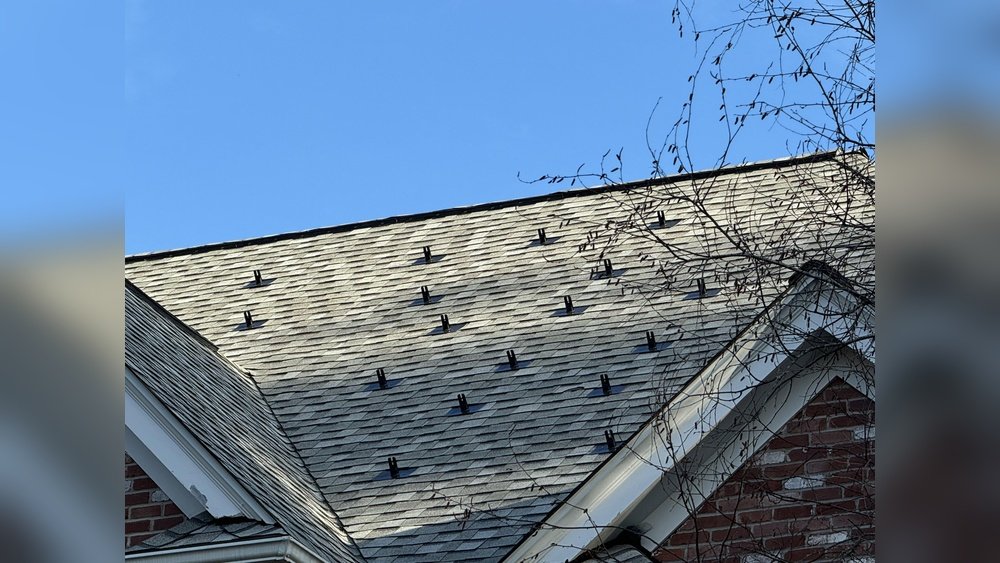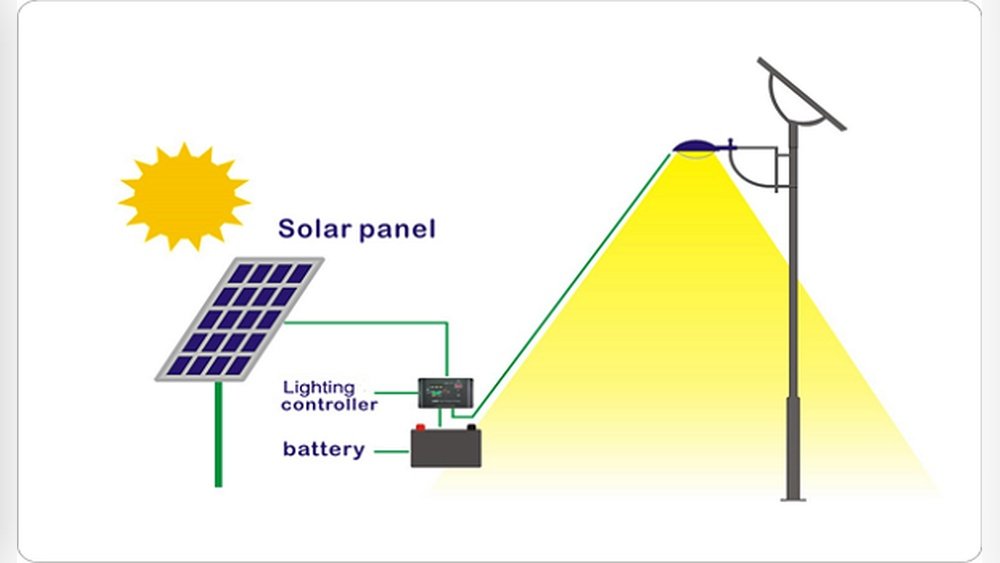

Choosing household solar panels gets harder when roof space is limited, power demand isn’t small, and flexibility matters. Many homes can’t cover every square foot with panels, yet still want meaningful energy output for daily use or backup power. High-wattage panels reduce space needs, but system size, voltage compatibility, and expandability quickly become tradeoffs. Some homeowners need a complete off-grid solution, while others only want to supplement existing power or prepare for outages.
Understanding how different panel setups behave under these constraints is essential to avoiding wasted space, mismatched components, or underpowered systems.
Best Household Solar Panels for Limited Roof Space
| Solar Panel Brand | Total Output | Panel Efficiency Focus | Best Use Case | Main Limitation |
| ECO-WORTHY 10000W Complete Off-Grid Solar Panel Kit | 9840W panels + battery | System-level efficiency | Whole-home off-grid power | Requires significant space and setup |
| N-Type 16BB 400W Bifacial Solar Panel (2×200W) | 400W | High cell efficiency | Small rooftops, modular builds | Lower total output |
| DOKIO 800W Mono Solar Panels (2×400W) | 800W | Simple, balanced output | Sheds, partial home use | Not ideal for full homes |
| JJN 550W Bifacial Solar Panels (2PCS) | 1100W | High wattage per panel | Roofs with very limited space | Heavy panels |
| SUNGOLDPOWER 10PCS 500W Solar Panels | 5000W | Scalable efficiency | Custom household systems | Requires careful layout planning |
ECO-WORTHY 10000W Complete Off-Grid Solar Panel Kit for Home

This system works well for homeowners who want maximum output from a single integrated setup, even when roof space is not ideal. The high total wattage reduces the need to spread panels across multiple roof sections, and the included battery storage helps manage daily fluctuations. The tradeoff is scale: the system demands careful placement and structural planning. It’s best suited for homes committed to off-grid living rather than casual energy supplementation.
Verdict: Best for households with limited but usable roof space aiming for full off-grid independence.
N-Type 16BB 400W Bifacial Solar Panel
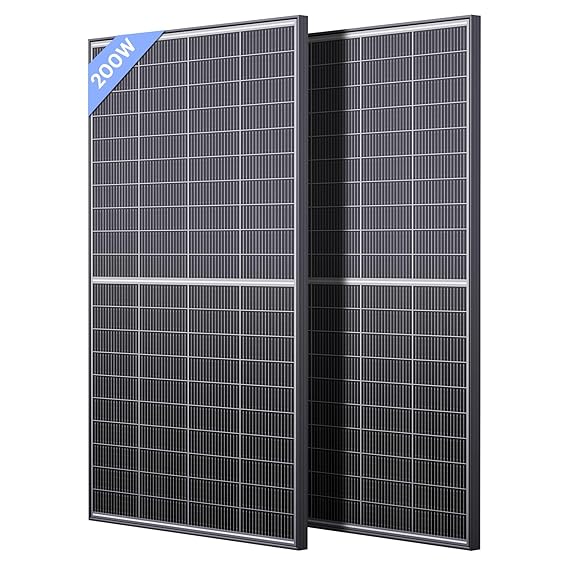
These panels prioritize efficiency over raw size, making them practical where every square foot matters. The bifacial design can squeeze extra output from reflected light, which helps offset lower wattage. However, powering an entire household would require many units, which may defeat the space advantage. They shine in incremental builds or smaller homes.
Verdict: Ideal for tight rooftops where modular expansion is more realistic than high output.
DOKIO 800W Mono Solar Panels
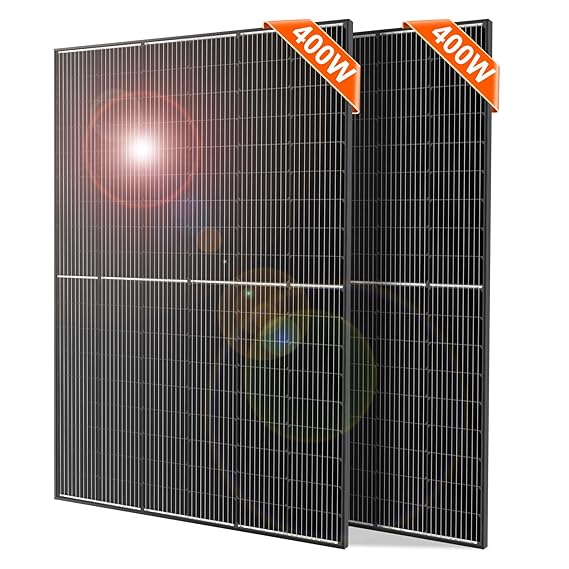
This setup balances manageable panel size with respectable output, making it suitable for partial household use. It fits well on garages, sheds, or smaller roof sections without overwhelming the structure. The limitation is capacity: it works better as a supplement than a primary household source.
JJN 550 Watt Bifacial Solar Panels

High wattage per panel is the main advantage here. Fewer panels are needed to reach useful output, which is valuable when roof space is extremely constrained. The downside is weight and handling, which can limit installation options on older structures.
Verdict: Best for sturdy roofs needing strong output from minimal panel count.
SUNGOLDPOWER 500W Solar Panels Monocrystalline UL

This bundle offers flexibility, allowing homeowners to configure layouts around vents, angles, and obstructions. While total output is strong, poor planning can waste space. It works best when the roof layout is irregular but still offers multiple mounting zones.
Verdict: A good choice for custom layouts where adaptability matters more than simplicity.
How to Choose When Roof Space Is Limited
Focus first on wattage per panel rather than total system size. Higher output panels reduce the number needed, which preserves space. Next, consider whether the goal is full household coverage or supplemental power. Finally, factor in roof strength and layout, since heavier or larger panels may limit placement options.
A Clear Path Forward
When roof space is tight, the smartest approach is balancing output density with realistic power goals. Full systems make sense for committed off-grid homes, while high-efficiency panels suit gradual upgrades. The best household solar panels are the ones that fit both the roof and the way energy is actually used day to day.