
If you’re tired of idling your truck just to charge a phone, you need a dedicated sun-soaker. We’ve rounded up the hardest-working panels on the market. From space-saving blankets to indestructible flexible sheets, these picks handle the vibration of backroads and the heat of the desert. No fluff—just the heavy-lifters that’ll keep your fridge running and your lights on.
7 Best Solar Panel For Truck Camping Features
| Brand & Model | Wattage | Style | Key Edge |
| Renogy Blanket | 400W | 16-Fold Blanket | Insane efficiency, tiny footprint |
| STAR Dual Pack | 870W | Rigid Frame | Massive power for long-term stays |
| Silicon Maintainer | 8W | Mini Panel | Keeps the starter battery healthy |
| BougeRV Arch Pro | 200W | Flexible N-Type | Anti-shading tech for wooded spots |
| DOKIO 6-Pack | 600W | Semi-Flexible | Massive coverage for camper shells |
| N-Type Bifacial | 400W | Rigid Double-Sided | Grabs light from both sides |
| Flexible Kit | 400W | 2x200W Flex | Low profile, aerodynamic design |
Upgrade Your Rig With The 7 Best Solar Panels For Truck Camping
Ready to cut the cord? These panels are the real deal for anyone looking to ditch the noisy generator. Whether you’re mounting them to a rooftop tent or tossing a blanket on the hood, these options ensure you’re never left in the dark when the sun goes down.
Renogy 400W N-Type Solar Blanket
Best for Maximum Portability

This 16-fold beast is a total game-changer for rigs with zero mounting space. It folds down into a tiny package but cranks out a massive 400W when you’re at camp. The N-Type cells mean you get 25% efficiency, which is top-tier for a “set-it-and-forget-it” setup.
- 16-Fold Design: Packs down to the size of a briefcase.
- High Efficiency: Uses N-Type cells for better performance in low light.
- Plug-and-Play: Comes ready for fast setup on your windshield or hood.
The Good & The Bad
Pros:
- Incredible space-saver for small trucks.
- Lightweight enough to move as the sun shifts.
- Fast setup for weekend warriors.
Cons:
- Expensive compared to rigid panels.
- Not meant for permanent mounting while driving.
STAR 870W Solar Panel Kit
Best for Full-Time Off-Grid Living

If you’re running a heavy-duty camper setup with a fridge, AC, and Starlink, this duo is the heavyweight champion. With two 435W panels, you’re getting serious juice. The full-screen design prevents dirt buildup, making them virtually maintenance-free while you’re out in the dust.
- Massive Output: 870W total is enough to power a small home.
- N-Type Tech: Superior heat tolerance for desert camping.
- Full-Screen Build: No frame edges to trap water or grime.
The Win & The Woes
Pros:
- Best-in-class power density for large rigs.
- Robust construction survives hail and high winds.
- High voltage is great for long wire runs.
Cons:
- Heavy; requires a solid roof rack.
- Overkill for simple overnight trips.
8W Monocrystalline Battery Maintainer
Best for Keeping the Starter Battery Alive
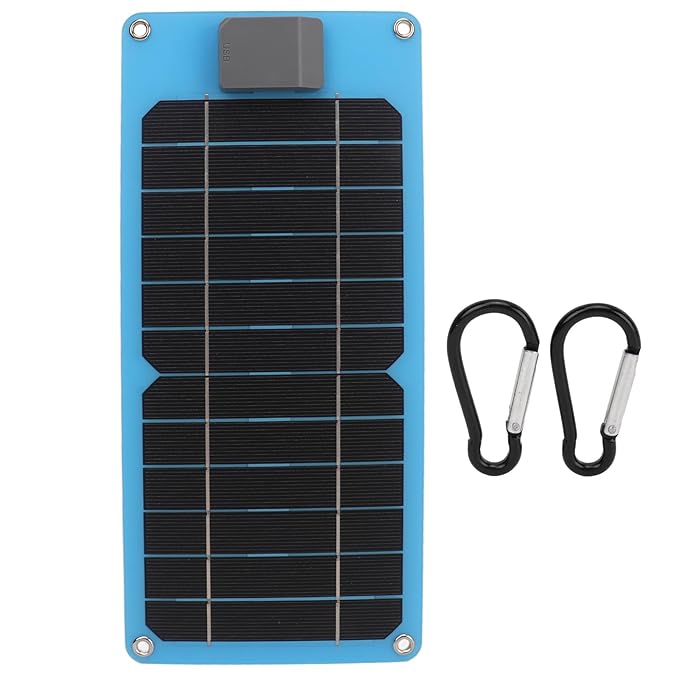
This “little guy” isn’t for your house batteries; it’s a beater’s best friend. It keeps your truck’s starter battery topped off while you’re parked for weeks. It’s a cheap insurance policy to ensure your truck actually cranks when it’s time to head home.
- Compact Size: Easily sits on the dashboard.
- Weatherproof: Rugged enough to handle the elements.
- Simple Connection: Direct-to-battery or via 12V port.
The Ups & The Downs
Pros:
- Prevents “dead battery” syndrome in the backcountry.
- Super affordable and easy to store.
- Works for tractors and trailers too.
Cons:
- Won’t charge a portable power station quickly.
- Very low wattage for accessory use.
BougeRV Arch Pro 200W Flexible Panel
Best for Curved Roofs and Shady Spots
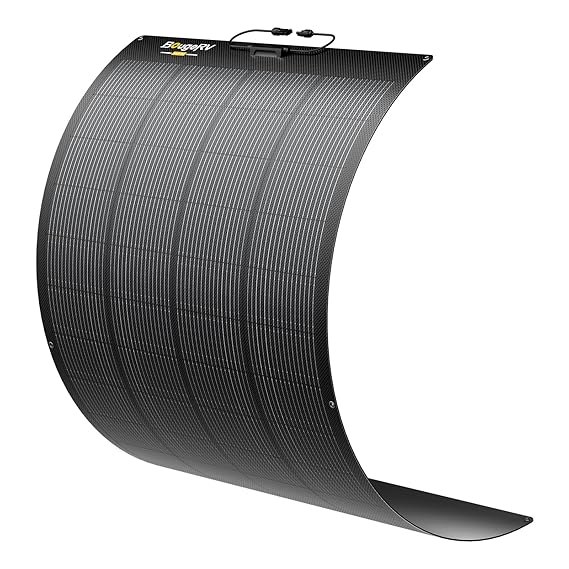
Truck caps aren’t always flat, and trees aren’t always helpful. This fiberglass flexible panel solves both. It contours to your roof and features anti-shading tech, meaning if a branch blocks one corner, the rest of the panel keeps humming.
- Anti-Shade Tech: Power doesn’t drop to zero just because of one leaf.
- Extreme Flex: Can bend up to 213 degrees without cracking.
- Lightweight: Won’t affect your truck’s center of gravity.
The Perks & The Pitfalls
Pros:
- Low profile makes it nearly invisible on a black roof.
- Extremely durable fiberglass backing.
- Great for stealth camping setups.
Cons:
- Can be tricky to mount without the right adhesive.
- Flexible panels generally have a shorter lifespan than rigid glass.
DOKIO 600W Flexible Solar Kit
Best for High-Wattage Lightweight Needs
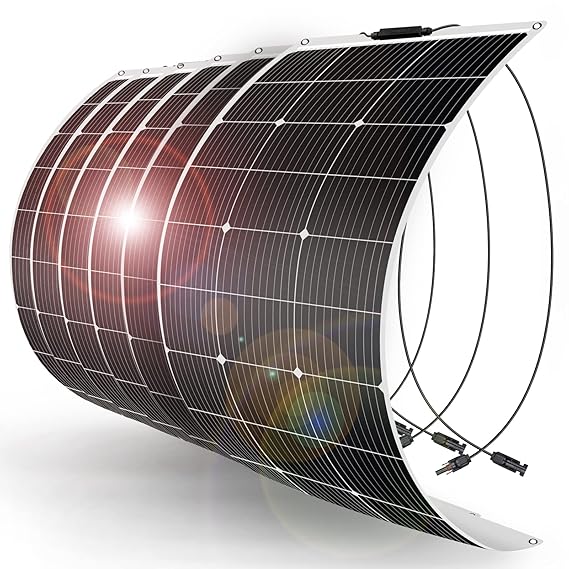
Need a lot of power but can’t handle the weight of glass? This 6-panel kit provides 600W of semi-flexible energy. It’s perfect for lining the top of a large camper shell or trailer. These are thin, light, and use ETFE coating for better light penetration.
- Modular Design: Six 100W panels let you customize the layout.
- ETFE Coating: Highly resistant to corrosion and high temps.
- Easy Install: Pre-drilled holes for zip ties or bolts.
The Highs & The Lows
Pros:
- Incredible power-to-weight ratio.
- Flexible enough for arched trailer roofs.
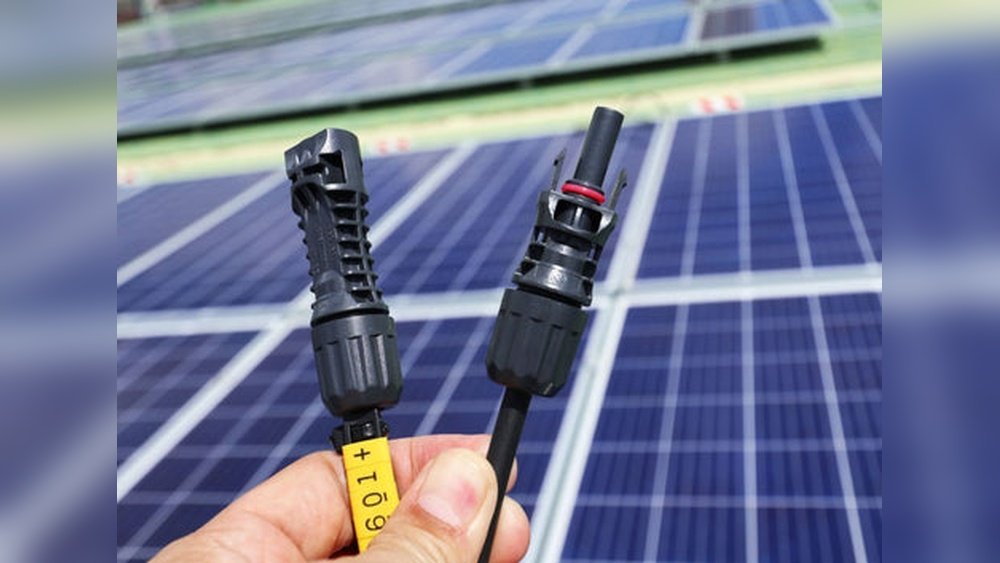
- Includes MC4 connectors for easy series/parallel wiring.
Cons:
- Lots of wiring to manage with six individual panels.
- Requires a large surface area for all panels.
N-Type 400W Bifacial Dual-Module
Best for Maximum Energy Harvest
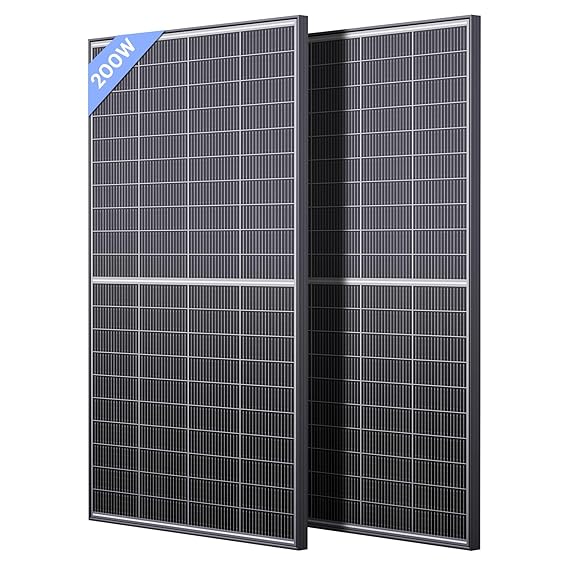
Bifacial panels are the tech-forward choice. They don’t just catch the sun from above; they catch the reflection from your white truck roof or the sand below. This 400W kit is designed with an anti-shade layout, so you get consistent power even in imperfect conditions.
- Double-Sided Power: Can gain up to 25% extra energy from reflections.
- N-Type 16BB: More busbars mean less energy loss and better durability.
- Parallel Design: Keeps working even if half the panel is in the dark.
The Benefits & The Bummer
Pros:
- Highest total harvest in sunny, reflective environments.
- Rigid frame is built for the long haul.
- Modern 16BB tech is more efficient than older panels.
Cons:
- Bifacial gains are minimal if mounted flush to a dark roof.
- Heavier than flexible options.
400W Flexible Solar Panel Kit
Best Value for DIY Rig Builders
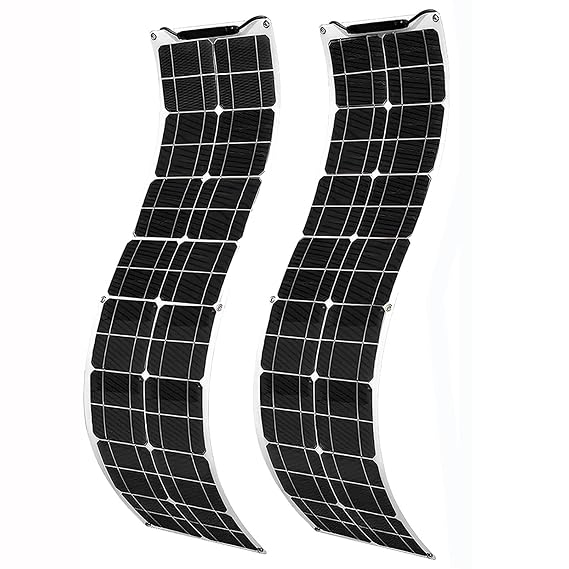
This kit gives you two 200W flexible panels that are a cinch to install. They are low-profile and aerodynamic, meaning they won’t whistle or drag while you’re cruising at 70 mph. For the price, it’s one of the easiest ways to get 400W onto a truck bed cover.
- Aerodynamic: Sits flat against your rig for zero wind noise.
- Lightweight Construction: Easy for one person to install.
- Monocrystalline Cells: Reliable energy conversion in clear sky.
The Positives & The Negatives
Pros:
- Great price point for the wattage.
- Very discreet; doesn’t scream “expensive gear inside.”
- Simple 12V setup for standard batteries.
Cons:
- Lack of “anti-shade” tech means shadow sensitivity.
- Not as robust as fiberglass-backed flexible panels.
Tips before decide: Avoid buying “no-name” panels with ultra-thin plastic coatings; they’ll yellow and crack in the sun within a year. Stick to ETFE or fiberglass-reinforced panels for anything that stays on your truck full-time.