
Let’s get real: most “solar” bags are actually emergency Mylar sacks that reflect body heat or USB-powered rigs you can charge via solar panels. If you’re camping in the boonies, you need a setup that doesn’t quit when the sun goes down.
So, get the best heaters and thermal traps to keep you toasty…
10 Best Solar Heated Sleeping Bag Essentials
| Bags | Type | Heat Source | Best For | Standout Feature |
| USB Envelope | Heated Bag | USB / Power Bank | Car Camping | 5-Zone Heating |
| Survival 2-Pack | Bivy Sack | Thermal Reflection | Emergencies | Lightweight Mylar |
| 8-Pc Safety Kit | Full Set | Thermal + Solar Flashlight | Survival Prep | Includes accessories |
| Life Bivy Sack | Bivy Sack | Body Heat | Go-Bags | Waterproof / Windproof |
| Antarctica Gear | Heated Bag | 12V Battery Pack | Extreme Cold | High-power output |
| Tuphen Liner | Bag Liner | USB / Power Bank | Versatility | Fits inside any bag |
| Adult 0-Degree | Heated Bag | USB / Power Bank | Winter Camping | Water-resistant shell |
| 9-Zone Liner | Bag Liner | USB / Power Bank | Maximum Heat | Targeted back/leg heat |
| Double Bag | Traditional | Insulated Fill | Couples | XL Queen sizing |
| Mummy Style | Heated Bag | USB / Power Bank | Backpacking | Snug, heat-saving fit |
Top 10 Solar Heated Sleeping Bag For Your Trip
Finding the right rig means choosing between active heating and passive thermal reflection. Active bags use coils to cook your core, while bivy sacks keep you from becoming a popsicle in a pinch. Choose wisely based on your pack weight and power access.
5-Zone USB Heated Envelope

This setup is like a portable electric blanket for the woods. It features five integrated heating pads that run off any standard solar power bank. The envelope style gives you plenty of legroom so you don’t feel like a sardine.
Why It Rocks & Where It Flops
Pros:
- Plugs into any standard USB “juice box.”
- Roomy design for side sleepers.
- Distributes heat across five specific zones.
Cons:
- Power bank is usually sold separately.
- Not built for sub-zero alpine treks.
If you’re a weekend warrior who stays near the truck, grab this. It’s a solid “glamping” upgrade that keeps the shivers away.
Portable Emergency Survival Bivy
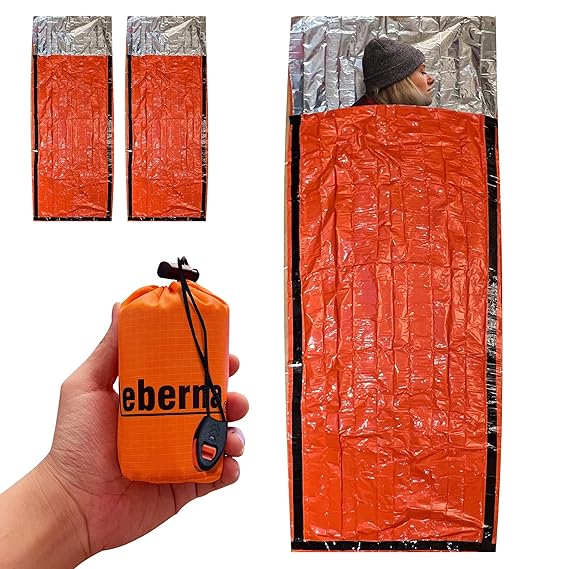
This isn’t your plush bedroom comforter; it’s a high-tech Mylar sack designed to reflect 90% of your body heat back at you. It’s tiny enough to fit in your pocket, making it the ultimate “just in case” gear for hikers.
High Points & Low Points
Pros:
- Reflects massive amounts of body heat.
- Lightweight enough to forget it’s in your pack.
- Bright orange for high visibility.
Cons:
- Zero breathability (prepare for some sweat).
- Noisy crinkling sound when you move.
Toss these in your glovebox or hiking pack immediately. It’s cheap insurance for when a day hike turns into an accidental overnight.
Best Thermal Survival Sleeping Bag’s Kit
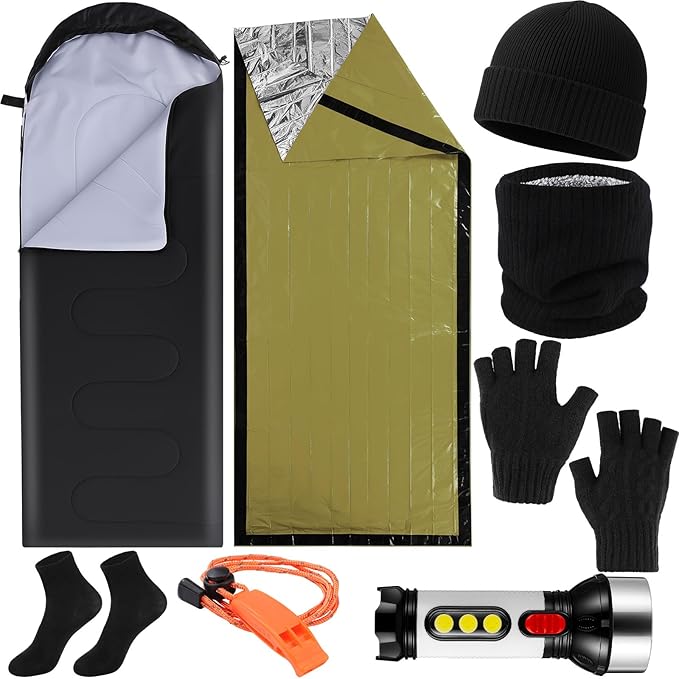
This is a full-blown survival locker in one bag. You get the thermal sleeping bag plus a solar-rechargeable flashlight and extra winter layers like a beanie and gloves. It covers all the bases for a sudden cold snap.
The Good Stuff & The Bad
Pros:
- Includes a solar flashlight for off-grid light.
- Comprehensive kit with socks, scarf, and beanie.
- Great value for a pre-made “go-bag.”
Cons:
- The bag itself is thin emergency material.
- Accessories are basic “one size fits most.”
Perfect for stashing in the trunk before a winter road trip. It’s a total lifesaver kit that handles more than just sleep.
Life Bivy Waterproof Survival Sack

This bivy is built for the “oh no” moments. It’s waterproof and windproof, shielding you from the elements while the interior lining cooks you with your own body heat. It’s a “beater” sack that can take some abuse in the brush.
Winning Features & Drawbacks
Pros:
- Taped seams keep the rain out.
- Heavy-duty Mylar resists tearing better than cheap versions.
- Comes with a whistle and fire starter.
Cons:
- Strictly for survival, not for comfort.
- Condensation builds up inside quickly.
Don’t go into the backcountry without this in your kit. It’s a rugged, no-frills shield against hypothermia.
Antarctica Gear 12V Solar Heated Sleeping Bag

This is the heavy hitter of the group. It comes with its own high-capacity 12V solar battery pack, which pushes way more heat than a standard USB cord. It’s designed for actual cold weather, not just chilly fall nights.
Cold Hard Facts
Pros:
- Includes a dedicated 16000mAh battery.
- Higher voltage means faster, hotter warming.
- High-quality insulation for “all-season” use.
Cons:
- Heavy to carry on long backpacking trips.
- Battery takes a while to recharge.
If you’re camping in late November, this is your best bet. It’s the real deal for staying warm when the ground is frozen.
Tuphen 5-Zone Heated Liner for Camping Side
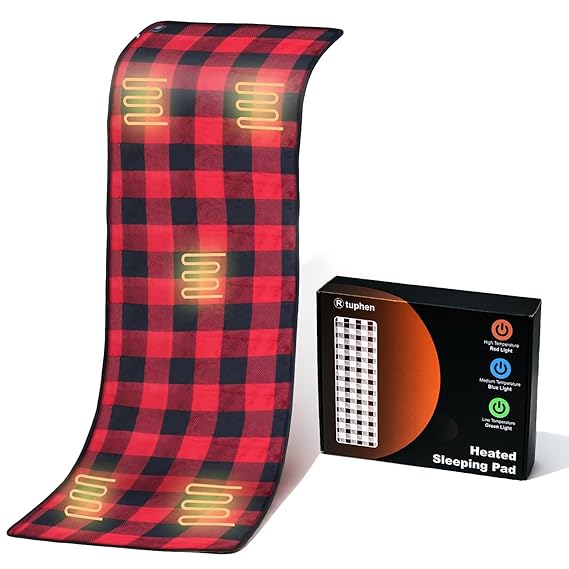
Think of this as an “engine swap” for your current sleeping bag. It’s a heated liner you slide inside any bag you already own. It adds active heating to your favorite setup without requiring a whole new bag purchase.
The Upside & The Downside
Pros:
- Works with any bag you already own.
- Three temp levels let you dial in the heat.
- Machine washable once you pull the cords.
Cons:
- It can shift around if you’re a restless sleeper.
- Requires a power bank to function.
Snag this if you love your current bag but just need a little extra “oomph” on frosty nights. It’s a modular win.
0-Degree Solar Heated Sleeping Bag for Adult

This is a beefy, water-resistant bag designed for the serious camper. It combines thick insulation with USB-powered heating pads to handle temps down to the freezing mark. It’s the SUV of sleeping bags.
Top Tier Traits & Misses
Pros:
- Rugged, waterproof exterior shell.
- Comfortable enough for long-term camping.
- Integrated heating pads are well-placed.
Cons:
- A bit bulky for ultra-light hikers.
- USB port needs a secure connection to stay on.
Buy this if you want a standalone winter bag that doesn’t rely solely on electronics but gets a nice boost from them.
9-Zone Extreme Heat Liner
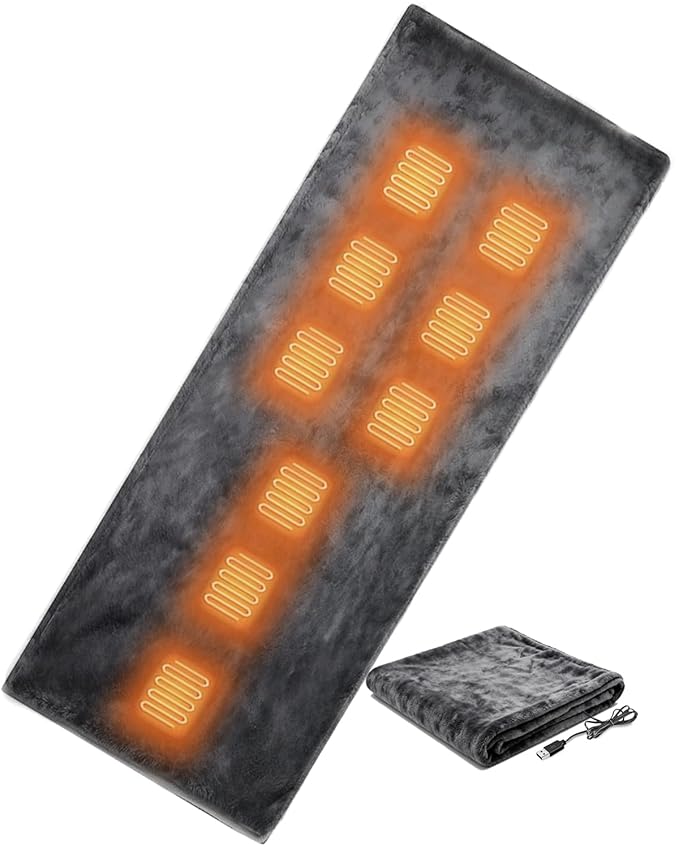
Nine zones of heat mean no cold spots. This liner covers everything from your shoulders down to your toes. It’s the ultimate choice for folks who always have “ice cube feet” when they sleep outdoors.
Perks & Pitfalls
Pros:
- Unbeatable coverage with 9 heating zones.
- Ultra-soft fabric feels great against the skin.
- Foldable and compact for easy packing.
Cons:
- Drains power banks faster due to more zones.
- Heating elements can be felt if the pad isn’t flat.
If you’re a cold sleeper, this 9-zone beast is a game changer. Just make sure you bring a massive power bank.
XL Queen Double Sleeping Bag (Oldest Solar Systemic Kit)
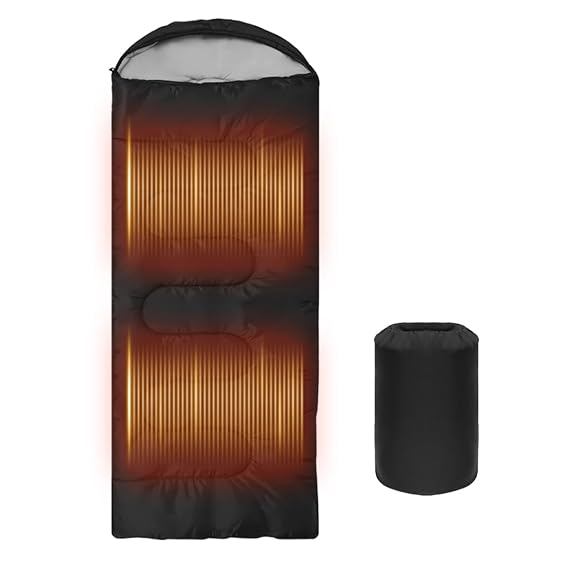
Sharing body heat is the oldest “solar” trick in the book. This XL queen-sized bag fits two adults comfortably. It doesn’t have electric heaters, but its massive size and insulation keep two people toastier than one.
The Highs & The Lows
Pros:
- Massive queen-size space for two.
- Includes two pillows and a compression sack.
- Can be split into two separate bags.
Cons:
- No active electronic heating.
- Heavy and large—definitely for car camping only.
Ideal for couples who want to snuggle up without fighting over the zipper. It’s the most comfortable “analog” option.
Mummy Style 5-Zone Heated Bag
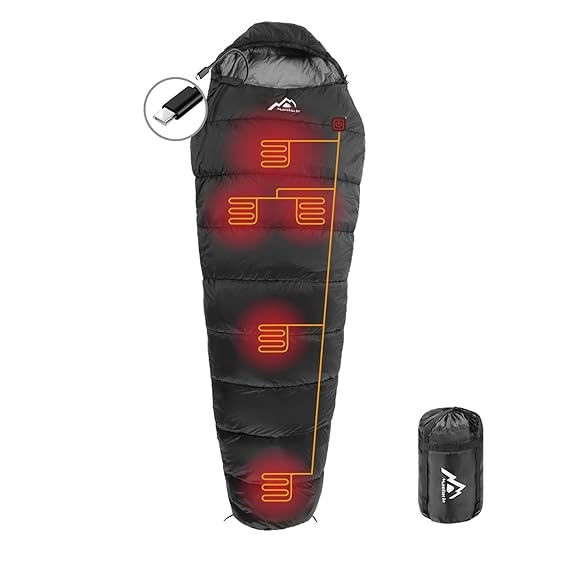
The mummy shape is the gold standard for heat retention because it cuts out dead air space. Adding 5-zone USB heating to this design makes it incredibly efficient. It’s the smartest way to stay warm without the bulk.
The Goods & The Bads
Pros:
- Mummy cut traps heat more effectively than rectangles.
- Lightweight and compact for its size.
- USB powered for easy field charging.
Cons:
- Can feel restrictive for “toss and turn” sleepers.
- The hood is a bit snug for large pillows.
If you’re backpacking and every degree counts, the mummy style is the way to go. It maximizes every watt of power.
Score The Best Warmth For Your Solar Heated Buck
- Check the Voltage: Standard USB (5V) is okay, but 12V battery packs provide significantly more heat for actual winter conditions.
- Mind the Insulation: Never rely 100% on the heater. Ensure the bag has enough “puff” (fill) to keep you safe if your battery dies.
- Size Matters: Mummy bags are warmer; envelope bags are more comfortable. Pick your poison based on the temp.
Avoid buying a “solar” bag that doesn’t have a backup heat-reflective lining. If the battery fails or the sun doesn’t shine, a plain thin fabric won’t save you. Always ensure there’s Mylar or thick insulation as a safety net.