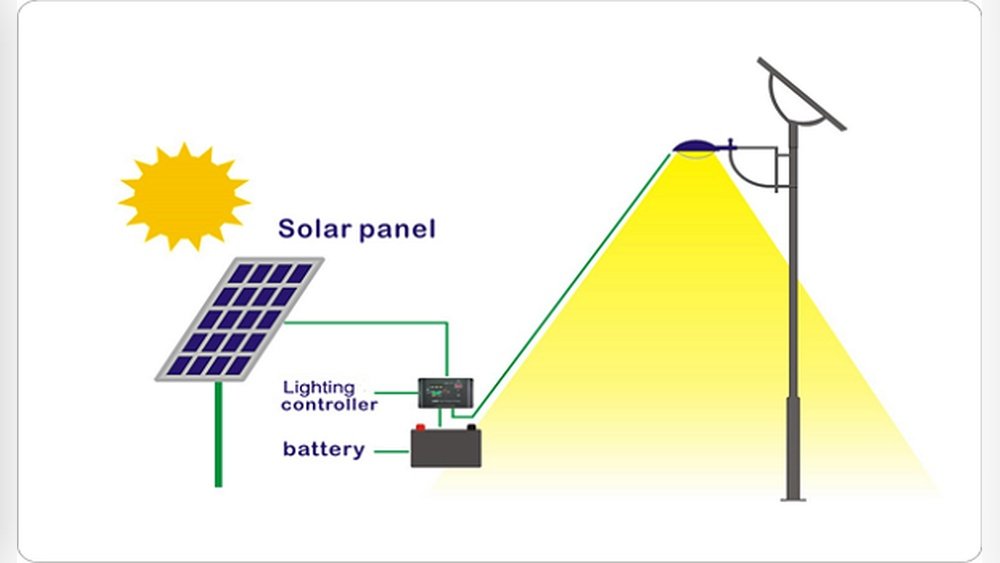

If you’re trying to teach solar energy in a way that actually sticks, a diy solar energy teaching board is one of the most effective tools you can use. Instead of abstract diagrams, these kits let students see how light turns into power, how circuits behave, and where energy losses happen. The challenge is that not all kits are built for teaching. Some are great for coding but weak on solar fundamentals, while others are simple but limited.
I have compared popular solar boards based on how useful they are in real lessons, not just what looks impressive on the box.
DIY Solar Energy Teaching Board Kits
| Solar Board | Best For | Power Output | Skill Level | Key Limitation |
| KEYESTUDIO DIY Solar Tracking Kit | Advanced solar demos | Low–moderate | Intermediate–advanced | Setup complexity |
| Micro Solar Panels 5V 200mA (5PCS) | Custom teaching boards | Moderate | Beginner–intermediate | No controller included |
| Sntieecr Solar Motor Kit | Younger learners | Low | Beginner | Very basic experiments |
| 10 pcs 5V 30mA Mini Solar Panels | Group projects | Very low | Beginner | Limited real-world output |
| SolarX V2 Sun-Tracking Kit | Solar automation lessons | Low–moderate | Intermediate | Focuses more on coding |
| 3pcs 6V Mini Solar Panels | Wiring demonstrations | Moderate | Beginner–intermediate | Inconsistent performance indoors |
| SUNYIMA 2V Monocrystalline Cells | Cell-level education | Very low | Intermediate | Requires careful handling |
| FlexSolar 6W Mini USB Panel | Practical power demos | High (for size) | Beginner–intermediate | Less “build-it-yourself” |
KEYESTUDIO DIY Solar Tracking Electronic Kit for Arduino
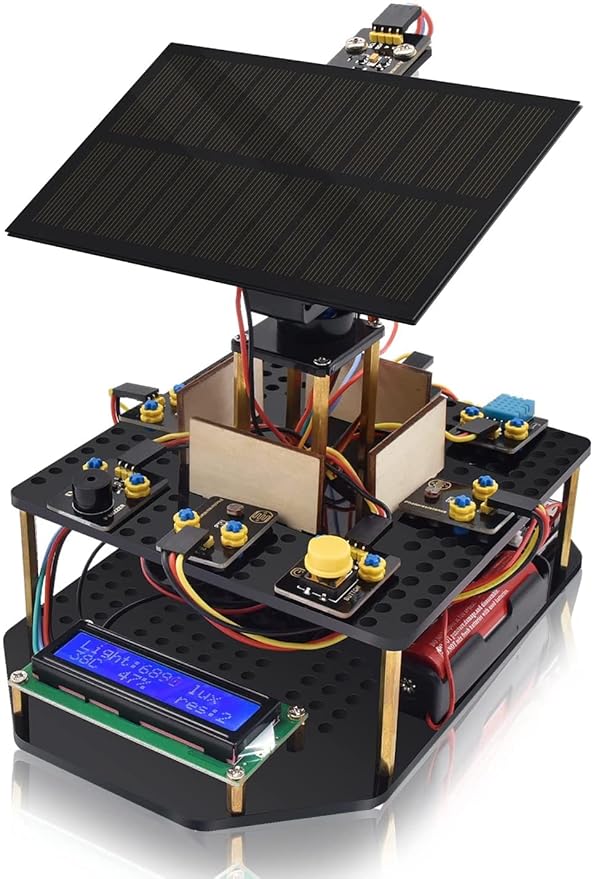
This kit is best treated as a full solar energy teaching board for older students who can handle electronics and programming. The solar panel, sensors, and tracking mechanism make it excellent for showing how panel orientation affects output. In real use, it clearly demonstrates efficiency gains, though the actual power generated is modest. Assembly takes time, and beginners may need guidance.
Verdict: Buy this for high school or adult learners studying solar optimization; skip it if you need fast, plug-and-play lessons.
Micro Solar Panels with Wire, 5PCS 5V 200mA Kit

These panels are ideal for building a custom diy solar energy teaching board from scratch. They’re powerful enough to drive small motors or charge capacitors, which helps students connect theory to results. The downside is that there’s no instructional structure included, so lessons depend on the teacher’s setup.
Verdict: Great for flexible classroom projects; not ideal if you want a guided learning kit.
Sntieecr Electric Circuit Motor Kit with Solar Panel

This is a simple entry point for younger students. It clearly shows how sunlight can power motion, which keeps attention high. However, it doesn’t go far beyond that basic concept, and measurements or comparisons are limited.
Verdict: Good for elementary-level demonstrations; not suitable for deeper solar energy lessons.
10Pcs 5V 30mA Mini Solar Panels
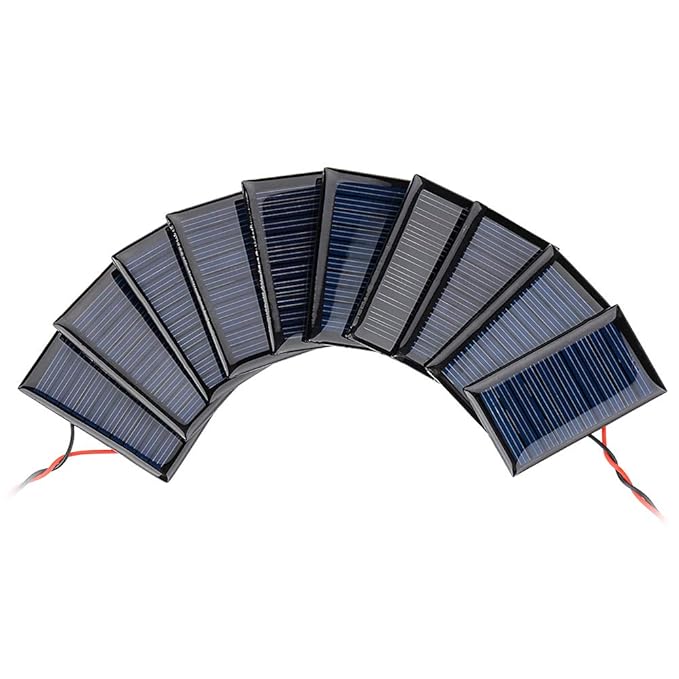
These tiny panels work well for group activities where each student builds a small section of a teaching board. Output is low, which actually helps illustrate why panel size matters. Indoors, performance can be underwhelming.
Verdict: Useful for concept teaching and scale comparison; avoid if you need visible power results.
SolarX V2 Sun-Tracking Solar Panel Board DIY Kit

SolarX V2 blends solar principles with coding. It shows how automated tracking improves energy capture, but the solar side sometimes feels secondary to the programming. It’s engaging, but not purely focused on solar fundamentals.
Verdict: Best for STEM programs mixing coding and renewable energy; less ideal for solar-only instruction.
3Pcs Mini Solar Panel DC 6V Polysilicon Kit

These panels are solid for wiring and voltage lessons. They’re large enough to show measurable differences in light conditions, though results vary depending on placement and light source.
Verdict: A practical add-on for teaching circuits and voltage; not a complete teaching board by itself.
SUNYIMA 10pcs Mini Monocrystalline Solar Cells

This kit works best for advanced demonstrations on cell efficiency and series vs parallel wiring. The cells are fragile, which reinforces careful handling but may slow lessons.
Verdict: Buy for detailed solar cell education; skip for younger classrooms.
FlexSolar 6W Mini USB Solar Panel

This panel shines when demonstrating real-world solar output. It can actually power small devices, which makes lessons feel practical. It’s less of a build-it-yourself board, though.
Verdict: Ideal for showing what small solar systems can realistically do; not meant for component-level teaching.
Bigger Lessons Don’t Always Need Bigger Panels
Many buyers assume higher wattage automatically makes a better teaching board. In practice, smaller panels often teach more because changes in angle, shading, and wiring are easier to observe.
Final Takeaway,
Choosing the right diy solar energy teaching board depends on your teaching goal. For structured learning, complete kits save time. For flexibility, loose panels encourage experimentation. Younger students benefit from simplicity, while older learners gain more from modular systems. Match the kit to the lesson, not just the specs.