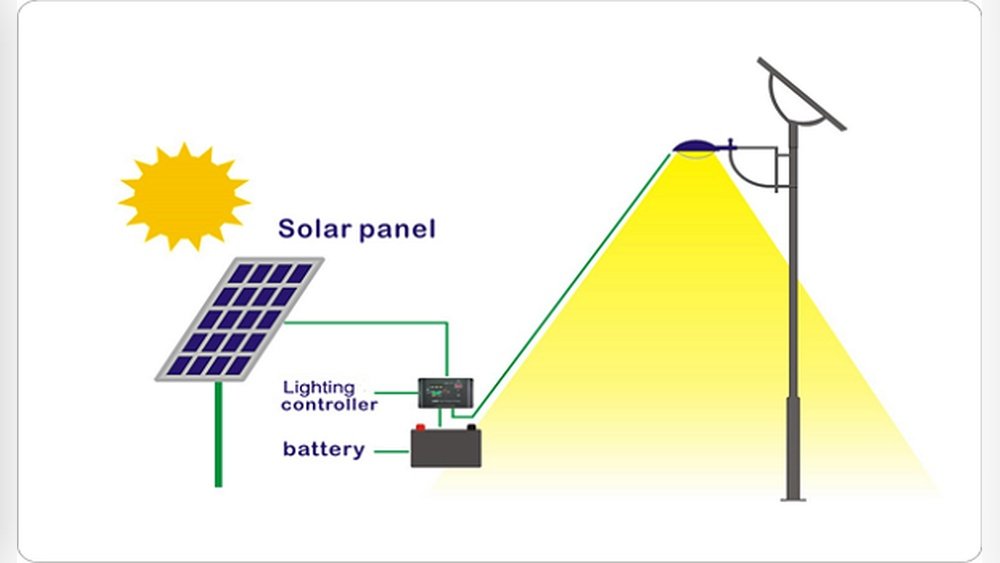

If severe weather hits, your phone may not be enough. A reliable solar radio with NOAA alerts keeps critical warnings coming even when power, internet, and cellular service fail.
Why the Best Solar Radio With NOAA Alerts Matters
The right model should do three things well: receive NOAA alerts clearly, stay powered through multiple backup options, and remain simple to use under stress. Battery size, charging methods, and alert volume matter more than cosmetic features.
Below is a clear breakdown of real-world options that prioritize emergency readiness, not gimmicks, so you can choose what actually works when conditions are bad.
Best Solar Radio With NOAA Alerts
| Radio | Battery Capacity | Power Options | Radio Bands | Notable Limitation |
| Crank Emergency Radio 5000mAh (Red) | 5000mAh | Solar, crank, USB | AM/FM/NOAA | Smaller battery for phone charging |
| 74000mWh Emergency Radio (Pink) | 74000mWh | Solar, crank, USB | SW/AM/FM/NOAA | Large and heavy |
| Mini Hand Crank Solar NOAA Radio | 2000mAh | Solar, crank, USB | AM/FM/NOAA | Limited battery life |
| PRUNUS J-366 Winter Storm Radio | 7400mWh | Solar, crank, USB-C, AAA | AM/FM/NOAA | Lower phone charging output |
| Emergency Radio 20000mAh (Green) | 20000mAh | Solar, crank, USB | AM/FM/NOAA | Bulky for backpacks |
| Emergency Radio 12000mAh Shortwave | 12000mAh | Solar, crank, USB-C | AM/FM/SW/NOAA | Shortwave tuning takes patience |
| Emergency Radio 5000mAh Shortwave | 5000mAh | Solar, crank, USB | AM/FM/SW/NOAA | Average speaker volume |
Crank Emergency Radio 5000mAh (Red)

This radio is best for basic household emergency coverage without overthinking things. NOAA alerts come through clearly, and the controls are straightforward enough to use in the dark. The 5000mAh battery can top off a phone in a pinch, but it’s not meant for repeated full charges. Solar charging works best as a backup, not a primary power source. Its compact size makes it easy to store, though the flashlight is functional rather than powerful.
Verdict: A solid pick for home emergencies, but not ideal if extended phone charging is a priority.
74000mWh Emergency Radio (Pink)

This model focuses on endurance. The massive battery provides long radio runtime and multiple phone charges, which is valuable during prolonged outages. NOAA alerts are loud and hard to miss, even in noisy conditions. The downside is size—it’s heavier than most options and not something you’ll want to carry far. Solar charging is helpful but slow due to battery capacity.
Verdict: Best for staying put during long emergencies, not for lightweight travel kits.
Mini Hand Crank Solar NOAA Radio

This compact radio is built for portability. It delivers NOAA alerts reliably and fits easily into a glove box or small go-bag. The 2000mAh battery limits phone charging, and the speaker isn’t designed for large rooms. It shines as a radio-first device rather than a power bank.
Verdict: Buy it for compact emergency listening; skip it if you need charging capacity.
PRUNUS J-366 Winter Storm-Ready Emergency Radio

This radio is built with redundancy in mind. Five power options mean it stays usable even when rechargeable options fail. NOAA alerts are dependable, and AAA battery support adds peace of mind for winter storms. Phone charging works, but slowly. The design favors preparedness over convenience.
Verdict: Ideal for cold-weather and backup-focused buyers, less appealing for daily use.
Emergency Radio 20000mAh (Green) with NOAA Alert
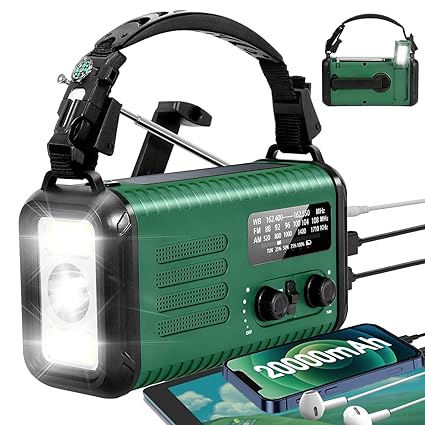
This option balances power capacity and alert reliability. NOAA alerts are clear, and the battery supports several device charges. It’s larger than minimalist radios, but still manageable for camping or storm prep. Solar charging works best when supplemented with crank or USB input.
Verdict: A good middle ground for families who want power and alerts in one device.
Emergency Solar Powered Radio 12000mAh Shortwave
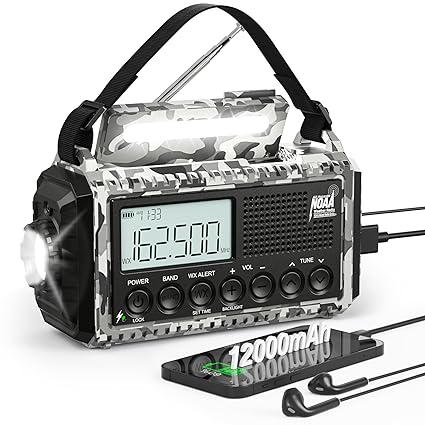
This radio adds shortwave reception for broader listening beyond NOAA alerts. Battery capacity supports extended use, and USB-C charging is convenient. Shortwave tuning takes time, especially for beginners, but NOAA alerts remain the main strength.
Verdict: Best for users who want extra radio bands alongside emergency alerts.
Emergency NOAA Alerts Solar Radio 5000mAh Shortwave
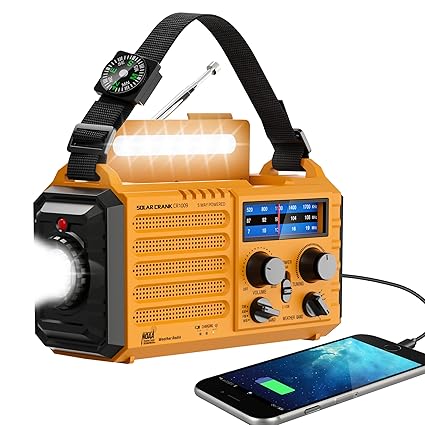
This radio blends portability with extra band coverage. NOAA alerts work as expected, and the shortwave option adds versatility. Battery size limits long charging sessions, and speaker volume is average indoors.
Verdict: A flexible option for radio listeners who don’t need large battery reserves.
Solar Panels Aren’t Fast Chargers
Built-in solar panels are meant to maintain power, not quickly recharge large batteries. Hand crank and USB charging do most of the real work during emergencies.
The best solar radio with NOAA alerts depends on how long you expect to be without power and how much you rely on phone charging. Compact radios work well for short disruptions and portability.
Larger battery models make more sense for extended outages at home. Focus on alert reliability, power redundancy, and ease of use—those features matter most when conditions are unpredictable.