
When the power dips, your internet shouldn’t. A mini UPS (Uninterruptible Power Supply) acts as a bridge, keeping your router humming so you stay connected. Most of these units are plug-and-play, sitting between your wall outlet and your gear. We’ve rounded up the top picks based on juice capacity, voltage versatility, and overall reliability. Whether you just need 30 minutes to save your work or 4 hours to finish a movie, there’s a unit here for your setup.
Top Rated Battery Backup For WiFi Router
| Battery | Battery Capacity | Output Voltage | Best For | Standout Perk |
| HQRP Mini | 5400mAh | 12V 2A | 12V Routers | Includes Charger |
| Fockety Mini | 2600mAh | 5V USB | Small Devices | Super Compact |
| Mini UPS 36W | No Battery | 5/9/12V | Custom Builds | High Wattage |
| Mini DC 18W | Internal | 5-24V + POE | POE Cameras | Multi-Voltage |
| WiFi Monitor | 4000mAh | 5V 2A | 5V Gadgets | CE Approved |
| Mini DC 36W | No Battery | 5/9/12V | Multi-Device | Budget Friendly |
| Pecron D77 | 76.96Wh | 5/9/12V + POE | Long Outages | Massive Capacity |
Stay Online With The Best Battery Backup For WiFi Router
Finding the right backup isn’t just about the biggest battery; it’s about matching the voltage of your gear. If you hook up a 12V router to a 5V backup, you’re going to have a bad time. These units ensure your “work from home” status stays green even when the lights flicker.
HQRP 12V 5400mAh Power House
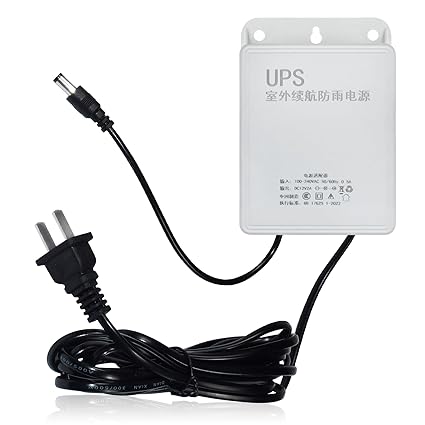
This HQRP unit is a “set it and forget it” beast for standard 12V setups. It packs enough moxie to keep a typical modem running for several hours. Since it comes with the charger included, you don’t have to scavenge through your junk drawer to find a matching brick. It’s a solid, heavy-duty choice for anyone running a DVR or a beefy router.
The Upside & The Catch
Pros:
- High 5400mAh capacity for extended runtime
- Dedicated 12V 2A output handles power-hungry routers
- Includes the AC adapter so it’s ready out of the box
Cons:
- Limited to 12V devices only
- Bulkier than some pocket-sized competitors
Grab this if you have a standard 12V router and want zero-hassle installation. Skip it if your gear runs on 5V or USB power.
Fockety 5V Pocket Backup
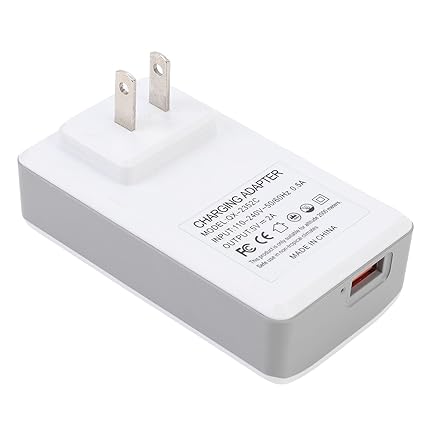
The Fockety is the “lil’ kicker” of the group. It’s designed specifically for 5V devices and uses a standard USB output. It’s perfect for smaller smart home hubs or basic modems that don’t need a massive power draw. Because it uses a US plug directly, it keeps your cable management clean without extra bricks dangling.
Highs & Lows
Pros:
- Extremely portable and space-saving design
- Standard USB 2A output for versatile charging
- Simple US plug integration
Cons:
- 2600mAh is relatively low for long blackouts
- Won’t work with 9V or 12V equipment
This is the one for your bedside smart clock or a basic 5V travel router. If you’re trying to power a whole mesh system, look elsewhere.
Mini UPS 36W Multi-Voltage DIY Battery Backup for Router

This 36W unit is a versatile “swiss army knife” for techies. It offers 5V, 9V, and 12V outputs, making it compatible with almost any consumer networking gear. Note that this specific listing is for the control unit, allowing you to manage high-wattage throughput for multiple devices simultaneously without breaking a sweat.
Perks & Pitfalls
Pros:
- Supports three different voltage outputs
- High 36W ceiling for multiple devices
- Great for CCTV and DVR setups
Cons:
- Does not include the internal battery cells
- Requires some technical know-how to set up
Perfect for the DIYer who wants to customize their backup capacity. If you want something that works the second you open the box, this isn’t it.
Multi-Output 18W POE Specialist Battery Backup Power Supply for Router
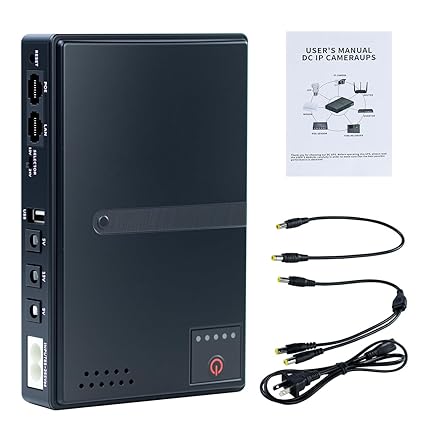
This is the ultimate “fixer” for security setups. Not only does it handle the standard DC voltages, but it also features 15V and 24V POE (Power over Ethernet) ports. If you have a security camera or a Raspberry Pi that needs juice (But you can use it for Router Backup without any hassle), this unit bridges the gap effortlessly. It’s a compact powerhouse that cleans up your rack.
Wins & Worries
Pros:
- Rare POE support for cameras and antennas
- Wide range of voltage options (5V to 24V)
- Intelligent circuit protection prevents overcharging
Cons:
- 18W limit means you shouldn’t overload all ports at once
- Case can get warm under full load
Buy this if you have a POE camera or a specialized networking bridge. It’s the best value for advanced users.
WiFi Monitor 5V 4000mAh Backup

If you have a 5V router or a LED strip that needs to stay lit, this 4000mAh unit is a solid mid-range pick. It strikes a good balance between size and runtime. It’s CE approved, which provides some peace of mind regarding the battery chemistry and safety. Just keep in mind it’s a “bring your own adapter” situation.
Strengths & Shortcomings
Pros:
- Respectable 4000mAh capacity for its size
- Reliable 5V 2A steady output
- Safety certified (CE Approval)
Cons:
- AC adapter is not included
- Strictly for 5V devices
This is a great replacement unit if you already have a 5V power brick but need the battery backup. If you need 12V, keep scrolling.
Mini DC 36W Base Unit
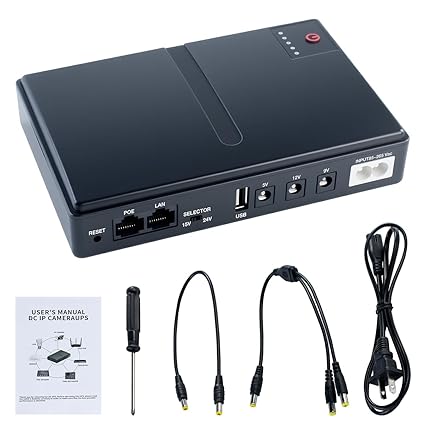
Similar to the other 36W model, this unit is designed for those who need high power delivery across multiple voltages. It’s a “beater” that can take the workload of a router and a camera at the same time. It’s a bare-bones solution meant to be integrated into a larger power strategy.
Good & Bad
Pros:
- High 36W power delivery
- Supports 5V, 9V, and 12V gear
- Very affordable entry point
Cons:
- No battery included in this specific package
- Requires external power source to function
Pick this up if you’re building a custom enclosure or have spare batteries ready to go. It’s the cheapest way to get high-wattage DC backup.
Pecron D77 Ultra-Capacity UPS
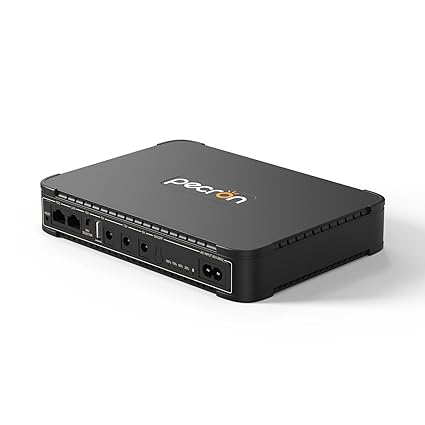
The Pecron D77 is the “big dog” on this list. With a massive 76.96Wh capacity, this isn’t just a flicker-protector; it’s a marathon runner. It features POE, DC, and USB ports, allowing you to charge your phone while keeping the internet alive for hours. If you live in an area with frequent, long-lasting outages, this is the gold standard.
The Best & The Worst
Pros:
- Massive 76.96Wh capacity (highest on list)
- Supports POE, 5V, 9V, and 12V simultaneously
- Professional build quality and clear indicators
Cons:
- Significantly more expensive than mini units
- Larger footprint on your desk
If you work from home and can’t afford a single minute of downtime, buy the Pecron. It’s the most reliable “insurance policy” for your connectivity.
Smart Moves Before You Buy a Battery Backup System for Your Router
- Check the Sticker: Look at the back of your router. If it says 12V 1.5A, ensure your UPS supports at least 12V and matches or exceeds that Amperage.
- Count Your Plugs: If you have a separate modem and router, look for a UPS with two DC outputs or a high wattage rating so you can use a splitter.
- Total the Watts: Add up the power draw of all connected devices to ensure you don’t exceed the UPS rating (e.g., 18W or 36W).
Avoid the “Zombie Battery” trap: Many cheap backups will die if left plugged in for years without use. Every six months, unplug the UPS from the wall and let it run your router for 10 minutes to exercise the cells.