
Stop scrolling through endless listings. If you want to get your kid off the tablet and into the stars, you need a book that balances “cool” with “correct.” Whether you have a toddler who just likes round shapes or a grade-schooler ready to school you on the Kuiper Belt, these six picks cover the spectrum. I have listed to help you grab the right book. So let’s with me –
Best Books on the Solar System For Kids
| Book Title | Best For | Format | Key Vibe | Unique Feature |
| My First Book of Planets | Ages 3-5 | Paperback | Beginner Facts | High-res NASA photos |
| I Am the Solar System | Ages 4-8 | Hardcover | First-Person Story | Covers the Heliosphere |
| Hello, World! | Babies/Toddlers | Board Book | Simple Shapes | Sturdy for “chewers” |
| 8 Little Planets | Toddlers | Board Book | Rhythmic/Fun | Fun planet cutouts |
| STEM Space Adventure | Ages 5-9 | Paperback | Deep Dive | 20+ Activity ideas |
| Our Solar System! | Ages 4-8 | Hardcover | Witty/Graphic | Character-driven art |
Master The Galaxy With The Best Books On The Solar System For Kids
Choosing the right book means matching the content to your kid’s attention span. From bite-sized board books for the littlest astronauts to deep-dive STEM guides for your resident “know-it-all,” these selections make complex space science digestible and fun.
My First Book of Planets
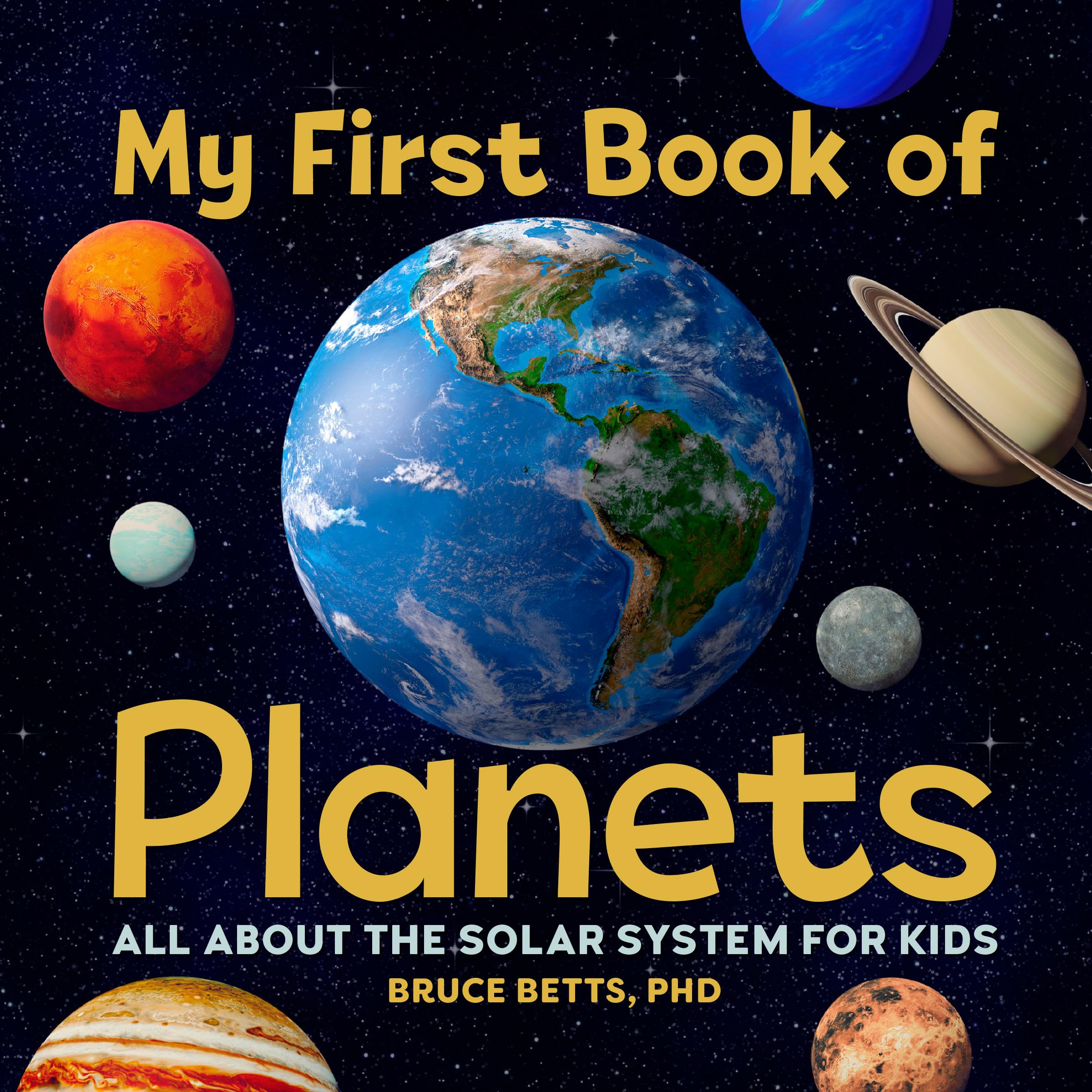
This is the ultimate starter pack for a tiny space cadet. It uses actual photos from NASA, so your kid isn’t looking at “cartoons” but the real deal. It’s written in a way that won’t make your brain melt during the fifth bedtime read-through.
The book focuses on the “Big Eight” and the Sun with bright, full-page spreads. It includes “Can You Believe It?” blurbs that serve up fast facts perfect for a quick trivia sesh. It’s lightweight, making it easy to toss in a diaper bag for entertainment on the go.
Why It Rocks & What To Watch
Pros:
- Features vibrant, real-life space photography.
- Perfect balance of “big kid” facts and simple language.
- Includes a helpful glossary for early readers.
Cons:
- Might be too basic for kids over age 7.
- Softcover can get beat up by rougher kids.
Grab this if you want a solid, no-frills introduction that looks professional. It’s a total steal for the price.
I Am the Solar System
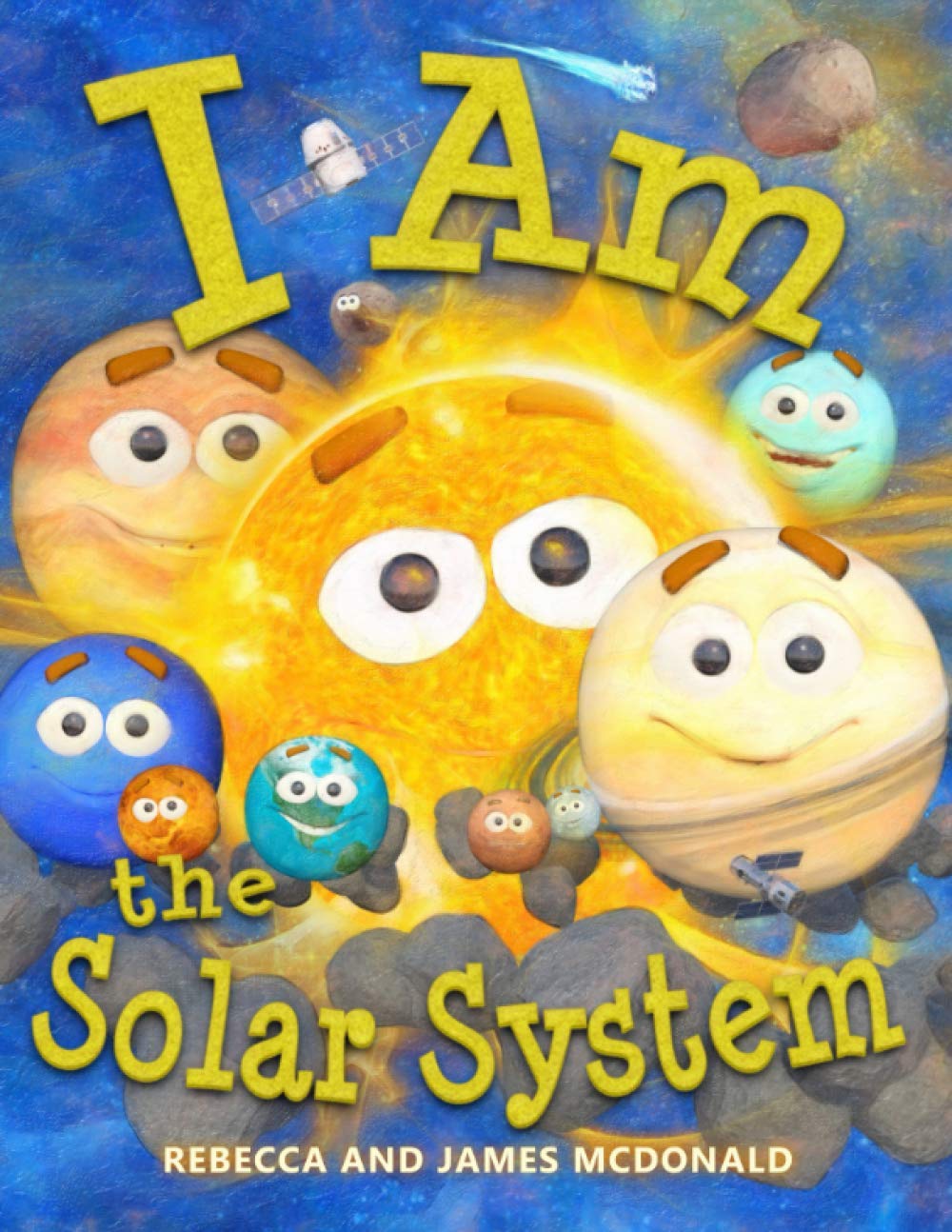
This one takes a more poetic approach, letting the solar system “speak” to the reader. It’s great for kids who prefer a story-driven narrative over a dry textbook style. It goes a bit further out than most, touching on the interstellar neighborhood.
The illustrations are whimsical but accurate enough to teach the basics. It covers the Sun’s role as the “boss” of the system and moves through the planets in order. It’s a great choice for a classroom read-aloud or a cozy night-time story.
Highs And Lows
Pros:
- Engaging first-person perspective keeps kids hooked.
- Covers more advanced concepts like the heliosphere.
- Beautiful, artistic illustrations.
Cons:
- Text is a bit wordier; not for the “ants in their pants” crowd.
If your kid asks “why” more than “what,” this book’s narrative flow will satisfy their curiosity better than a list of facts.
Hello, World! Solar System Book
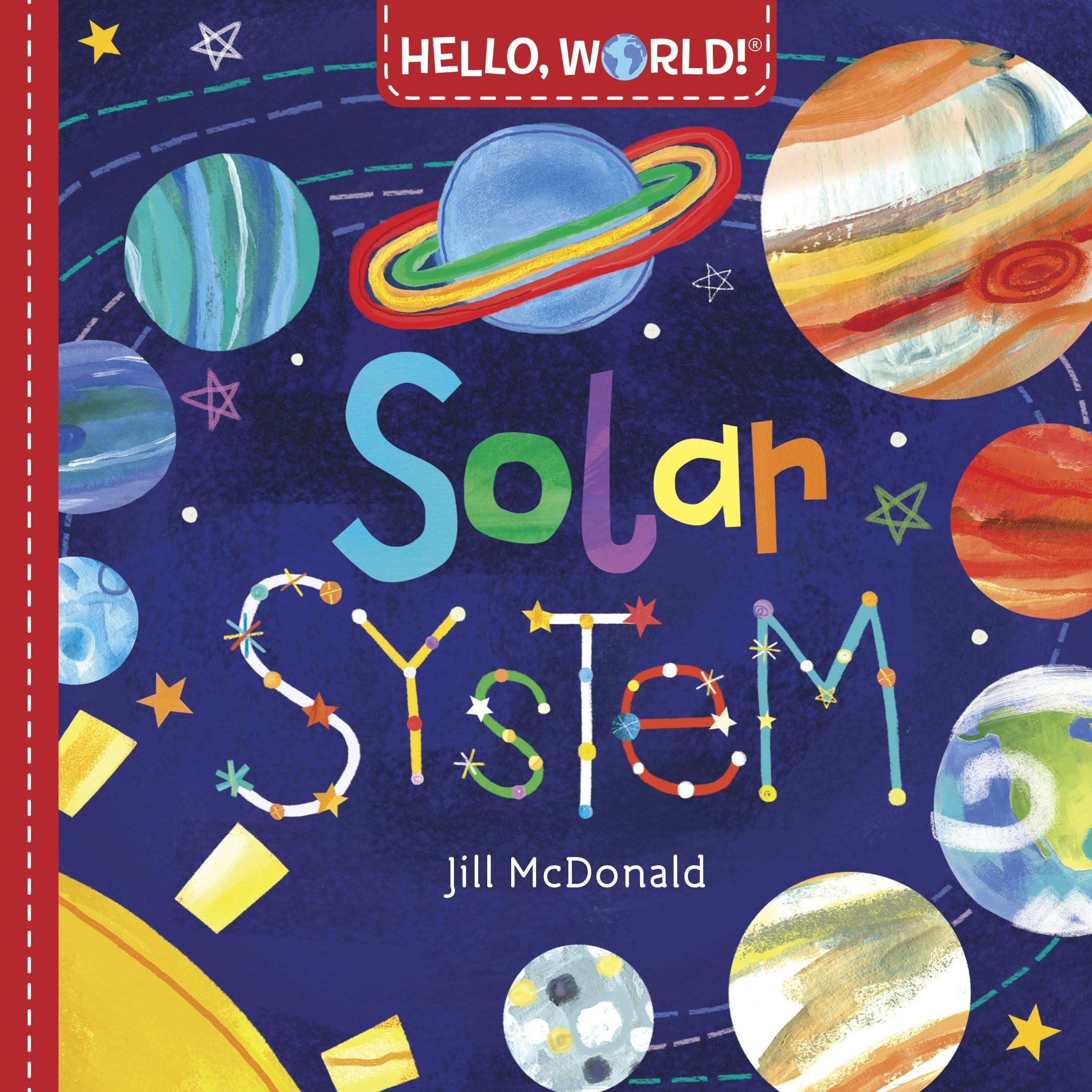
For the absolute “rugrats” in the house, this board book is the way to go. It’s designed to survive being dropped, chewed on, or sat on. The colors are punchy, and the text is minimal to keep those short attention spans focused.
It uses simple shapes and clear labels to identify the planets. The book also weaves in tiny bits of relatable info—like how cold or hot a planet is—using terms a two-year-old actually understands. It’s basically “Space 101” for the diaper crowd.
Wins And Bummers
Pros:
- Super durable board book construction.
- Bright, high-contrast colors attract baby’s eyes.
- Very affordable entry point.
Cons:
- Extremely short; you’ll finish it in 60 seconds.
- Science is very oversimplified.
Buy this for a baby shower or a first birthday. It’s the perfect “beater” book for a kid’s first library.
8 Little Planets
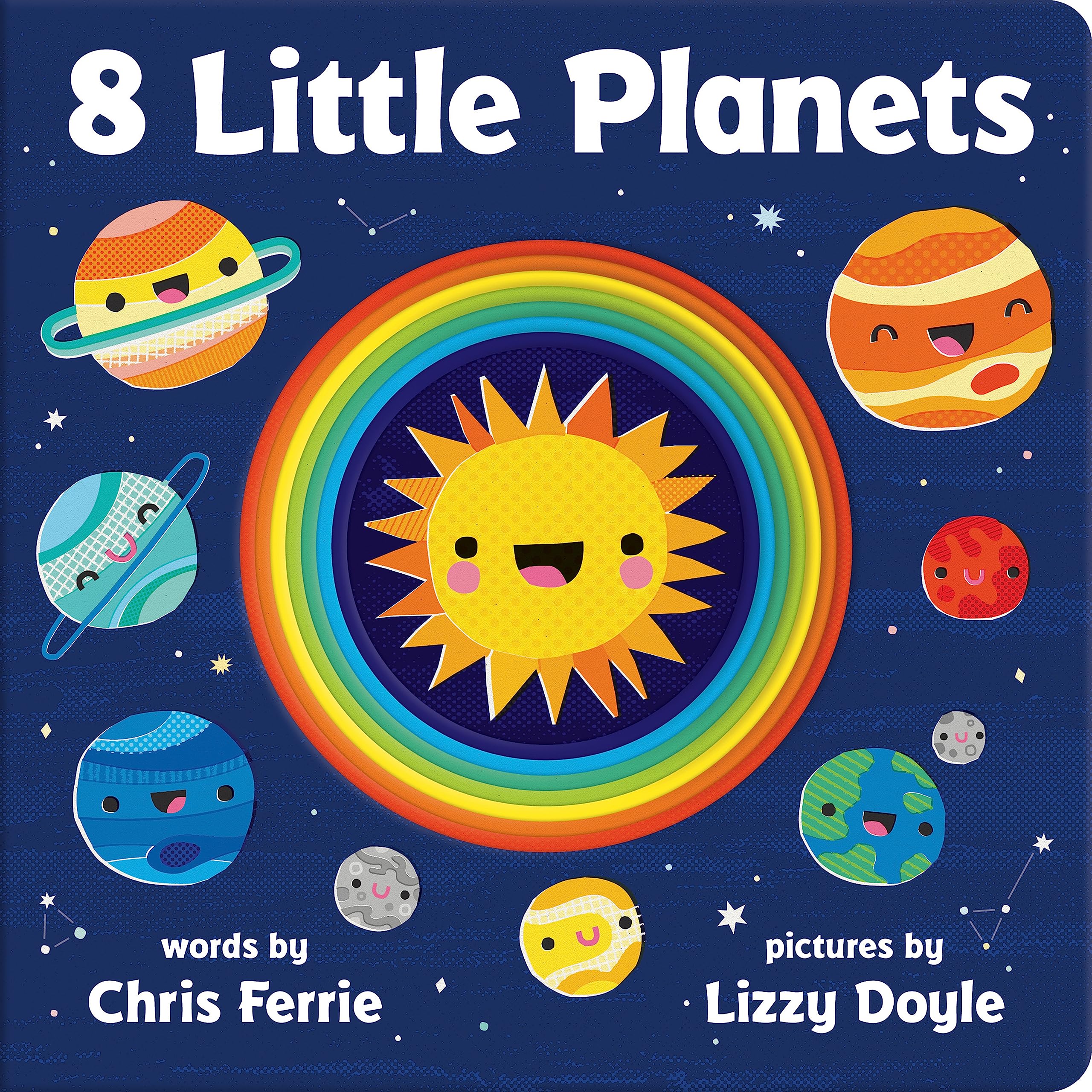
This book is a visual treat with a rhythmic “rhyme time” vibe. The coolest part is the physical design—it has cutouts that shrink as you turn the pages, giving a 3D feel to the solar system. It’s a “hands-on” experience without the mess.
The rhyming text makes it a “earworm” for kids, helping them memorize the planet order without even trying. Each planet gets a moment to shine, highlighting what makes it special (like Saturn’s rings or Mars’ red dust) in a cheery, upbeat tone.
The Good And The Bad
Pros:
- Interactive cutout design is a huge hit with toddlers.
- Catchy rhymes help with memory retention.
- Very sturdy and gift-worthy.
Cons:
- Focuses only on the 8 planets; skips the sun/moons mostly.
If you want a book that doubles as a toy, this is the winner. It’s the one they’ll pull off the shelf every single night.
Solar System for Kids: A STEM Adventure
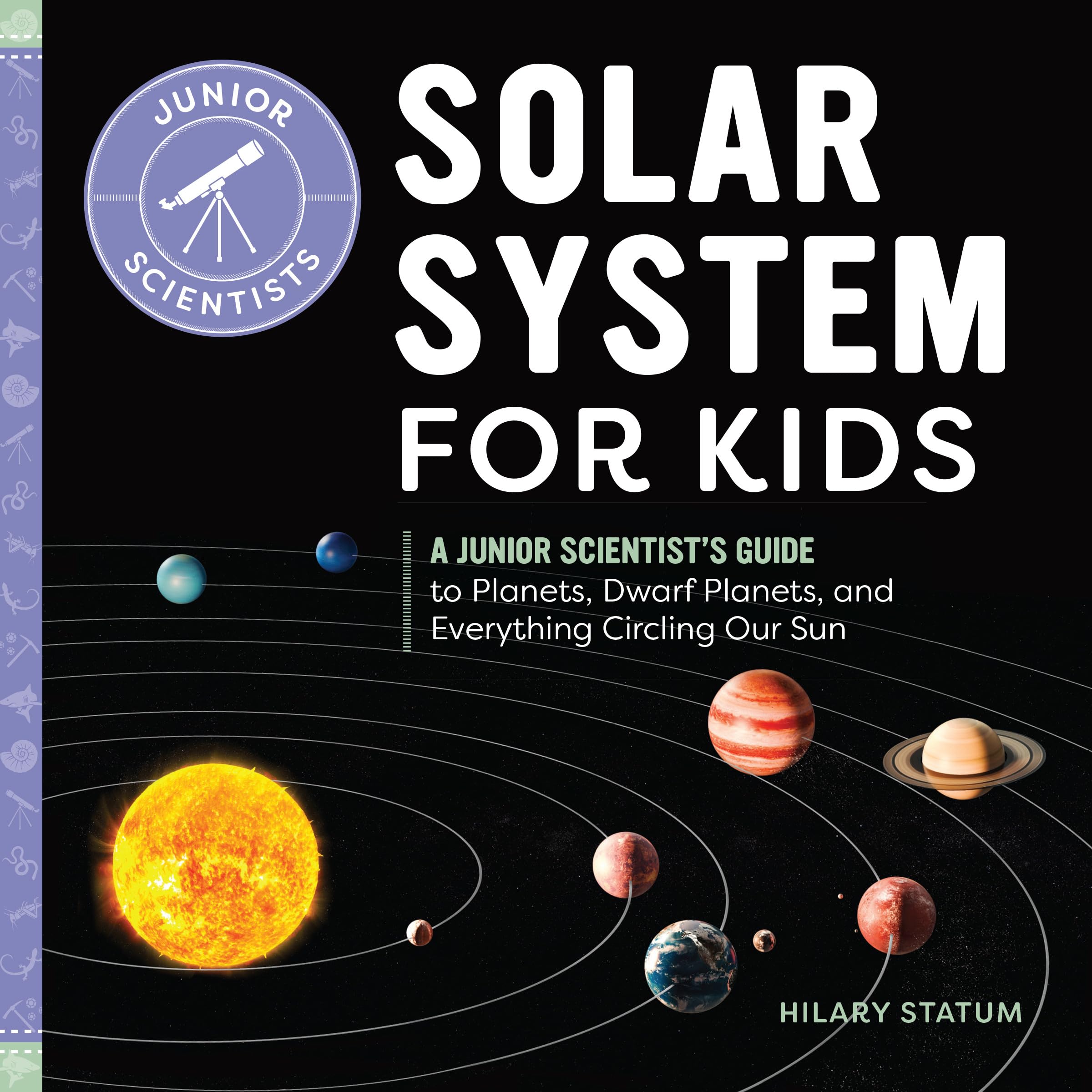
Got a little professor on your hands? This STEM-focused book is the “heavy hitter” of the group. It moves past simple names and colors to explain how things work, like gravity and orbits. It’s geared toward kids who are ready for a challenge.
It’s packed with colorful diagrams and “Space Scout” activities that encourage kids to think like real scientists. It covers the history of space exploration and even peeks into the future of where humans might go next.
Perks And Pitfalls
Pros:
- High educational value for grade-schoolers.
- Encourages critical thinking and STEM skills.
- Great for school reports or projects.
Cons:
- Might be intimidating for very young children.
- More text-heavy than the others.
This is the “pro-grade” pick. If your kid is obsessed with astronauts and rockets, this is the one that will keep them busy for hours.
Our Solar System! A Stellar Neighborhood

Part of a popular series, this book uses a “graphic novel” light style. It’s funny, quirky, and full of personality. The Sun is the narrator, and he’s got a bit of an ego, which makes for a hilarious read for both kids and parents.
The art is modern and bold, moving away from the “dusty old textbook” look. It’s great for reluctant readers who need a bit of humor and visual excitement to stay engaged with non-fiction topics.
The Upside And Downside
Pros:
- Genuinely funny writing that appeals to adults too.
- Modern, engaging art style.
- Makes “boring” facts feel like a comic book.
Cons:
- Humor might go over the heads of toddlers.
Perfect for the 5-to-8-year-old range. It’s the “cool” book on the shelf that makes science feel less like homework and more like a Saturday morning cartoon.
Smart Strategies Before Shopping Solar Planet Related Book
- Check the “Birth Date”: Space science moves fast. Ensure the book mentions Pluto as a dwarf planet (unless you’re feeling nostalgic for the 90s).
- Match the Material: If your kid still thinks books are snacks, stick to “Board Books.” If they can handle paper without ripping it, “Paperbacks” offer more detail.
- Diversity of Content: Look for books that include the “Moon” and “Sun,” not just the planets. A complete picture helps them understand the “neighborhood” better.
Avoid buying “Reference Encyclopedias” for kids under six. They look impressive on the shelf, but they are usually too heavy for a kid to hold and the walls of text will bore them before they reach Mars. Stick to picture-heavy “Intro” books for the early years.