
Choosing the right walking trekking pole matters more than most hikers expect. A poor fit can strain wrists, slip on descents, or feel awkward on long days. A good one adds balance, reduces joint stress, and stays reliable when terrain turns uneven.
This guide focuses on practical details that actually affect hiking comfort. Weight, grip feel, adjustability, and durability matter far more than flashy extras. Below is a grounded look at popular options and how they perform on real trails, not just on paper.
Best Walking Trekking Pole For Hiking
| Trekking Pole | Material | Weight Feel | Adjustability | Grip Type | Best For |
| Tactical Walking Stick Staff | Aluminum | Heavy | Fixed Length | Metal Handle | Urban walks, self defense use |
| Carbon Fiber Trekking Poles | Carbon Fiber | Very Light | Flip Lock | Cork and EVA | Long hikes, weight savings |
| TheFitLife Nordic Poles | Aluminum | Light | Quick Lock | EVA Foam | Budget friendly hiking |
| Trekology Trek Z Poles | Aluminum | Moderate | Folding Design | EVA Foam | Travel and packability |
| TrailBuddy Trekking Poles | Aluminum | Light | Telescopic | Cork | Casual to moderate hiking |
| Cascade Mountain Tech Poles | Aluminum | Light | Flip Lock | Extended EVA | Steep and varied terrain |
Tactical Walking Stick Staff Self Defense Stun Gun
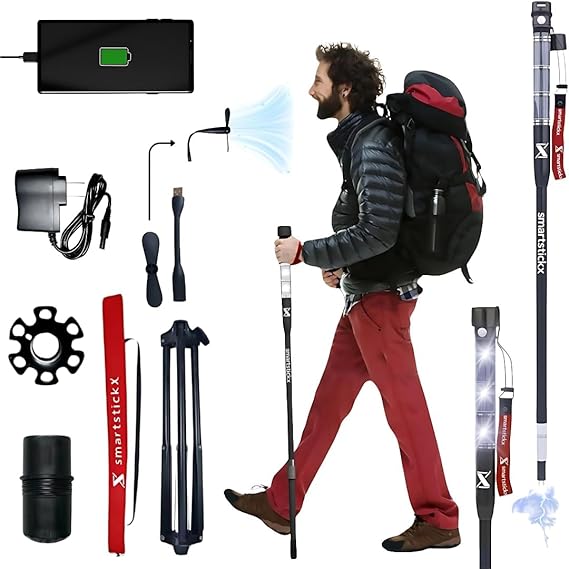
This is not a traditional trekking pole and it shows on the trail. It feels solid and extremely sturdy in hand, but the weight is noticeable after a short distance. The fixed length limits proper arm positioning on climbs and descents. Grip comfort is also lacking for longer hikes. It works better for short walks where security features matter more than hiking efficiency.
Verdict: Buy this for walking security or emergency use. Skip it if hiking comfort and balance are priorities.
100% Carbon Fiber Trekking Poles By USA Brand
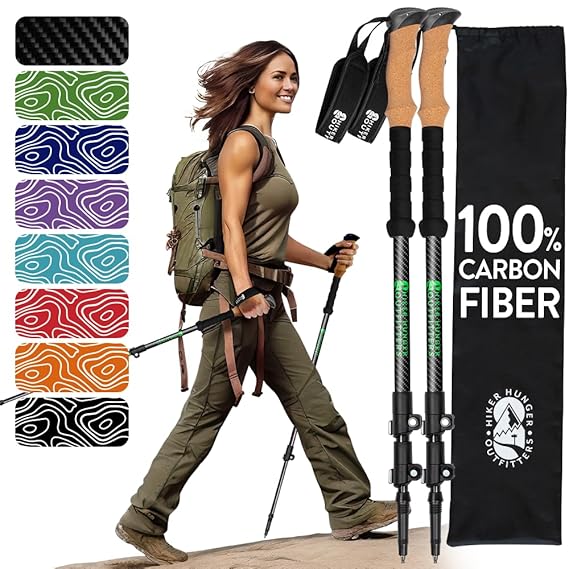
These poles shine on long hikes where weight savings matter. Carbon fiber keeps arm fatigue low, especially on steep terrain. The cork grip feels comfortable over time and manages sweat well. Flip locks hold firmly once dialed in. They do not handle abuse as well as aluminum if slammed into rocks.
Verdict: Ideal for distance hikers and backpackers. Not the best choice for rough scrambling or heavy load support.
TheFitLife Nordic Walking Trekking Poles
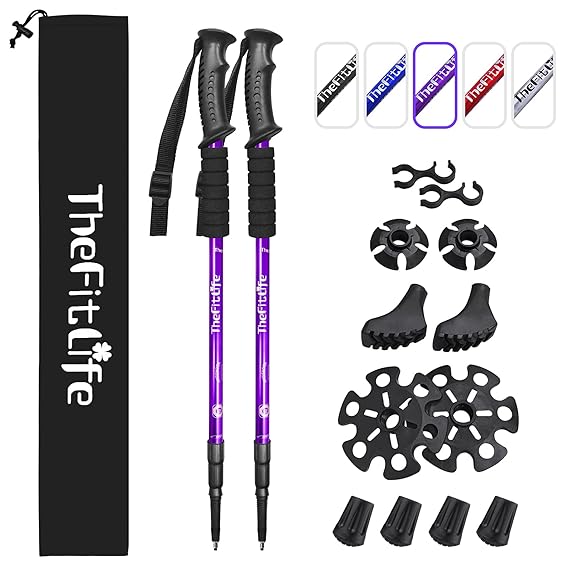
These deliver solid performance for everyday hiking. The anti shock system softens impact on descents, which helps sensitive joints. Adjustment is quick and holds well under normal use. The grips are comfortable but less breathable than cork on hot days. Durability is good but not exceptional.
Verdict: A smart pick for casual hikers who want comfort without spending extra. Serious backcountry users may want something tougher.
Trekology Trek Z Collapsible Hiking And Trekking Poles

Packability is the main strength here. These fold down small and fit easily in carry on bags or daypacks. On trail, they feel stable enough for moderate hiking. The shorter grip area limits hand position changes on steep slopes. They also feel slightly stiffer than telescopic poles.
Verdict: Great for travelers and occasional hikers. Skip them for long mountain days or technical terrain.
TrailBuddy Trekking Poles
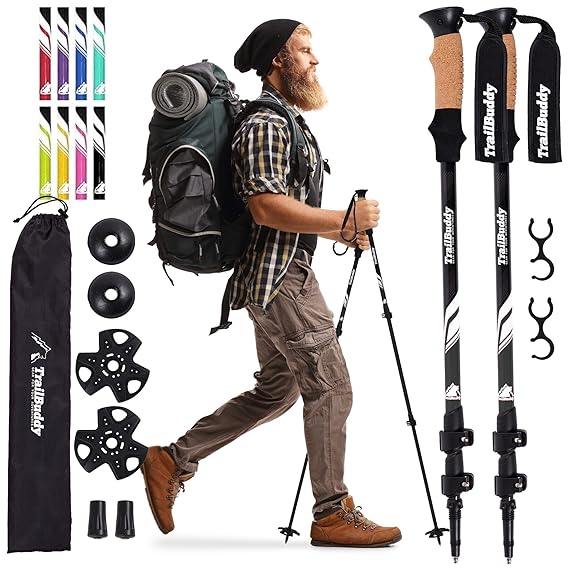
These poles strike a nice balance between weight and durability. The aluminum shaft handles repeated trail use without worry. Cork grips stay comfortable on long walks and reduce hand fatigue. They are slightly heavier than carbon options but feel dependable. Locking mechanisms work well when tightened properly.
Verdict: A dependable choice for most hikers. Not ideal for ultralight focused users.
Cascade Mountain Tech Lightweight Trekking Poles
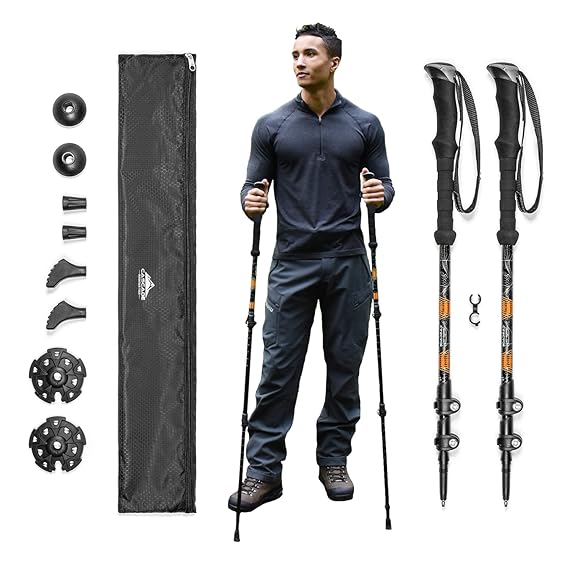
These poles perform well across mixed terrain. The extended down grip is useful on steep climbs without readjusting length. Weight stays manageable for full day hikes. Aluminum construction handles rough use better than carbon. The grips can feel firm without gloves on long days.
Verdict: Best for hikers tackling varied terrain. Less appealing for those wanting the lightest possible setup.
One Reality Most Buyers Miss
Pole length and grip comfort matter more than material alone. Even the lightest pole feels wrong if it forces poor posture or strains wrists.
However,
The best walking trekking pole for hiking depends on how and where it will be used. Long distance hikers benefit from lighter carbon options. Travelers value compact folding designs. Regular trail users often prefer aluminum for durability and confidence.
Focus on fit, grip feel, and adjustability first. A pole that feels natural in hand will always perform better than one chosen for specs alone.