
Can You Move Solar Panels From One House To Another
Ever thought about taking your solar panels with you when you move? Maybe you invested a lot in your solar system and wonder, “Can I keep my clean energy, or do I have to leave it behind? ” You’re not alone—many homeowners face this question.
Let’s break down what’s really possible, what’s tricky, and what you need to know before making a big decision.
The Short Answer
Yes, you can move solar panels from one house to another, but it’s rarely simple. Moving solar panels is technically possible, but it’s not always practical or cost-effective. The process involves much more than just unscrewing panels and installing them somewhere new. There are technical, legal, and financial factors to consider. In many cases, you might actually lose money or face unexpected problems. Let’s look closely at why.
Why People Consider Moving Solar Panels
There are good reasons people think about relocating their solar panels:
- Big investment: Solar systems can cost $15,000–$25,000 or more. Owners want to protect that investment.
- New home, same values: Many want to keep living sustainably and save on energy bills.
- Market value confusion: Homeowners sometimes worry their panels won’t add enough value to the old house.
- Long-term contracts: Some solar systems are leased, creating questions about what happens if you move.
But before deciding, it’s important to understand what’s really involved.
What’s Involved In Moving Solar Panels
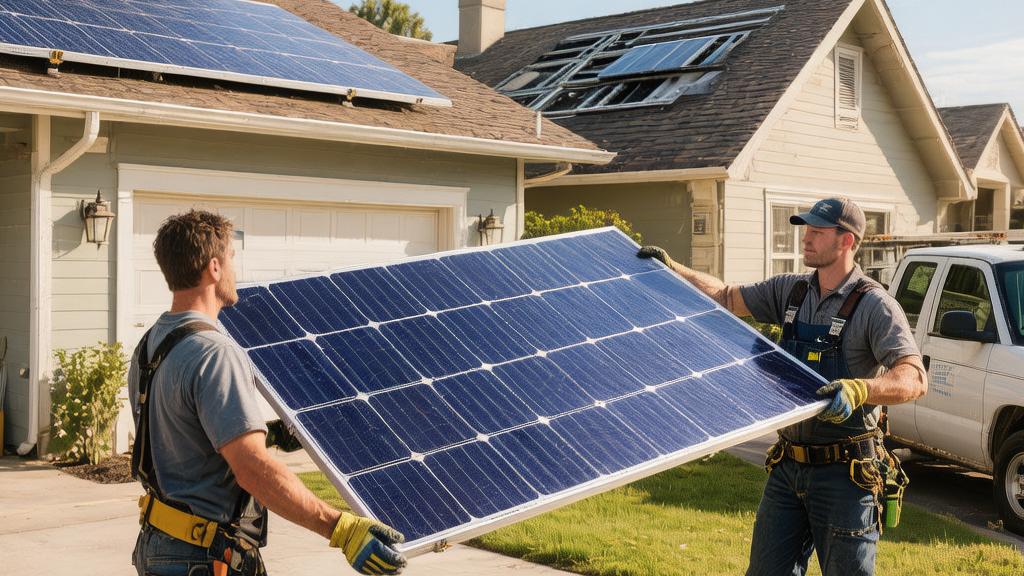
Taking solar panels from one home to another isn’t just a moving job. The process involves several steps:
- System assessment: Check if your panels and system are in good enough condition to move.
- Permitting: You’ll likely need new permits for removal and reinstallation—rules vary by location.
- Uninstallation: Qualified professionals must safely disconnect and remove the panels, wiring, inverter, and mounting hardware.
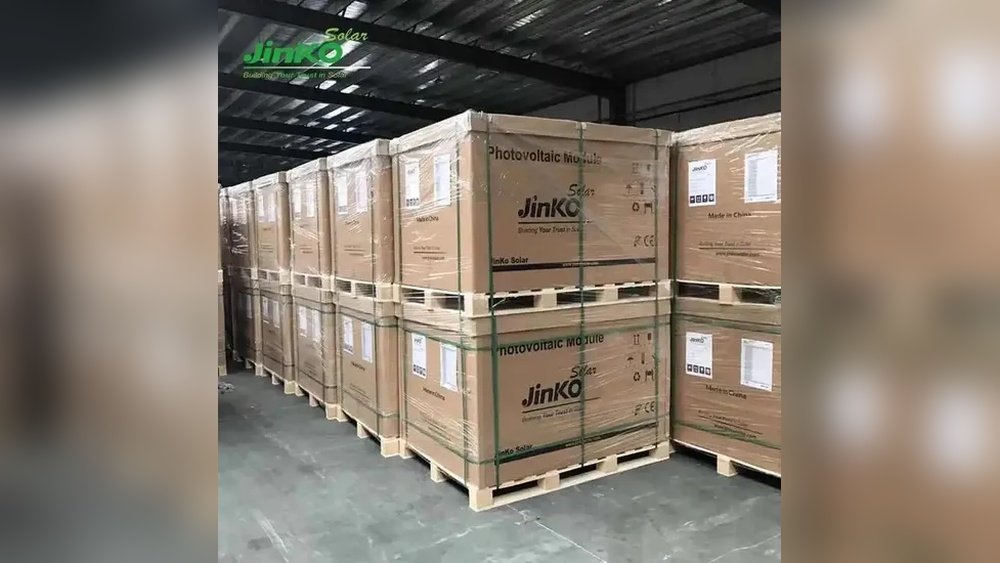
- Transport: Panels must be carefully packed and moved—solar glass is fragile.
- New site evaluation: Your new roof must be suitable (angle, size, strength, sunlight exposure).
- Reinstallation: Certified installers must set up the system again, following building codes.
- Inspection and connection: The local utility and authorities will inspect before you can reconnect to the grid.
This means the cost and complexity can be surprisingly high—sometimes higher than expected.
Costs Of Moving Solar Panels
The real cost of moving solar panels includes more than just labor. Let’s compare typical expenses:
| Task | Estimated Cost | Comments |
|---|---|---|
| Uninstallation | $1,000–$2,000 | Labor, safety, taking panels off roof |
| Transport | $500–$1,000 | Packing, shipping (local move) |
| Roof repairs (old house) | $500–$2,000 | Fixing holes, leaks, shingles |
| Permits/inspections (new house) | $500–$1,500 | Varies by city/state |
| Reinstallation | $2,000–$5,000 | Labor, new wiring, mounting |
| Total (typical) | $4,500–$11,500 | Not counting unexpected repairs |
You can see that moving a typical solar panel system can cost as much as buying a new one—especially if your panels are older or need repairs.
Credit: en.tongwei.cn
Will Your Panels Work At The New House?
Just because you can physically move your panels doesn’t mean they’ll perform well in a new location. Here’s why:
- Roof compatibility: The new house may have a different roof shape, size, or material. Some roofs (like slate or clay tile) are much harder to work with.
- Sun exposure: If your old house had perfect sunlight and the new one doesn’t, your panels will produce less power.
- Age of panels: Solar panels lose efficiency over time (about 0.5% per year). If your panels are 10+ years old, it may not be worth reinstalling them.
- Local regulations: Building codes and utility company rules differ. Your old equipment might not meet new standards.
In some cases, it’s actually impossible to reinstall panels if the new roof isn’t strong enough or there isn’t enough sunlight.
Warranty And Insurance Issues
Moving your solar panels can affect your warranties and insurance coverage. Here’s what to watch out for:
- Manufacturer’s warranty: Most panel warranties (often 20–25 years) only cover defects if the panels are professionally installed. Moving them may void the warranty.
- Installer’s warranty: Workmanship warranties are usually only valid at the original installation address.
- Insurance coverage: Homeowners insurance might not cover damage during removal, transport, or reinstallation unless you tell them in advance.
If you’re leasing your system, you may not be allowed to move the panels at all. Always check your contract first.
Is It Worth Moving Old Solar Panels?
Many homeowners overlook one key detail: solar technology improves quickly. If your panels are more than 8–10 years old, they are probably far less efficient than new models. Today’s solar panels can generate more power from the same roof space. Moving old panels might mean you pay high labor costs to reinstall less effective equipment.
Here’s a simple comparison:
| Panel Age | Typical Efficiency | Warranty Remaining | Resale Value |
|---|---|---|---|
| 1–5 years | 18–22% | 15–24 years | High |
| 6–10 years | 15–18% | 10–14 years | Medium |
| 10+ years | 12–16% | 0–9 years | Low |
If your system is older, you may be better off selling your home with the panels and installing a new system at your new place.
What Happens To Solar Agreements When You Move?
If you financed your panels with a loan, lease, or Power Purchase Agreement (PPA), you may have extra steps:
- Loans: You can usually pay off the loan or transfer it to the new owner (if they agree).
- Leases/PPA: Most contracts do not let you move the panels to a new home. Instead, you have to transfer the agreement to the buyer or pay a hefty fee to remove the system.
- Tax credits: Federal and state tax credits are linked to the property, not the panels. You can’t claim them again if you reinstall the same panels at your new house.
Always talk to your solar provider before making any decisions.
Credit: www.solarreviews.com
Does Solar Increase Home Value? Should You Leave Panels Behind?
Many homeowners wonder if leaving their solar panels will help sell their home or raise the price. Research says yes—solar panels can boost home value, but only if the system is owned (not leased) and properly installed.
According to a study by the U.S. Department of Energy, homes with solar panels sell for about $15,000 more on average. Buyers like lower electric bills and the “green” image. However, the boost can be less if panels are old or leased.
Sometimes, the easiest path is to let the new owner enjoy the system and use the money to buy a fresh, more efficient system at your new home.
How To Decide: Move, Leave, Or Upgrade?
Here’s a step-by-step process to help you choose the best path:
- Check the age and condition: If your panels are less than 5 years old, moving them may make sense.
- Evaluate your new roof: Does it have enough space, sunlight, and strength?
- Get quotes: Ask installers for removal and reinstallation costs at both addresses.
- Understand contracts: Review your purchase, loan, or lease paperwork.
- Compare resale value: Talk to a real estate agent about selling with panels in place.
- Estimate new system prices: Get a quote for a brand new system at the new house.
- Consider the hassle factor: Moving panels means lots of paperwork, inspections, and possible repairs.
Often, the simplest and most cost-effective choice is to leave the panels and negotiate a higher sale price for your home.
Practical Tips For Moving Solar Panels
If you decide to move your panels, follow these steps to avoid common problems:
- Hire certified professionals: DIY removal is risky and can void warranties or cause injuries.
- Get everything in writing: Permits, insurance, and inspection records are essential.
- Document panel condition: Take photos before removal to avoid disputes.
- Protect during transport: Use proper packing and insured shipping.
- Check code requirements: Local rules may be stricter than before.
- Inspect both roofs: Repair any damage at the old house, and check for leaks or weak spots at the new place.
- Coordinate timing: Make sure you can move in quickly—panels left outside can be stolen or damaged.
Common Mistakes To Avoid
Many homeowners make these errors when trying to move solar panels:
- Ignoring costs: Underestimating labor, permits, or unexpected repairs can lead to big bills.
- Skipping professional help: Amateur removal often causes broken panels, leaks, or electrical hazards.
- Not checking new site: If your new roof is shaded or too small, your panels may not work at all.
- Forgetting about contracts: Lease or loan agreements can make moving impossible or very expensive.
- Not updating insurance: Damage in transit may not be covered if you don’t tell your insurer.
Are There Alternatives To Moving Solar Panels?
Instead of moving your panels, consider these alternatives:
- Sell the house with panels: Boosts value and appeals to eco-friendly buyers.
- Sell panels separately: Some companies buy used panels (if in good condition), though resale value is low.
- Donate panels: Nonprofits or schools sometimes accept panels for community projects.
- Upgrade at new house: Install newer, more efficient panels and enjoy better performance and warranties.
If you choose not to move your panels, you may qualify for new tax incentives or rebates at your next home.
Real-life Example: What Homeowners Experience
Let’s look at a true-to-life scenario:
Maria installed a solar system in 2017 for $18,000. In 2024, she moved across the state. She asked for quotes to uninstall and reinstall her panels—total cost: $7,000. Her new home’s roof was smaller and shaded by trees, so her system would only produce 70% as much power. Her installer told her the warranty would be void after moving. After talking with a real estate agent, she learned her home would sell for $12,000 more with the panels left in place. Maria decided to leave the system, avoid the headache, and install new, more powerful panels at her new home.
This story is common. Many people expect moving their panels will be easy and cost-saving, but discover that leaving them is often the smarter financial choice.
How To Find The Right Professionals
If you’re set on moving your solar panels, choosing the right team is essential. Look for:
- NABCEP-certified installers: The North American Board of Certified Energy Practitioners is the industry standard for solar.
- Experienced with removals: Not all installers have experience moving systems. Ask for references.
- Licensed and insured: Protects you from liability and ensures compliance with local codes.
- Clear, written quotes: Make sure all costs and steps are detailed in advance.
You can check installer credentials with resources like the Solar Energy Industries Association.
When Moving Solar Panels Makes Sense
While it’s rare, moving solar panels can be a good idea in specific cases:
- Panels are very new (less than 3 years old) and still under warranty.
- You own the system outright with no financing or lease complications.
- The new roof is perfect for solar, with lots of sun and space.
- The cost of moving is much lower than buying a new system.
- You’re emotionally attached to your panels, perhaps because they’re a unique or high-end brand.
Even then, get multiple quotes and review all the paperwork.
The Environmental Impact Of Moving Solar Panels
If you care about your carbon footprint, you may wonder: does moving solar panels help the planet? The answer depends. If you move panels to a new house where they will generate a lot of clean energy, that’s positive. But if old panels lose efficiency, break during the move, or are installed in a poor location, the benefit drops.
A non-obvious insight: solar recycling is growing. If your panels are near the end of life, recycling them is often more sustainable than reinstalling. Newer panels are more efficient, and your old ones can be reused or recycled instead of wasted.
Key Takeaways
- Moving solar panels is possible but rarely simple or cheap.
- Costs can be high—often 25–50% of a new system.
- Warranties and performance may suffer after a move.
- Leaving panels behind often increases your home’s value.
- Upgrading at your new home may be the smartest move financially and environmentally.
If you’re thinking about moving your solar panels, do a full cost-benefit analysis and consult professionals before making any big decisions.
Credit: www.allaroundmoving.com
Frequently Asked Questions
Can I Move Leased Solar Panels To A New House?
Usually, no. Most lease contracts require the panels to stay at the original address. You may be able to transfer the lease to the buyer, but moving leased panels is rarely allowed.
Do I Need New Permits To Reinstall My Panels?
Yes. Removing and reinstalling solar panels at a new address will require new building and electrical permits. Rules vary by city and state, so check with your local building department.
Will My Solar Panel Warranty Still Apply After Moving?
In most cases, moving your panels voids the installer’s workmanship warranty and may also affect the manufacturer’s warranty. Only professional, certified installers should handle removal and reinstallation.
Is It Better To Buy New Panels For My New House?
Often, yes—especially if your old panels are more than 8 years old or the new roof has better sunlight. Newer panels are more efficient, and you may qualify for new tax credits.
How Much Value Do Solar Panels Add To My House If I Leave Them?
According to studies, solar panels can add $10,000–$20,000 to a home’s value, depending on the system’s size, age, and ownership status. Owned panels increase value more than leased ones.
Moving solar panels is a big decision with many steps and hidden details. By understanding the real costs, risks, and options, you’ll be better prepared to choose what’s best for your home, wallet, and the planet.