
Many Texas homeowners wonder: “If I install solar panels, will my house be worth more?” Maybe you’ve seen neighbors put shiny panels on their roofs and heard stories about big returns, but you’re not sure if it’s really true. Or maybe you worry that buyers won’t care, or that the Texas sun makes panels common but not valuable. This confusion is real. You want to make a smart investment, not just jump on a trend. Let’s break down the facts together, so you know what’s smart for your home, your wallet, and your peace of mind.
Short Answer: Do Solar Panels Increase Home Value In Texas?
Yes, solar panels usually increase home value in Texas. Most buyers are willing to pay more for a home with solar energy. On average, homes with solar sell for 3%–4% more than similar homes without solar. But the exact amount depends on panel quality, local electricity prices, and how you finance the panels.
Let’s dig deeper to see why this happens, how much value you can expect, and what mistakes to avoid.
Why Do Solar Panels Add Value In Texas?
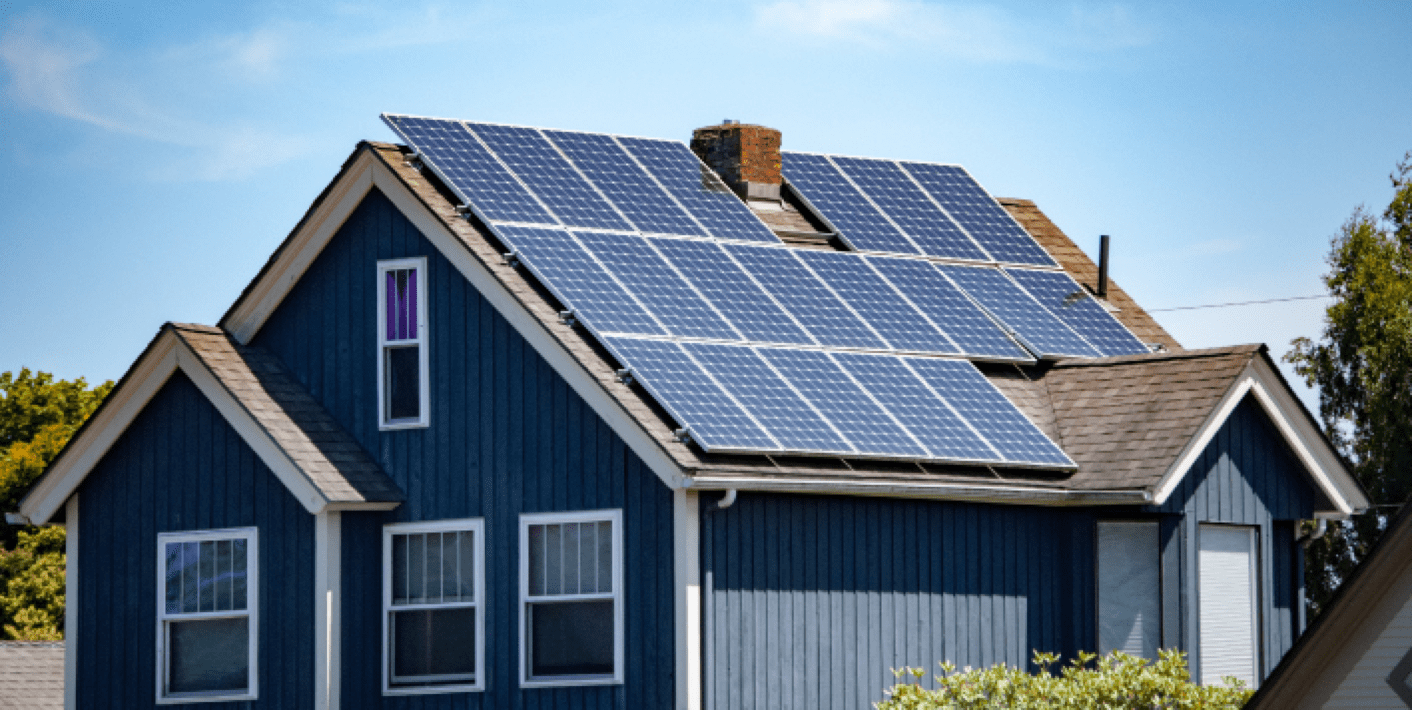
Texas has a lot of sun, high energy use, and fast-growing cities. This means solar panels offer real savings on electricity bills—something buyers can see and understand. Here are a few reasons buyers pay more:
- Monthly savings: Solar panels lower electric bills. In Texas, bills can be high due to air conditioning.
- Green living: Many buyers care about the environment and want to reduce their carbon footprint.
- Better resale: A solar home stands out in a crowded market, especially in sunny states like Texas.
The National Renewable Energy Laboratory (NREL) found that each $1 in annual electricity bill savings adds about $20 to a home’s value. In Texas, where energy use is high, this effect is even bigger.
How Much Value Do Solar Panels Add?
On average, Texas homes with solar panels sell for $10,000–$15,000 more than similar homes without solar. But this number can change based on:
- System size and quality
- Age and condition of the panels
- Local electricity prices
- Ownership (leased vs. owned)
- Curb appeal (how the panels look)
Here’s a simple example:
If your solar panels save you $1,000 per year on energy, your home value could increase by $20,000 ($1,000 x 20), using the NREL rule.
Real Texas Data
Zillow found that homes with solar panels sold for 4. 1% more on average. For a $300,000 home, that’s $12,300 extra.
Local realtors in Houston and Dallas report similar trends, especially in newer neighborhoods.
Owned Vs. Leased Panels: Big Impact On Value
Buyers prefer homes where the solar panels are owned, not leased. If you own your panels, you can include their value in the sale price. If you lease, buyers may be forced to take over your contract—which can scare some people away.
| Panel Type | Effect on Home Value | Buyer Appeal |
|---|---|---|
| Owned | Increases value | High |
| Leased | Mixed effect | Medium to low |
| PPA (Power Purchase Agreement) | Varies | Low |
Owned panels are a selling point. Leased panels often require more paperwork and buyer approval.
How Much Do Solar Panels Cost In Texas?
The average residential solar system in Texas costs $15,000–$25,000 before incentives. Prices depend on panel quality, installer, and roof size.
Federal tax credits and state/local rebates can cut this cost by 26% or more. This means a net cost of $11,000–$18,000 is common for a standard 6–8 kW system.
Here’s a quick comparison:
| System Size | Typical Cost (Before Incentives) | Typical Cost (After Incentives) |
|---|---|---|
| 4 kW | $10,000–$13,000 | $7,400–$9,600 |
| 6 kW | $14,000–$19,000 | $10,400–$14,060 |
| 8 kW | $18,000–$24,000 | $13,320–$17,760 |
Most Texas homes use 6–8 kW systems.
Factors That Influence Added Value
Not every solar installation adds the same value. Here’s what really matters:
1. Panel Quality And Warranty
High-efficiency panels with strong warranties (25 years or more) are more attractive to buyers.
2. Age Of The System
Newer systems add more value. If your panels are over 10 years old, their value may be less.
3. Electric Rates
In cities with higher electricity rates, buyers see bigger monthly savings and are willing to pay more.
4. Local Market Demand
Some Texas cities (like Austin and San Antonio) have more “green-minded” buyers, so solar is a bigger selling point.
5. Appraisal And Documentation
A solar system only adds value if buyers and appraisers know about it. Keep all paperwork, warranties, and energy bills to show savings.
Credit: www.greenmountainenergy.com
Common Mistakes Texas Homeowners Make
- Not owning the panels (leasing instead)
- Installing low-quality panels to save money
- Skipping permits or hiding the system from appraisers
- Not advertising solar features when selling
Tip: Always work with a local, reputable installer. Cheap or unlicensed work can hurt resale value.
Example: Selling A Solar Home In Dallas
Imagine you bought a $300,000 home in Dallas and added solar panels for $18,000 (after incentives). Over 7 years, you save $8,400 on energy bills ($100/month). When you sell, your home appraises for $312,000 instead of $300,000—a $12,000 gain, plus you kept all savings along the way.
The extra value may cover most of your out-of-pocket costs, and you enjoyed lower bills.

Credit: www.homelight.com
How Solar Affects Home Sales In Texas
Houses with solar panels often:
- Sell faster (sometimes by weeks)
- Attract more buyers in competitive markets
- Get higher offers if the panels are owned and well-documented
But sometimes, buyers worry about maintenance or don’t understand solar agreements. Clear paperwork and education can solve this.
Tax Benefits And Incentives In Texas
The federal solar tax credit (ITC) offers 26% off installation costs. Texas also has:
- Property tax exemption for solar: Your home’s value increase from solar is not taxed.
- Some cities/utilities have rebates (check with your local provider).
Note: Incentives can change, so check current rules before you buy.
Credit: suntria.com
Potential Downsides To Consider
Solar is not a magic way to get rich. Some things to keep in mind:
- Roof condition matters. If your roof is old, you may need repairs first.
- Panels need cleaning and occasional checks.
- If you sell soon after installing solar, you may not recover all costs right away.
Non-obvious Insights Most People Miss
- Appraiser training matters. Not all appraisers know how to value solar. Ask for one with “green” experience when you sell.
- HOA and city rules. Some homeowner associations or city codes restrict panel placement. Always check before buying.
How To Maximize Your Home’s Value With Solar
- Choose high-quality, name-brand panels with long warranties.
- Own your system outright if possible.
- Keep all documents: Receipts, warranties, and electric bills.
- Market your home as “solar powered” with real savings data.
- Educate buyers and agents about your system’s features.
Comparing Solar Home Value By Texas City
Solar’s value can change by region. Here’s a quick look:
| City | Avg. Solar Premium (%) | Market Competition |
|---|---|---|
| Austin | 4–5% | High |
| Houston | 3–4% | Medium |
| Dallas | 3–4% | Medium |
| San Antonio | 4–5% | High |
Austin and San Antonio see the biggest boost due to green policies and buyer demand.
What Texas Buyers Want Most
When shopping for solar homes, Texas buyers usually care about:
- Monthly bill savings (show real numbers)
- System age (newer is better)
- Warranties (long-term protection)
- Roof condition (no leaks)
- Ownership (no complicated leases)
Should You Add Solar Before Selling?
If you plan to sell soon (1–2 years), solar may not be the best investment unless you get strong local incentives. But if you’ll stay 5+ years, you can enjoy savings and boost value later.
Tip: Talk to a local real estate agent who has sold solar homes. They know your market.
Real-world Example: Solar Home Sale Timeline
- Homeowner installs solar in Houston for $16,000.
- Bills drop by $1,000/year.
- After 6 years, homeowner sells. Appraisal shows $10,000 extra value.
- Home sells in 22 days (faster than average).
- Buyer gets a copy of all solar paperwork and warranty.
The key? The panels were owned, well-maintained, and the value was clearly explained.
Final Thoughts
Solar panels can be a smart way to increase your Texas home’s value, but only if you do it right. Buyers want owned, high-quality panels with long warranties and clear energy savings. Avoid leases if possible, keep your paperwork, and educate your agent and buyers.
If you plan carefully, you can enjoy years of savings and a bigger check when you sell.
If you want more technical data on solar home values, visit the U.S. Department of Energy.
Frequently Asked Questions
Does Installing Solar Panels Increase My Property Taxes In Texas?
No. Texas offers a property tax exemption for solar energy systems. The added value from solar is not taxed, so your property taxes do not go up.
Will Buyers Pay More For A Home With Leased Solar Panels?
Usually not. Most buyers prefer owned panels. Leased systems can make the sale process harder and may lower buyer interest.
How Long Does It Take To Recover The Cost Of Solar Panels In Texas?
Most homeowners see “payback” in 7–10 years, thanks to lower bills and incentives. If you stay in your home long enough, you can get all your money back—and more.
What Happens If My Panels Are Old When I Sell My Home?
Older panels (10+ years) still add some value, but less than new ones. Keep all service records to show they are still working well.
Can I Transfer My Solar Panel Warranties To The New Owner?
Yes, most panel warranties are transferable. Give all paperwork to the buyer to help them feel confident in their purchase.