
Are Solar Panels Worth It In Pittsburgh?
Thinking about solar panels can feel confusing. Maybe you’ve seen them on your neighbor’s roof or read about people saving money with solar. But Pittsburgh has cloudy days, long winters, and changing weather. You might wonder: is going solar in Pittsburgh smart, or just a waste of money?
You’re not alone. Many homeowners want to save on energy and do something good for the planet. But no one wants to make a big investment that doesn’t pay off. Let’s break down the facts, share real numbers, and answer the question you really care about: Are solar panels worth it in Pittsburgh?
Short Answer: Are Solar Panels Worth It In Pittsburgh?
For most homeowners in Pittsburgh, solar panels are worth it—but with some important details. You will not get the same results as someone in Arizona or California, but with local incentives, lower electric bills, and the right setup, you can still make a smart investment.
On average, a Pittsburgh home with solar panels pays off the system in 8 to 12 years. After that, you enjoy almost free electricity for 10–15 more years. Your savings can reach $10,000 to $20,000 over the system’s life, depending on your energy use and roof.
But not every house is a perfect fit. Let’s look at what really matters.
How Much Sun Does Pittsburgh Get?
Pittsburgh is known for its cloudy days. In fact, it ranks among the cloudiest cities in the US. But does this make solar a bad choice?
- Pittsburgh gets about 1600 sun hours per year
- That’s less than the national average (about 2500 hours)
- But it’s still enough for solar to work
Solar panels need daylight, not just direct sun. Even on cloudy days, panels still produce electricity—just less than on sunny days.
Example
If a solar panel makes 100% power on a sunny day, it might make 20% to 50% on a cloudy day. Over a year, this adds up.
Credit: appflowy.com
How Much Do Solar Panels Cost In Pittsburgh?
Prices for solar panels have dropped a lot in the last decade. In Pittsburgh, the average cost for a home system is:
- $15,000 to $22,000 before incentives (for a 6kW system)
- After federal and local incentives, the cost drops to $10,000 to $15,000
This price includes equipment, installation, and permits.
Typical Cost Breakdown
| System Size | Before Incentives | After Incentives |
|---|---|---|
| 4 kW | $10,000 – $14,000 | $7,000 – $10,000 |
| 6 kW | $15,000 – $22,000 | $10,500 – $15,400 |
| 8 kW | $20,000 – $29,000 | $14,000 – $20,300 |
These prices are averages. Your home’s needs might be higher or lower.
What Incentives Can You Get In Pittsburgh?
One big reason solar works in Pittsburgh is incentives. These discounts and programs help you save money.
- Federal Solar Tax Credit: You get back 30% of your system cost as a tax credit. For a $20,000 system, that’s $6,000.
- Net Metering: When your panels make more electricity than you use, you send it to the grid. You get credit for this on your bill.
- Local Rebates: Some utilities and groups offer small extra rebates (usually $500–$1,000).
- SRECs: In Pennsylvania, you can earn Solar Renewable Energy Credits for the power you make, and sell them for extra cash.
These incentives can cut your upfront cost by 25–35% or more.
How Much Can You Save Each Month?
In Pittsburgh, the average home uses about 750 kWh per month. Electricity costs around $0.15 per kWh. That’s about $110 per month.
A solar system can cover 70–90% of your electric bill, depending on:
- Your roof’s direction and angle
- Shade from trees or buildings
- The size of your system
Real-world Example
If your panels cover 80% of your bill:
- $110 x 80% = $88/month saved
- That’s $1,056 per year
- Over 25 years, that’s more than $26,000—not counting rising electricity costs
Remember, these are averages. Some homes save more, some less.
How Long To Break Even?
The payback period is how long it takes for your savings to cover your solar system’s cost.
In Pittsburgh, most homeowners break even in 8 to 12 years. After that, your power is basically free—except for small maintenance costs.
Payback Example
- System cost after incentives: $12,000
- Annual savings: $1,056
- Payback: 12,000 ÷ 1,056 ≈ 11.4 years
If electric rates go up, you save even more.
Factors That Affect Your Results
Not every home is the same. Here’s what makes a big difference:
- Roof direction: South-facing roofs get the most sun.
- Roof angle: 30–40 degrees is best for Pittsburgh.
- Shade: Trees and buildings block sunlight.
- Roof size: More space means more panels.
- System quality: High-efficiency panels cost more but make more power.
Roof Suitability Checklist
- Roof faces south, southeast, or southwest
- Little to no shade from 9 a.m. to 3 p.m.
- Roof is less than 20 years old and in good shape
- Enough space for at least 12–16 panels
If your roof fits, you’ll get the best results.
Pros And Cons Of Solar Panels In Pittsburgh
Let’s keep it real. Solar is not perfect for everyone. Here’s a quick look at the main advantages and downsides.
Pros
- Lower electric bills for 25+ years
- Increases home value
- Helps the environment
- Incentives make it affordable
- Protection from rising energy costs
Cons
- High upfront cost
- Performance drops on very cloudy or snowy days
- Roof needs to be in good shape
- Takes 8–12 years to break even
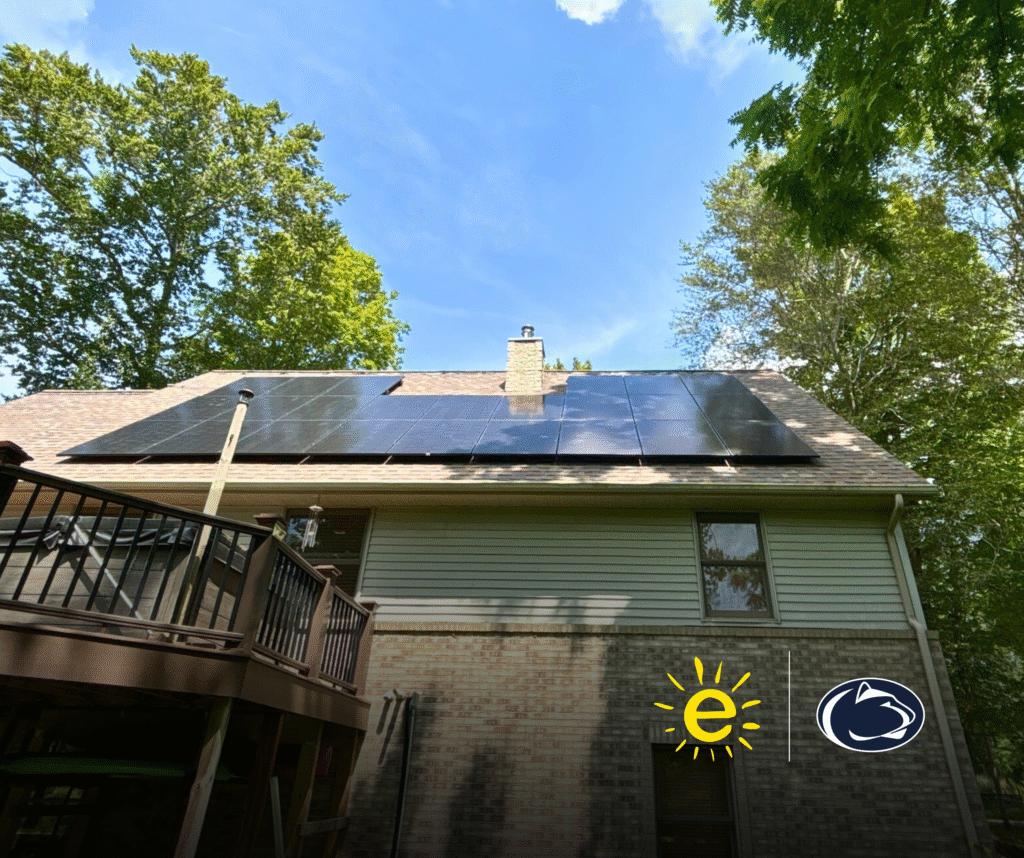
Credit: ethicalenergysolar.com
Common Myths About Solar In Pittsburgh
Some people worry that Pittsburgh is “too cloudy” for solar. Here’s the truth:
- Myth: Solar panels don’t work on cloudy days.
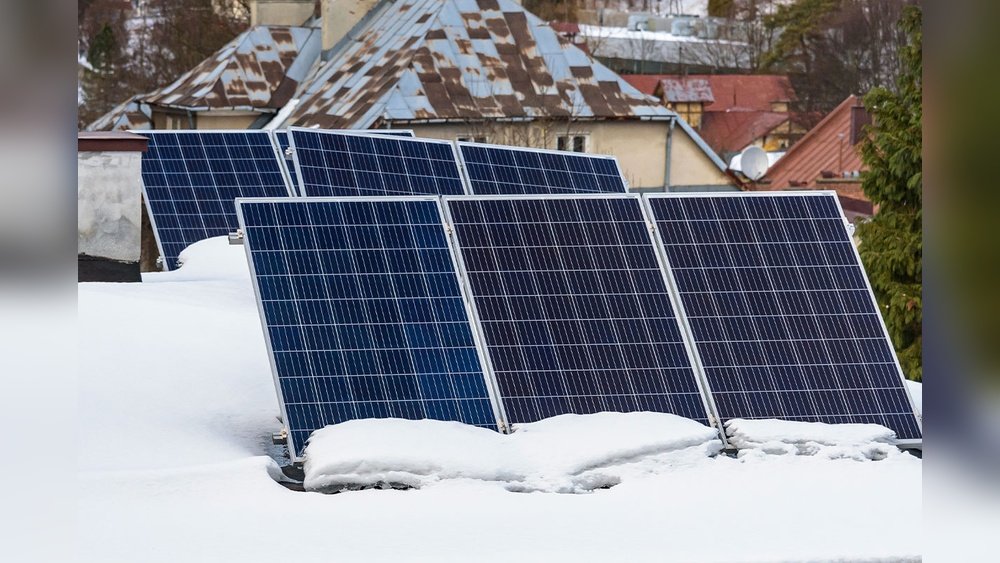
- Fact: Panels still make 20–50% power on cloudy days.
- Myth: Snow makes panels useless.
- Fact: Snow slides off smooth panels quickly. Most losses are small.
- Myth: Solar only makes sense in sunny states.
- Fact: Germany is cloudier than Pittsburgh and leads the world in solar use.
Panels are built for all weather—rain, snow, and even hail.
Hidden Benefits Most People Miss
Here are some perks many homeowners don’t notice at first:
- Home value boost: Studies show homes with solar sell for 4–5% more, and faster.
- Less energy price shock: Utility rates often rise, but your solar power cost stays flat.
- Quiet, low-maintenance: Once installed, panels need little care—just rinsing off debris.
- Grid independence: With a battery, you can keep the lights on during power outages.
These benefits add even more value over time.
Real Pittsburgh Solar Case Studies
Let’s see how solar works for real people in the area.
Case 1: Small Family In Squirrel Hill
- 1,800 sq. Ft. home, south-facing roof
- 6 kW system, cost after incentives: $13,500
- Monthly bill before solar: $115
- Monthly bill after solar: $25
- Annual savings: $1,080
- Payback: 12.5 years
Case 2: Empty Nesters In Mt. Lebanon
- 2,500 sq. Ft. home, partly shaded roof
- 8 kW system, cost after incentives: $16,500
- Monthly bill before solar: $140
- Monthly bill after solar: $40
- Annual savings: $1,200
- Payback: 13.75 years
Results depend on the roof and energy use, but both families saw big savings.
How To Decide If Solar Is Right For Your Home
Before you sign up, ask these questions:
- Does your roof get at least 5 hours of sun per day?
- Is your roof in good shape, or due for replacement soon?
- Do you plan to stay in your home for at least 8–10 years?
- Can you get the federal tax credit?
If you answer “yes” to most, solar is likely a smart move.
Financing Options For Solar Panels
Don’t have $15,000 sitting in the bank? Most people finance their systems. Here are your main choices:
- Solar loan: Pay monthly, like a car loan, often with low interest.
- Lease or Power Purchase Agreement (PPA): Pay little upfront, but savings are lower because you don’t own the system.
- Home equity loan: Use your home’s value to get a lower rate.
Tip: Owning your system (with cash or a loan) gives the best long-term value.
Financing Comparison
| Option | Upfront Cost | Monthly Payment | Who Owns the System? |
|---|---|---|---|
| Cash Purchase | High | None | You |
| Solar Loan | Low/None | Yes | You |
| Lease/PPA | Low/None | Yes | Installer |
Maintenance And Lifespan
Solar panels last a long time—usually 25 to 30 years. Maintenance is simple:
- Rinse off dust and leaves 1–2 times a year
- Check for broken panels after storms
- Inverter might need replacing after 10–15 years ($1,000–$2,000)
Panels have warranties of 20–25 years. Performance drops slowly (about 0. 5% per year).
Environmental Impact
Going solar in Pittsburgh does more than save money. It cuts your carbon footprint. A typical 6 kW system saves:
- Over 100,000 pounds of CO₂ in 25 years
- That’s like planting about 1,200 trees
Plus, you support local clean energy jobs.
How To Get Started
Ready to explore solar for your Pittsburgh home? Here’s the simple path:
- Get your last 12 months of electric bills.
- Find 2–3 local solar installers for quotes.
- Ask about incentives and warranties.
- Check your roof’s sun exposure.
- Compare financing options.
A good installer will show you a custom plan with expected savings.
Pro tip: Don’t just pick the cheapest bid. Look for experience, reviews, and clear answers.
Credit: www.eissolar.com
Frequently Asked Questions
How Do Cloudy Days Affect Solar Panels In Pittsburgh?
Cloudy days reduce solar panel output, but don’t stop it. You might get 20–50% of normal power on overcast days. Over a year, panels still make enough energy to save money.
Can Solar Panels Work During Winter Or Snow?
Yes, panels work in winter. Snow covers them for short periods, but usually melts or slides off fast. Cold air can even make panels more efficient.
What Happens If I Move After Installing Solar?
If you move, your solar panels can boost your home’s value. Most buyers like lower energy bills. You can transfer loans or leases to the new owner, but check the contract details.
Do Solar Panels Require A Lot Of Maintenance?
No, maintenance is simple. Just rinse panels a couple of times a year and check for damage after storms. Most systems work with little attention for decades.
Are There Risks To Installing Solar In Pittsburgh?
Risks are low if you use a good installer. Make sure your roof is in good shape and you understand the warranty. Avoid companies with poor reviews or unclear contracts.
Final Thoughts
Solar panels are a practical choice for many Pittsburgh homeowners. They cut energy bills, help the planet, and can raise your home’s value. The key is getting the details right—your roof, your budget, and your installer. If you want to see real numbers for your house, get a few quotes and ask questions.
With smart planning, solar panels in Pittsburgh can be a win for your wallet and the world.
If you want even more details, check out the US Department of Energy’s solar basics page: US Department of Energy.