

Power outages are increasing, and utility bills keep rising. Finding the best DIY solar battery backup kit empowers homeowners, RV travelers, and off‑grid users to generate backup power affordably, with control and transparency. But choosing the wrong kit can lead to underperformance, unsafe setups, or wasted money.
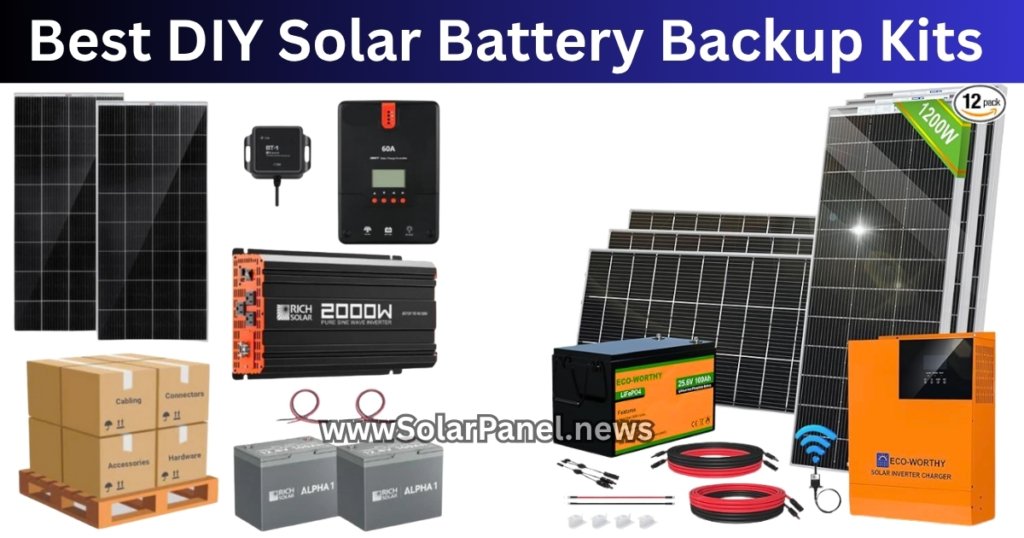
How Much Can You Save by Going DIY Instead of Professional Installations?
If you’re thinking of skipping the pros and doing it yourself, the savings can be huge. A typical 5 kW solar battery system installed by a professional might cost between $40,000 and $60,000. A DIY version with similar power? Around $8,000 to $15,000. That’s a difference of up to $45,000.
One big reason is that labor installers charge a lot for it, sometimes up to half the total cost. Doing it yourself cuts that out, though you’ll need to spend a few weekends learning and installing.
Also, pros usually charge extra for equipment, sometimes double what it costs wholesale. DIY kits come closer to the actual price.
Permits and inspections can add a few thousand more, but for smaller systems, some places let you skip that part if it’s a DIY setup.
Just keep in mind: with a DIY system, you’re missing out on the long-term warranties and full-service support that pros offer. They also handle the paperwork, which can be a headache.
Top 5 Best DIY Solar Battery Backup Kits
Kit #1: ECO-WORTHY 4.8 KWH with Lithium Battery – Best Overall for Homes
The ECO-WORTHY 4.8 kWh complete solar power system stands out as our top choice for residential backup power applications. This comprehensive kit delivers professional-grade components at an accessible price point, making it the best DIY solar battery backup kit for most homeowners seeking reliable emergency power or off-grid capability.

Key Features:
- Battery Capacity: 4.8kWh lithium iron phosphate (LiFePO4) battery bank
- Solar Panel Configuration: 12 x 195W monocrystalline panels (2,340W total)
- Inverter Type: 5000W pure sine wave all-in-one inverter with 80A MPPT charge controller
- Daily Power Generation: Approximately 9.4 kWh under optimal conditions (4 hours full sun)
- System Voltage: 48V for improved efficiency and reduced wire losses
- Expandability: Modular design allows additional battery and panel expansion
Pros:
- Professional-grade LiFePO4 batteries with 6,000+ cycle lifespan
- Integrated MPPT controller maximizes solar charging efficiency
- Pure sine wave output protects sensitive electronics
- 25-year solar panel warranty with weather-resistant construction
- Scalable system design accommodates future expansion
- Comprehensive component package reduces compatibility concerns
Cons:
- Higher upfront investment ($8,000-$12,000 range)
- 48V system requires careful attention to safety during installation
- Large solar array requires significant roof or ground mounting space
- Battery storage may require temperature-controlled environment in extreme climates
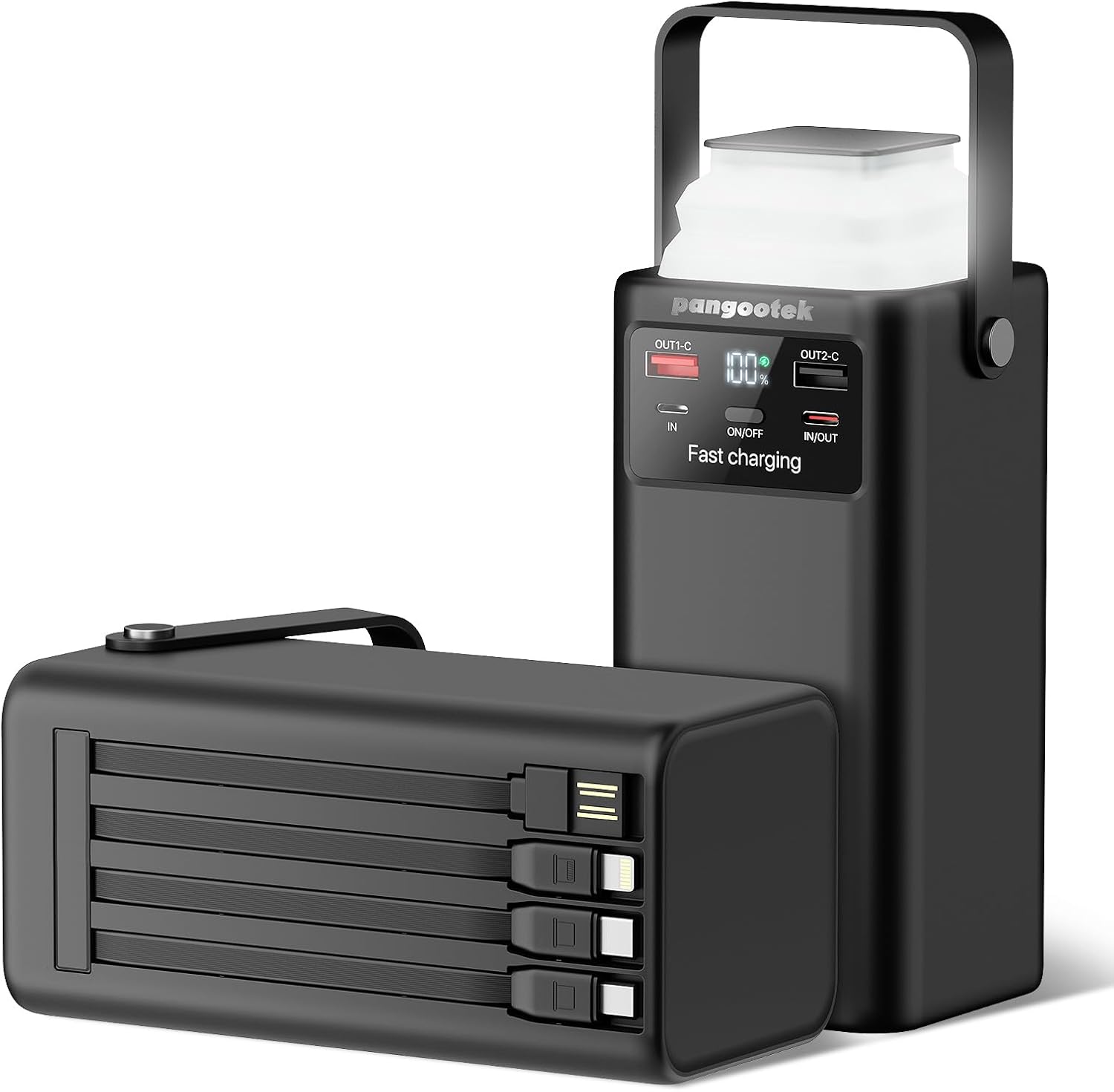
Kit #2: SinKeu 99Wh Power Station with Portable Solar Kit – Best Budget Option
For budget-conscious buyers seeking basic emergency backup power, the SinKeu 99Wh portable power station offers an entry-level solution that proves solar backup power doesn’t require a massive investment. While this kit lacks the capacity for whole-home backup, it provides essential power for communication devices, lighting, and small appliances during short-term outages.
Pros:
- Lightweight and portable design
- Multiple charging options provide flexibility
- No installation required – plug and play operation
- Suitable for renters who can’t modify electrical systems
Cons:
- Very limited power capacity – suitable only for small devices
- Modified sine wave output may not work with sensitive electronics
- Solar panels sold separately increase total cost
- Short runtime under load (2-4 hours typical usage)
- No expandability or upgrade path
Kit #3: Alvinlite Waterproof Portable Solar Cell Battery Backup Module – Best for Emergency Use
The Alvinlite waterproof solar charger module represents a specialized solution for emergency preparedness scenarios where durability and weather resistance take priority over power capacity. This rugged system excels in harsh conditions where traditional power stations might fail.

Ideal Use Case: Designed for emergency preparedness, outdoor professionals, and situations where equipment must withstand harsh environmental conditions. The waterproof construction makes it ideal for marine applications, camping in wet conditions, or emergency kits where the device might be exposed to water or extreme weather.
Pros:
- Exceptional weather resistance with IP65 rating
- Integrated solar panel eliminates separate component requirements
- Multiple charging methods including wireless pad
- Emergency signaling features enhance safety applications
- Compact size fits easily in emergency kits or go-bags
- No assembly required – ready to use out of box
Cons:
- Limited power capacity suitable only for small devices
- Slow solar charging rate due to small integrated panel
- Higher cost per watt-hour compared to larger systems
- No expandability options
- Limited AC output capability
Kit #4: Renogy 400W Expandable Solar Kit – Best Expandable Kit
The Renogy 400W expandable solar starter kit provides an excellent foundation for users who want to start small and gradually build a larger system. Renogy’s reputation for quality components and comprehensive technical support makes this kit ideal for first-time solar users planning future expansion.

Key Features:
- Solar Configuration: 4 x 100W monocrystalline panels (400W total)
- Charge Controller: 40A MPPT controller with LCD display
- Battery Compatibility: Works with 12V lead-acid or lithium batteries (batteries sold separately)
- Monitoring: Bluetooth connectivity for smartphone monitoring
- Expansion Capability: Easily add panels, batteries, and inverters
- Installation Hardware: Complete mounting hardware and MC4 connectors included
Ideal Use Case: Perfect for users wanting to start with a basic 12V system and expand over time based on power needs and budget. This kit works excellently for RVs, small cabins, workshops, or as the foundation for a larger home backup system. The modular design allows systematic expansion without replacing existing components.
Pros:
- High-quality Renogy components with excellent reputation
- True expandability without system redesign
- Comprehensive documentation and customer support
- MPPT controller maximizes charging efficiency
- Bluetooth monitoring provides detailed system information
- Flexible battery options accommodate different budgets
Cons:
- Batteries sold separately increase initial cost and complexity
- 12V system less efficient for larger power requirements
- Inverter sold separately for AC power needs
- Initial 400W capacity limited for significant power needs
Kit #5: Fanspex Solar 2 Fan Kit with 66.6Wh Battery – Best for Off-Grid Cabins
The Fanspex Solar Fan Kit addresses a specific but important need for off-grid cabin owners: efficient ventilation powered by renewable energy. While not a traditional backup power system, this specialized kit provides essential comfort and air circulation for remote locations without grid power.

Key Features:
- Battery Capacity: 66.6Wh lithium battery with integrated controller
- Solar Panel: 20W weatherproof panel with 16-foot extension cable
- Fan Configuration: Dual 6-inch variable speed fans
- Runtime: 8-12 hours continuous operation on battery alone
- Weather Protection: IP44 rated components for outdoor use
Ideal Use Case: Specifically designed for off-grid cabins, greenhouses, workshops, and other structures requiring ventilation without access to grid power. The system provides essential air circulation during hot weather while recharging automatically via solar power during daylight hours.
Pros:
- Addresses specific ventilation needs for off-grid structures
- Energy-efficient DC fans maximize battery runtime
- Weather-resistant construction suitable for outdoor installation
- Simple installation with minimal electrical knowledge required
- Automatic operation reduces user intervention requirements
- Specialized solution for unique application
Cons:
- Very limited application beyond ventilation
- Small battery capacity limits expansion possibilities
- Higher cost per watt-hour compared to general-purpose systems
- No AC power output capability
- Limited manufacturer support and warranty options
Real-World Feedback: Off-grid cabin owners appreciate the Fanspex kit’s specialized functionality and reliable operation during hot weather. Users report successful installations in various climates, though some note the need for additional ventilation during extreme heat conditions.
How to Choose the Right DIY Solar Battery Backup Kit
Battery Type: Lithium vs. Lead‑Acid
- Lithium: 3,000+ cycles, lighter, deeper discharge, higher cost up front
- Lead‑acid: 500–1,200 cycles, heavier, cheaper initially but replaced sooner
Solar Panel Efficiency
- Monocrystalline: ~20–23% efficiency
- Polycrystalline: ~15–17%
(ECO‑WTH uses monocrystalline bifacial at 23%)
Inverter Requirements
- Pure sine: Clean power needed for fridges, computers
- Modified sine: Cheaper, but can damage sensitive electronics
Scalability & Expandability
- Ensure hybrid inverters support adding panels/batteries.
- Look for modular kits or specified expansion options.
Matching Kit to Power Needs
- Household: at least 3 kW inverter and 2–5 kWh battery (like ECO‑WORTHY kit)
- Emergency: Smaller, portable (~200–500 Wh) systems
- RV/Mobile: 500–1,500 Wh portable power stations
- Off‑grid: 1–5 kW panels, 5–10 kWh battery, weatherproof systems
You can read: 5 Best Solar Generators for RV (Top Picks + Must-Know Features Before You Buy).
Step-by-Step: How to Set Up a DIY Solar Battery Backup System
Pre-Installation Checklist
Tools You’ll Actually Need
Don’t start without the right tools: a multimeter, wire strippers, crimpers, and screwdrivers rated for DC systems. For safety, wear gloves, safety glasses, and rubber-soled shoes.
Roof installs need stainless brackets and good sealant. Ground setups may need concrete bases or heavy-duty ballasts, depending on soil and weather.


Permits & Local Codes
In most areas, you’ll need permits for systems over 1 kW. The following code isn’t optional, it keeps your setup safe and may be required for insurance. The NEC (National Electrical Code) outlines disconnects, grounding, and fuses. Your local area may add more rules or require an inspection.
Planning Your Site
Look for a sunny, south-facing spot with no shade from 9 AM to 3 PM.
If installing on a roof, make sure it’s strong enough to hold 2–4 pounds per square foot. Older roofs may need inspection. No good roof? Go with ground mounting—just check your soil first.
Installation Overview
1. Stay Safe First
Panels make electricity as soon as they hit light. Cover them while working.
Shut down power before wiring, use DC disconnects, and always double-check with a meter. If you’re on a roof, wear a harness and use a proper ladder. For steep roofs, hiring a pro is safer.
2. Mounting Panels
Roof: Find and drill into rafters, not just sheathing. Seal well and leave space from the edge for code compliance.
Ground: Easier to access, but needs a good base of concrete or ballasts. Tilt them properly, especially for winter performance.
3. Battery & Inverter Setup
Lithium batteries like stable indoor temps (32–80°F). Even sealed types need airflow.
Lead-acid batteries need strong ventilation to avoid gas buildup.
Mount inverters in cool, dry spots with space around them for cooling. Keep them near the battery bank to reduce energy loss.
4. Wiring the System
Use weather-rated MC4 connectors and size your wires right. Too-small wires can overheat.
Use DC-rated fuses or breakers never AC ones. For home integration, use a transfer switch to safely switch between grid and solar. Don’t risk it, hire an electrician if needed.
5. Testing Everything
Before powering up, make sure every connection is tight and grounded. Test voltage and current under sunlight to confirm expected performance.
Set up app-based monitoring to track output and get alerts if something goes wrong. Keep all your setup info for future maintenance.
Extra Safety Tips
Electrical Risks
DC power is dangerous, it doesn’t drop off like AC. Even 12V can be risky. Label wires clearly and follow safety procedures.
Weather & Work Conditions
Don’t install in the rain or high winds panels can slip or catch air. Work early in the day to avoid heat and get steady light.
Handling Equipment
Panels are fragile; lift with care. Batteries are heavy; don’t try to move them alone. Keep everything dry and stored safely before installation day.
Comparison Chart Summary
| Kit | Battery Capacity | Solar Generation | Best Use Case |
| ECO-WORTHY 4.8KWH | 4,800Wh | 2,340W | Home backup |
| SinKeu 99Wh | 99Wh | Compatible w/40-120W | Emergency portable |
| Alvinlite Waterproof | 74Wh | 20W integrated | Harsh environments |
| Renogy 400W | Batteries separate | 400W | Expandable foundation |
| Fanspex Solar Fan | 66.6Wh | 20W | Off-grid ventilation |
FAQ
What can a DIY solar battery backup kit power during an outage?
Usually: fridge, lights, phone charging depending on the inverter & battery size. A 3 kW inverter can also run a microwave briefly.
Can I expand my battery storage later?
Yes, if your kit and inverter support modular batteries. The expandable kit is ideal.
Can I use these kits with existing solar panels?
If specs match (voltage, inverter type), yes, but check warranty implications.
Are portable power stations the same as solar battery backup kits?
Not quite: portable stations are self-contained, smaller systems not wired into a home’s electrical panel.
Related Post: Best DIY Solar Panel Install Kit Review & Guide.
Conclusion,
Best Applications: Choose portable power stations for temporary, mobile, or emergency-only applications where installation isn’t desired. Select component-based DIY kits for permanent installations, daily use applications, or situations requiring specific capacity or expandability.
The best DIY solar battery backup kit for your situation depends on balancing convenience, capacity, expandability, and long-term value based on your specific power requirements and installation preferences.