

Choosing a solar kit sounds simple until similar-looking options hide very different limits. Panel wattage, controllers, batteries, and mounting styles quietly decide whether a setup actually fits your goal or becomes wasted money. This guide isn’t here to explore every option. It’s designed to eliminate the wrong choices fast.
I focused on practical deal-breakers: power expectations, portability, system complexity, and expansion limits. If a kit can’t realistically match common off-grid needs, it gets filtered out. What’s left are kits that make sense for specific users, so you can move forward confidently without second-guessing every spec line.
Eliminate The Wrong DIY Solar Panel Installation Kit Fast
- If you need full-home backup, skip anything under 1000W.
- If you move locations often, fixed roof-mounted kits won’t work.
- If you don’t want wiring complexity, avoid multi-panel 48V systems.
- If weight matters, rigid glass panels are a bad fit.
- If expansion is planned later, all-in-one sealed kits may limit growth.
Fast Filter Map For DIY Solar Panel Kit Buyers
- Need portability → ignore rigid roof-mounted systems
- Want long-term expansion → skip foldable suitcase panels
- Powering appliances → avoid sub-200W kits
- Plug-and-play only → ignore advanced inverter systems
Best Diy Solar Panel Installation Kits
The following kits survive by matching clear use cases without pretending to do everything. Each fits a specific off-grid need cleanly.
Renogy 400W Premium Kit
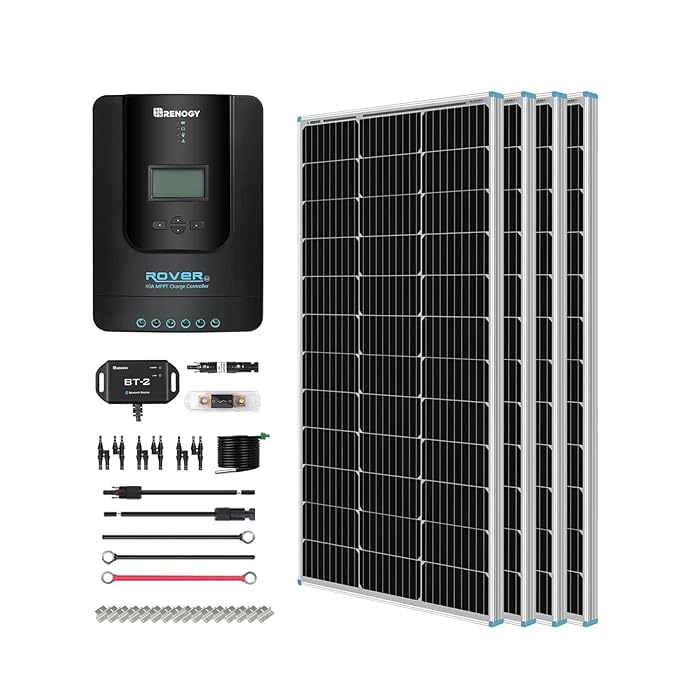
This fixed solar array setup clears the filter for users needing real appliance support. It handles consistent RV, shed, or cabin power without complex wiring upgrades. The MPPT controller keeps efficiency respectable.
Skip this if portability or frequent relocation matters.
ECO-WORTHY 2340W Off-Grid System

This full off-grid solar system survives for serious power needs. It supports high loads and long runtimes without piecing parts together. Ideal for cabins or workshops.
Skip this if you want simple setup or light usage.
DOKIO 300W Foldable Kit

This suitcase-style solar panel kit passes for users prioritizing portability. It charges batteries and power stations quickly without permanent mounting.
Skip this if you need continuous multi-day power.
220W N-Type 16BB Kit

A balanced starter solar setup that survives for campers and small off-grid loads. Efficient panels help offset the lower wattage.
Skip this if you plan to run appliances or expand heavily.
DOKIO 150W Portable Kit
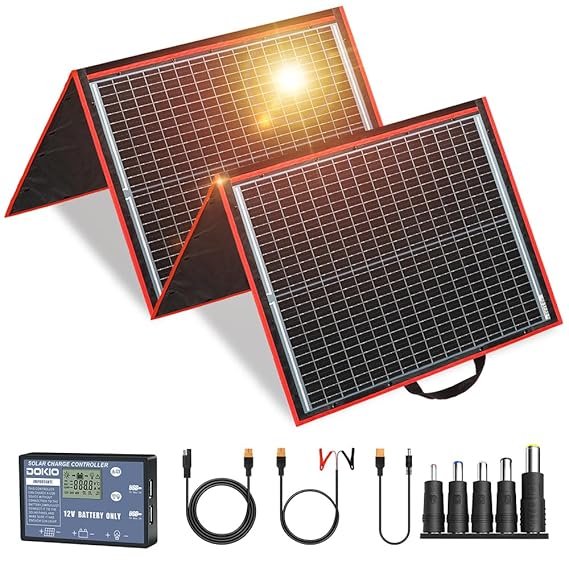
This compact solar charger works for emergency backup and light charging. It passes for minimalists who value weight over output.
Skip this if charging speed matters.
ECI Power 100W Kit With Battery
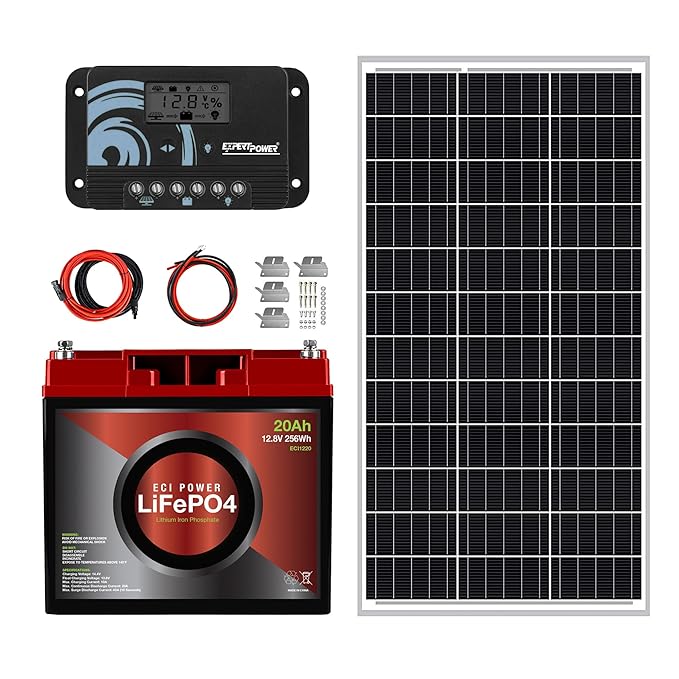
This entry-level solar starter kit survives for beginners wanting everything in one box. The included battery simplifies setup.
Skip this if power demand grows beyond basics.
Still Torn Between Two Options?
Choose based on one priority only: power output or mobility. Higher wattage wins for daily use; lighter kits win for flexibility. Ignore secondary features unless they solve a real problem you face now.
Narrowing choices is the real win here. Once unsuitable kits are gone, the remaining options become obvious matches instead of confusing tradeoffs. Fewer choices lead to better installs, fewer regrets, and faster results.