

Raising hogs requires containment that actually works. We’ve rounded up the top electric netting options, from premium heavy-hitters to budget-friendly long runs, to keep your pigs secure and your sanity intact. Here’s the lowdown.
Best Electric Fences for Pigs
| Brand | Length | Height | Spike Type | Best For |
| Premier 1 | 100′ | 30″ | Single | Serious Hog Farmers |
| VEVOR | 164′ | 42″ | Double | Mixed Livestock |
| Generic | 164′ | 42.5″ | Double | Tall Containment |
| Generic | 164′ | 35.4″ | Double | Budget Large Runs |
| Generic | 164′ | 35.4″ | Double | Flexible Setups |
Premier 1 Pig QuikFence
Best for The “One-and-Done” Farmer
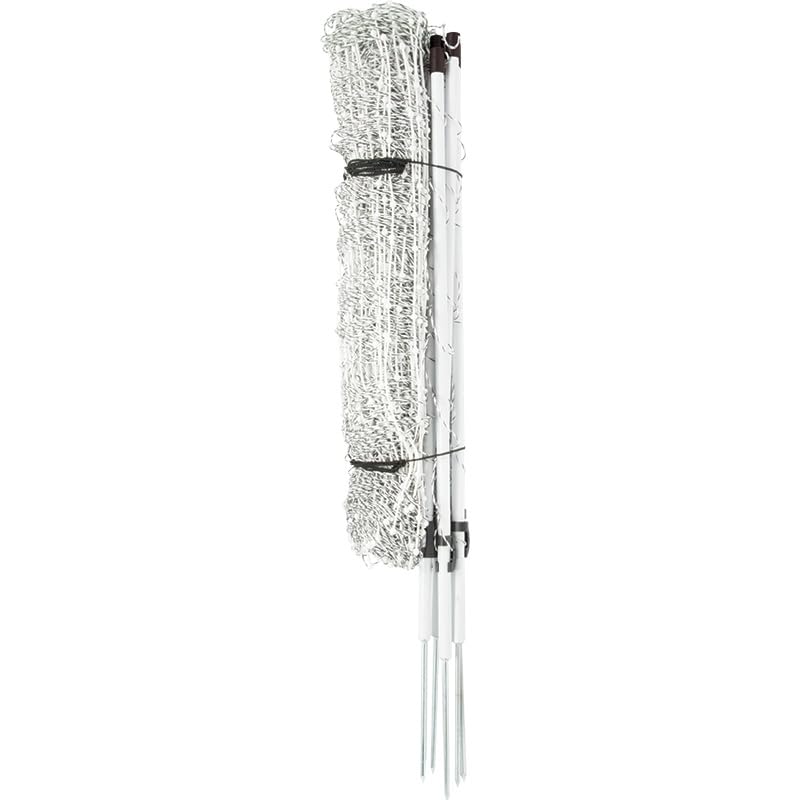
Premier 1 is the heavy hitter in the electric netting game. This 30″ fence is specifically designed for pigs, short enough to step over but hot enough to keep ’em respectful. It’s built tough and doesn’t sag like the cheap knock-offs. If you want “hog tight” on the first try, this is it.
Fast Facts:
- Dimensions: 30″ H x 100′ L
- Spike: Single
- Visibility: High contrast (White/Black)
Pros:
- Specifically engineered vertical spacing for pigs.
- Extremely high visibility prevents accidental run-throughs.
- Durable mesh that withstands abuse.
Cons:
- Shorter length (100′) means you might need multiple rolls.
Verdict: If you have the cash, buy this. It’s the gold standard for swine.
VEVOR Electric Fence Netting
Best for Mixed Barnyards

VEVOR brings massive value here. You get 164 feet of fencing for a killer price. At 42″ high, this isn’t just for pigs; it’ll hold goats, sheep, and keep out predators like coyotes. The double-spiked stakes make it a breeze to set up in hard soil without it flopping over.
Fast Facts:
- Dimensions: 42″ H x 164′ L
- Spike: Double
- Material: PE Netting
Good Stuff:
- Double spikes provide excellent stability in rough terrain.
- Huge length (164′) covers a lot of pasture.
- Multi-species versatility.
The Catch:
- 42″ is tall—you aren’t stepping over this easily.
Verdict: Best bang for your buck if you have pigs and other critters.
Tall Portable Livestock Fencing
Best for High Security

This is virtually identical to the VEVOR but edges it out slightly on height at 42.5″. It’s a solid choice for rotational grazing setups where you need to move the herd fast. The double spikes are non-negotiable for stability, and this kit includes 14 posts to keep the line tight.
Fast Facts:
- Dimensions: 42.5″ H x 164′ L
- Spike: Double
- Posts: 14 included
Pros:
- Extra height discourages jumpers.
- Easy to roll up and transport.
- rigid posts prevent sagging.
Cons:
- Overkill height if you are only raising pot-bellies or KuneKunes.
Verdict: Solid option for larger breeds or perimeter security.
Electric Netting With Posts
Best for Garden Protection
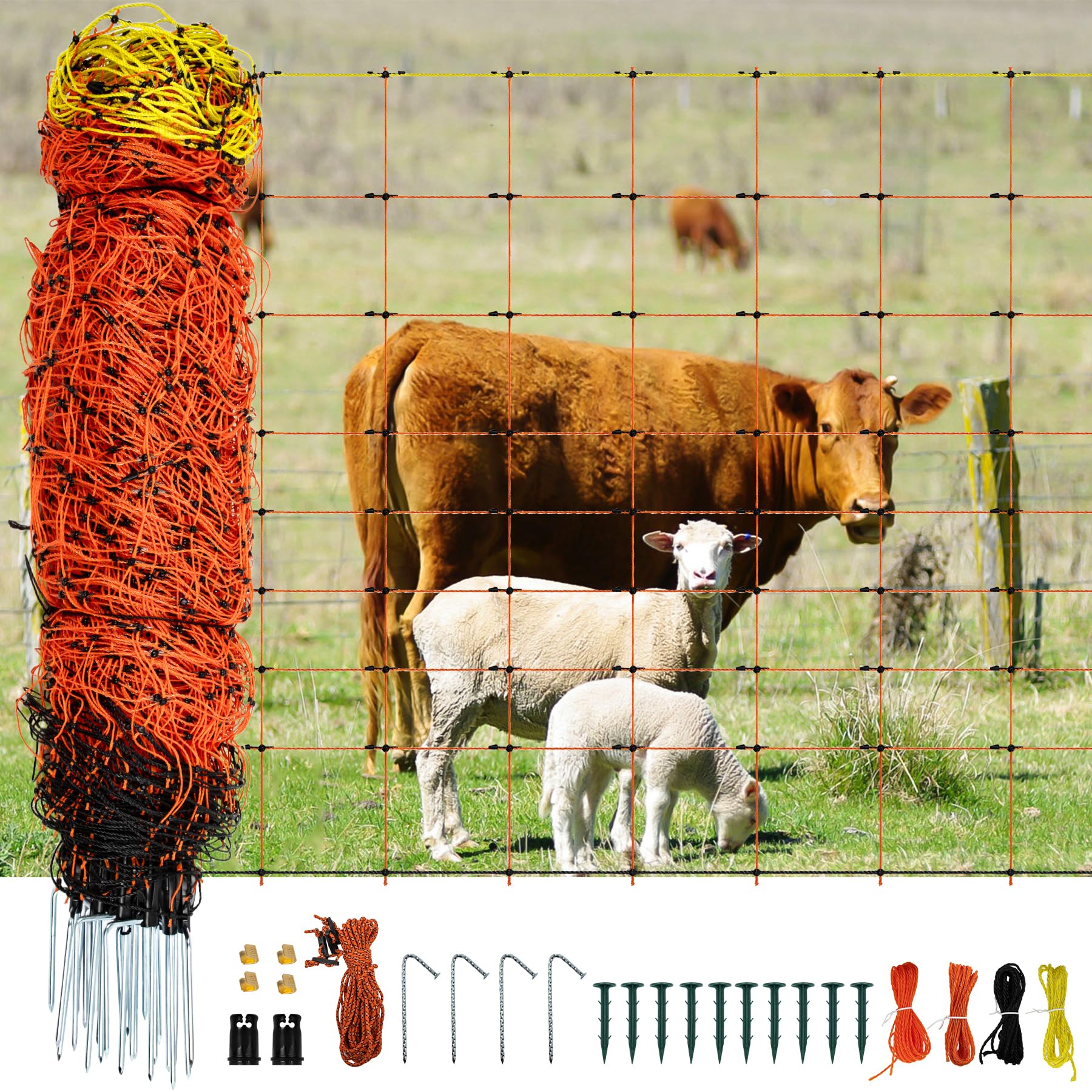
Sitting at roughly 35 inches, this fence hits the sweet spot between the low pig-specific fences and the tall goat nets. It’s perfect for keeping pigs out of your veggie patch or defining a specific grazing zone. The double spikes help it stand up to wind and animal nudges.
Fast Facts:
- Dimensions: 35.4″ H x 164′ L
- Spike: Double
- Use: Homestead/Garden
Pros:
- Easier to handle than the 42″ versions.
- Great length for medium-sized paddocks.
- Double spikes ensure it stays upright.
Cons:
- Might be too short for very athletic goat breeds if you mix herds.
Verdict: Great middle-ground height for dedicated pig pastures.
Movable Livestock Nets
Best for Homesteaders
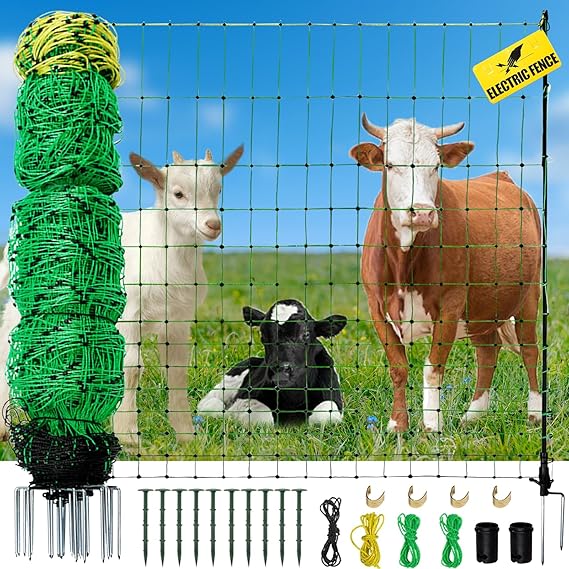
Another solid 35.4″ option that mimics the previous entry. This kit is all about utility. It sets up fast, tears down fast, and keeps the hogs where they belong. It’s ideal for rotational grazing, where you are moving the pigs to fresh dirt every few days.
Fast Facts:
- Dimensions: 35.4″ H x 164′ L
- Spike: Double
- Posts: 14 fiberglass
Pros:
- Perfect height for standard hogs.
- Lightweight enough for solo setup.
- Cost-effective for large perimeters.
The Catch (Cons):
- Generic instructions can be vague.
Verdict: A reliable workhorse for the everyday homesteader.
Quick Buying Tip
Don’t skimp on the energizer. Your fence is only as good as the juice running through it; pigs have thick skin and insulated noses, so you need a charger that packs a serious punch (at least 0.5 joules) to train them to respect the wire.