

Power outages don’t wait for a convenient time. Whether it’s a winter storm or a summer blackout, you need reliable juice to keep the essentials running. We’ve cut through the noise to bring you the top picks for keeping your lights on and your fridge cold.
Comparison of best home backup electrical generators
| Generator Model | Type | Power Output | Best For |
| GROWATT HELIOS 3600 | Solar / Battery | 3600Wh (7200W Surge) | Silent / Indoor Use |
| A-iPower 7600W | Dual Fuel Inverter | 7600W (Gas) / 6900W (LPG) | Quiet Powerhouse |
| maXpeedingrods 4000W | Dual Fuel Inverter | 4000W | Tech-Savvy / Mobile |
| Westinghouse 12500W | Dual Fuel Standard | 12500W (Peak) | Whole House Backup |
| WEN 5600W | Gas Standard | 5600W | Budget Friendly |
Best Home Backup Electrical Generators For Power Backup
Here is the lowdown on the gear that actually delivers. These units are built to save your bacon when the utility company drops the ball. Grab one of these and sleep easy knowing you’ve got backup.
GROWATT HELIOS 3600
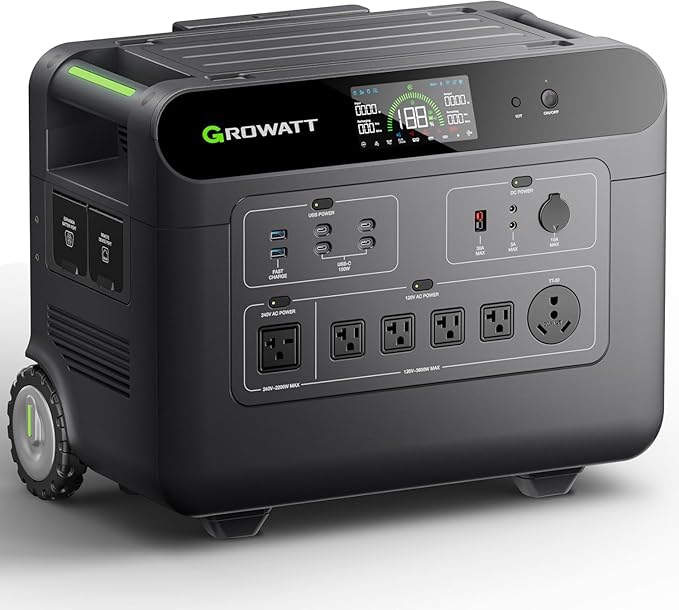
This isn’t your granddaddy’s loud gas guzzler; it’s a silent beast perfect for modern living. If you need clean energy without the fumes or noise complaints from the HOA, this solar generator is your go-to solution for keeping the lights on and the Wi-Fi humming during a blackout.
It packs a massive 3600Wh capacity with a pure sine wave inverter, meaning it’s safe for your sensitive electronics like laptops and medical devices. You can expand it up to a whopping 36kWh if you really want to go off-grid, and the LiFePO4 battery tech ensures it lasts for years of cycles.
A-iPower 7600W Inverter
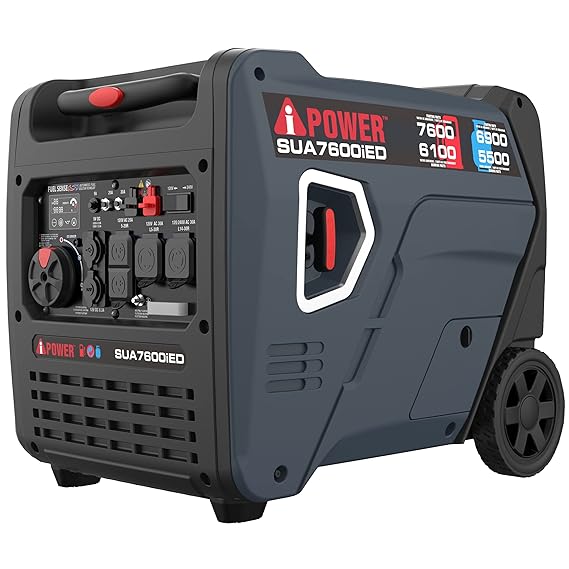
This rig is the “Road Warrior” of the bunch, offering a sweet balance of high wattage and inverter quietness. It’s dual-fuel ready, so you can run it on propane if gas is scarce, and the telescopic handle saves your back when you’re dragging it into position during a storm.
Running at a surprisingly quiet 61 dBA, this unit pumps out 7600 starting watts on gas, enough to handle large appliances like your fridge and sump pump simultaneously. The LCD center keeps you posted on fuel levels and load, while the electric start means no wrestling with a pull cord in the rain.
maXpeedingrods 4000W Inverter

Perfect for the tech-savvy homeowner or camper, this unit brings smart control to the generator game. It’s a compact, “grab-and-go” solution that connects via Bluetooth, letting you monitor fuel and load directly from your phone so you don’t have to step out into the bad weather.
Despite its smaller footprint, it cranks out 4000 peak watts and features “CO shutdown” safety tech for peace of mind. It’s an inverter generator, providing clean power for your TV and phones, and the dual-fuel capability gives you flexibility when the gas stations are closed.
Westinghouse 12500W Beast

If you want to run the whole house—AC, well pump, kitchen, the works—this is the heavy hitter you call. It’s a Transfer Switch Ready monster that acts like a stationary generator without the permanent installation price tag.
With 12,500 peak watts on gas and a remote electric start key fob, getting power back is as easy as unlocking your car. It features a rugged V-Twin engine designed for long run times, and the 6.6-gallon tank ensures you aren’t refueling every couple of hours.
WEN 5600W
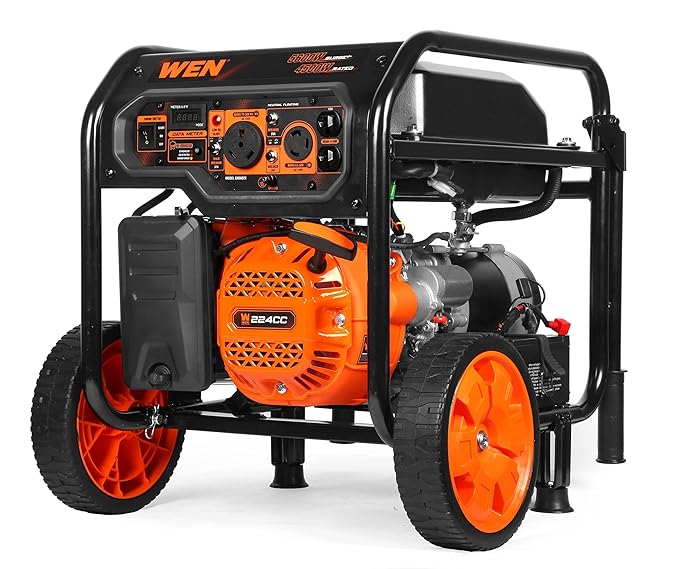
This is your “Old Faithful”—no fancy bells and whistles, just reliable power at a price that won’t break the bank. It’s a solid workhorse for the average homeowner who just needs to keep the essentials running without overcomplicating things.
The 224cc engine generates 5600 surge watts, plenty for emergency backups or running power tools. It includes a wheel kit for mobility and a digital data meter to track voltage and runtime, making maintenance scheduling a breeze.
Buying Tips
- Check the THD: If you have sensitive tech (PCs, smart TVs), stick to “Inverter” generators or units with <5% Total Harmonic Distortion.
- Dual Fuel is King: Propane stores indefinitely; gas goes bad. Having the option to use propane is a lifesaver during long outages.
- Wattage Math: List your must-have appliances. Add their running watts together, then add the highest starting watt number to that total. That’s the size you need.
Pro Tip: Avoid “Open Frame” standard generators if you live in a tight neighborhood. They are loud (like a lawnmower running 24/7). Your neighbors will hate you. Spend the extra cash for a “Closed Frame” Inverter or a Solar unit to keep the peace.