

When the grid fails, your home shouldn’t. Whether it is a sudden winter storm or a scheduled maintenance blackout, having a reliable backup plan is no longer a luxury—it is a necessity. Finding the best home generators for power outages involves balancing raw power, fuel efficiency, and ease of use.
In this guide, we break down the top-performing units, ranging from whisper-quiet gas inverters for sensitive electronics to high-capacity solar stations that offer a green, exhaust-free alternative. We have selected these models based on their runtime, safety features like CO sensors, and their ability to keep essential appliances like refrigerators and medical devices running when you need them most.
Best Home Backup Solutions at a Glance
| Generator Brand | Power Type | Output (Watts) | Capacity/Tank | Best For |
| Jackery HomePower 3000 | Solar/Battery | 3600W | 3072Wh | Indoor Use & UPS |
| A-iPower 4600W | Gas Inverter | 4600W | 2.6 Gal | RV & High Output |
| DYNESS 2400W | Battery | 2400W | 2048Wh | Long-Life LiFePO4 |
| Aceup Energy 4500W | Gas Inverter | 4500W | 2.65 Gal | Budget Reliability |
| 2500-Watt Portable | Gas Inverter | 2500W | Compact | Tailgating & Essentials |
| 1800W Power Station | Battery | 1800W | 1536Wh | Lightweight Camping |
Jackery HomePower 3000 Portable Power Station
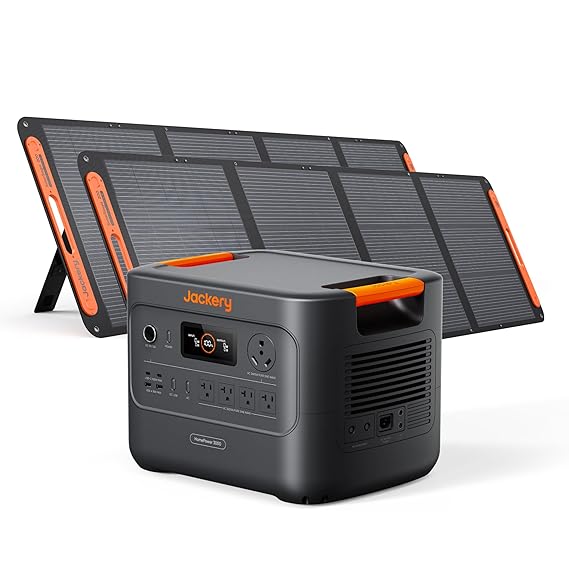
The Jackery HomePower 3000 is a premier choice for those seeking the best home generators for power outages without the noise and fumes of traditional gas units. This 3072Wh LFP battery powerhouse delivers a massive 3600W output, enough to handle heavy-duty appliances like air conditioners or sump pumps. It includes two 200W solar panels, making it a truly sustainable emergency solution. The standout feature is its 20ms UPS (Uninterruptible Power Supply) capability, ensuring your desktop computer or medical equipment stays on even if the grid flickers for a second. While it is a significant investment, its “ZeroDrain” technology—which retains 95% of its charge over a year in storage—makes it the ultimate “set it and forget it” backup tool.
Pros:
- Silent, exhaust-free operation (safe for indoor use).
- Ultra-fast AC charging (0-100% in about 2.4 hours).
- Long-lasting LiFePO4 battery with 10+ years of lifespan.
Cons:
- Higher upfront cost compared to gas models.
- Heavy unit (approx. 60 lbs), though very compact.
A-iPower 4600W RV-Ready Portable Inverter Generator
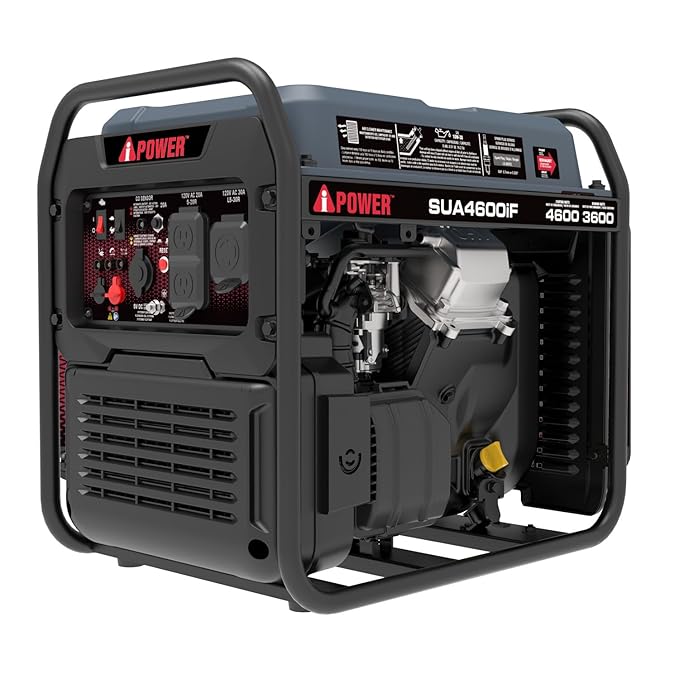
If you need raw, dependable gas power with the efficiency of an inverter, the A-iPower 4600W is a standout contender. It produces clean electricity (less than 3% THD), making it safe for your laptops and smart TVs. Its “Open Frame” design is a clever hybrid—it provides the ruggedness of a standard generator but keeps the weight down to just 56 lbs. During an outage, the built-in CO sensor offers critical peace of mind by automatically shutting down the unit if carbon monoxide levels become dangerous. It is exceptionally fuel-efficient, offering up to 12 hours of runtime on a single tank at 25% load, which is plenty for keeping the lights on and the fridge cold overnight.
Pros:
- Extremely lightweight for its 4600W power class.
- Clean power output for sensitive electronics.
- Built-in CO sensor for enhanced safety.
Cons:
- Loud compared to fully enclosed “suitcase” style inverters.
- Manual recoil start might be difficult for some users.
DYNESS 2400W LiFePO4 Portable Power Station
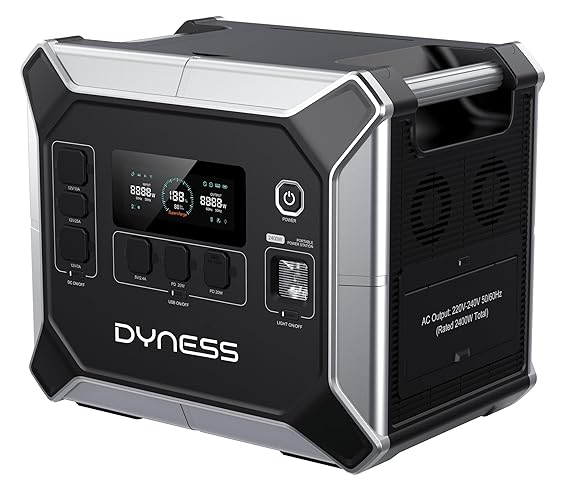
The DYNESS 2400W is a robust middle-ground solution that hits the “sweet spot” of capacity and portability. With a 2048Wh battery, it can keep a full-sized refrigerator running for nearly 15 to 20 hours. It utilizes LiFePO4 technology, which is widely considered the safest battery chemistry on the market today. This unit is particularly useful for apartment dwellers or those who don’t want to store gasoline in their garage. It supports fast charging and can be paired with solar panels (sold separately) to create a self-sustaining loop during extended multi-day outages.
Pros:
- 2000+ charge cycles for extreme durability.
- Versatile ports including high-speed USB-C for modern devices.
- No maintenance required (no oil changes or spark plugs).
Cons:
- Solar panels are an additional purchase.
- Charging via solar is weather-dependent.
Aceup Energy 4500 Watt Inverter Generator
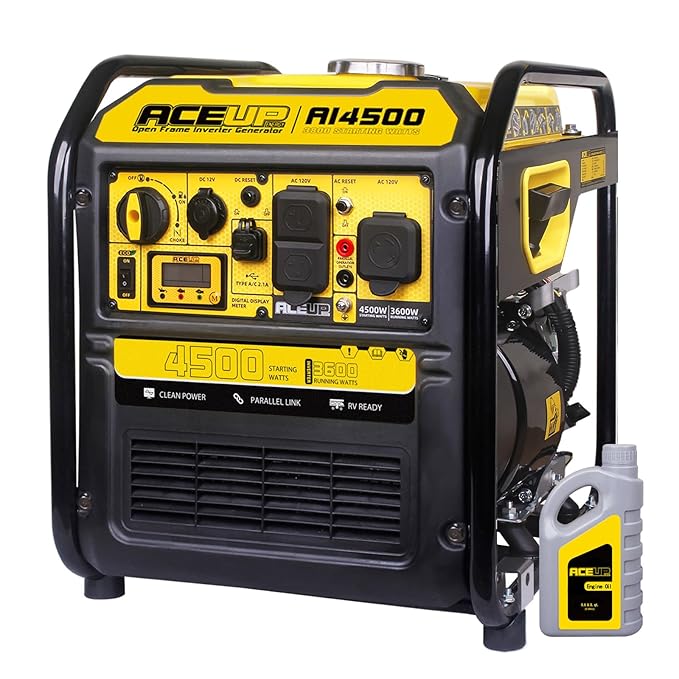
Aceup Energy offers a high-value alternative for those prioritizing wattage per dollar. This 223cc gas-powered beast delivers 4500 starting watts, which is ample for running high-draw appliances like a portable heater or a microwave.
The intelligent digital display is a great touch, showing you exactly how much power you are using and how many hours of run time are left on the tank. It is EPA-compliant and features an “Economy Mode” that throttles the engine down when your power needs are low, saving you fuel and reducing noise.
Pros:
- Excellent price-to-power ratio.
- Large 2.65-gallon fuel tank for 10+ hours of use.
- Very intuitive digital monitoring gauge.
Cons:
- Relatively heavy (over 62 lbs) without a wheel kit.
- The brand is less established than major competitors.
2500-Watt Gas Powered Portable Inverter Generator
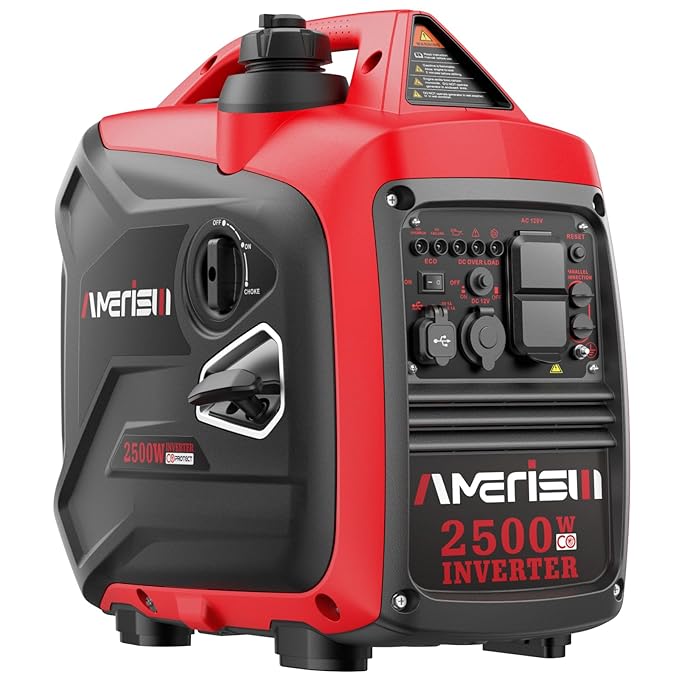
Sometimes, smaller is better. This 2500-watt unit is one of the best home generators for power outages if your goal is simply to keep your phone charged, the Wi-Fi running, and a few LED lamps on. It is incredibly compact and easy to carry with one hand, making it a dual-use winner for camping and home backup. Despite its small size, it doesn’t skimp on safety, featuring the same CO sensor technology found in much larger models. It is the perfect “entry-level” generator for those who want a reliable backup without the bulk.
Pros:
- Ultra-lightweight and easy to store in a small closet.
- Very quiet operation compared to larger gas units.
- Very affordable price point.
Cons:
- Limited power (cannot run large AC units or heaters).
- Small fuel tank requires more frequent refills.
Portable Power Station 1800W (1536Wh LiFePO4)
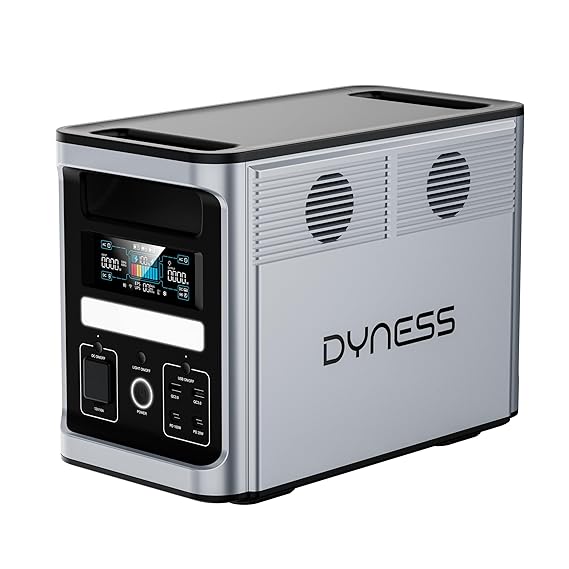
This 1536Wh power station is designed for users who need a balance of mobility and sustainable power. It provides a steady 1800W output, which is enough to run a coffee maker or a CPAP machine through the night. Like its larger DYNESS cousin, it uses LiFePO4 cells, ensuring that the battery won’t degrade significantly even if it sits in your emergency kit for months. It is an ideal companion for outdoor enthusiasts who also want a “plan B” for home emergencies.
Pros:
- Fast charging via wall outlet.
- Compact footprint for small homes or apartments.
- Safe for indoor use with no carbon monoxide risk.
Cons:
- Slower charging if using budget solar panels.
- Lower peak surge capacity than gas-powered rivals.
Choosing the Best Home Generators for Power Outages: Pro Tips
Determine Your Load: Add up the wattage of the “must-have” items (Fridge: 600W, Lights: 100W, Wi-Fi: 20W).
Pick Your Fuel: Gas generators provide unlimited runtime as long as you have fuel, while Solar/Battery stations are silent and maintenance-free.
Safety First: If buying gas, always ensure the unit has a CO Sensor for automatic shutdown.Maintenance Tip: If using gas, run your generator for 15 minutes every few months to keep the carburetor clean and the seals lubricated.