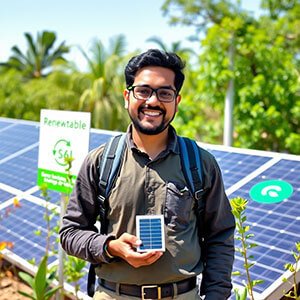

Don’t get stranded with a dead GPS. These compact beasts turn sunlight into juice so you can stay off-grid without the weight penalty. From featherlight folders to high-capacity banks, we’ve picked the winners for your next trek.
Top-Rated Solar Chargers for Maximum Trail Juice
| Charger Name | Wattage/Cap | Weight/Vibe | Best For |
| BLAVOR 10W | 10W | Ultra-Portable | Minimalists |
| BigBlue 28W | 28W | High Efficiency | Power Users |
| Solar Power Bank | 45800mAh | All-in-One | Multi-Day Utility |
| FlexSolar 10W | 10W | Rugged IP67 | Wet Weather |
| BigBlue 35W | 35W | Fast PD Charging | Digital Nomads |
| FlexSolar 40W | 40W | Max Output | Group Trips |
Pick the Best Lightweight Solar Charger for Backpacking
Snagging the right panel means the difference between a dead brick and a live map. Whether you’re a weekend warrior or a PCT veteran, these chargers handle the heavy lifting of keeping your tech alive under the sun.
BLAVOR 10W Portable Solar Charger
Best for Minimalist Day Hikers
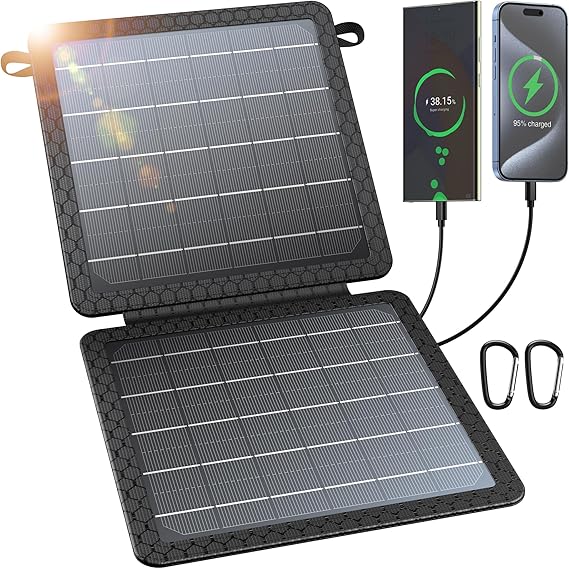
This tiny folder is a total space-saver for your pack. It delivers a steady 5V/2A via USB-C and USB-A, making it a reliable backup for your phone or watch. With IPX4 water resistance, it’s tough enough to handle a surprise drizzle while you’re bagging peaks.
Hits and Misses
Pros:
- Extremely compact and pocket-friendly.
- Dual output ports for versatility.
Cons:
- 10W is slow for large tablets.
BigBlue 28W Solar Panel
Best for Reliable Daily Charging

A true trail legend, this 28W unit is the sweet spot between weight and speed. It features an industrial-strength polymer face and smart-charging tech that recognizes your device to prevent overcharging. It’s a set-it-and-forget-it workhorse that clips easily to any pack.
The Good and The Bad
Pros:
- High conversion efficiency for faster top-offs.
- Triple USB ports including USB-C.
Cons:
- A bit bulky for ultralight purists.
45800mAh Solar Power Bank
Best for Emergency Backup
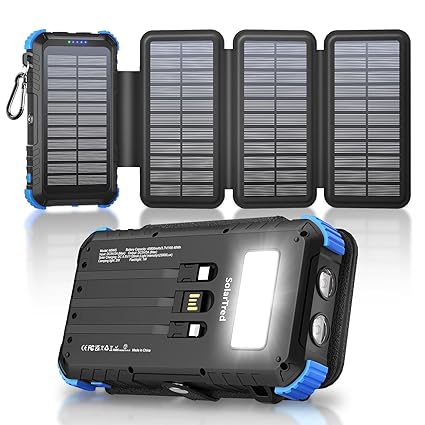
This beefy battery is a Swiss Army knife for your electronics. It packs a massive 45800mAh capacity and comes with four fold-out panels to soak up rays. With built-in cables and a bright flashlight, it’s the ultimate “just in case” tool for basecamp.
Winning and Losing Traits
Pros:
- Integrated cables mean no tangled mess.
- Massive capacity charges a phone many times.
Cons:
- Heavier than a standalone folding panel.
FlexSolar 10W Foldable Charger
Best for Rough Environments

If you’re prone to dropping gear in the mud, this rugged survivor is for you. Boasting an IP67 waterproof rating, it’s built for the nastiest conditions. The four-fold design stays slim in your side pocket and provides emergency juice for small gadgets like watches and headlamps.
Rugged Reality
Pros:
- Top-tier dust and water protection.
- Ultra-lightweight 4-panel folding system.
Cons:
- Not intended for large power banks.
BigBlue 35W Fast Charger
Best for Tech-Heavy Treks

When you need fast juice, this 35W beast delivers PD 25W through the USB-C port. Weighing only 1.54 lbs, it offers a pro-level power-to-weight ratio. The IP68 rating means it’s essentially dunk-proof, making it the gold standard for serious backcountry photographers.
Pro Performance Check
Pros:
- Blazing fast PD 25W charging speed.
- Superior IP68 weatherproofing.
Cons:
- Higher price point than basic models.
FlexSolar 40W Solar Panel
Best for Group Basecamps
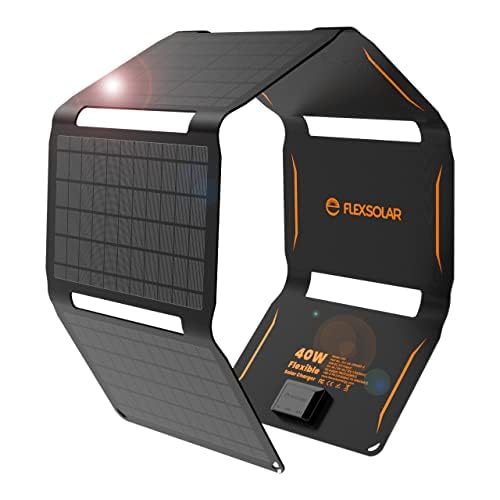
This is the big gun for when you have multiple devices to feed. The 40W output can handle tablets and multiple phones simultaneously without breaking a sweat. It’s surprisingly foldable for its power level, acting as a portable power station for long-haul expeditions.
Big Power Profile
Pros:
- Highest wattage for multiple devices.
- Sturdy build for long-term outdoor use.
Cons:
- Takes up significant pack real estate.
Pro Tip: Avoid “daisy-chaining” your phone directly to a panel in shifting shadows. Clouds or trees can cause “on-off” charging cycles that actually drain your battery or overheat the circuit. Always charge a small power bank first, then use that to juice your phone.