

When you’re looking for the best residential wind power generator, the decision often comes down to power output, ease of installation, and how the turbine fits your home’s energy needs. In this review, I’ll walk you through five popular models, highlight their strengths and drawbacks, and help you decide which one earns a spot on your property.


Best Residential Wind Power Generator Systems
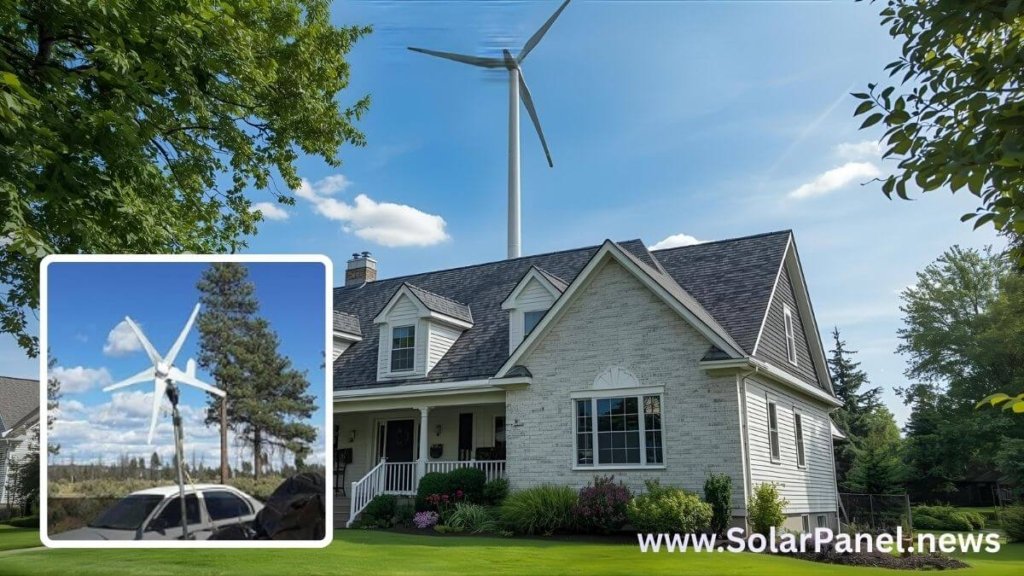
Many homeowners are turning to wind energy to lower their electricity bills and reduce their carbon footprint. A well‑sited turbine can generate 1–4 kW in typical breezy conditions, enough to offset a significant portion of a family’s power use. Below are the top contenders I’ve listed:
1200W Wind Turbine Generator

This 12 V unit packs a 1200 W rated output and includes an MPPT controller that maximizes energy harvest even in light winds. Its three‑blade design is quiet and compact, making it suitable for residential yards or farms. Installation is straightforward: most users mount it on a 10‑foot pole and connect it to a battery bank.
Pros:
- Good low‑wind performance
- Eco‑friendly materials
- Simple DIY setup
Cons:
- Limited to 12 V systems
- No Bluetooth monitoring
Best Use‑Case: Off‑grid cabins or homes with modest energy demands.
Windmill 1500W 24V Residential Wind Power Generator

The Automaxx 1.5kW turbine operates at 24V and features automatic and manual braking, plus Bluetooth connectivity for real‑time monitoring. Its three‑blade rotor is engineered for durability and low noise, while the included MPPT controller optimizes charge efficiency. The kit comes with everything needed for a quick install on a standard roof or ground mount.
Pros:
- Bluetooth performance tracking
- Dual braking systems improve safety
- Higher voltage for larger battery arrays
Cons:
- Slightly heavier than entry‑level models
- Price point may be high for some budgets
Hyuduo 1600W 5‑Blade Turbine

Designed for both residential and small commercial use, this 5‑blade turbine delivers 1.6kW at 12 volt. The extra blade count reduces start‑up wind speed, so you capture power earlier in the day. Its rugged frame is built to withstand harsh weather, and the MPPT controller ensures efficient battery charging. The unit is portable enough to relocate if needed.
Pros:
- Low start‑up wind speed
- Sturdy construction
- Versatile mounting options
Cons:
- Limited to 12V output
- No integrated inverter
3000W 48V Residential Wind Power Generator

This high‑output turbine provides up to 3kW at 48 V, making it one of the most powerful residential options on the market. It includes an MPPT controller and can be paired with solar panels for a hybrid system. The permanent‑magnet generator is quiet, and the five‑blade design offers excellent efficiency in moderate winds. Installation requires a sturdy pole and professional help for the higher voltage wiring.
Pros:
- Very high power output
- Compatible with solar hybrid setups
- Quiet operation
Cons:
- Higher cost and installation complexity
- Requires 48 V battery infrastructure
Best Use‑Case: Large homes or small businesses seeking substantial energy independence.
48V 4000W Wind Turbine Power Generator with Kit

The 4kW 48 Volt kit is aimed at homeowners who need maximum output. It features five low‑noise blades, an MPPT charge controller, and a built‑in inverter for direct AC use. The system includes a robust mounting bracket and can be expanded with additional turbines for a modular approach. While it’s the most expensive option, the power it generates can cover most of a typical household’s electricity.
Pros:
- Highest wattage of the group
- Integrated inverter simplifies wiring
- Scalable system
Cons:
- Premium price
- Requires professional installation
Use Cases: Energy‑intensive homes or those planning a full‑scale renewable setup.
Compare the top residential wind power generators
| Wind Generator | Power (W) | Voltage | Blades | MPPT |
| 1200W Turbine | 1200 | 12 V | 3 | Yes |
| 1500W Automaxx | 1500 | 24 V | 3 | Yes |
| 1600W Hyuduo | 1600 | 12 V | 5 | Yes |
| 3000W 48V | 3000 | 48 V | 5 | Yes |
| 4000W Kit | 4000 | 48 V | 5 | Yes |
You Can Read: Best Generator for Apartment Refrigerator Backup
Bottom Line,
Choosing the best residential wind power generator depends on your household’s energy consumption, budget, and local wind conditions. If you need a modest, easy‑to‑install solution, the 1200 W model is a solid entry point. For larger energy needs, the 3000 W or 4000 W units provide the power you’ll need, albeit with higher upfront costs and more involved installation.
Ready to harness the wind? Pick the turbine that matches your goals, follow the manufacturer’s guidelines, and enjoy cleaner, lower‑cost electricity for years to come.