

Most people don’t need a massive power plant. You need something you can carry with one hand that won’t annoy your campsite neighbors or wake the whole block. I’ve looked at the current market to find the best small gas generator options that balance power, portability, and price. Whether you are tailgating or just prepping for storm season, here is what you need to know.
Small Gas Generator Comparison
| Generator Name | Wattage | Engine Type | Best For | Noise Level |
| Aceup Energy | 1200W | 4-Stroke | Camping Light | Low |
| Generic 71CC | 800W | 2-Stroke | Budget Backup | High |
| Konner&Sohnen | 3200W | Inverter | RV / Home | Low-Medium |
| Generic 4400W | 4400W | Open Frame | Power Tools | Medium-High |
| PowerSmart | 1200W | 4-Stroke | Quiet Camping | Low |
The Best Small Gas Generator Options
Here is the breakdown of the top compact generators available right now. I’ve looked past the marketing fluff to see what these machines can actually handle.
Aceup Energy 1200W – Best Ultralight Camping Generator
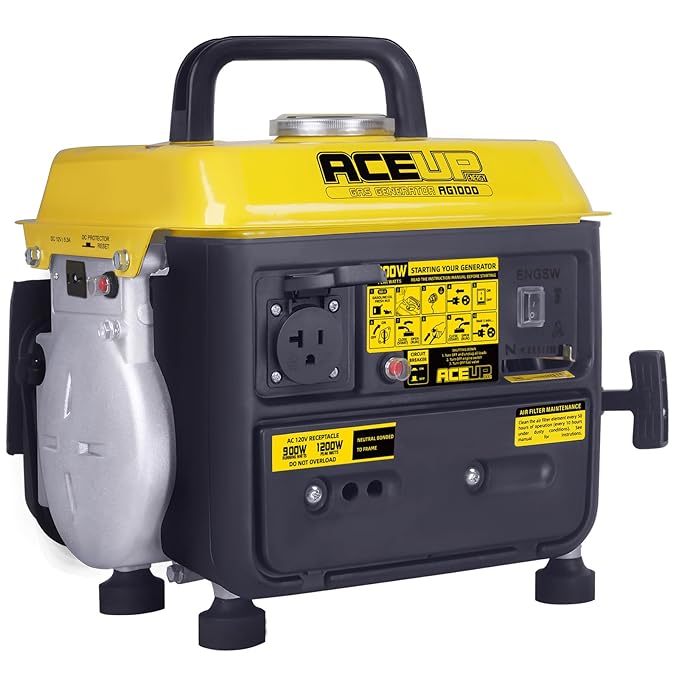
This is exactly what I picture when someone asks for a “small” generator. The Aceup Energy 1200W is compact, lighter than most coolers, and designed specifically for portability. It’s not trying to power your whole house, and it knows that.
In real-world use, this is your go-to for “creature comforts” while camping. Think charging laptops, running a CPAP machine, or powering a string of lights. It runs on a standard 4-stroke engine, which means you don’t have to mix oil and gas—a huge plus for anyone who hates the mess of 2-cycle engines. It’s relatively quiet, making it a solid neighbor at a crowded campground.
Pros:
- Super Lightweight: You can genuinely carry this with one hand without straining.
- Clean Power: It’s an inverter, so it’s safe for sensitive electronics like phones and laptops.
Cons:
- Limited Power: Just a heads up, 1200W is the starting watts. Running watts are lower, so don’t expect to run a microwave or AC unit on this.
Generic 71CC 800W – Best Budget “Tailgater” Pick
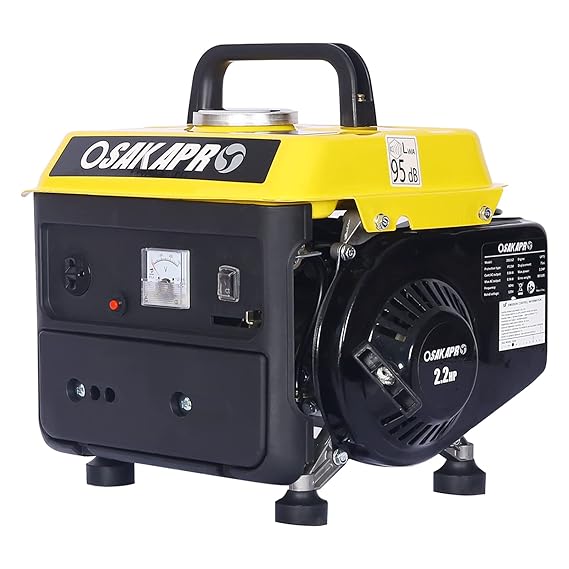
Unlike the Aceup above, this yellow 71CC model is a throwback to old-school designs. It’s a 2-stroke engine. That means you have to mix oil and gas in the tank. It is significantly cheaper than most inverters, which makes it attractive if you are on a strict budget.
However, be skeptical of the “Low Noise” claim in the title. 2-stroke engines typically have a distinct, high-pitched whine that sounds a bit like a weed whacker. I see this as a dedicated tailgating tool or a “last resort” emergency backup. It’s rugged and simple, but it lacks the refinement of modern 4-stroke inverters.
Pros:
- Price: It is usually much more affordable than inverter generators.
- Simplicity: Fewer electronic parts often means fewer things to break if you are mechanically inclined.
Cons:
- The “Buzz”: 2-strokes are generally louder and smokier than 4-strokes. Your neighbors might not love you.
Konner&Sohnen 3200W – Best Heavy-Duty Portable Inverter

Now we are stepping up in weight class. If the first two generators are for charging phones, the Konner&Sohnen is for keeping the fridge running. This German brand unit offers 3200 watts, which is a massive jump in capability compared to the Aceup or the 71CC Generic.
Despite the power increase, it is still an “inverter,” meaning it throttles down when you aren’t using full power to save fuel and reduce noise. It feels much more substantial. You won’t be hiking with this, but it’s still portable enough to lift into a truck bed. The inclusion of a CO sensor is a great modern safety feature that cheaper generic brands often skip.
Pros:
- High Output: 3200W is enough to run a small RV air conditioner or a refrigerator during an outage.
- Smart Efficiency: The Eco-mode helps the fuel tank last longer when you are just running lights.
Cons:
- Weight: It is significantly heavier than the 1200W models. “Portable” here means it has a handle, not that it’s effortless to carry.
Generic 4400W Open Frame – Best Maximum Power Value
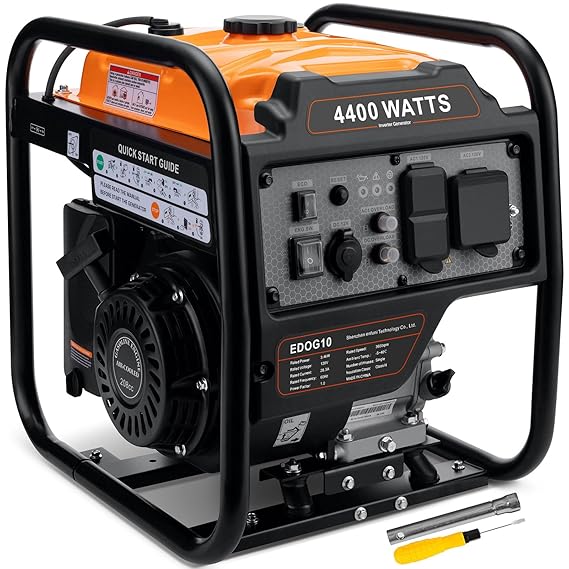
This is an “Open Frame” generator. Unlike the Konner&Sohnen which is enclosed in plastic to dampen sound, this unit leaves the engine exposed. The trade-off? You get a lot more raw power (4400W) for your money.
I recommend this strictly for home backup or job sites where noise isn’t the primary concern. It is RV ready with a 30A outlet, which is a fantastic feature. However, because it’s an open frame, it’s going to be louder. If you try to use this at a quiet campground, you will likely get complaints. It’s a workhorse, not a quiet companion.
Pros:
- Raw Power: 4400 Watts covers almost all essentials, including sump pumps and window ACs.
- RV Ready: Comes with the specific plug needed for campers, saving you from buying adapters.
Cons:
- Noise Factor: Open frame generators are noticeably louder than enclosed inverters.
PowerSmart 1200W – Best Quiet Operation Alternative

The PowerSmart is the direct rival to the Aceup Energy model I mentioned first. They have very similar specs—1200W, lightweight, and enclosed design. This 2024 version focuses heavily on being “Super Quiet.”
For a solo camper or someone looking to power a vendor booth at a market, this is a solid choice. It feels refined. The plastic casing does a good job of muffling the engine purr. It doesn’t have the raw grunt of the 3000W+ models, but for small electronics and lights, it is incredibly fuel-efficient. It sips gas rather than guzzling it.
Pros:
- Stealthy: Designed to be as unobtrusive as possible, making it great for sleeping near.
- User Friendly: Very easy to start and operate, even if you aren’t a mechanic.
Cons:
- Plastic Shell: While it keeps it quiet, the outer shell can feel a bit plasticky compared to rugged open-frame industrial models.
Buying Guide
Choosing the right generator comes down to what you actually plan to plug in. Don’t overspend on power you won’t use, but don’t underbuy and find yourself in the dark.
If you just need to charge phones and run a CPAP while camping: Buy the Aceup Energy or PowerSmart. They are quiet, light, and sip fuel.
If you need to power a Fridge or RV AC: You need the Konner&Sohnen. The smaller units simply cannot handle the startup surge of large appliances.
If you are on a tight budget and don’t care about noise: The Generic 71CC will get the job done, but be prepared to mix oil.
If you need maximum power for home backup and have a backyard: The Generic 4400W gives you the most watts per dollar, provided you can handle the noise level.