

Stop fumbling for candles. When the grid goes down, you need instant power, not excuses. Whether you need to keep the fridge cold or just keep your phone alive to check emergency alerts, we’ve ranked the top gear to keep your home running.
Top Picks: Best Solar Generator for Power Outage Comparison
| Generator | Best For | Capacity/Output |
| Jackery HomePower 3000 | Whole Home Backup | 3072Wh / 3000W |
| MARBERO 88.8Wh | Budget Device Charging | 88.8Wh / 80W |
| EnginStar 150W | Basic Emergency Kit | 155Wh / 150W |
| Solar Powered 300W | Small Appliance Backup | 220Wh / 300W |
| Solar Power Bank Lifepo4 | Grab-and-Go Bag | Small / Flashlight |
| GRECELL 230Wh | Fast Charging Needs | 230Wh / 600W Surge |
| Portable Station 97Wh | Ultra-Portable Travel | 97.68Wh / 120W |
Jackery HomePower 3000
Best for Whole Home Backup
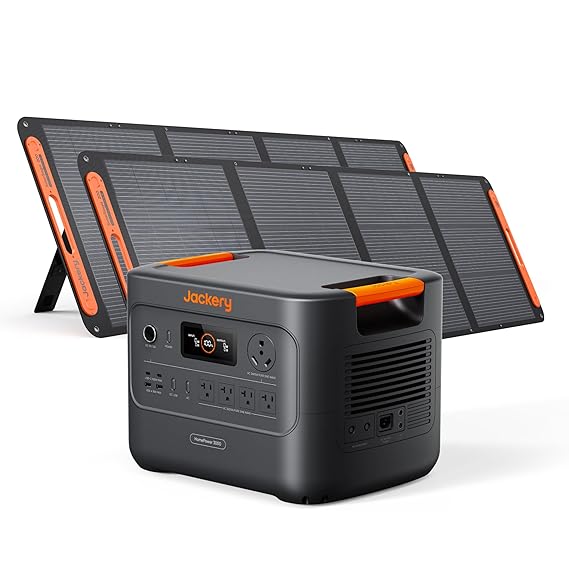
This is the Big Kahuna. If you’re serious about ignoring the blackout, the Jackery 3000 Pro is the heavy hitter you need. It comes with two 200W solar panels, meaning you can recharge this beast off-grid while it runs high-draw appliances like your fridge, microwave, or heater. It’s not just a battery; it’s a grid replacement for a day or two.
Fast Facts:
- Monster Output: 3000W rated (7200W surge) handles 99% of household appliances.
- Huge Tank: 3072Wh capacity keeps essentials running for days, not hours.
- Smart Control: App control lets you monitor usage without getting off the couch.
- Cold Friendly: Works down to -20°C, crucial for winter storms.
Pros & Cons
- Pros:
- Runs heavy-duty appliances (AC, Fridge).
- Includes high-quality solar panels.
- Wheels and handle for easy movement (suitcase style).
- Cons:
- Heavy investment (pricey).
The Verdict: Buy this if you want to live like the power never went out. If you just need to charge a phone, it’s overkill.
MARBERO 88.8Wh Solar Generator
Best for Budget Device Charging

Perfect for the “Bug Out Bag.” This unit is tiny, lightweight, and comes with a modest solar panel. It won’t run a coffee maker, but it will keep your smartphone, GPS, or drone alive when you’re trekking or stuck in a car. It’s the ultimate entry-level insurance policy for staying connected.
Fast Facts:
- Featherweight: Weighs next to nothing (under 2.5 lbs).
- All-in-One: Comes with a 21W solar panel right in the box.
- Flashlight Built-in: Integrated LED for emergency lighting.
Pros & Cons
- Pros:
- Extremely portable and compact.
- Affordable entry point.
- Solar panel included.
- Cons:
- Very low capacity (88Wh); strictly for small electronics.
The Verdict: A solid stocking stuffer or emergency car kit addition. Skip it if you need AC power for laptops or appliances.
EnginStar Portable Power Station
Best for Basic Emergency Kit

The EnginStar is your reliable “ol’ faithful” for basic needs. With 155Wh, it has almost double the juice of the MARBERO, making it safer for charging a laptop once or twice alongside your phones. It features plenty of ports (USB, AC, DC) to keep the whole family’s gadgets green-lit during a storm.
Fast Facts:
- Versatile Ports: 110V AC outlet, DC ports, and USBs cover all bases.
- ** decent Capacity:** 42,000mAh allows for multiple phone recharges.
- SOS Ready: Built-in LED light with SOS mode for signaling.
Pros & Cons
- Pros:
- Good balance of size vs. power.
- Simple, no-nonsense interface.
- Quiet operation.
- Cons:
- 150W limit trips easily with heaters or kettles.
The Verdict: Great middle-of-the-road pick for keeping gadgets alive during a weekend blackout.
Solar Powered Generator 300W
Best for Small Appliance Backup
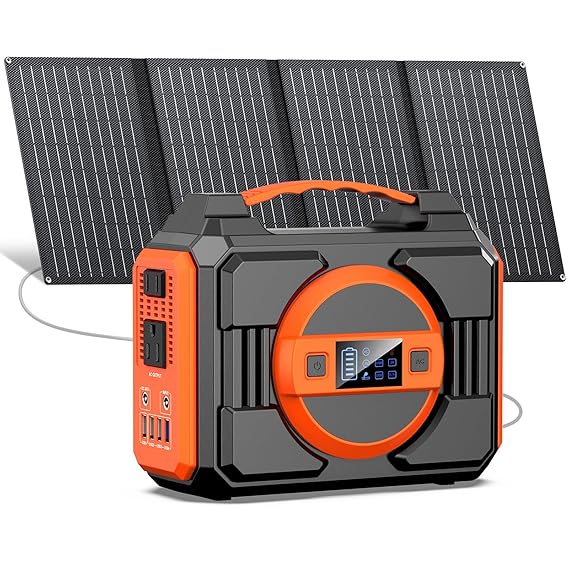
Stepping up the game, this 300W unit offers Pure Sine Wave power, which is cleaner and safer for sensitive electronics like CPAP machines or medical devices. It comes with a 40W solar panel, giving you a self-sustaining loop. It’s the sweet spot for camping trips or keeping a router and laptop running for work-from-home emergencies.
Fast Facts:
- Pure Sine Wave: Cleaner energy that won’t damage sensitive tech.
- Solar Included: 40W panel makes it a complete kit out of the box.
- Solid Capacity: 220Wh gives you a few hours of TV or desktop use.
Pros & Cons
- Pros:
- Safe for medical devices/CPAP.
- Decent recharge speed with solar.
- 300W handles small fans and lights easily.
- Cons:
- Solar charging is slow with only 40W input.
The Verdict: If you need to run a CPAP or sensitive medical gear on a budget, grab this one.
Solar Power Bank Lifepo4
Best for Grab-and-Go Bag
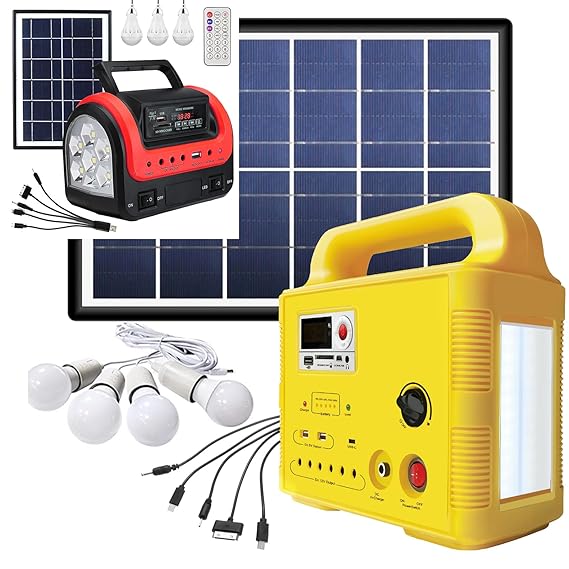
This is essentially a super-sized flashlight that stores power. It’s built for durability with LiFePO4 battery tech (longer lifespan). It’s not a “generator” in the traditional sense, but a rugged power bank designed for hurricane supplies. Toss it in your closet and forget it until the wind starts howling.
Fast Facts:
- LiFePO4 Tech: safer and lasts more cycles than standard lithium batteries.
- High Vis: The flashlight is a primary feature, not an afterthought.
- Compact: Fits in a glovebox or drawer easily.
Pros & Cons
- Pros:
- Durable battery chemistry.
- Excellent emergency lighting.
- Very low maintenance.
- Cons:
- Not for powering AC appliances; strictly USB/Light.
The Verdict: Buy this for your hurricane preparedness kit. It’s a lifesaver when the lights go out, literally.
GRECELL Solar Generator
Best for Fast Charging Needs

Nobody likes waiting. The GRECELL stands out with 1.5-hour fast charging, so you can juice it up quickly from a wall outlet right before the storm hits. With a 600W surge, it can briefly handle startup loads for small appliances that other small generators would choke on.
Fast Facts:
- Speed Demon: Recharges fully in roughly 90 minutes via AC.
- Power Surge: 600W peak output handles motor start-ups better.
- USB-C PD: High-speed charging for modern MacBooks and phones.
Pros & Cons
- Pros:
- Fastest recharge time in its class.
- informative LCD display.
- 40W panel included.
- Cons:
- Fan can be a bit noisy under load.
The Verdict: If you’re the type to forget to charge your gear until the last minute, this is your savior.
Portable Power Station 97.68Wh
Best for Ultra-Portable Travel
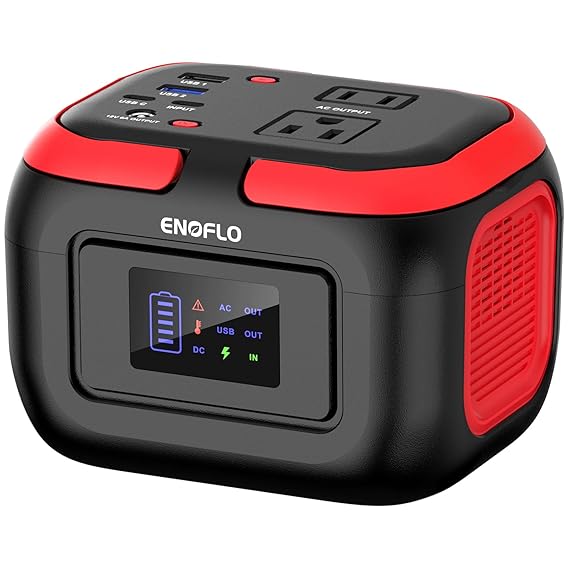
Under 100Wh means one thing: TSA Compliant. You can legally bring this on a plane in your carry-on. It’s perfect for digital nomads or photographers who need AC power in the airport or at a remote shoot location. It’s small, cute, and gets the job done for small tech.
Fast Facts:
- Fly Friendly: <100Wh capacity passes airline regulations.
- Quick Charge 3.0: Fast USB charging for supported devices.
- AC Outlet: A rare find on a battery this small.
Pros & Cons
- Pros:
- airline legal.
- Extremely compact.
- Cheap backup solution.
- Cons:
- AC outlet maxes at 120W; watch your wattage.
The Verdict: The traveler’s best friend. Buy it if you need power at 30,000 feet or in the terminal.
Quick Buying Tip
Don’t Be Fooled by “Surge” Power.
Manufacturers love to advertise the “Peak” or “Surge” wattage (e.g., 600W), but the Rated/Running wattage (e.g., 300W) is what matters. If your device pulls 350W continuously, a 300W rated generator will shut down, even if the surge is higher. Always size for the running watts.