

If you’re building or upgrading a solar setup, the controller is the quiet workhorse that decides how efficiently your panels actually charge your batteries. Victron gear is known for reliability and smart monitoring, but not every blue box plays the same role. Some products are true MPPT solar charge controllers, while others support or enhance a solar system in different ways.
In this article, we will break down what each option really does, how it fits into a real-world setup, and where it makes sense—or doesn’t—depending on how you plan to use your solar power.
5 Best Victron MPPT Solar Charge Controller Options
| Controller | Primary Role | Voltage Support | Max Current | Bluetooth | Best Use Case |
| SmartSolar MPPT 100/50 | MPPT solar charge controller | 12V / 24V | 50A | Yes | Core solar charging |
| Orion-XS Smart DC-DC | DC to DC charger | 12V to 12V | 50A | Yes | Alternator + solar systems |
| Smart Battery Shunt | Battery monitor | 6.5–70V | 300A | Yes | Tracking solar performance |
| Orion-Tr 12/12 9A | DC to DC converter | 12V to 12V | 9A | No | Small auxiliary loads |
| Orion-Tr 24/12 20A | DC to DC converter | 24V to 12V | 20A | No | Mixed-voltage systems |
Victron Energy SmartSolar MPPT 100/50
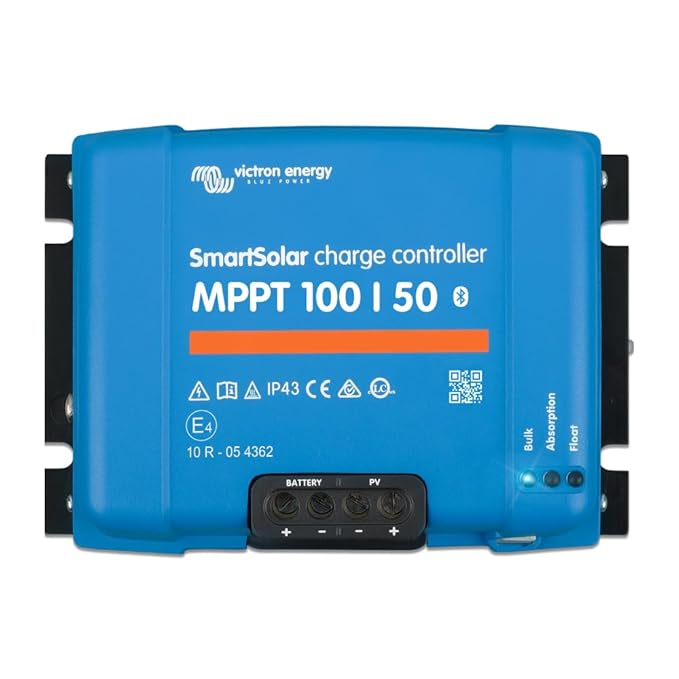
This is the actual MPPT solar charge controller in the lineup—and it’s the backbone of many reliable off-grid systems. It efficiently converts higher-voltage panel input into usable battery charging power, even in partial shade or variable sun. Bluetooth monitoring through the app is genuinely useful, letting you see charge status and tweak settings without extra hardware.
The limitation is capacity. With a 50A ceiling, it’s ideal for medium-sized arrays but not massive solar banks unless you run multiple controllers. There’s also no built-in display, so everything happens through your phone.
Verdict: Buy this if you want a dependable MPPT controller with smart monitoring; skip it only if your system is far larger than its rating.
Victron Energy Orion-XS Smart DC to DC Charger
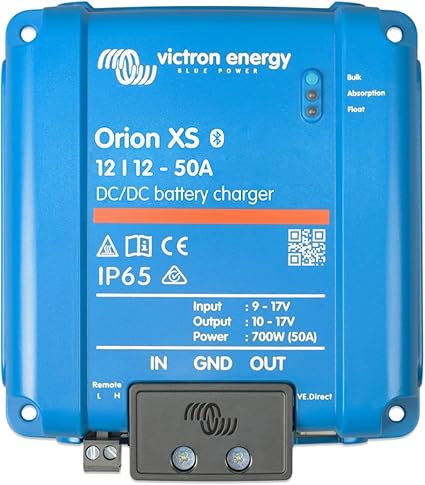
This unit isn’t an MPPT controller, but it often gets paired with one. It manages power coming from an alternator, safely charging batteries alongside solar input. In real-world RV and van builds, it prevents overcharging and plays nicely with lithium batteries.
Its downside is cost and complexity if you only need solar charging. On its own, it won’t regulate panel input.
Verdict: Ideal for dual-source systems using both solar and vehicle charging; unnecessary for solar-only setups.
Victron Energy Smart Battery Shunt
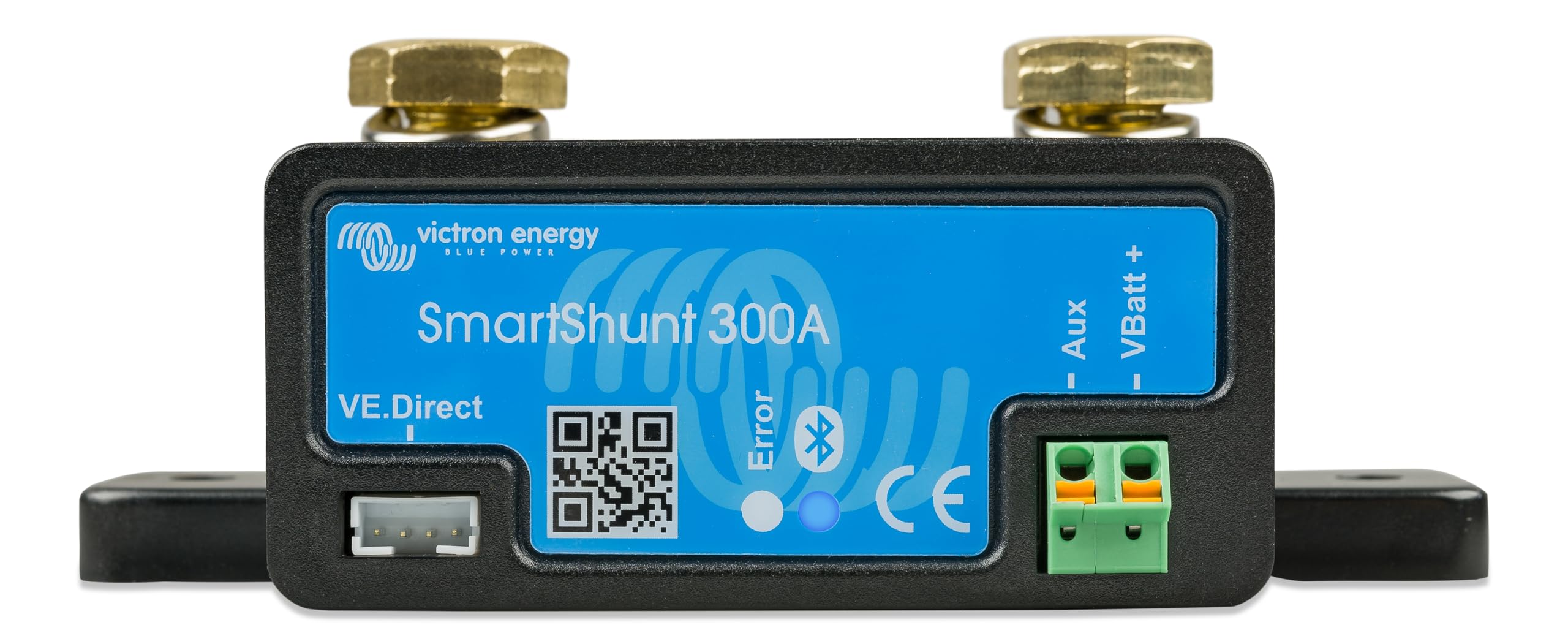
Again, not an MPPT controller—but extremely useful for understanding how well your MPPT is doing its job. This shunt gives accurate battery state-of-charge data and reveals whether your solar controller is actually keeping up with demand.
It doesn’t move or regulate power, so it adds no charging capability by itself. Installation also requires wiring into the battery negative line.
Verdict: Worth adding if you care about visibility and system efficiency; skip it if you just want basic charging without data.
Victron Energy Orion-Tr DC to DC Converter 12/12 9A
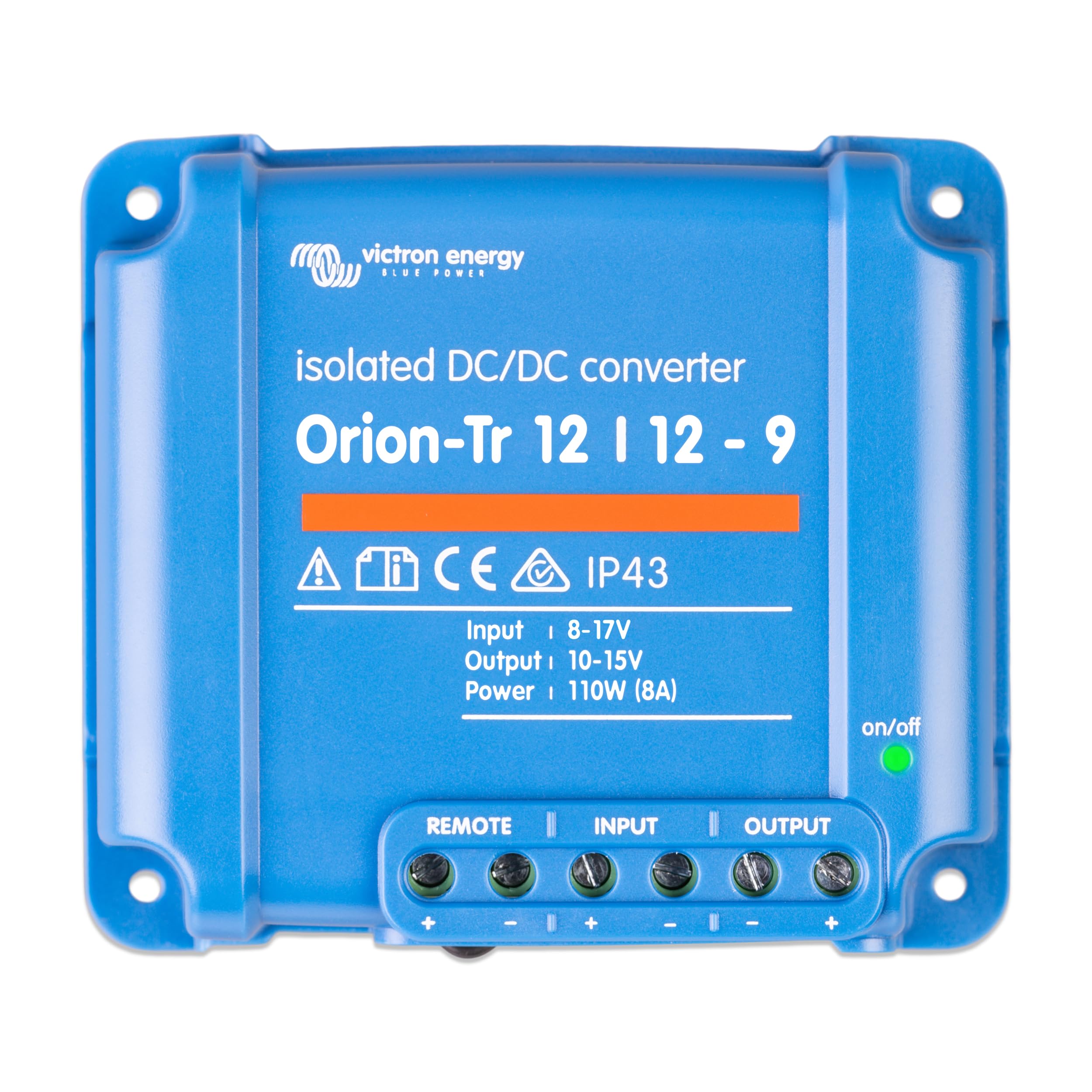
This small converter handles voltage stabilization between 12V sources, often used for electronics or light auxiliary loads. It complements a solar system by protecting sensitive gear from voltage swings.
The output is limited, and there’s no Bluetooth or solar tracking involved.
Verdict: Useful for clean power delivery to small loads; not relevant if your goal is solar charging control.
Victron Energy Orion-Tr DC to DC Converter 24/12 20A
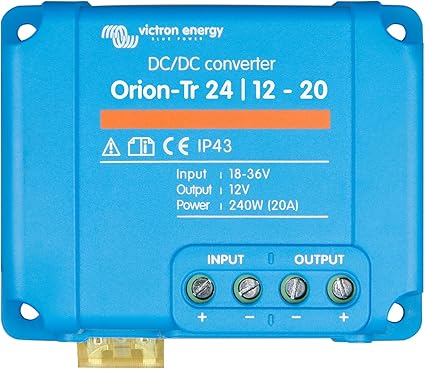
This version steps 24V systems down to 12V, common in boats and industrial vehicles with solar installed upstream. It’s efficient and rugged, but strictly a converter.
It won’t replace an MPPT controller and doesn’t manage solar input directly.
Verdict: Buy it for mixed-voltage systems; avoid it if you’re expecting solar regulation.
Remember! Not Every Blue Box Is an MPPT
Many buyers assume all Victron power products manage solar panels. In reality, only the SmartSolar line handles MPPT charging. The others support charging, monitoring, or voltage conversion—but they don’t replace a solar charge controller.
Final Takeaway,
If you’re searching for the 5 best Victron MPPT solar charge controller options, understand that the SmartSolar MPPT 100/50 is the true controller doing the heavy lifting. The remaining products make sense as companions: helping you monitor performance, integrate alternator charging, or manage voltage. But they don’t duplicate MPPT functionality. Choose based on your system size, power sources, and how much visibility you want into daily solar performance.