

Want to turn that creek in your backyard into free electricity? You need a water wheel electric generator. Whether you’re powering a remote cabin, charging devices while camping, or teaching your kids about renewable energy, these turbines harvest the flow to keep your lights on. Skip the gas generators, tap into nature’s “juice” with these picks.
Compare Top Water Wheel Electric Generator Models
| Generator Name | Power Output | Best For | Type |
| Water Turbine Generator (100W) | 100W | Aesthetic/Light DIY | Waterwheel |
| Thames & Kosmos Kit | N/A (Exp.) | Kids/Education | STEM Kit |
| Micro Hydro Turbine (100W) | 100W | Eco-Cabins | Waterwheel |
| Mini Hydro Turbine | Low-Speed | Compact DIY | Waterwheel |
| 3000W Hydro Generator | 3000W | Whole Home | High-RPM Turbine |
| 1KW Hydro Generator | 1000W | Camping/RVs | Portable Turbine |
Why You Need a Water Wheel Electric Generator
If you have flowing water, you have liquid gold. A water wheel electric generator converts kinetic energy into stable electricity without burning a drop of fuel. From massive 3000W units that can run a fridge to 100W aesthetic wheels for garden lighting, there is a setup for every stream. Stop wasting that potential energy, harness the flow and cut the cord with the grid.
Best Water Wheel Electric Generator for Off-Grid Power
Water Turbine Generator (100W)
Best for Backyard Aesthetics & Lighting
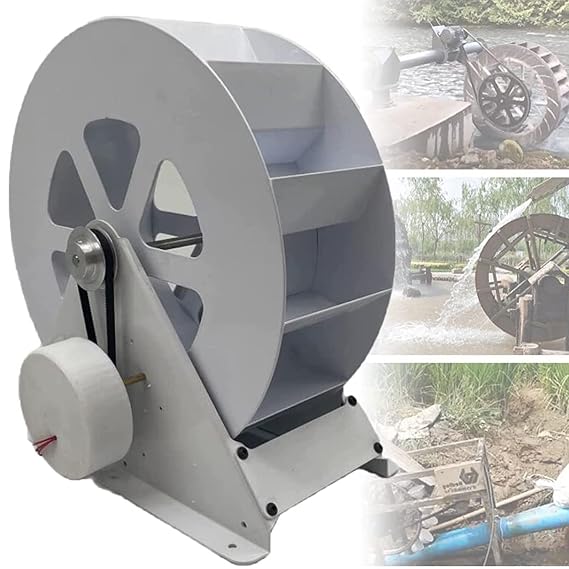
This isn’t just a generator; it’s a statement piece for your property. This water wheel electric generator uses a classic waterwheel design to churn out up to 100W. It’s perfect for low-speed flows where high-pressure turbines fail. Hook it up to charge small batteries or run your outdoor LED landscape lighting. It’s rugged, disc-type generation means less friction and more consistent power for your low-wattage needs.
Key Features:
- Output: 100W rated power for small electronics/lights.
- Design: Low-speed disc-type (classic waterwheel look).
- Usage: Ideal for streams with volume but low pressure.
Pros & Cons
- Pros:
- Works with low water flow speed.
- Looks great in a garden setting.
- Durable outdoor construction.
- Cons:
- Not powerful enough for heavy appliances.
If you want that rustic look that actually produces juice for your porch lights, grab this. If you need to run a microwave, look bigger.
Thames & Kosmos Hydropower Science Kit
Best for STEM Education & Kids

Don’t buy this expecting to power your house, but definitely buy it to power a young mind. This kit is a Parents’ Choice Award winner that teaches the physics behind the water wheel electric generator. It comes with 12 experiments to build waterwheels, sawmills, and hammer mills. It’s the ultimate “edutainment” to get kids off screens and into the creek (or kitchen sink).
Key Features:
- Experiments: 12 guided setups included.
- Learning: Covers renewable energy and mechanical physics.
- Components: Modular plastic parts for custom builds.
Pros & Cons
- Pros:
- Excellent educational value.
- Safe for kids (Age 8+).
- No batteries required for the models.
- Cons:
- Does not generate usable electricity for devices.
Verdict: The perfect gift for the budding engineer. Buy this to spark an interest in science, not to charge your iPhone.
100W Micro Hydro Turbine Generator
Best for Eco-Friendly Outdoor Cabins

Similar to the first pick but focused heavily on the “Eco-Friendly” aspect, this 100W unit is built for the off-grid lifestyle. It operates as a low-speed water wheel electric generator, making it safe for local wildlife (fish friendly). It’s designed to sit in your stream and trickle charge a battery bank 24/7. It’s a “set it and forget it” solution for maintaining charge on 12V systems in remote locations.
Key Features:
- Eco-Focus: Fish-friendly low RPM operation.
- Application: Continuous trickle charging for battery banks.
- Build: Weather-resistant materials for permanent installation.
Pros & Cons
- Pros:
- Silent operation.
- Environmental friendly energy solution.
- Low maintenance design.
- Cons:
- 100W is a “slow drip” of power, requires battery storage.
Ideal for the eco-conscious cabin owner who needs to keep the lights on without disturbing the local trout population.
Mini Hydro Electric Turbine Generator
Best for Compact DIY Projects

Need a small footprint? This mini water wheel electric generator is the “pocket knife” of hydro power. It is designed for low-speed water flows but keeps the form factor tight. It’s a great choice for DIYers building a custom hydro setup who don’t have the space for a massive wheel. Use it to experiment with hydro power on small creeks or drainage ditches.
Key Features:
- Size: Compact form factor for tight spots.
- Type: Low-speed hydro harvesting.
- Versatility: Great for custom mounting solutions.
Pros & Cons
- Pros:
- Easier to hide/camouflage than big wheels.
- sturdy construction.
- Great for experimental setups.
- Cons:
- Limited documentation for beginners.
Verdict: A solid “beater” generator for DIY experiments. If you like tinkering and building custom mounts, start here.
3000W Micro Hydroelectric Generator
Best for High Power & Whole Home Use

Now we’re talking real power. This beast puts out 3000W (3kW) at 220V. Unlike the waterwheels above, this is a high-RPM turbine that needs pressure (head). If you have a piped water source with a drop, this water wheel electric generator alternative can run your TV, fridge, and computer simultaneously. It features a permanent magnet generator and includes a ballast for stability.
Key Features:
- Power: Massive 3000W output / 220V.
- Speed: 3500 RPM (Requires high pressure/inlet).
- Inlet: Fits 110mm pipe for serious flow.
Pros & Cons
- Pros:
- Legit power for household appliances.
- High efficiency permanent magnet motor.
- Industrial grade build.
- Cons:
- Requires significant water pressure (head) and piping; not for slow streams.
The heavy lifter. If you have a steep hill and water pipe, buy this to say goodbye to the electric company.
1KW Hydro Generator
Best for Camping & RVs
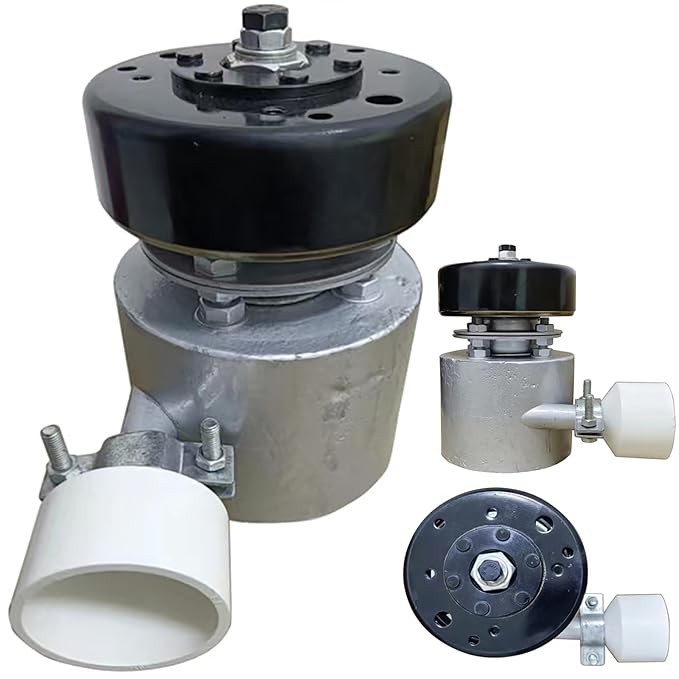
For the camper who wants more than just a phone charge. This 1000W unit bridges the gap between the toy wheels and the industrial turbines. It provides 220V power suitable for TVs, laptops, and camp lighting. It’s portable enough to haul to a base camp but powerful enough to make “roughing it” feel like a hotel stay. Works best with a directed flow setup.
Key Features:
- Output: 1000W (1kW) at 220V.
- Portability: Small enough for RV/Truck camping setups.
- Utility: Runs computers, charging stations, and lights easily.
Pros & Cons
- Pros:
- Excellent power-to-weight ratio.
- Versatile for different outdoor electronics.
- faster RPM for better voltage stability.
- Cons:
- 220V output might need a converter for standard US 110V plugs depending on your gear.
Verdict: The “Goldilocks” option. Not too big, not too small. Perfect for the serious camper or prepper.
Buying Tip
Don’t ignore the “Head”:Waterwheels (like product 1, 3, 4) work on flow (volume of water), but Turbines (products 5, 6) rely on head (pressure from dropping water). If you have a flat stream, stick to the waterwheels; turbines won’t spin without pressure!