
How long do solar panels last? Learn more about their lifespan, warranty, and maintenance: Solar panels are built to withstand the test of time, rain, shine, or even snow. On average, most solar panels last 25 to 30 years. But that doesn’t mean they’ll suddenly stop working after their 30th birthday. Instead, they experience a gradual decline in energy production, known as the “degradation rate.”
Modern solar panels degrade at about 0.5% per year, meaning that after 25 years, they still operate at roughly 85% of their original capacity. This slow decrease ensures you can continue to enjoy significant energy savings for decades.


You can read: 5 Portable Solar Kits Under $500 (Budget Picks for You).
How Long Do Solar Panels Last?
I briefly said in the introduction that Solar panels are a long-term investment, and most high-quality models are designed to last 25 to 30 years or more. However, they don’t suddenly stop working after three decades; instead, their efficiency gradually declines.
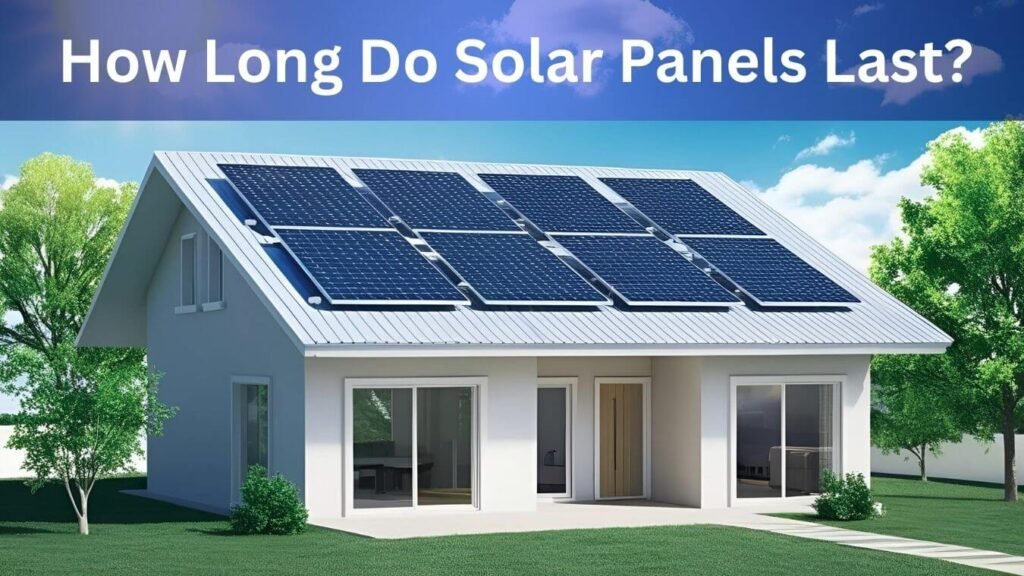
Average Lifespan of Solar Panels
The average lifespan of solar panels is typically between 25 and 30 years. This estimate is based on manufacturer specifications and real-world performance data. During this time, solar panels will continue to generate electricity, though their efficiency may decrease by about 0.5% to 1% annually, a phenomenon known as degradation.
- Monocrystalline Panels: Known for their high efficiency and durability, these panels often last closer to 30 years.
- Polycrystalline Panels: Slightly less efficient but still reliable, with lifespans averaging around 25 years.
- Thin-Film Panels: These have shorter lifespans compared to crystalline options, usually lasting about 20 years.
Most manufacturers estimate their panels will operate at:
- 80-90% efficiency after 25 years
- 70-80% efficiency after 30 years
While panels can continue generating power beyond this period, their energy output slowly decreases over time.
Here’s an Extra descriptive list of what you can expect over time:
- 0–10 Years: Panels operate at peak efficiency (95%–100% of rated output).
- 10–20 Years: Slight efficiency decline (90%–95%).
- 20–30 Years: Noticeable but manageable drop (85%–90%).
- 30+ Years: Panels still produce energy, but may no longer meet your household’s full needs.
Pro Tip: Some older solar systems installed in the 1980s are still generating electricity today, proving how durable quality panels can be!
Warranty Expectations
When purchasing solar panels, understanding the warranty is key. Most manufacturers offer two types of warranties:
- Performance Warranty: Guarantees that your panels will produce at least 80% of their original output after 25 years.
- Product Warranty: Covers defects and manufacturing issues, typically lasting 10 to 12 years, though some premium brands extend this to 25 years.
Key Insight: High-quality panels often come with longer warranties, giving you extra peace of mind. Brands like SunPower, LG, and Panasonic are known for offering some of the best coverage in the industry.
Pro Tip: Always check the warranty details before purchasing. Some premium brands offer extended coverage.
Factors That Affect Lifespan
Several variables can impact how long your solar panels last:
- ✔ Quality of Materials: Premium panels have lower degradation rates.
- ✔ Installation Quality: Poor installation can cause stress on panels and reduce their lifespan.
- ✔ Climate Conditions: Extreme weather, like heavy snow or high heat, can accelerate wear and tear.
- ✔ Maintenance Practices: Regular upkeep helps panels perform at their best.
- ✔ Panel Type: Monocrystalline panels generally outlast polycrystalline options.
My personal advice: If you live in an area prone to harsh weather, consider investing in durable mounting systems and protective coatings for added resilience.
Maintenance Tips for Longevity
To get the most out of your solar panels, follow these best practices:
✅ Clean Your Panels Periodically: Dust, dirt, bird droppings, and leaves can reduce efficiency. Use water and a soft brush to clean them safely.
✅ Inspect for Damage: Check after severe weather for cracks or loose wiring.
✅ Monitor Energy Output & Performance: Many solar systems come with apps or software to track energy output. So, use the monitoring “Software / Apps” provided by your installer to track energy production and spot potential issues early.
✅ Trim Nearby Trees: Overhanging branches can shade your panels and cause debris buildup. So, keep branches away to avoid shading and physical damage.


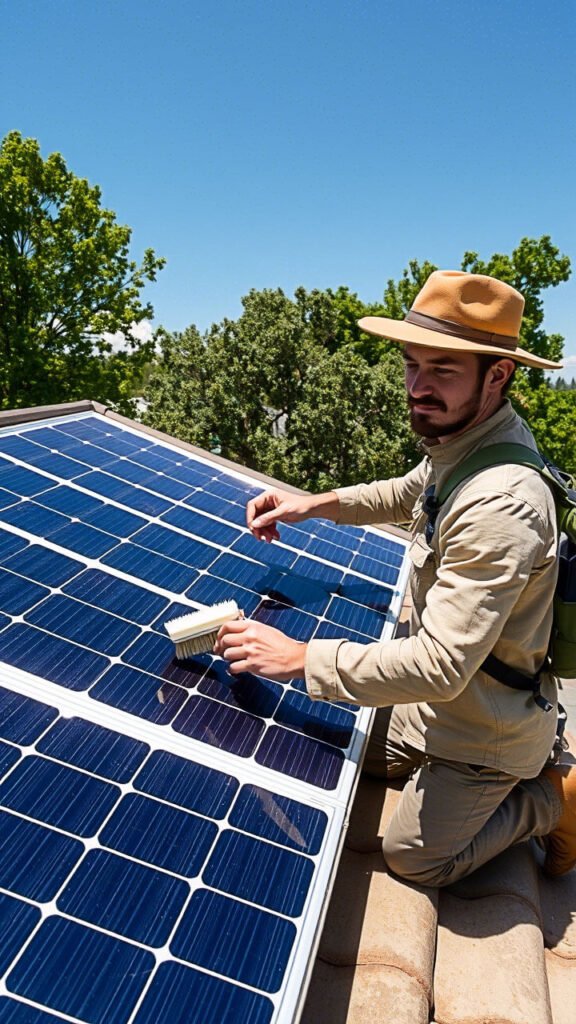
Trees (Plants) keep our nature alive and vibrant. So, to maintain the balance of the environment and natural beauty, take care of the trees as much as possible. That is, instead of permanently cutting them from the base of the tree, trim the branches that shade the solar panels.
When to Replace Panels
While solar panels are built to last, there comes a time when replacement becomes necessary. Signs that it’s time to upgrade include:
⚠ Efficiency drops below 65% or lower: If energy production no longer meets your needs.
⚠ Physical damage occurs: Cracks, delamination, or corrosion can worsen over time.
⚠ Outdated Technology: Old Solar Panels mean Outdated technology, that’s no longer efficient or compatible with modern inverters. But newer panels may offer much higher efficiency, making an upgrade worthwhile. So upgrading may offer better savings.
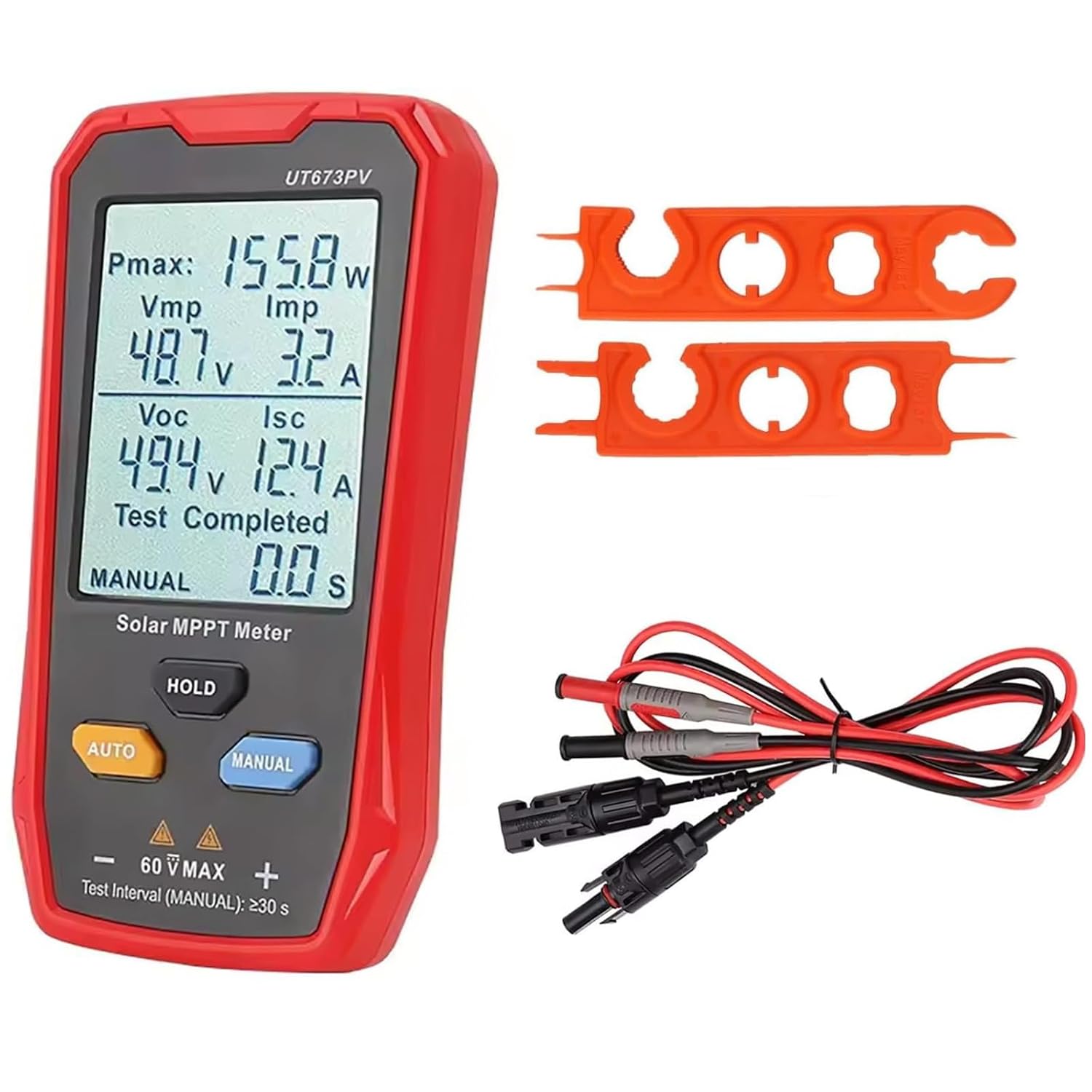

However, replacing old panels with newer models can boost your system’s overall efficiency and take advantage of advancements in solar technology.
Good to know: You don’t necessarily have to replace your entire system. Often, you can replace individual panels without disturbing the rest.
Final Thoughts,
So, how long do solar panels last? With proper care and maintenance, they can easily serve you for 25 to 30 years or more, making them a smart, long-term investment. By understanding the factors that affect their lifespan, staying on top of maintenance, and knowing what to look for in warranties, you can maximize both their performance and your savings.
See Best Solar Panel Maintenance Kits
Featured article: Can Solar Panels Work During Rain or at Night?
Ready to invest in solar? Compare top-rated solar panel brands and get a free quote today to start your sustainable energy journey!