

Too many RV solar kits look similar on paper, yet fail once installed. The real problem isn’t finding options, it is ruling out the ones that don’t match how RVs are actually used. This guide is built to eliminate mismatches quickly. Instead of walking through every feature, it focuses on practical filters that remove underpowered systems, incomplete kits, or setups that don’t scale.
My goal isn’t to explore every solar possibility. It’s to narrow the field to the few kits that make sense for real RV power demands, real budgets, and real expectations. By the end, only viable options remain—and you’ll know exactly why.
RV solar reality check before choosing a kit
- If you expect to run an inverter for appliances, skip kits without a battery included
- If roof space is limited, rigid multi-panel systems may already be a deal-breaker
- If overnight power matters, portable-only solar generators won’t be enough
- If you want expandability later, avoid PWM-only starter kits
- If flexibility and weight matter, large rigid frames may not fit your setup
Fast elimination snapshot
- Want all-in-one off-grid power → ignore panel-only kits
- Need overnight battery storage → ignore solar generators under 700Wh
- Limited roof space → ignore rigid multi-panel arrays
- Long-term system growth → ignore non-expandable bundles
Best RV Solar Panel Kits with Batteries
The following options survive the elimination process because they include usable storage, solve specific RV constraints, and avoid common upgrade dead ends.
RV Solar Panel Kits with Battery Setup
1.92KWH Complete Solar Panel Kit for RV Off Grid Solar System
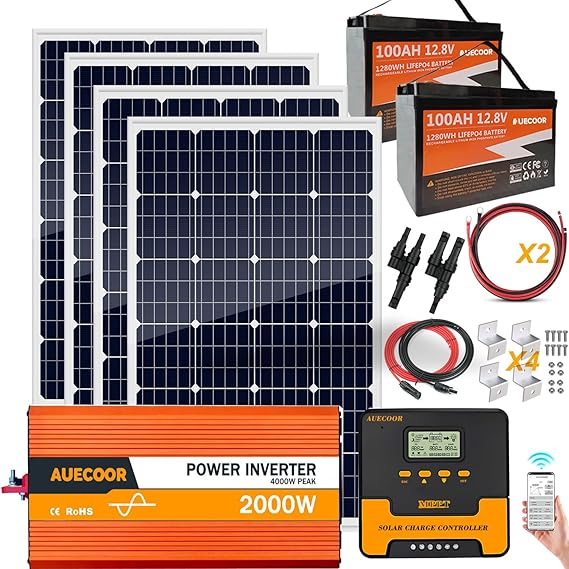
This is a full off-grid RV solar setup, not a starter bundle. It passes the battery, inverter, and scalability filters immediately. The included LiFePO4 batteries provide real overnight capacity, and the rigid panels make sense for permanent installs on larger rigs. This kit survives because nothing essential is missing—you’re not forced to buy critical components later.
Skip this if roof space is tight or if you want a lightweight, removable system.
ECO-WORTHY 200 Watts Solar Panel Kit
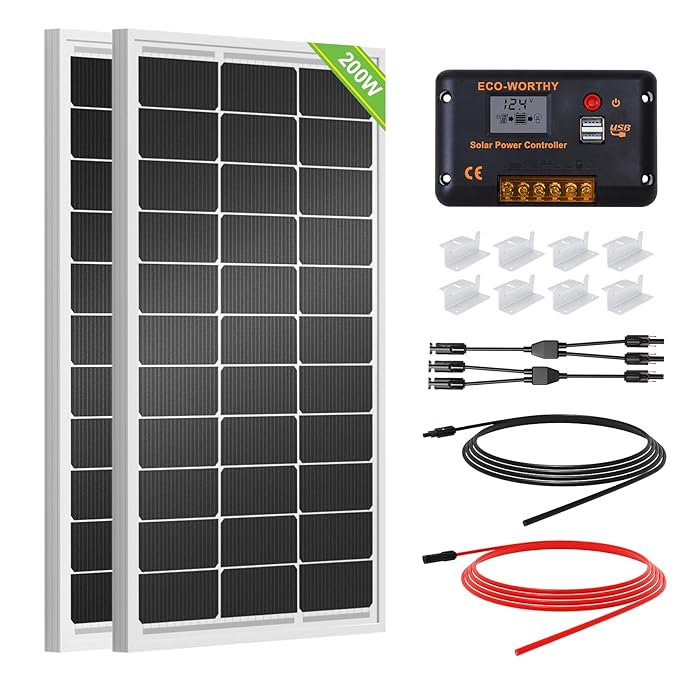
This kit only survives if paired with an existing battery bank. It passes the value and flexibility filters for RV owners upgrading an older system. The power level works for maintenance charging and light daily use, making it a practical add-on rather than a full solution.
Skip this if you’re starting from zero or expect inverter-driven loads.
RV Solar Panel Kits without Battery
( No included battery, So you need to buy an extra solar battery for these Solar Panel Kits )
Renogy 100W 12V Solar Panel Starter Kit
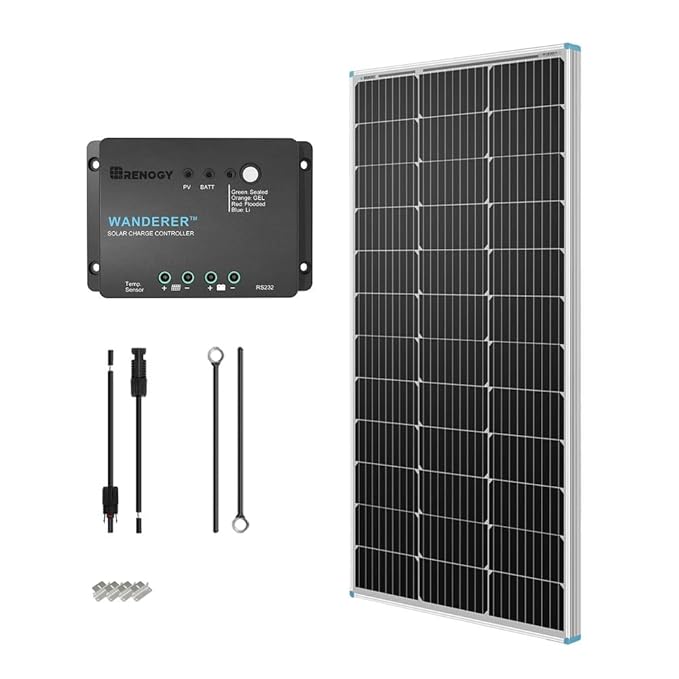
This is a classic RV starter solar kit. It survives only for minimalists who already own batteries and want a proven, compact setup. It’s reliable, predictable, and easy to install. But intentionally limited.
Skip this if you want overnight power or future expansion without replacement.
800 Watt Flexible Solar Panel for RV

This flexible-panel system survives the roof-constraint filter. It works for curved or weight-sensitive roofs where rigid panels fail. Output is strong for its form factor, making it viable for serious solar input when paired with a battery bank.
Skip this if you want a pre-matched battery solution in one box.
AFERIY Portable Power Station with 400W Solar Panel
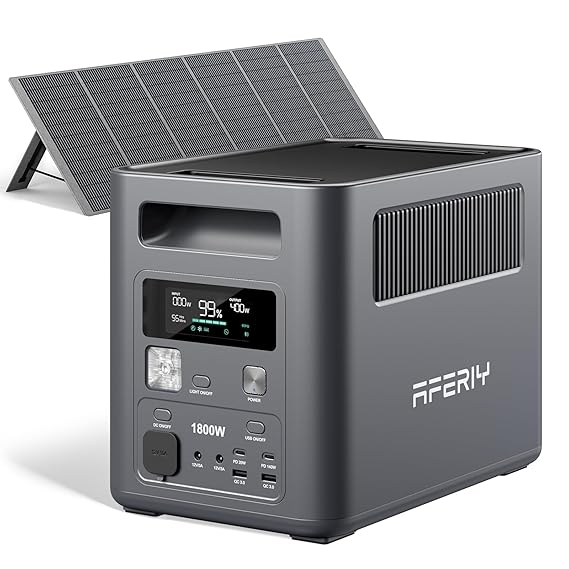
This all-in-one solar generator survives for users who value speed and simplicity over system customization. The built-in LiFePO4 battery handles short off-grid stays and emergency use well.
Skip this if you plan multi-day boondocking or want roof-mounted panels.
BROWEY Portable Power Station

This compact solar generator survives the portability filter. It’s practical for weekend trips, backup power, or travel trailers without permanent solar installs.
Skip this if full-time RV living or inverter-heavy loads are expected.
Still torn between two options?
If more than one kit fits, decide based on one factor only: how many nights you need power without sun. Overnight capacity matters more than peak wattage. Choose the system that supports your longest expected off-grid stretch, even if it means sacrificing features you won’t use.
However,
Narrowing options isn’t about missing out—it’s about avoiding regret. RV solar works best when the system matches how you actually travel and camp. Once unsuitable kits are removed, the right choice becomes obvious. Fewer options lead to better decisions, less wasted money, and a solar setup that simply works when you need it.