

Tired of sky-high water bills and complicated garden irrigation? These 5 solar water pumps for garden irrigation might be the game-changer you’ve been waiting for. These silent, sun-powered helpers are transforming gardens worldwide, offering a smarter, greener way to water your plants without the hassle of hoses or electricity.



What Is a Solar Water Pump & How Does It Work?
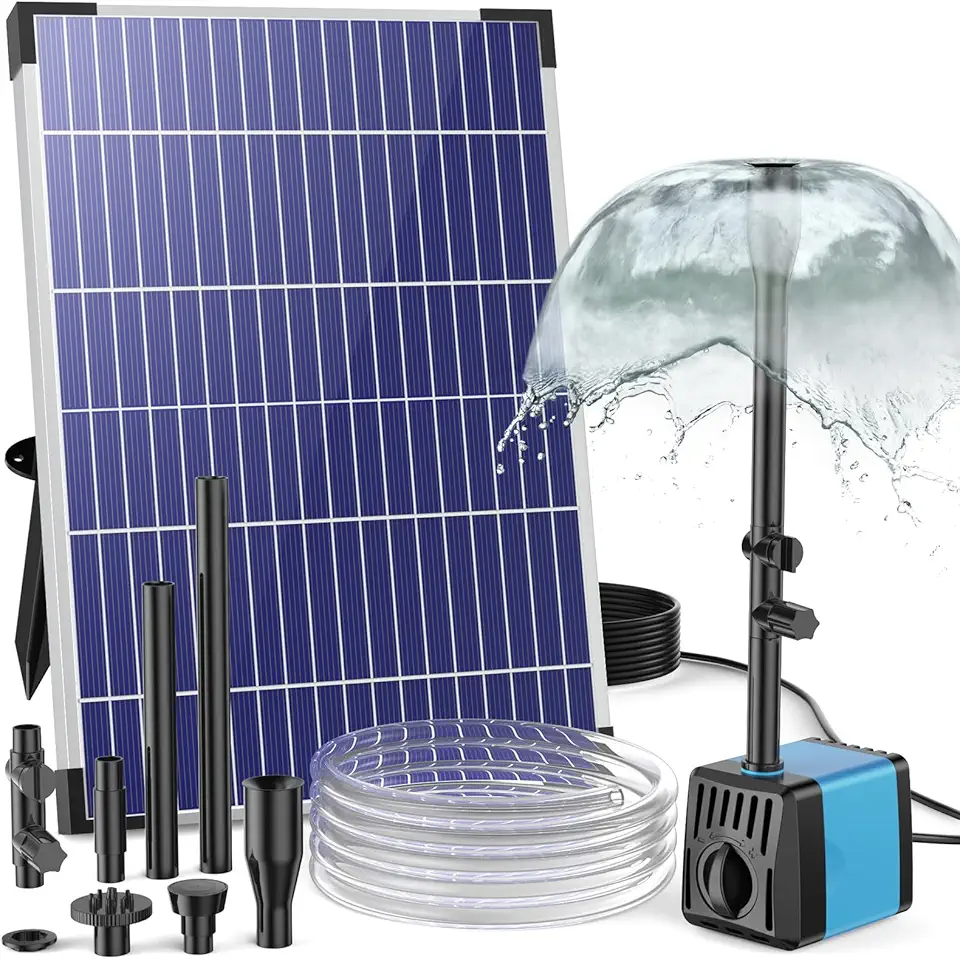
A solar water pump is an ingenious device that uses sunlight to power water movement, and no electrical grid is required. Solar panels convert sunlight into electricity, which drives a small motor to pull water from wells, rain barrels, or ponds directly to your garden.
Unlike traditional pumps, these systems operate off-grid, making them perfect for remote gardens, eco-conscious homeowners, or anyone tired of rising utility costs. Whether you’re irrigating raised beds, filling a fountain, or sustaining a small farm, solar pumps deliver reliable, renewable hydration with minimal effort.
Why Gardeners Are Switching to Solar Water Pumps
1. Cost Savings
No more surprise electricity spikes, solar pumps run entirely on free sunlight, slashing energy bills. Models with battery backups store power for cloudy days, ensuring continuous water flow without extra costs.
2. Eco-Friendly Operation
With zero carbon emissions, solar pumps are a win for sustainability. Unlike gas-powered alternatives, they don’t pollute, making them ideal for organic gardens and eco-warriors.
3. Low Maintenance
Fewer moving parts mean less wear and tear. Most solar pumps only need occasional cleaning and battery checks, freeing up time for actual gardening.
4. Reliable Off-Grid Use
Living rurally or dealing with power outages? Solar pumps keep working where traditional systems fail, no cords, no fuel, just consistent water flow.
The Future of Solar-Powered Irrigation
Solar pump technology is advancing fast. New models now include:
- Smart sensors that adjust water flow based on soil moisture
- IoT connectivity for remote control via smartphone
- Hybrid systems that switch to battery or grid power seamlessly
Governments are also incentivizing adoption; check local rebates for solar irrigation upgrades.
What to Look for in a Home Garden Solar Water Pump
Key Features That Matter
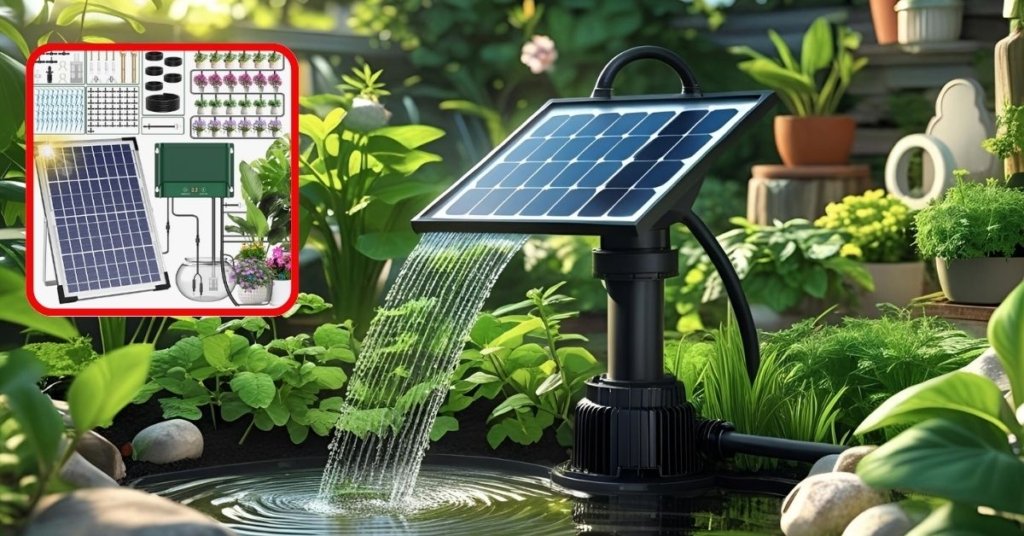
Choosing the right solar water pump starts with knowing the specs that count. Here’s what to focus on:
- Flow Rate (GPH): Measured in gallons per hour, this determines how quickly water moves through your system.
- Head Height: Important for vertical lifts, especially if you’re pumping uphill or into raised beds.
- Battery Backup: Critical for cloudy days or nighttime watering, ensuring uninterrupted performance.
- Durability: Look for weather-resistant, rustproof materials that can handle the elements year-round.
Types of Solar Water Pumps
Understanding the different pump types helps you match the right one to your garden setup:
- Submersible Solar Pumps
Best for deep water sources like wells or large ponds. Efficient and quiet, these pumps sit underwater and push water upward. - Surface Solar Pumps
Ideal for shallow tanks or rain barrels. These rest above ground and pull water into your irrigation lines. - Solar Fountain Pumps
Perfect for decorative use or small-scale watering in containers and urban gardens. They’re easy to install and add a peaceful touch.
The Top 5 Solar Water Pumps for Garden Irrigation
1. ECO-WORTHY 12V Solar Water Pump Kit

- This kit includes everything you need: solar panel, battery, and pump.
- It’s a favorite among raised bed and drip irrigation users.
- Quiet and efficient, it’s ideal for those who want a “set it and forget it” system.
2. Solariver Solar Water Pump Kit

- Delivers an impressive flow rate for larger garden spaces.
- Plug-and-play setup makes it a favorite for DIYers.
- Features a brushless motor, extending its lifespan and improving efficiency.
3. Lewisia Solar Fountain Pump

- A compact, budget-friendly option for patios or container gardens.
- Extremely low-maintenance and easy to reposition as needed.
- Great for beginners looking to dip into solar without the upfront cost.
4. AEO Solar Water Pump for Irrigation

- Designed with durability in mind, this pump is commercial-grade.
- Capable of handling high lift heights and large volumes of water.
- A go-to choice for off-grid homesteads or remote gardens.
5. AQUAPLANCTON Solar Water Pump Kit
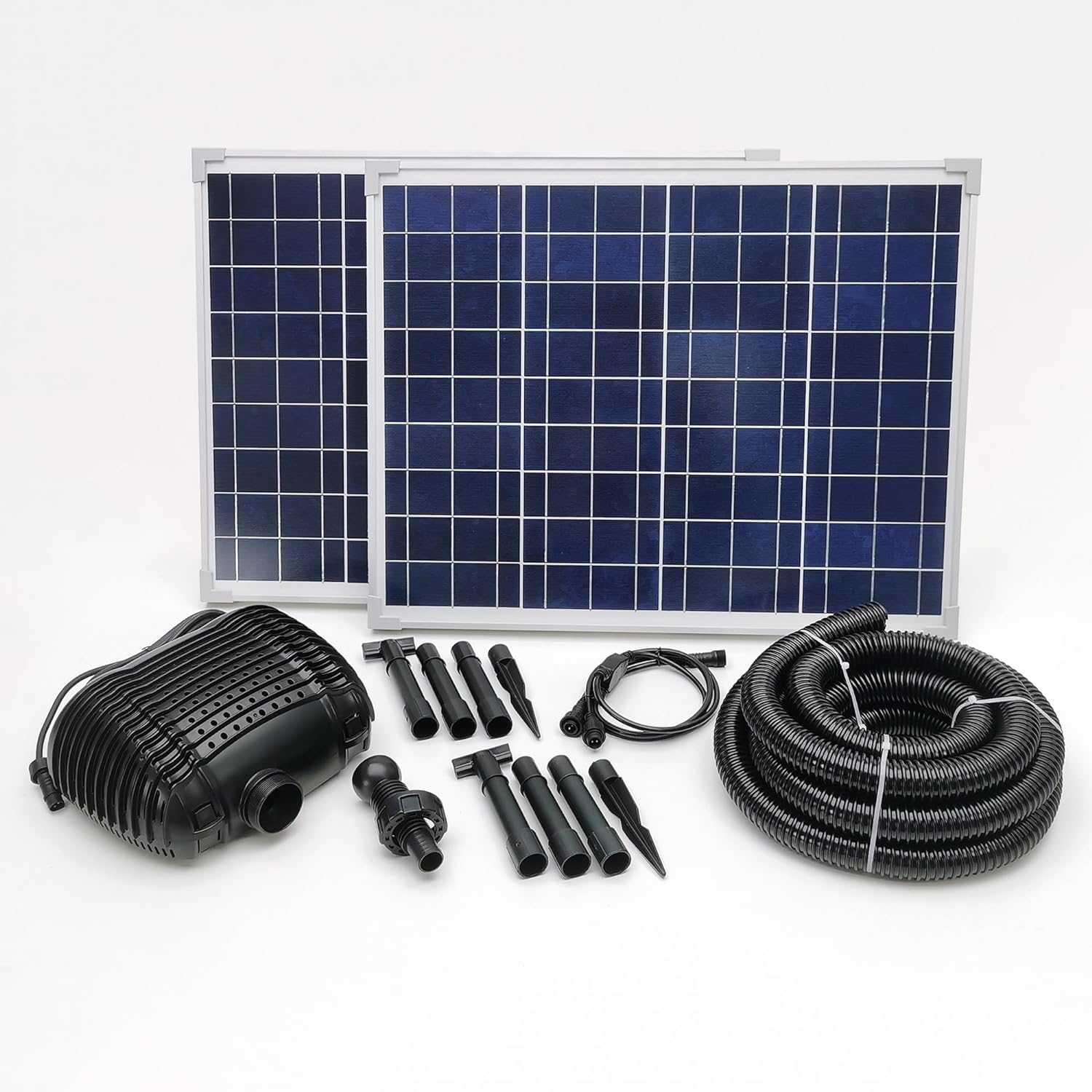
- Known for its continuous use capability and customizable timer features.
- Comes with battery storage and controller for smarter irrigation control.
- Widely used by permaculture enthusiasts for its hands-off reliability.
How to Choose the Right Solar Pump for Your Garden
Before buying solar irrigation water pump, take a few key factors into account to ensure you get the best performance:
Consider Your Garden Size
- Small gardens (containers/raised beds): 50–200 GPH (gallons per hour)
- Medium gardens (vegetable plots): 200–500 GPH
- Large gardens/farms: 500+ GPH with high head height
Check Solar Panel Efficiency
Higher-wattage panels (50W – 100W+) ensure stronger performance, especially in partial shade. Look for monocrystalline panels, they’re 25% more efficient than polycrystalline.
Look for Battery Backup
Cloudy days happen. Pumps with 12V battery storage (like the ECO-WORTHY kit) extend runtime when sunlight is scarce.
Durability Matters
Stainless steel or corrosion-resistant casing ensures longevity. Brands like AEO and Solariver offer weatherproof designs built for year-round use.
Tips to Maximize Solar Pump Performance
Want to get the most from your solar setup? Use these tips to boost reliability and lifespan:
- Clean solar panels monthly to prevent dirt buildup and ensure peak energy absorption.
- Install a moisture sensor to avoid overwatering and conserve resources.
- Choose a sunny spot free from shade to maximize panel output.
- Winterize your system by draining and storing components in colder climates.
Q: Do solar water pumps work in cloudy weather?
A: Yes, but performance may dip. Choosing a model with battery storage keeps water flowing regardless of the forecast.
Q: How long do solar pumps last?
A: With regular maintenance, most pumps last between 5 and 10 years.
Q: Can I install one myself?
A: Most garden-sized systems are DIY-friendly, but larger or more complex setups might need a professional hand.
Top 5 Solar Chargers for USB Devices: Lightweight, Fast & Travel-Ready.
The future of gardening is green, quiet, and completely off-grid. If you’re ready to save money, conserve water, and simplify your life, solar water pumps are your answer. Share this with a fellow gardener or drop a comment below with your favorite garden upgrade!