
If you’ve ever wondered if solar panels could work on your manufactured home, you’re not alone. Maybe you’ve seen neighbors install panels and thought, “Could I do that too?” Let’s break down the facts together—no jargon, just clear answers from someone who’s seen it done.
The Short Answer
Yes, you can install solar panels on a manufactured home—but there are important things to check first. It’s possible, but not always simple. The roof needs to be strong enough, local rules matter, and sometimes you’ll need extra steps. Many homeowners with manufactured houses have gone solar, but some hit roadblocks. Let’s dive into what you need to know so you can decide if it’s right for you.
What Makes Manufactured Homes Unique?
Manufactured homes, sometimes called mobile homes, are built in a factory and then moved to their location. Unlike traditional houses, they often have lighter roofs, different foundations, and sometimes stricter building codes. These factors change how solar panels can be installed.
Roof Structure And Material
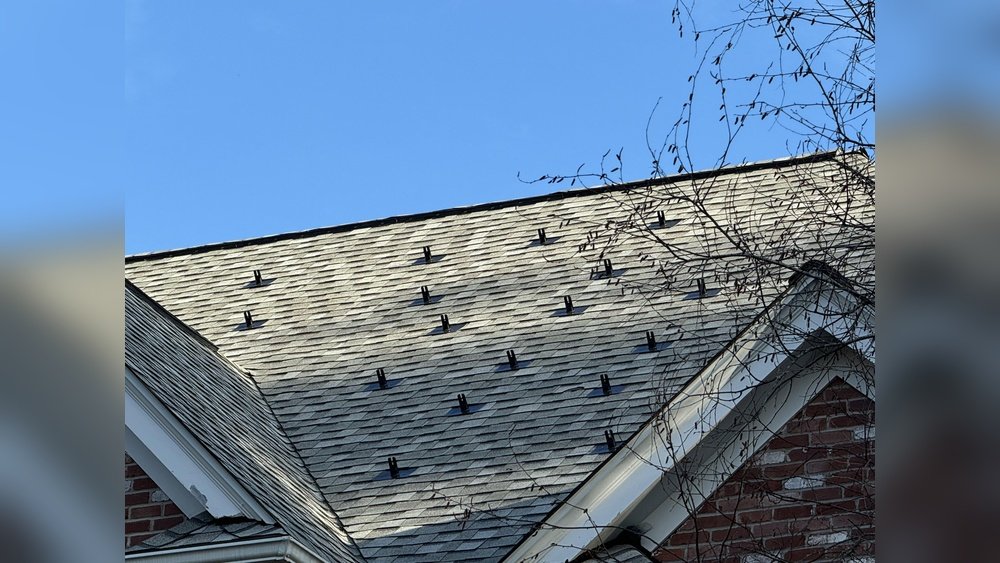
Most manufactured homes have roofs made of metal, shingles, or rubber. Compared to site-built homes, these roofs are often thinner and may not support heavy loads. Solar panels are not extremely heavy, but the mounting system and panels can add up to 2–4 pounds per square foot.
Foundation Differences
Manufactured homes may sit on pier and beam, concrete slabs, or even blocks. Some are permanently attached, while others can be moved. If your home is not “permanently affixed,” local rules may limit solar installation.
Building Codes And Regulations
Local codes often require manufactured homes to meet certain standards for solar. For example, the HUD code (US Department of Housing and Urban Development) sets national standards. Some states add their own rules, especially for fire safety and structural strength.
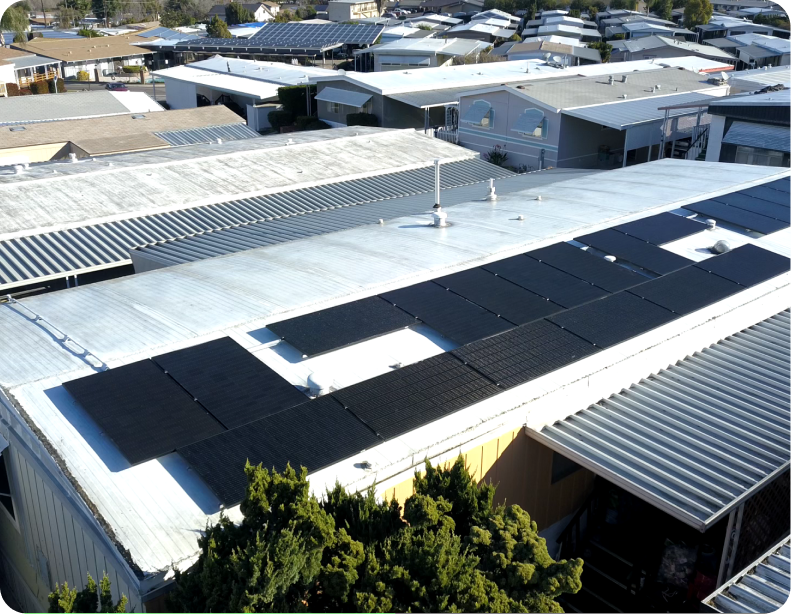
Credit: mobilehomeenergy.com
Can Your Roof Support Solar Panels?
The roof is the most important factor. Not every manufactured home has a roof that can hold the weight of solar panels and mounting hardware safely.
Checking Roof Load Capacity
To install panels, your roof must be able to handle the extra weight. Most solar installers require a structural assessment. This tells you if your roof can take the load or needs reinforcement.
Common Roof Types And Their Suitability
Here’s a quick comparison of how different manufactured home roof types handle solar panel installation:
| Roof Type | Strength for Solar | Common Challenges |
|---|---|---|
| Metal | Good | May need special mounts to avoid leaks |
| Shingle | Moderate | Can age quickly, may need repairs first |
| Rubber | Poor | Often too soft, may not hold panels |
What If My Roof Can’t Support Solar?
If your roof isn’t strong enough, you have options:
- Reinforce the roof: Adding supports or upgrading materials can help.
- Ground-mounted solar: Install panels on the ground, not the roof.
- Solar carport: Build a structure over your driveway with solar panels.
Legal And Regulatory Considerations
Before you start, check local regulations. Manufactured homes often face extra rules compared to site-built homes.
Hud And State Regulations
The HUD code governs manufactured homes across the US. It requires homes to meet minimum structural standards. Some states, like California and Florida, have stricter codes.
Permitting Process
You’ll usually need a permit to install solar panels. The process may include:
- Structural review of your home
- Electrical safety inspection
- Proof of permanent foundation
If your home is not considered “permanent,” you may not get a permit.
Homeowners’ Associations And Park Rules
If your manufactured home is in a community or park, check their rules. Some parks do not allow roof-mounted solar. Others may require approval or restrict panel placement.
Utility Company Requirements
Utilities sometimes require extra paperwork for manufactured homes. They may ask for proof of roof strength or foundation type.

Credit: www.solaroofny.com
Electrical System Compatibility
Manufactured homes often have simpler electrical systems. Before installing solar, make sure your wiring and breaker panel can handle the new equipment.
Panel Upgrades
Older manufactured homes may need a new electrical panel. Solar systems often require a 200-amp panel for safety and code compliance.
Wiring Checks
Have an electrician check your wiring. Some homes use aluminum wiring, which is less safe than copper and may need replacement.
Connecting To The Grid
If you want to sell extra power back to the grid, your home needs to meet your utility’s interconnection standards.
Is Your Manufactured Home Eligible?
Not every manufactured home can go solar. Here are the main requirements:
- Roof must support solar panels.
- Home must be permanently installed.
- Home must meet local building codes.
- Electrical system must be up to date.
If you don’t meet these, you may need upgrades or choose ground-mounted solar.
Steps To Installing Solar Panels
If your manufactured home meets the requirements, here’s how the process usually works.
- Site assessment: Installer checks your roof, electrical system, and location.
- Design proposal: You get a plan and cost estimate.
- Permitting: Installer handles permits and paperwork.
- Installation: Panels and hardware are installed.
- Inspection: Local authorities check the system.
- Activation: System is turned on and connected to the grid.
Each step can take days to weeks, depending on local rules.
How Long Does It Take?
Most solar installations take 2–6 weeks after permits are approved. For manufactured homes, it may take longer if upgrades are needed.
Costs And Financial Incentives
Solar panels are an investment. The cost depends on your roof, location, and system size.
Typical Costs For Manufactured Homes
Manufactured homes usually need smaller solar systems—3 to 6 kW is common. Here’s a comparison:
| System Size | Average Cost (before incentives) | Typical Monthly Savings |
|---|---|---|
| 3 kW | $7,500 | $30–$50 |
| 6 kW | $14,000 | $60–$110 |
These numbers are rough averages. Costs vary by state, installer, and roof type.
Incentives And Rebates
Many states offer tax credits, rebates, or grants. The Federal Solar Tax Credit gives you 30% off the system cost. Some utilities offer extra cash or bill credits.
Financing Options
You can pay for solar with:
- Cash
- Solar loans
- Leases or power purchase agreements (PPA)
Loans and PPAs may require your home to be permanently affixed.
Common Challenges And Solutions
Installing solar on a manufactured home can be trickier than on a site-built house. Here are some common problems and how to solve them.
Structural Limits
If your roof isn’t strong, consider:
- Reinforcing the roof
- Using ground-mounted panels
- Installing fewer panels
Community Restrictions
Some parks or HOAs ban roof-mounted solar. Ask for written rules before you start. If needed, propose ground-mounted or carport solar.
Electrical Issues
If your panel is too old, upgrade it. This can cost $1,000–$3,000 but is needed for safety.
Permit Delays
Permits take longer for manufactured homes. Work with an installer who knows local rules.
Benefits Of Solar For Manufactured Homes
Solar panels can lower your bills, help the environment, and even increase home value.
Lower Energy Costs
Most manufactured homes use less power than larger houses. Even a small solar system can cover much of your electricity.
Environmental Impact
Solar panels cut your carbon footprint. Manufactured homes often use electric heating and cooling, so solar can make a big difference.
Home Value
Solar panels can increase your home’s value. Buyers may pay more for homes with lower energy bills.
Real Examples: Manufactured Home Owners Who Went Solar
Let’s look at some real stories.
- Linda in Arizona: Her home had a metal roof and was permanently installed. She added a 4 kW system and now saves about $65/month.
- Mike in Florida: His shingle roof was too old. He chose a ground-mounted system in his backyard and gets about $80/month in savings.
- Sara in California: Her manufactured home is in a park with strict rules. She worked with the park manager and installed solar carport panels.
These examples show that with planning, solar can work for manufactured homes.
Comparing Manufactured Vs Site-built Homes For Solar
How does installing solar on a manufactured home compare to a traditional site-built house?
| Factor | Manufactured Home | Site-Built Home |
|---|---|---|
| Roof Strength | Often needs upgrade | Usually strong enough |
| Permit Process | More steps, stricter rules | Simpler |
| System Size | Smaller (3–6 kW) | Larger (6–10 kW) |
| Community Restrictions | More common | Less common |
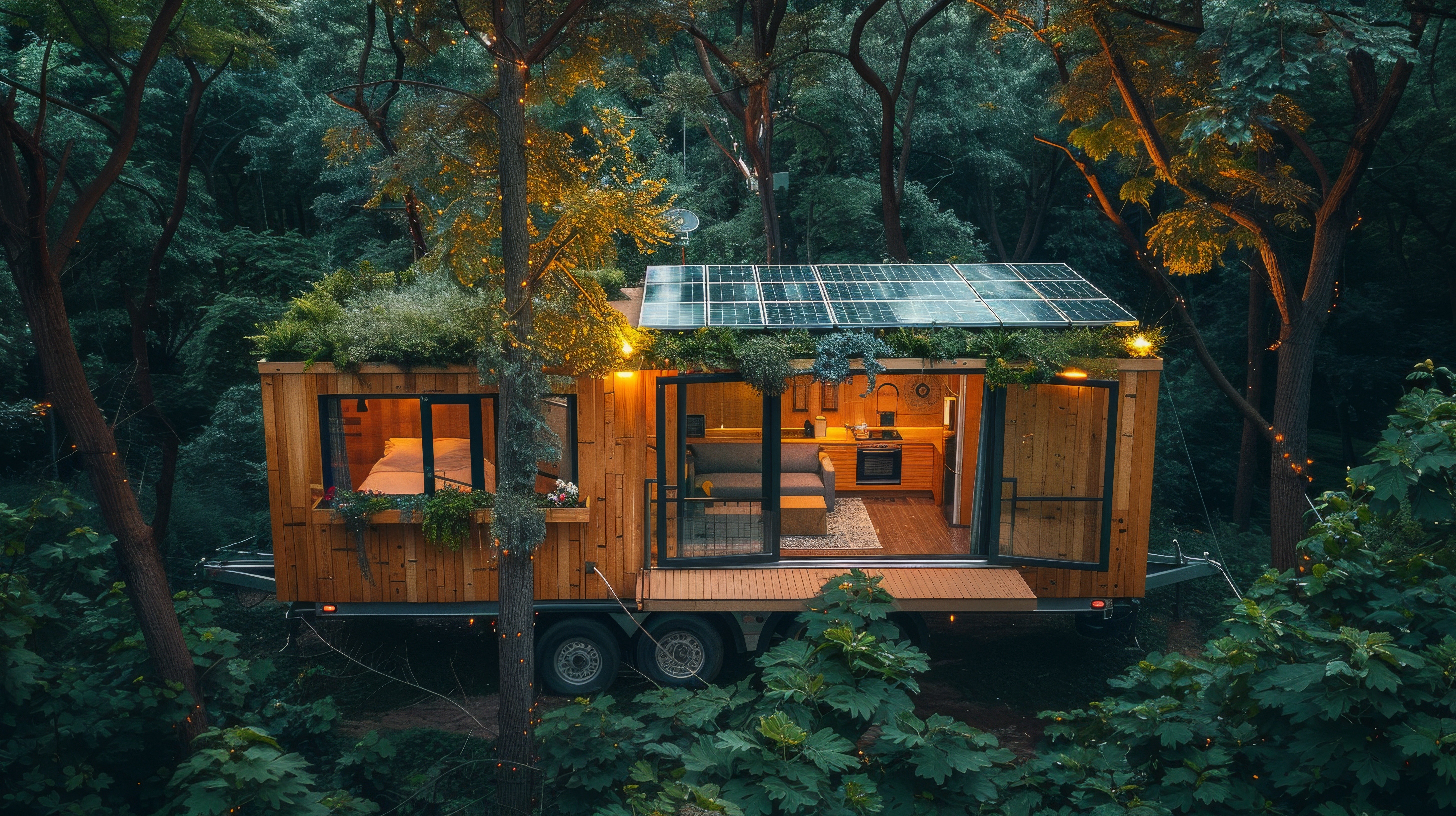
Credit: www.triadfs.com
Non-obvious Insights For Manufactured Home Owners
Many people miss these points:
- Panel orientation matters more: Manufactured homes often have shorter roofs, so panel direction is critical for good sun exposure.
- Insurance may change: Adding solar can affect your home insurance. Always notify your insurer, or you may have coverage gaps.
- Resale and mobility: If your home is not permanently affixed, you may lose your solar investment if you move. Ground-mounted panels can sometimes be moved, but roof-mounted systems usually cannot.
Tips For Success
If you want to install solar on your manufactured home, keep these tips in mind:
- Get a structural engineer’s report before starting.
- Ask your park or HOA for written approval if needed.
- Choose an installer with manufactured home experience.
- Upgrade your electrical panel if it’s too old.
- Look for state and federal incentives to lower costs.
Frequently Asked Questions
Can I Install Solar Panels On Any Manufactured Home?
No. Your home must be permanently installed, have a strong roof, and meet local building codes. Some homes may need upgrades or use ground-mounted panels instead.
What If My Manufactured Home Is In A Park Or Community?
Check park or HOA rules. Some parks allow roof solar, others do not. You may need written approval. If roof panels aren’t allowed, ask about ground-mounted or carport solar.
Does Installing Solar Panels Increase My Home Value?
Yes, solar panels can raise home value and make your property more attractive to buyers. This works best if your system is permanent and well-documented.
Are There Special Incentives For Manufactured Homes?
Most incentives apply to all homes, including manufactured ones. The Federal Solar Tax Credit (30%) is available if your system meets requirements. Some states or utilities offer extra rebates.
How Do I Find A Good Solar Installer For My Manufactured Home?
Look for installers with experience on manufactured homes. Ask for references and proof they know local rules. You can search the database at SEIA for qualified installers.
Solar energy is possible for manufactured homes, but it takes careful planning. With the right information and a good installer, you can enjoy lower bills and cleaner energy. If you’re ready to explore solar, start by checking your roof and local rules—then get a quote and see what’s possible for your home.