
Ever feel lost trying to figure out how many solar panels you really need? You’re not alone. Maybe you’ve seen confusing charts or heard different advice from installers. Or you just want a clear answer: How many solar panels for 1000 kWh per month? You care about your power bill, but the math seems complicated. Let’s make it simple. Imagine your monthly bill hits 1000 kWh, and you want to cover that with solar. In this article, you’ll get straight answers, practical tips, and real examples—no jargon, no fluff.
Short Answer: How Many Solar Panels For 1000 Kwh Per Month?
For most homes in the US, you’ll need about 27 to 30 solar panels to generate 1000 kWh each month. This assumes each panel is rated at 350 watts and your location gets average sunlight. The exact number changes with panel size, sun hours, and your roof space.
Here’s the fast math:
- 1000 kWh per month = 33.3 kWh per day
- If you get 5 peak sun hours daily, you need about 6.7 kW of solar panels
- Each 350-watt panel gives 1.75 kWh per day
- 33.3 kWh ÷ 1.75 kWh = 19 panels (for perfect conditions—rare!)
- In real life, you’ll need extra to cover losses and cloudy days. So, 27–30 panels is a safe estimate.
This quick calculation gives you a starting point. But there’s more to consider. Every home and location is different. Factors like your roof direction, shading from trees, and even how clean your panels stay will change your real output. Many homeowners are surprised when their system produces less than expected, especially during winter or rainy months.
Understanding these details will help you avoid overestimating or underestimating your solar needs.
Now, let’s break down how this works, why it matters, and what mistakes to avoid.
Understanding Your Energy Needs
Before you start buying panels, you need to know how much energy you use and what “1000 kWh per month” really means.
- 1000 kWh is a common amount for a US household.
- It powers most appliances, lights, heating, cooling, and electronics.
- If your bill shows 1000 kWh, you’re using about 33 kWh per day.
Not everyone uses the same amount. If you have electric heating, a pool, or lots of electronics, your usage could be higher. Always check your own bill. If you want to offset your entire bill with solar, aim for the same kWh as your usage.
It’s also useful to look at your usage patterns through the year. Many homes use more electricity in summer for air conditioning or in winter for heating. If your usage jumps during certain months, you might need extra panels or a battery system to cover those peaks.
Some people forget about new appliances or future changes, like buying an electric car. If you expect your usage to rise, plan your system to handle it.
How Solar Panel Output Works
Solar panels don’t produce the same amount everywhere. Their output depends on:
- Panel wattage (how much power one panel can produce)
- Sunlight hours (the “peak sun hours” your home gets)
- System losses (wiring, inverter, shading, dirt)
A panel rated at 350 watts means it gives 350 watts in ideal sunlight. But real life isn’t ideal. You get peak sun hours—usually 4 to 6 hours per day in most US locations.
Example:
- A 350W panel x 5 hours = 1750 watt-hours = 1.75 kWh per day.
If you live in Arizona, you’ll get more sun than in Maine. Local weather, shade, and orientation matter.
Some beginners think that panels always produce their maximum output. But even a small amount of shade can cut panel output by half. If you have trees, nearby buildings, or roof obstructions, you’ll lose power. Dust, snow, and leaves can also reduce output. Cleaning panels regularly and trimming trees helps keep production high. Another insight: some panels are more efficient in low light, so check the specs if you live in a cloudy area.
Calculating The Number Of Panels Needed
Let’s walk through the numbers step by step.
Step 1: Daily Energy Requirement
- 1000 kWh/month ÷ 30 days = 33.3 kWh per day
Step 2: Panel Output Per Day
- One 350W panel x 5 sun hours = 1.75 kWh/day
Step 3: Number Of Panels (simple Calculation)
- 33.3 kWh/day ÷ 1.75 kWh/panel = 19 panels
But wait—this is for perfect conditions. You won’t get 100% efficiency. Let’s add a safety margin.
Step 4: Adjust For System Losses
Solar systems lose power from wiring, inverter, and weather. Most experts recommend adding 25–30% extra.
- 19 panels x 1.3 = 25 panels
So, you’ll need 25–30 panels depending on your location and roof direction.
Step 5: Panel Wattage Options
Panel sizes vary. Here’s a quick comparison:
| Panel Wattage | Panels Needed (5 sun hours) | Panels Needed (4 sun hours) |
|---|---|---|
| 250W | 29 | 36 |
| 350W | 22 | 27 |
| 400W | 19 | 24 |
Higher wattage panels = fewer panels needed.
If your roof is small or has many obstacles, choosing higher wattage panels makes a big difference. Some homeowners also mix panel sizes to fit tricky roof shapes. This approach is common in homes with multiple roof sections or limited space.
Sunlight And Location: Why It Matters
Sunlight hours change everything. If you live in sunny states like California, Nevada, or Texas, you get more energy per panel. Cloudy states need more panels.
Peak sun hours:
- Southwest US: 5–6 hours
- Midwest: 4–5 hours
- Northeast: 3–4 hours
If your home faces south and avoids shade, you get more. Roof angle and direction also matter.
Example Locations
- Los Angeles, CA: 5.5 peak sun hours
- Chicago, IL: 4 peak sun hours
- Boston, MA: 3.5 peak sun hours
If you live in Boston, you’ll need more panels than in LA. Always use your local sun hours for accurate math.
Some people think panels will make the same power year-round, but sun hours drop in winter. In northern states, the difference between summer and winter can be huge. Ask your installer for a yearly production estimate, not just a monthly one, to avoid surprises.
System Losses And Real-life Factors
Solar systems are not perfect. Some energy is lost. You need to plan for these losses:
- Inverter loss: Converts DC to AC, loses 5–10%
- Wiring loss: Loses 2–3%
- Dirt/Shading: Loses 5–10%
- Panel age: Loses 1–2% per year
Most installers add a 25–30% buffer. It’s better to have extra than run short.
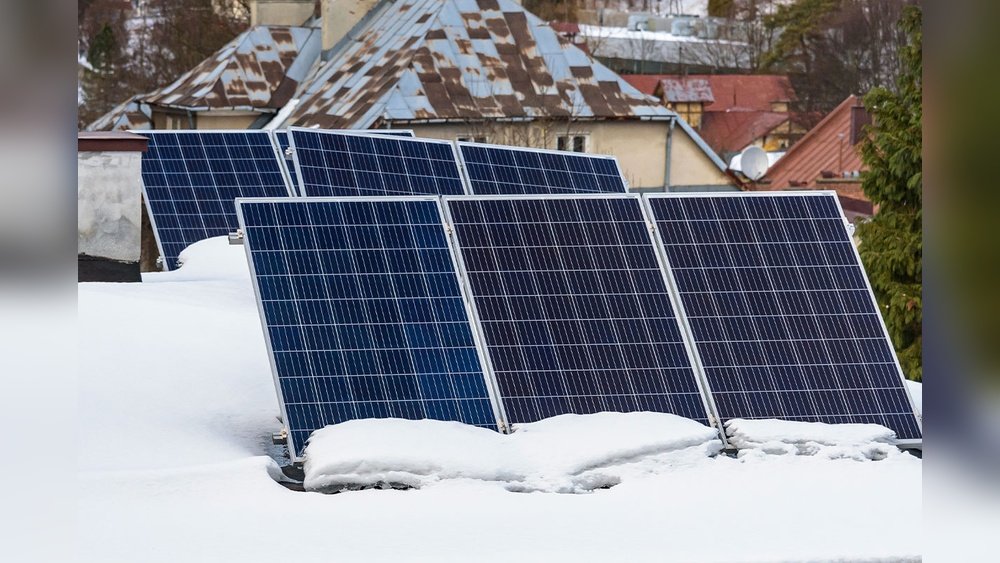
Another real-life factor: snow and dust build-up. Even a thin layer of snow can block sunlight. In snowy regions, installing panels at a steeper angle helps snow slide off. In dusty areas, regular cleaning is needed. Panels also slowly lose efficiency over years. Planning for this drop helps your system stay effective.
Roof Space: Will It Fit?
Panels Need Space. Each Panel Is About 17–20 Sq. Ft.
If You Need 30 Panels, That’s 510–600 Sq. Ft.
Check your roof size, shape, and obstacles (vents, chimneys).
Roof Space Table
| Panel Size (W) | Panel Area (sq. ft.) | Panels Needed | Total Area Needed (sq. ft.) |
|---|---|---|---|
| 250 | 17 | 36 | 612 |
| 350 | 18 | 27 | 486 |
| 400 | 20 | 24 | 480 |
Check your roof before buying. Panels can be installed on ground mounts too.
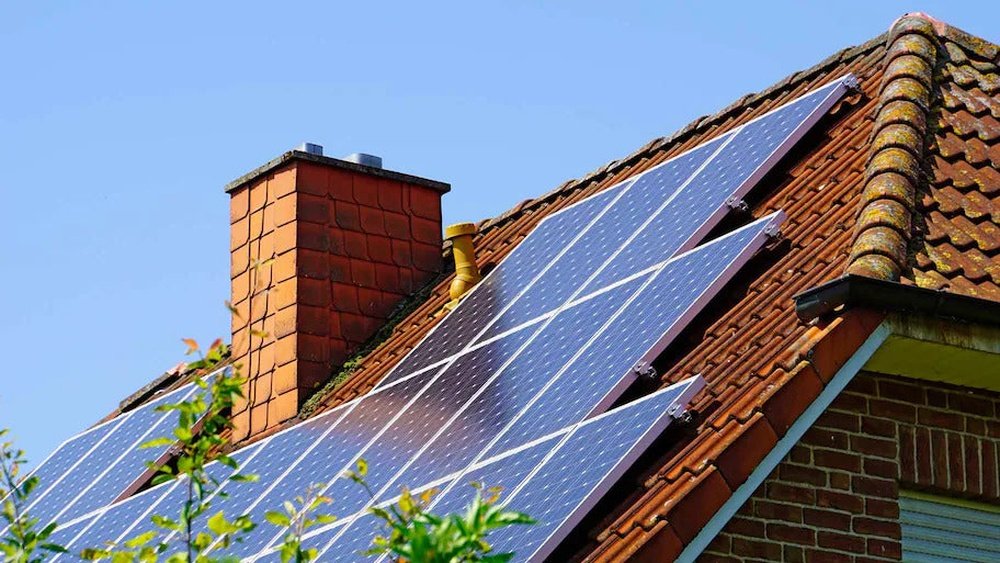
Some homes have odd-shaped roofs or lots of vents. In these cases, installers often use smaller panels or split the array between roof sections. If your roof is shaded, ground-mounted panels in your yard can be a smart solution. For older roofs, check the structure’s strength.
Sometimes roof upgrades are needed before installing solar.
Panel Choices: What Matters
Solar panels come in different types and sizes. Here’s what to consider:
- Wattage: Higher wattage = fewer panels
- Efficiency: More efficient panels need less space
- Brand: Quality matters for lifespan and warranty
- Type: Monocrystalline vs polycrystalline (mono is more efficient)
- Warranty: Look for 20–25 years
Don’t just pick the cheapest. Sometimes, a better panel saves money in the long run.
Another tip: check panel certifications and reviews. A well-known brand with a solid warranty gives peace of mind. Some installers offer “performance guarantees,” promising a minimum output. Ask for these details before choosing a panel. Also, consider the color and frame style—some panels blend better with your roof.
Common Mistakes To Avoid
Many people make mistakes when sizing their solar system. Here are some to watch out for:
- Ignoring local sun hours: Using national averages can be wrong for your area.
- Not adding a buffer: Always add 25–30% extra for losses.
- Underestimating roof space: Measure your roof carefully.
- Choosing low-quality panels: Cheap panels lose power faster.
- Skipping professional advice: Installers know your local conditions best.
If you’re unsure, get a site assessment. It’s worth it.
Another common mistake: forgetting about future changes. If you add central air, an electric car, or new appliances, your energy needs will grow. Also, some people don’t check their roof’s age. If your roof needs repairs soon, fix it before installing solar.
Practical Examples
Let’s look at some real-world scenarios.
Example 1: Sunny California
- Usage: 1000 kWh/month
- Sun hours: 5.5/day
- Panel: 350W
- Output per panel: 1.93 kWh/day
- Panels needed: 33.3 kWh ÷ 1.93 = 17.2 panels
- Add buffer: 17.2 x 1.3 = 22.4 panels
- Round up: 23 panels
Example 2: Cloudy Seattle
- Usage: 1000 kWh/month
- Sun hours: 3.5/day
- Panel: 350W
- Output per panel: 1.23 kWh/day
- Panels needed: 33.3 ÷ 1.23 = 27 panels
- Add buffer: 27 x 1.3 = 35.1 panels
- Round up: 36 panels
Example 3: Midwest
- Usage: 1000 kWh/month
- Sun hours: 4.5/day
- Panel: 400W
- Output per panel: 1.8 kWh/day
- Panels needed: 33.3 ÷ 1.8 = 18.5 panels
- Add buffer: 18.5 x 1.3 = 24 panels
Every home is different. Use your own bill and location for best results.
If your roof can’t fit all panels at once, consider ground mounts or split installations across roof sections. Some people add panels in stages as their budget allows. Also, panels can be installed vertically or horizontally to fit tricky spaces.

Credit: www.eerenewables.co.uk
Cost Estimates
Solar isn’t cheap, but prices have dropped. Here’s what to expect:
- Panel cost: $250–$400 per panel
- System size: 27–30 panels
- Total system: $20,000–$25,000 before incentives
- Incentives: Federal tax credit (30%), local rebates
After incentives, you could pay $14,000–$18,000. Prices vary by state and installer.
Your final price depends on panel quality, installer fees, and extra equipment like inverters or batteries. Some installers offer financing or leasing options. Compare at least three quotes. Don’t forget to ask about maintenance costs—solar needs little, but occasional cleaning and inspection help.
Is It Worth It?
If your bill is high, solar pays off. Average payback is 6–10 years. Solar panels last 25+ years.
Some people worry about cloudy days or winter. Most panels still work, just less efficiently. If you use more power in winter, add extra panels or use batteries.
Solar also increases your home’s value. Studies show homes with solar sell faster and for more. If you plan to move in a few years, solar can still be a smart investment.
Credit: www.bougerv.com
Real Insights Beginners Often Miss
Many first-time buyers miss these two points:
- Panel placement is as important as number. If your panels face the wrong way or get shaded, you’ll need more.
- Future-proof your system. If you plan to buy an EV or heat pump, your usage will go up. Add extra panels now if you can.
A third insight: Check your local utility’s net metering policy. Some utilities pay you for extra power sent to the grid. Others don’t. Knowing this helps you size your system and plan for savings.
Solar Panel Sizing: Myth Vs Reality
You may hear “one panel per appliance” or “just 20 panels for any home. ” These are myths. Real sizing depends on your actual usage, sun hours, and losses. Always use your bill, not averages.
Solar sizing is a custom process. Even two homes side by side can need different numbers of panels if one has shade or faces north.
Comparison: Solar Vs Grid Power
Here’s a quick look at solar vs grid over 20 years:
| Source | 20-Year Cost | Reliability | Maintenance |
|---|---|---|---|
| Solar | $18,000–$25,000 (after incentives) | High | Low |
| Grid | $36,000–$48,000 (assuming $150/month) | High | None |
Solar saves money long term. Grid prices usually go up.
Also, solar shields you from sudden rate hikes. If your utility raises prices, your solar savings get even better. Energy independence is another big advantage—solar can keep your lights on during outages if you add batteries.
Getting Professional Help
Most installers offer free estimates. They use special tools to measure your roof, shade, and local sun hours. Don’t guess alone. Ask for a quote and site assessment.
You can also use online calculators, but get data from your bill and check your roof’s orientation.
Professional installers will help you avoid mistakes and ensure your system is sized right for your needs. They also handle permits and paperwork, which can be confusing for beginners. If you have unusual needs—like wanting backup power for emergencies—ask about battery options.
Credit: futureheatltd.co.uk
Frequently Asked Questions
How Do I Find My Local Peak Sun Hours?
Search for your city’s solar maps or ask a local installer. The US Department of Energy offers sun hour data. More sun hours means fewer panels needed.
Can I Add More Panels Later If My Usage Goes Up?
Yes, but make sure your inverter and roof can handle more. It’s easier to plan for growth now. If you buy an EV, you’ll need extra panels.
Some systems allow “expansion packs,” so you can add panels easily. Ask your installer if your system is “expandable. ” Planning ahead can save money and headaches.
What Happens If My Panels Don’t Cover All My Energy?
You can still use grid power for extra needs. Some homes run hybrid systems. You can add batteries, but it costs more.
During cloudy days or winter, you may need more grid power. Batteries help store extra energy for night or outages, but are optional for most homes.
How Do Incentives And Tax Credits Work?
The federal tax credit gives you 30% off your total system cost. Local rebates may add more. Always check current programs at Energy.gov.
Some states and cities offer extra rebates or cash payments. These can change yearly, so check before you buy. Sometimes utilities offer bonuses for solar too.
Will Solar Panels Work During Cloudy Days Or Winter?
Yes, but output drops. Panels make less power in clouds and short winter days. You may need extra panels or batteries if your winter usage is high.
Panels still produce some energy even when it’s cloudy. Snow can block panels, so installing them at an angle helps. In very cold climates, panel output can actually improve because electronics work more efficiently in cool air.
Wrapping Up
Sizing your solar system for 1000 kWh per month doesn’t have to be confusing. Start with your bill, check your local sun hours, and use the panel wattage that fits your roof. Plan for losses, future needs, and don’t forget incentives. Most US homes need 27–30 panels for 1000 kWh/month. If you’re serious, get a pro assessment. Solar can save money, cut your carbon footprint, and give you energy security for years. Now you know the real numbers, not just guesses. Let your solar journey begin with confidence.