
Can Solar Panels Work Through Glass?
Ever wondered if you could put solar panels behind your windows and still produce electricity? Maybe you live in an apartment or want to keep your roof looking clean. Let’s dig into whether solar panels can work through glass, what actually happens, and what the numbers say. We’ll clear up myths and give you practical answers—no jargon, just real talk.
The Short Answer
Yes, solar panels can work through glass—but not well. Glass blocks and scatters some sunlight, so you lose a chunk of power compared to panels in direct sunlight. The thicker or darker the glass, the worse the performance. Regular solar panels are designed for open air, not behind glass. If you want serious energy, direct exposure is best. Still, some special panels are made for windows or glass surfaces, but they come with trade-offs.
How Solar Panels Capture Light
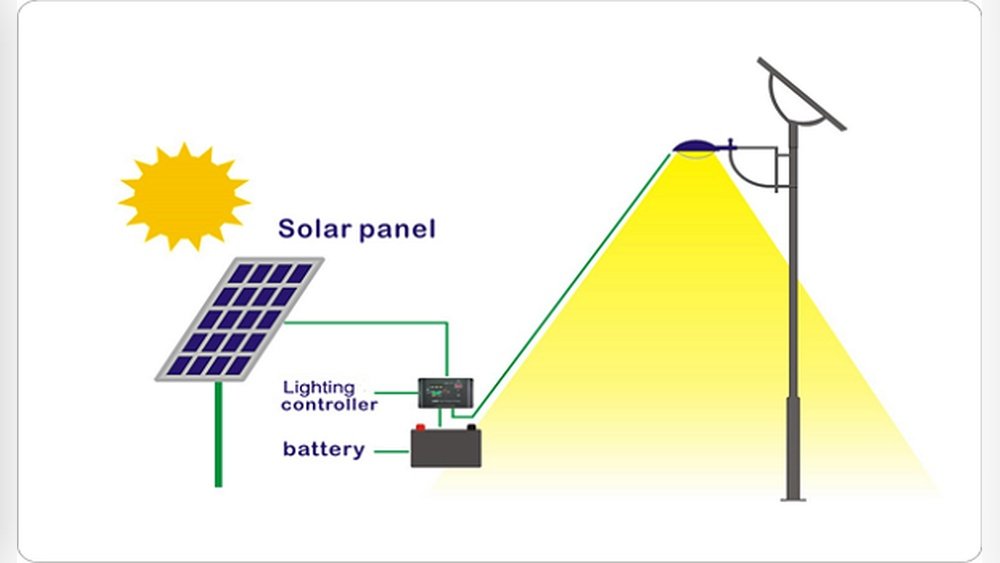
Solar panels use photovoltaic cells to turn sunlight into electricity. Each cell has layers of silicon that create an electric field. When photons from the sun hit the cell, they knock electrons loose. This movement of electrons is what creates electrical current.
Most panels are made to sit outside, soaking up as much light as possible. The more sunlight that reaches the cell, the more electricity it produces. Even a small bit of shade or dirt can drop performance by 10–20%. So anything that blocks light, like glass, can have a big effect.
What Happens When Sunlight Hits Glass?
Glass is everywhere—windows, skylights, greenhouses. But it’s not just a clear barrier. Here’s what happens when sunlight hits glass:
- Reflection: Some light bounces off, never making it through.
- Absorption: Glass absorbs a bit of light, turning it to heat.
- Refraction: Light bends as it goes through, which can scatter it.
- Transmission: Only the remaining light passes through.
On average, standard window glass lets through about 70–90% of sunlight, depending on thickness and type. Tempered glass, tinted glass, or double glazing can drop that number to 60% or less. That means a solar panel behind glass gets less than full sunlight.

Credit: www.youtube.com
Real-world Performance: Solar Panels Behind Glass
Let’s see how solar panels actually perform behind glass. Researchers have tested this in labs and real homes.
| Panel Setup | Average Efficiency | Loss vs Direct Sun |
|---|---|---|
| Direct Sunlight | 16–22% | 0% |
| Behind Standard Window Glass | 10–15% | 30–40% |
| Behind Tinted Glass | 5–10% | 50–60% |
| Behind Double Glazed Glass | 7–12% | 40–50% |
As you can see, the drop is big. Even with clear glass, you lose about one-third of the power. With tinted or double glazing, it’s even worse.
Why Does Glass Reduce Efficiency?
The main reasons:
- Light loss: Glass blocks or reflects a portion of the sunlight.
- Wavelength filtering: Glass absorbs some types of light (especially ultraviolet), so panels don’t get the full spectrum.
- Heat buildup: Glass can trap heat, and solar panels work less efficiently when hot.
- Angle effects: Light coming in at a slant loses more energy going through glass.
Most solar panels need direct, strong sunlight to work at peak. Glass is like a filter—it always takes away some power.
Special Solar Panels For Glass Surfaces
There are panels made to work with glass, especially for building-integrated photovoltaics (BIPV). These panels are built into windows or glass facades, blending energy generation with architecture.
Types Of Bipv Panels
- Transparent solar panels: These let light through but still generate power. Used for windows or skylights.
- Semi-transparent panels: A mix between regular glass and solar panel, good for offices and shops.
- Thin-film panels: Flexible and less visible, often used in glass curtain walls.
These panels are less efficient (usually 5–12%) but offer a balance between light and power. They’re popular in modern buildings that want to look good while making some energy.
| Panel Type | Transparency | Efficiency | Common Use |
|---|---|---|---|
| Transparent Solar | 60–80% | 5–10% | Windows |
| Semi-Transparent | 30–50% | 8–12% | Skylights |
| Thin-Film | 10–30% | 10–12% | Glass Walls |
Practical Scenarios: When Does It Make Sense?
Putting a regular solar panel behind glass usually doesn’t make sense unless you have no other option. But there are times when BIPV or glass-compatible panels are useful:
- Urban apartments: Where roof access isn’t possible, window solar panels can help.
- Skylights or sunrooms: Panels can be part of the glass, making use of natural light.
- Commercial buildings: Large glass facades can generate energy while keeping the building stylish.
- Greenhouses: Special panels can produce power without blocking too much sunlight for plants.
But keep expectations realistic—these setups usually provide supplemental energy, not full power.
Comparing Performance: Direct Sun Vs Behind Glass
To really understand the difference, let’s look at an example. Imagine you have a 100-watt solar panel.
| Setup | Estimated Output (Watts) | Loss (%) |
|---|---|---|
| Direct Sunlight | 100 | 0 |
| Behind Clear Glass | 65–75 | 25–35 |
| Behind Tinted Glass | 40–60 | 40–60 |
| Behind Double Glazed Glass | 50–70 | 30–50 |
If you need high output, always go for direct sunlight. Glass will cut your power by 25–60%, depending on type.
Common Myths About Solar Panels And Glass
Many people believe solar panels work just as well behind glass, or that all glass is “invisible” to sunlight. Here’s what’s true and what’s not:
- Myth 1: All glass is transparent to solar panels.
Not true. Even clear glass blocks some light and certain wavelengths.
- Myth 2: Solar panels behind glass are just as good.
False. You lose a significant amount of power.
- Myth 3: Any window can be used as a solar panel.
Only special panels are designed for windows. Regular ones aren’t efficient behind glass.
- Myth 4: Solar panels can work in any light.
Panels need strong, direct sunlight. Indoor lights or weak sunlight behind glass isn’t enough.
Key Factors That Affect Performance
If you must use solar panels behind glass, these factors will matter most:
- Glass Type: Clear, untinted glass is best. Tinted or thick glass reduces light.
- Panel Type: Some panels are more sensitive to diffused light. Thin-film panels do better indoors.
- Angle of Sunlight: Direct sunlight through glass is better than indirect.
- Cleanliness: Dust or dirt on glass lowers light further.
- Temperature: Panels behind glass can get hot, dropping efficiency.
Real-life Example: Window Solar Chargers
Window solar chargers are small panels designed to stick to glass and charge phones or gadgets. They’re popular for travel or city living. But the output is usually 30–50% of what you’d get outdoors. For example, a 10W window charger might produce only 3–5W behind glass.
Good for trickle charging, not for big devices.

Credit: heatforce.co.uk
Building Integrated Photovoltaics (bipv): The Future Of Solar Glass
BIPV technology is growing fast. Many new buildings use solar glass in windows, facades, and skylights. This turns parts of the building into mini power plants.
- The world’s largest solar glass facade is in Switzerland, producing about 20% of the building’s electricity.
- Transparent solar panels are being tested in cars, trains, and bus shelters.
- Some universities use solar glass in their libraries, mixing natural light and energy production.
Still, BIPV is not as efficient as rooftop solar. It’s mostly about aesthetics and supplemental power.
Two Insights Beginners Often Miss
- Orientation Matters: Panels behind glass should face the sun directly. A north-facing window in the US will get poor results. South-facing is best.
- Glass Age and Quality: Older glass can be cloudy or have coatings that block more sunlight. Modern low-iron glass is clearer and better for solar.
Environmental Impact: Is Glass-based Solar Worth It?
Using solar panels behind glass is better than nothing, but not always eco-friendly. If you use a lot of materials for a small energy gain, the payoff is slow. Rooftop solar is more sustainable. BIPV makes sense when you’re building new or replacing old windows—then you’re using glass anyway, so adding solar cells is smart.
Cost Considerations
Regular solar panels are cheaper per watt than BIPV panels or glass-compatible panels. Here’s a rough comparison:
- Standard panels: $0.50–$1 per watt
- BIPV panels: $2–$5 per watt
- Window solar chargers: $1–$3 per watt
If your goal is maximum savings, rooftop or ground-mounted panels win. For style and convenience, BIPV costs more but blends into the building.
Installation Tips For Solar Panels Behind Glass
If you decide to try solar panels behind glass, keep these tips in mind:
- Clean glass thoroughly before installing.
- Use panels designed for low-light or indoor use.
- Avoid shaded windows.
- Check wiring—some chargers need special connectors.
- Monitor output and adjust position for best results.
Safety Issues
Solar panels behind glass are safe if installed properly. Still, overheating can happen if panels trap heat. Always check manufacturer guidelines and avoid placing panels where heat can’t escape.
When Should You Not Use Solar Panels Behind Glass?
- If you want full power output.
- If you live in a cloudy region—glass reduces light even more.
- If your windows are tinted, dirty, or double glazed.
- If you can install panels outside, always do that instead.
Alternatives To Glass-based Solar
If glass isn’t ideal, try these options:
- Portable solar panels: Easy to move and place outside.
- Solar roof tiles: Look like regular shingles, high efficiency.
- Community solar farms: Buy a share and get credit for power produced elsewhere.
The Bottom Line
Solar panels can work through glass, but with lower efficiency. For most people, direct sunlight is best. Glass-based panels are good for style, convenience, and buildings with lots of glass. But if you want real power, keep your panels outside.
Choose the right setup for your needs—don’t expect miracles from a window charger.
Frequently Asked Questions
Can Regular Solar Panels Work Behind Any Window?
Regular solar panels will produce electricity behind clear, untinted windows, but the output drops by 30–60%. For best results, use panels designed for indoor or window use.
Are Transparent Solar Panels As Efficient As Rooftop Panels?
No. Transparent solar panels are less efficient (5–12%) compared to rooftop panels (16–22%). They’re designed for style and supplemental power, not maximum output.
Can I Power My Home With Solar Panels Behind Glass?
It’s unlikely. Panels behind glass provide only a fraction of the needed power. Rooftop or ground-mounted panels are much better for home energy.
Do Solar Panels Work Through Car Windows?
They work, but poorly. Car windows are often tinted and angled, so panels get less light. Solar panels for cars are usually mounted outside for better results.
Where Can I Find More Data About Solar Panels And Glass Performance?
Check research from energy labs and universities, or visit Wikipedia for technical details and studies.
Solar technology is changing fast—if you want the latest, keep learning and look for new breakthroughs. Remember, always match your solar panel setup to your real needs and space.

Credit: www.susenergy.co.uk