
Have you ever noticed a water stain on your ceiling and thought, “But I have solar panels—how is my roof leaking? ” You’re not alone. Many homeowners expect solar panels to protect their roof, not cause problems. It’s frustrating. You spent good money to go solar, and now you’re worried about leaks, water damage, or even mold.
Maybe you’re not sure if you should call your solar company, a roofer, or try to fix it yourself. Or worse, you fear a huge repair bill if you wait too long.
Let’s get straight to what you want to know.
Short Answer: How To Fix A Roof Leak Under Solar Panels
First, don’t panic. Most roof leaks under solar panels are repairable. Here’s the quick version:
- Confirm the leak is really coming from under the panels, not somewhere else.
- Contact your solar installer if your system is under warranty. They should check and fix it.
- If it’s not covered, hire a roofer with solar experience. They’ll remove panels, find the leak, fix the roof, and reinstall the panels.
- Don’t try to fix it yourself unless you have roofing and solar experience. Wrong moves can void warranties or make things worse.
- Take action quickly. Leaks get worse and can damage your home.
Now, let’s dig deeper so you understand what’s happening, why leaks happen, and how you can protect your home (and your solar investment) for the long run.
Why Do Roof Leaks Happen Under Solar Panels?
Most people think solar panels protect your roof like a shield. In some ways, they do—by blocking sun, rain, and hail from hitting the shingles directly. But leaks can happen when:
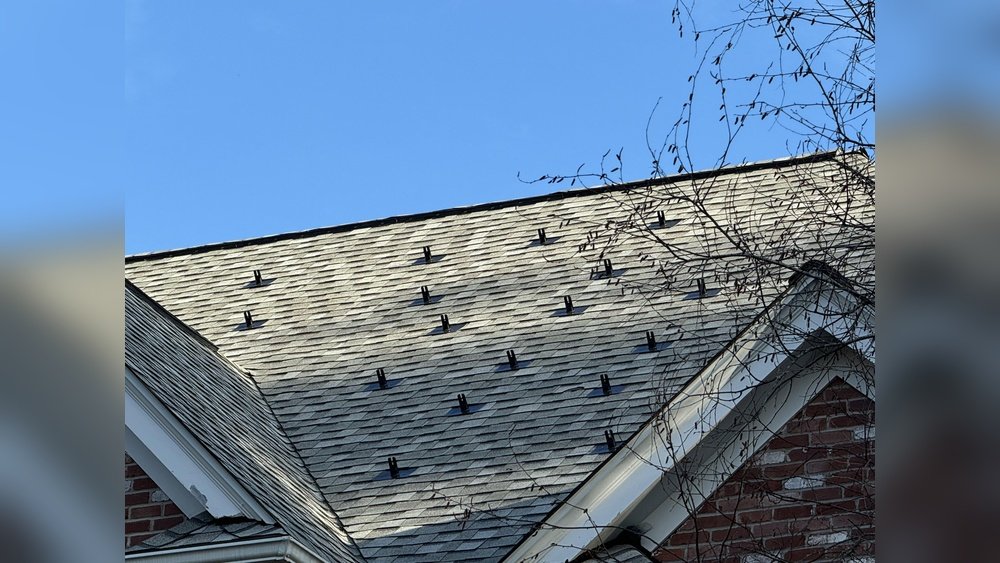
- Mounting hardware (like brackets or rails) is not sealed right
- Old or damaged roof shingles are under the panels
- Improper installation by inexperienced crews
- Flashing (the metal that keeps water out around holes) is missing or not installed well
- Debris or animal nests collect and trap water
Sometimes, leaks start months or even years after the panels are installed. The most common spots: around the mounting points where installers drill into your roof.
Example
Imagine you had a roof replaced in 2015, and solar panels added in 2018. By 2022, you notice a brown spot on your bedroom ceiling after a big storm. The leak might not show up right away, but water finds the path of least resistance.
If installers didn’t seal every bolt perfectly, it can take time for water to find its way inside.
Common Mistakes And Oversights
Here are two problems homeowners often miss:
- Assuming the solar company handles all roof repairs: Many solar installers are not licensed roofers. They may not spot old roof problems before installing panels.
- Waiting too long to check leaks: Small water stains can quickly become big issues—rotting wood, mold, or even structural damage.

Credit: www.youtube.com
How To Confirm The Leak Is Under Your Solar Panels
Before you start repairs, make sure the leak is actually under the panels—not from a vent, chimney, or another part of the roof.
Signs The Leak Is Related To Solar Panels
- Stains or water spots appear directly below where panels are installed
- Leaks show up after heavy rain or melting snow
- You see water dripping only during storms with high wind (water can travel sideways under panels)
How To Check
- Look in your attic. Trace where the water is coming in.
- Compare with your solar panel layout. If the spot lines up, it’s likely the source.
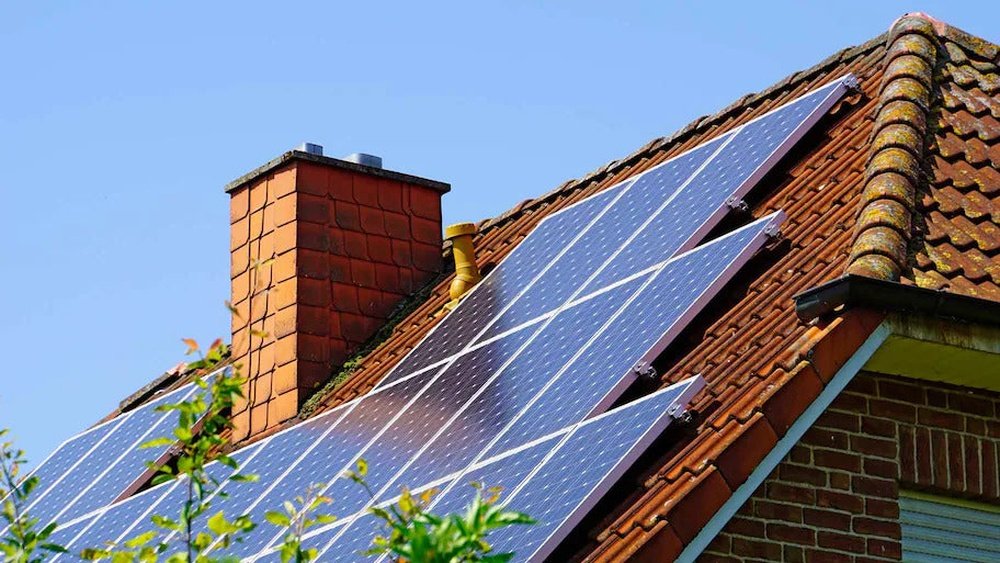
- Inspect outside. Look for loose panels, missing shingles, or gaps around mounting hardware.
If you’re not comfortable climbing on the roof, use binoculars or a camera zoom.
Step-by-step Guide: Fixing A Roof Leak Under Solar Panels
Let’s break down the process, so you know what to expect. You’ll see why the right help matters.
1. Assessment And Safety
First, assess the situation safely:
- If water is actively dripping, move valuables and place buckets to catch water.
- Turn off electricity near the leak for safety, especially if water is near lights or wiring.
- Call a professional if the leak is large or causing ceiling sagging.
2. Contact The Right Professionals
Solar leaks are a two-part problem: solar and roofing. Here’s who to call:
- Solar company: If your system is under warranty or less than 10 years old, start here.
- Roofer with solar experience: If your warranty is expired, or the solar company won’t help.
Some companies specialize in both. Ask about experience repairing leaks under panels.
3. Inspection
The crew will:
- Inspect the roof surface and attic for damage
- Check panel mounting points and all roof penetrations
- Remove debris (leaves, nests, etc.) From under panels
4. Removing Panels
To fix leaks, some or all solar panels over the leak must be carefully removed. This is not a DIY job—panels are heavy, fragile, and wired for high voltage.
- Professionals disconnect the panels safely from your electrical system
- Panels are set aside until repairs are finished
5. Locating And Repairing The Leak
Once panels are off, roofers:
- Check for holes, gaps, or damaged shingles under mounting brackets
- Inspect the flashing around all penetrations
- Remove wet or rotting roof material
They’ll then:
- Replace or patch damaged shingles or tiles
- Add or repair flashing as needed
- Use high-quality sealants for all mounting points
6. Reinstalling Solar Panels
After repairs:
- The area is cleaned and dried
- Panels are reinstalled and rewired
- All mounting points are resealed to prevent future leaks
7. Testing And Final Checks
Before leaving, professionals:
- Spray water over the area to test for leaks
- Check the attic and ceiling for moisture
- Make sure the solar system is working safely
What To Expect: Costs, Timeline, And Warranty
Every leak is different. Here’s what most homeowners want to know.
How Much Does It Cost?
Costs can vary a lot based on the leak’s size, your roof type, and the solar setup.
| Repair Type | Estimated Cost | Notes |
|---|---|---|
| Minor Sealant Repair | $300 – $600 | Quick fix, no panel removal |
| Leak Under Panels | $800 – $2,500 | Panels removed & reinstalled |
| Major Roof Repair | $2,500 – $7,000 | Structural damage or large area |
Your cost may be lower if the leak is caught early. Delayed repairs usually cost more.
How Long Does It Take?
- Simple repairs: 1–2 days
- Panel removal and roof repair: 2–5 days
- Major repairs: Up to 1 week (weather delays possible)
What About Warranty?
Check both your solar panel warranty and roof warranty. Many solar companies offer a 10–25 year warranty on panels, but leaks may only be covered for the first 5–10 years.
If your installer made a mistake, they should cover the cost. If your roof was old or damaged before the solar install, you may pay out of pocket.
Prevention: How To Avoid Future Leaks
The best fix is prevention. Here are ways to avoid this headache again.
Choose The Right Installer
Not all solar companies are created equal. Ask about:
- Roofing experience: Do they employ licensed roofers?
- Mounting systems: Do they use “no-penetration” systems if possible?
- References: Can they show you past jobs on homes like yours?
A good installer inspects your roof for age or damage before putting up panels.
Use Proper Mounting And Flashing
- Flashing is key—good flashing keeps water out where bolts go through the roof.
- Look for “flashed mounts” or “railed” systems designed for your roof type.
- On flat roofs, use ballasted systems that don’t require roof holes.
Regular Inspections And Maintenance
Solar panels need little day-to-day care, but your roof doesn’t. Do this every year:
- Check your attic for leaks after heavy rain or snow
- Inspect for debris under panels
- Hire a pro to check mounting points every 2–3 years
Keep Gutters And Roof Clear
Leaves, pine needles, and bird nests can trap water and cause leaks—even if your panels are perfectly installed. Keep your roof and gutters clean.
Plan For Roof Age
Solar panels last 25+ years. If your roof is already 15 years old, consider replacing the roof first. It’s cheaper and easier than removing panels later for roof work.
Real-world Example: Leak Repair Timeline
Let’s say you notice a small stain in your hallway ceiling after a storm. Here’s what might happen:
- You call your solar installer. They send a tech in 3 days.
- The tech inspects and finds water pooling under one panel.
- The company schedules a crew to remove 2 panels and repair the roof—scheduled for the next week.
- Panels are removed. Roofers find a cracked shingle and missing flashing. They replace the shingle, add flashing, reseal, and reinstall the panels.
- Whole job takes 3 days. Your total bill: $1,200 (solar company covers 50% due to warranty).
This shows why quick action and the right help matters.
When You Should Not Wait
If you see any of these warning signs, don’t delay:
- Sagging ceiling or bubbling paint
- Mold smell in attic or room below panels
- Water dripping near lights or electrical outlets
- More than one leak spot
These can mean serious roof or electrical damage. Waiting can triple your repair bill.
Diy Vs. Professional Repair: What’s Safe?
You might wonder if you can fix a leak yourself. Here’s a quick comparison:
| Task | DIY | Professional |
|---|---|---|
| Inspect attic for leak source | Safe | Safe |
| Remove solar panels | Unsafe | Safe |
| Apply sealant on visible gap | Possible (small gaps only) | Best for all repairs |
| Major roof repair under panels | Unsafe | Safe |
| Check and reseal mounting points | Risky | Safe |
Key insight: Even handy homeowners should avoid removing solar panels or working under them. Risk of electric shock, falling, or voiding your warranty is high.
What If The Leak Isn’t From Solar Panels?
Sometimes, water finds odd paths. Your leak might be:
- From a roof vent or chimney nearby
- From a broken shingle higher up, running down under panels
- From condensation, not a true “leak”
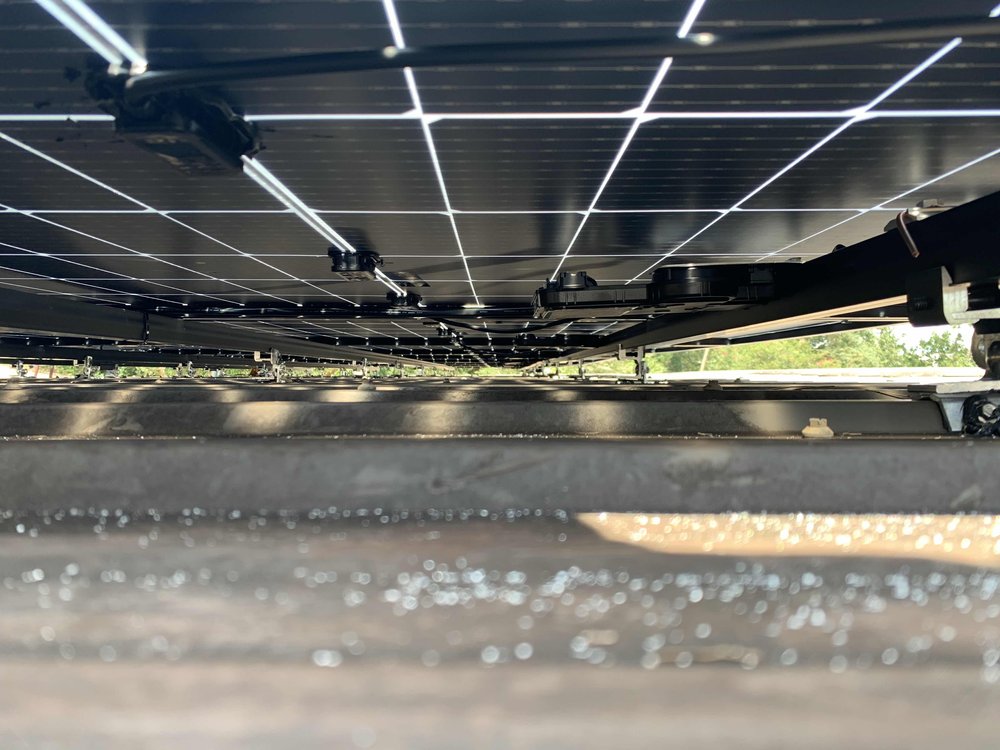
A pro can test with colored water, cameras, or moisture meters to pinpoint the source.
Credit: ppm.solar
Insurance And Solar Leaks: What You Need To Know
Many homeowners don’t realize their home insurance might help—if the leak is sudden and accidental. But insurance often excludes:
- Leaks from old age or neglect
- Faulty installation (solar installer should cover this)
- Gradual leaks over months or years
If you file a claim, document everything: when you noticed the leak, who you called, and what was repaired.
Comparing Roof Types: Are Some Roofs More Prone To Leaks?
Certain roofs are easier to work with. Here’s a quick comparison.
| Roof Type | Leak Risk with Solar Panels | Notes |
|---|---|---|
| Asphalt Shingle | Low to Medium | Most common, easy to flash if done right |
| Tile (Clay/Concrete) | Medium to High | Tiles can crack; needs special mounts |
| Metal | Low | Standing seam panels often need no holes |
| Flat Roof | Low | Ballasted systems avoid holes |
| Wood Shake | High | Not recommended for solar panels |
Pro tip: If you have a tile or wood shake roof, ask about special mounting and extra flashing.
What To Ask Your Installer Before You Commit
Choosing the right installer is your best protection. Here’s what to ask:
- How do you seal mounting points on my roof type?
- Do you use flashing at every penetration?
- Will you inspect my roof before installing panels?
- What is your leak warranty?
- Are you licensed and insured for both roofing and solar?
If they dodge these questions, look elsewhere.
How Solar Panels Can Actually Protect Your Roof
Here’s a fact many people miss: with proper installation, solar panels can make your roof last longer. They shade your roof from UV, hail, and rain. But only if they’re mounted and sealed correctly. That’s why the installer’s skill matters as much as the panels themselves.

Credit: www.youtube.com
Frequently Asked Questions
How Do I Know If My Solar Panels Are Causing The Leak?
If you see water stains or drips directly under the panel area (not near chimneys or vents), and the leak started after your solar install, it’s a strong clue. Check your attic during or after rain. If water lines up with mounting points, the panels are likely the cause.
Can I Fix A Roof Leak Under Solar Panels Myself?
It’s not recommended. Removing panels involves high voltage and risk of roof damage. Small sealant jobs can be done, but full repairs should be left to professionals with roofing and solar experience.
Will My Solar Warranty Cover Roof Leaks?
Many solar companies offer warranties that cover leaks caused by their work for 5–10 years. Panel warranties are often longer, but roof leak coverage is usually shorter. Check your contract or call your installer to be sure.
How Long Does It Take To Fix A Leak Under Solar Panels?
Simple fixes can be done in a day or two. If panels need to be removed and the roof repaired, expect 2–5 days, depending on weather and the size of the job.
Are Some Roofs Better For Solar Panels To Avoid Leaks?
Yes. Metal and asphalt shingle roofs are lowest risk when installed correctly. Tile and wood shake roofs need special care and may be more prone to leaks if not handled by experts.
—
A leaky roof under solar panels is stressful, but it doesn’t have to be a nightmare. The most important step is quick action—confirm the problem, call the right pros, and get repairs before water does more damage. Most leaks can be fixed without replacing your solar setup. With a quality installer and regular checks, you can enjoy clean energy and a dry, safe home for decades. For more on solar panel installation and roof compatibility, check this official guide from the US Department of Energy.