
Have you ever looked at your backyard shed and thought, “Why not put solar panels on it?” Maybe you want to power some lights, charge tools, or even run a small fridge. It seems simple—just buy the panels and set them up. But then you wonder: Do I need a permit for solar panels on a shed? Maybe you’ve heard stories of neighbors facing fines or being told to remove their panels. The rules can feel confusing, especially when you just want to save money and help the environment. Let’s clear up this confusion together.
Short Answer
Most places in the US do require a permit for solar panels on a shed—even for small systems. You need to check with your local city or county before you install anything. Permits are about safety, building codes, and making sure your setup won’t cause problems later. Some areas have exceptions for small, off-grid systems, but it’s always safer to ask first.
Why Permits Matter For Shed Solar Panels
Permits protect your safety and your wallet. Cities want to make sure solar panels are installed correctly, won’t cause fires, and won’t damage your shed. If you skip the permit, you may have to remove your panels, pay fines, or fix mistakes later.
Common reasons permits are needed:
- Electrical safety: Solar panels can cause electric shock or fires if not installed right.
- Building codes: Sheds are often lighter than houses; too much weight can damage the roof.
- Zoning rules: Some areas limit where you can place solar panels.
- Insurance and resale: Home insurance may not cover unpermitted work. If you sell your home, buyers may want proof your panels are legal.
Types Of Solar Panel Systems For Sheds
The permit rules depend on how you use your shed and the type of system you want.
| System Type | Grid Connection | Typical Purpose | Permit Needed? |
|---|---|---|---|
| Off-grid (battery) | No | Lights, small tools | Often Yes |
| Grid-tied | Yes | Feed power to home/grid | Yes |
| Portable panels | No | Temporary power | Rarely |
- Off-grid systems: Power only the shed. Usually need a permit if wiring is permanent.
- Grid-tied systems: Connect to your house or the city grid. Always need a permit.
- Portable panels: Like suitcase panels or plug-and-play kits. Usually no permit, unless you install them permanently.
How To Check Local Permit Rules
Every city and county has its own rules. Here’s how to find out what you need:
- Visit your city or county’s website.
- Search for “solar panel permit” or “building permit.”
- Call the building department if you’re unsure.
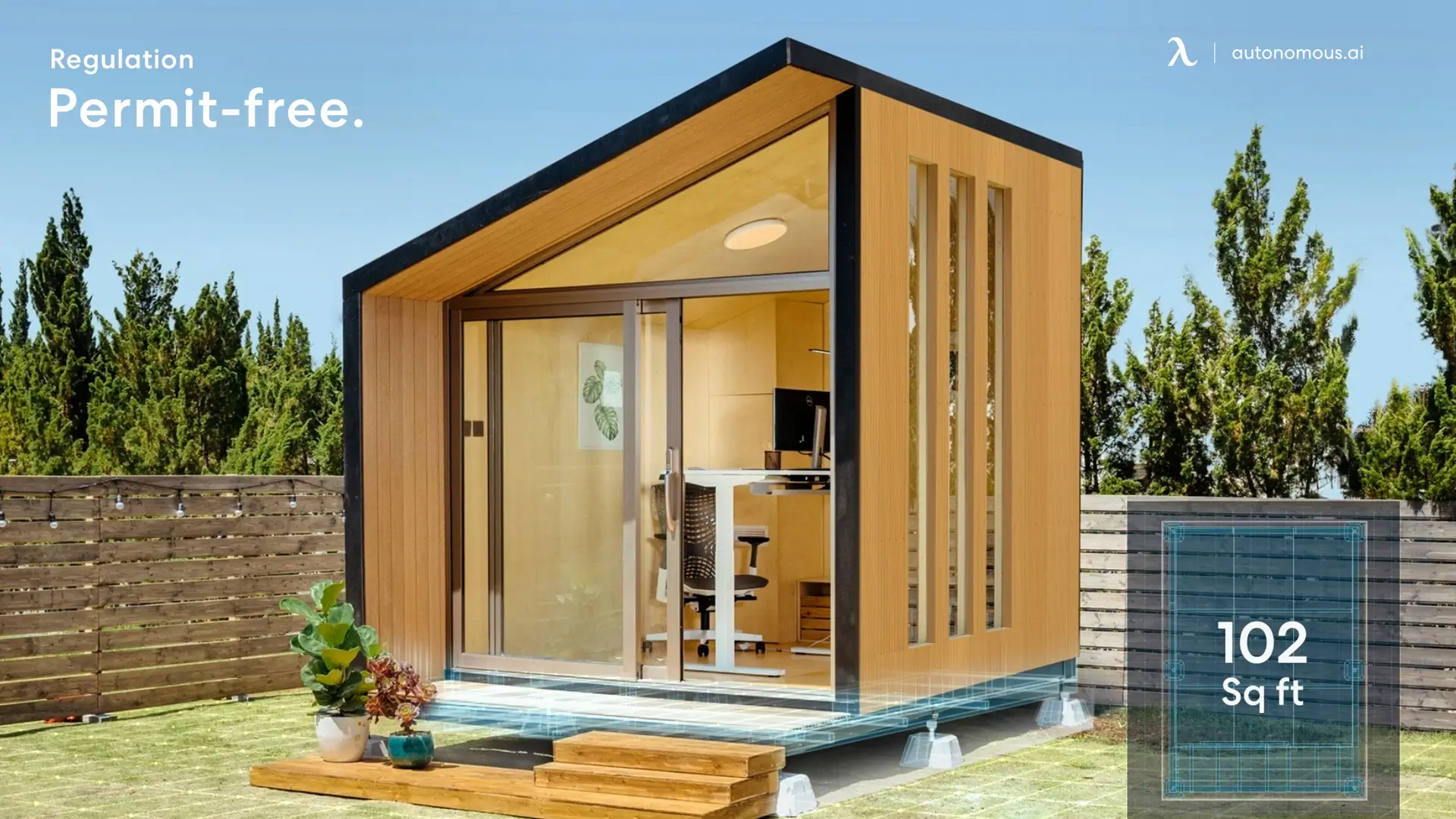
Some cities have solar permit checklists that show exactly what documents you need. For example, Los Angeles and Phoenix have online guides for shed and roof solar permits.
Credit: www.autonomous.ai
What Is Usually Required For A Permit?
If you need a permit, you’ll likely be asked for:
- Site plan: A drawing showing your shed, property lines, and where the panels will go.
- Electrical plan: How you will wire the panels, batteries, and any connections.
- Structural details: Proof your shed’s roof can support the panels.
- Product info: Details about your solar panels, inverter, and mounting hardware.
You may need a licensed electrician to sign off on the plans, especially for grid-tied systems.
Typical Permit Costs And Waiting Times
Permit costs vary by city and system size. Here’s a simple table to show the range:
| Location | Permit Fee | Approval Time |
|---|---|---|
| Small town (off-grid) | $50–$150 | 1–2 weeks |
| Large city (grid-tied) | $200–$500 | 2–4 weeks |
| Portable panel (no permit) | $0 | Same day |
- Some cities offer “fast-track” permits for small solar systems, sometimes in 1–2 days.
- If your shed is new or you are building it, you may need a separate shed permit first.

Credit: www.anernstore.com
Common Permit Mistakes (and How To Avoid Them)
Many people make simple errors that slow down their project or cost extra money:
- Skipping the permit: This is the biggest mistake. Always check first.
- Wrong plans: Not showing enough details or missing electrical diagrams.
- Overloading the roof: Not proving your shed can hold the weight.
- DIY wiring: Trying to wire panels without professional help. This can fail inspection.
- Wrong zoning: Installing panels too close to property lines or violating neighborhood rules.
Tip: Take photos of your shed roof, panel specs, and wiring plan. These help the permit office understand your project.
Real-life Example: Joe’s Shed Solar Story
Joe wanted to power his garden shed in Texas. He bought two 100-watt panels, a small battery, and an inverter. He planned to install the panels himself.
Before starting, Joe called his city. The permit office said he needed a permit, even for a small system. They asked for:
- A drawing of his shed and property
- Electrical details
- Proof the roof was strong enough
Joe’s permit cost $75 and took ten days. When he finished, an inspector checked his wiring and the roof. Joe passed the inspection and now uses his shed for woodworking, with no worries about fines or safety.
Permit Process Step-by-step
If you want to install solar panels on your shed, here’s a simple guide:
- Check city/county rules: Look online or call.
- Draw a site plan: Show your shed and where panels will go.
- Prepare electrical details: Include wiring, batteries, and inverter.
- Gather product info: Panel specs, mounting kit, inverter details.
- Get roof details: Prove your shed can hold the panels.
- Submit permit application: Online or at city hall.
- Wait for approval: Usually 1–4 weeks.
- Install panels: Follow your approved plans.
- Schedule inspection: An inspector checks your work.
- Get final sign-off: You’re legal and safe.
Diy Vs Professional Installation
You can install solar panels yourself, but hiring a pro can make things easier.
| DIY Installation | Professional Installation |
|---|---|
| Lower cost | Higher cost |
| More paperwork | Handled by installer |
| Risk of mistakes | Expert advice |
| Permits can be tricky | Permits managed for you |
- If you choose DIY, read your city’s solar permit checklist carefully.
- For grid-tied systems, most cities require a licensed installer.

Credit: floridasolardesigngroup.com
Shed Solar Panel Size And Weight: Why It Matters
Solar panels are heavy. A typical 100-watt panel weighs about 15–20 pounds. If you install two panels and a mounting kit, your shed roof may need to support 50–70 pounds.
- Most small sheds can handle 1–2 panels, but older sheds may need roof reinforcement.
- Some cities require a structural engineer’s letter for heavier systems.
Tip: If your shed roof is weak, consider ground mounting. Panels can be installed on racks beside the shed.
What Happens If You Skip The Permit?
Skipping the permit can cause problems:
- Fines: Cities may charge $500–$2,000 or more.
- Forced removal: You may need to take down your panels.
- No insurance: Damage from unpermitted panels may not be covered.
- Trouble selling: Home buyers or inspectors may flag your panels as illegal.
Non-obvious insight: Even if your shed is “temporary,” some cities still require a permit for solar panels. Always check, even for portable sheds.
Special Cases: When You Might Not Need A Permit
Some situations allow you to skip the permit:
- Portable panels: If you set up panels without attaching them to the shed or wiring them permanently.
- Small, plug-and-play kits: Systems under 50 watts, used for charging phones or lights.
- Rural areas: Some counties don’t require permits for off-grid sheds, but this is rare.
Warning: Even in rural areas, insurance companies may require proof your system is safe.
Permit Tips For Non-native English Speakers
If English is not your first language, here are some ways to make the permit process easier:
- Ask for a permit checklist in simple language.
- Bring a friend or translator to the permit office.
- Use photos and simple drawings to explain your project.
- Search for “solar panel permit guide” in your city’s language options.
Useful Resources
Many cities offer help online. For example, the U.S. Department of Energy has a guide on solar permits for homeowners. You can learn more at Energy.gov.
Frequently Asked Questions
Do I Always Need A Permit For Solar Panels On A Shed?
Most cities require a permit, even for small systems. Always check with your local building department before you start.
How Long Does It Take To Get A Permit?
Typical approval time is 1–4 weeks. Some cities offer fast-track permits for small, simple systems.
What Happens If I Don’t Get A Permit?
You may face fines, forced removal, and insurance problems. It’s safer to get a permit.
Can I Install Solar Panels Myself?
Yes, but you need to follow local rules and submit clear plans. For grid-tied systems, a licensed installer is often required.
Is There A Size Limit For Shed Solar Panels Without A Permit?
Some cities allow small, portable panels without a permit. Usually, systems under 50 watts or not permanently installed are allowed, but always confirm with your city.
—
Adding solar panels to your shed is a smart idea. It saves money, helps the planet, and gives you more power in your backyard. But permits are a key step. They protect your safety, help with insurance, and make sure your project is legal.
Always check your local rules first, prepare clear plans, and don’t be afraid to ask for help. With the right approach, your shed can become a small solar powerhouse—safe, strong, and ready for anything.