
Ever feel like selling solar panels is harder than it should be? You talk to someone, share all the benefits, and they still say, “Maybe later.” Or you get a few leads, but nobody actually buys. You might wonder: Is it the price? Is it the product? Or is something missing in your sales approach? If you’re frustrated, you’re not alone. Many people want to sell solar panels but struggle to get real results. Most guides just list generic tips or confuse you with industry jargon. But what you need is a clear, practical guide that helps you actually close more deals—without sounding pushy or desperate.
Short Answer: How To Sell Solar Panels
To sell solar panels, you need to:
- Understand your customer’s needs and local energy costs.
- Explain the benefits simply, focusing on savings and reliability.
- Offer clear pricing and financing options.
- Build trust by showing successful installations and reviews.
- Handle objections confidently and follow up consistently.
Now, let’s break down each step and show you how to go from “interested” to “sold”—with real examples and proven strategies.
Why Solar Panels Are Hard To Sell
Selling solar panels isn’t like selling a phone or a kitchen appliance. Customers often have doubts:
- “Will it really save me money?”
- “Is it safe?”
- “Can I afford it?”
- “How long before I see benefits?”
Many buyers are worried about the upfront cost and the installation process. Others don’t trust new technology or believe it’s too complicated.
Here’s a quick look at why people hesitate:
| Common Concern | What Customers Really Mean |
|---|---|
| High Price | I’m not sure if it’s worth the money. |
| Complicated Setup | I don’t want construction at my home. |
| Reliability | Will it work in bad weather? |
| Maintenance | I don’t want extra chores. |
| Unclear Savings | How much will I actually save? |
If you address these doubts head-on, you’ll stand out from other sellers and earn trust faster.

Credit: www.jobnimbus.com
Know Your Customer: The Foundation Of Selling
Before you pitch, you must understand who you’re talking to. Not everyone buys solar panels for the same reason.
Identify Your Ideal Buyer
There are three main types of buyers:
- Homeowners: They want lower bills and more control over energy.
- Business Owners: They seek long-term savings and tax benefits.
- Environmentally Conscious Consumers: They care about sustainability and reducing their carbon footprint.
Ask questions like:
- What are your monthly energy costs?
- Do you plan to stay in your home for years?
- Are you worried about blackouts or rising prices?
If you know their motivation, you can tailor your pitch.
Research Local Market And Regulations
Solar panels aren’t one-size-fits-all. Local laws, weather, and incentives matter.
For example:
- In California, solar panels are popular due to high electricity costs and government rebates.
- In cloudy regions, you must explain how panels work with less sunlight.
Check local incentives and tax credits. Many states offer rebates or net metering, which lets customers sell extra power back to the grid.
Explain Benefits In Simple Language
People don’t want technical details—they want clear, personal benefits.
Focus On Savings
Show how much they can save each month. Use real numbers.
Example: “If your bill is $150 per month, solar could cut it to $20. That’s $1,560 saved per year.”
Compare Solar To Regular Power
Help customers see the difference:
| Energy Source | Monthly Cost | Annual Cost | Reliability |
|---|---|---|---|
| Grid Electricity | $100–$200 | $1,200–$2,400 | Depends on utility |
| Solar Power | $20–$50 | $240–$600 | Independent, backup possible |
Highlight Environmental Impact
Many buyers are motivated by the environment. Explain how solar reduces their carbon footprint.
Example: “A typical solar panel system can cut 4 tons of carbon emissions per year. That’s like planting 100 trees annually.”
Mention Property Value
Solar panels can increase home value by 3-5%. If someone plans to sell in the future, this is a strong selling point.
Pricing, Financing, And Incentives: Make It Easy To Buy
Price is the biggest hurdle. Don’t hide it—make it clear and show options.
Show Total Cost And Breakdown
Explain installation, panels, and maintenance fees. Use a simple table:
| Item | Cost (USD) |
|---|---|
| Panels | $6,000 |
| Installation | $2,000 |
| Inverter | $1,200 |
| Permits | $500 |
| Total | $9,700 |
Offer Financing
Most buyers can’t pay everything upfront. Provide monthly payments, loans, or leasing.
Example: “with Financing, You Pay $70/month Instead Of $9,700 Upfront.”
Explain Government Incentives
Many states offer tax credits. For example, the federal solar tax credit gives 30% back. That means $2,910 off a $9,700 system.
Let buyers know how to claim these incentives or offer to help with paperwork.
Building Trust: The Secret Ingredient
Solar panels are a big investment. Buyers need to trust you and your product.
Show Real Installations
Use photos and videos from previous jobs. If possible, offer to visit a real customer’s home.
Share Reviews And Testimonials
Ask happy clients for short quotes or videos. Display these on your website or in emails.
Example: “Our bill dropped from $130 to $25. Installation was fast and easy.”
Display Certifications
Show certifications from trusted organizations like the North American Board of Certified Energy Practitioners (NABCEP). This proves you’re qualified.
Offer Guarantees
Provide warranties for panels and installation. A 25-year panel warranty is standard. If you offer a “Satisfaction Guarantee,” mention it clearly.
Handling Objections And Questions
Most buyers have doubts. If you ignore them, you lose the sale.
Listen Before You Answer
When someone asks, “What if it breaks? ” don’t rush to explain. First, understand their concern.
Common Objections And Responses
- “It’s too expensive.”
- “Solar actually pays for itself over time. With financing, your monthly costs can drop.”
- “I don’t have enough sunlight.”
- “Panels work even on cloudy days and can store energy for later use.”
- “Maintenance is too much.”
- “Solar panels need minimal care. Just occasional cleaning.”
- “I might move soon.”
- “Solar increases home value, so you’ll likely get your investment back if you sell.”
Use Data And Examples
People trust numbers. If you can share a case study or average results, do it.
Example: “A family in Texas saved $1,800 in their first year. They only cleaned their panels twice.”
Closing The Sale: Steps That Work
Selling isn’t about pushing—it’s about guiding. Here’s how to help your customer decide.
Ask For Action
Don’t wait for buyers to ask. Invite them to start.
Example: “would You Like A Free Estimate For Your Home?”
Make It Easy
Give clear next steps:
- Schedule a home visit.
- Fill out a quick form.
- Review financing options.
If you can, handle paperwork and permits for them.
Follow Up
If someone says “not now,” check back in 2–4 weeks. Most buyers need time to think.
Send helpful emails with new incentives, case studies, or answers to their questions.
Avoid Common Mistakes
- Pushing too hard. Let buyers decide.
- Ignoring objections. Always address concerns.
- Forgetting follow-up. Many sales happen after the first call.
Marketing Strategies For Selling Solar Panels
You can’t sell if nobody knows you. Use smart marketing to reach the right people.
Online Advertising
Target local homeowners with ads on Google or Facebook. Use simple messages:
- “Cut your energy bill by 80%.”
- “Get a free solar panel estimate.”
Content Marketing
Write blog posts or make videos showing real savings, installation steps, and customer stories.
Referral Programs
Offer rewards for past customers who refer new buyers. For example, “Get $200 for every friend who installs solar. ”
Partner With Local Businesses
Work with real estate agents, home builders, and electricians. They can recommend you to their clients.
Attend Local Events
Set up booths at fairs or home shows. Meet customers face to face and answer their questions.
How To Stand Out From Other Sellers
Solar panel sales are competitive. To win, you need to be different.
Be Honest
Don’t hide costs or oversell. If a home isn’t ideal for solar, say so. Customers respect honesty.
Educate, Don’t Pressure
Teach buyers about solar. Use simple language and answer every question.
Offer Something Unique
Maybe you provide free maintenance for the first year or a special guarantee. Small extras can make a big difference.
Use Technology
Offer virtual consultations or use apps to show how panels look on their roof. This makes the process easier and more engaging.
Solar Panel Types And Choosing The Right Product
There are many kinds of solar panels. Help buyers pick what suits their needs.
Main Types
- Monocrystalline: Efficient, sleek, but more expensive.
- Polycrystalline: Cheaper, less efficient, blue tint.
- Thin-Film: Flexible, good for odd-shaped roofs, less efficient.
| Type | Efficiency | Cost | Appearance |
|---|---|---|---|
| Monocrystalline | 18–22% | High | Black, sleek |
| Polycrystalline | 15–17% | Medium | Blue, spotted |
| Thin-Film | 10–13% | Low | Flexible, dark |
How To Recommend The Right Panel
- For small roofs: Monocrystalline is best.
- For budget buyers: Polycrystalline works.
- For odd shapes or mobile homes: Thin-film fits.
Ask about roof size, budget, and appearance preference.
Installation Process: What Buyers Want To Know
Buyers worry about installation. Make it simple and stress-free.
Steps From Start To Finish
- Site Assessment: Measure roof, check sunlight, discuss needs.
- Design Proposal: Show system layout and estimated savings.
- Permits and Paperwork: Handle local approvals.
- Installation: Usually 1–2 days for homes.
- Inspection: Ensure safety and proper setup.
- Activation: Connect to the grid and start saving.
Tips For Smooth Installations
- Communicate clearly about timelines.
- Protect landscaping and clean up after work.
- Offer updates during each step.
Common Mistakes To Avoid
- Skipping site checks. Every roof is different.
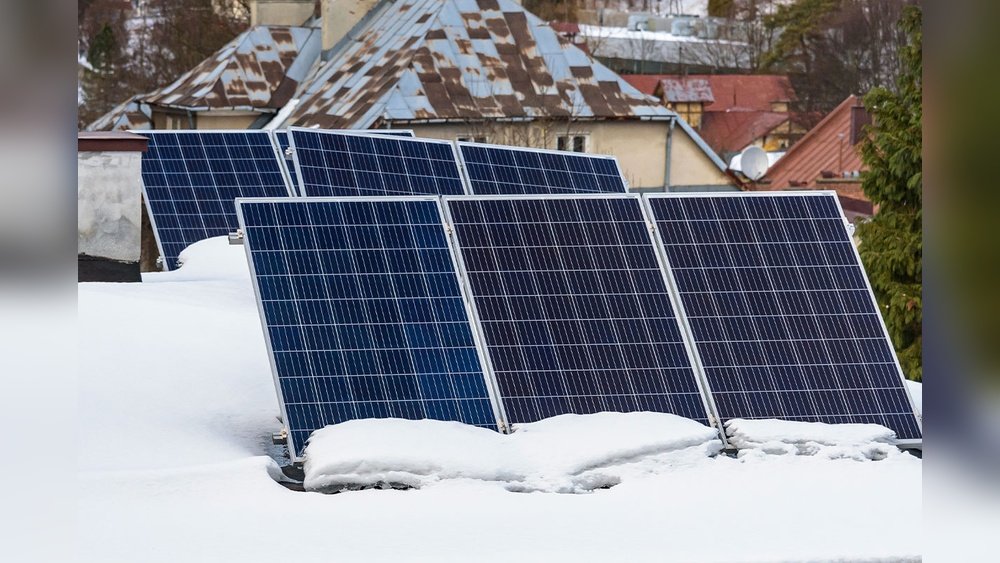
- Ignoring weather delays. Plan for rain or snow.
- Not explaining paperwork. Make sure buyers know what’s needed.
Credit: simplysolar.com
Real-world Examples: Success Stories
Stories help buyers imagine their own success.
Homeowner Case
Mrs. Garcia in Arizona installed 20 panels. Her bill dropped from $140/month to $18/month. She paid $8,500 with a $2,500 tax credit. Her home value increased, and she sold it for $12,000 more two years later.
Business Case
A bakery owner in Texas switched to solar. He saved $4,000 in the first year and attracted eco-conscious customers. The system paid for itself in four years.
Common Insights
- Most buyers underestimate the impact on home value.
- Many worry about maintenance, but find it easier than expected.
Advanced Tips: What Most Sellers Miss
If you want to be a top seller, go beyond basics.
Use Energy Monitoring Apps
Show buyers real-time savings with apps like SolarEdge or Enphase. This builds confidence and helps them track results.
Offer Seasonal Promotions
Winter is slow for solar sales. Offer discounts or free upgrades during the off-season.
Build Long-term Relationships
Check in after installation. Ask for feedback, offer maintenance tips, and remind them about warranty coverage.
Network With Local Influencers
Work with bloggers or social media personalities who care about the environment. They can share your service to a wider audience.
Credit: www.eagleview.com
Frequently Asked Questions
What Happens If My Panels Get Dirty Or Damaged?
Solar panels are built to last. Dirt can lower efficiency, but cleaning them twice a year is enough. If there’s damage, most systems come with a warranty—usually 25 years for panels and 10 years for inverters.
How Long Does It Take To Install Solar Panels?
Home installations usually take 1–2 days. For larger buildings, it can take up to a week. Permits and paperwork may add extra time, but your installer handles most of it.
Will Solar Panels Work During Cloudy Days Or At Night?
Solar panels produce less power on cloudy days but still work. At night, you need batteries or grid power. Many systems store extra energy for later use.
What Is The Average Payback Period For Solar Panels?
Most buyers see payback in 6–8 years, depending on energy costs and local incentives. After that, the savings are pure profit.
Are There Any Hidden Costs?
Most reputable sellers include everything in the price—panels, installation, permits, and warranties. Ask for a detailed quote to avoid surprises. Always check if maintenance or monitoring fees apply.
If you want to learn more about solar incentives and regulations, check the US Department of Energy for up-to-date information.
Selling solar panels is not just about products—it’s about helping people save money, feel secure, and make a positive impact. With a clear, honest approach, you can turn curious buyers into happy customers. Don’t be afraid to try new strategies, learn from each sale, and always focus on what the buyer truly cares about.
The future of energy is bright—and you can be part of it.