
Ever Thought Solar Panels Could Work From Both Sides?
Imagine you’re standing in your backyard, looking at your solar panels. You wonder, “What if these could catch sunlight not just from the top, but from the bottom too?” That’s basically what bifacial solar panels do. They’re like double-sided tape for the sun, grabbing energy from both directions. But are they actually worth it? Let’s break down the facts together—no jargon, just clear answers.
Bifacial panels are one of the newest trends in solar technology. They stand out because they can make use of sunlight that would usually be wasted. Think of sunlight bouncing off your driveway, patio, or even snow in winter—bifacial panels can capture this extra energy.
This makes them attractive for anyone who wants to get the most from their solar investment, but it’s important to know when and where they really shine.
The Short Answer
Are bifacial solar panels worth it? In many cases, yes, but not for everyone. Bifacial panels can produce up to 30% more power than regular panels, especially when installed in the right place. If you have a home or business with a lot of sunlight, space, and a good setup, you’ll likely see a real boost in energy. But they cost more upfront, and not every roof or ground is perfect for them. Let’s dig deeper so you can decide if they fit your needs.
The real value of bifacial panels shows up over time. The extra energy they generate adds up, but only if your installation is optimized. For some, the savings are clear in the first few years. For others, traditional panels still make more sense.
It’s not just about the technology—it’s about your unique situation.
What Are Bifacial Solar Panels?
Bifacial solar panels are designed to capture sunlight from both sides—front and back. Traditional panels only use the front side. With bifacial panels, the back side collects reflected sunlight from surfaces like concrete, grass, or even snow. This extra capture means more energy for your home or business.
Most bifacial panels use monocrystalline silicon cells, which are efficient and durable. The panel is usually framed with glass or transparent material on both sides. When sunlight hits the ground and bounces up, the back side can turn that energy into electricity.
You’ll also notice bifacial panels look different. You might see through them slightly, or notice their double-glass design. Some people even like their modern look, which can be a small bonus if you want an attractive system.
How Do They Work?
Bifacial panels are often installed with a gap between the panel and the ground. This allows more sunlight to reach the back side. The ground surface matters a lot—white concrete reflects more light than grass or dirt. The angle and height of installation also affect how much extra energy you get.
Here’s a simple example: If you place bifacial panels over a white roof or a reflective surface, you’ll get more bonus power. Over a dark roof, you get less.
The height and angle may sound like small details, but they have a big impact. Raising a panel just 15–20 inches above the ground can noticeably increase the reflected light the back side receives. If the panels are too close to the ground, less light gets underneath, and you lose much of the benefit.
That’s why many commercial installations use racks or frames to elevate the panels.
Comparing Bifacial Vs. Traditional Solar Panels
It helps to see the difference clearly. Here’s a quick comparison:
| Feature | Bifacial Panels | Traditional Panels |
|---|---|---|
| Energy Capture | Both sides | Front side only |
| Efficiency | Up to 30% higher | Standard |
| Cost | Higher upfront | Lower upfront |
| Durability | Often more robust | Standard |
| Installation | Needs specific setup | Works almost anywhere |
Key Differences
- Energy Production: Bifacial panels can generate more electricity, but only if the installation is right.
- Price: They cost more to buy and install, but can save more money over time.
- Setups: They work best in places with reflective surfaces, like white roofs, concrete, or snow.
It’s worth noting that bifacial panels are sometimes heavier because of the double-glass structure. However, new models have started using lighter frames, so weight is less of a concern than it used to be. For some roofs, especially older ones, this makes a big difference.

Credit: www.solarpowerworldonline.com
Real-world Performance: Data And Statistics
Let’s look at real numbers. Studies show bifacial panels can produce 10–30% more power than standard panels. For example:
- A test in Arizona found bifacial panels produced 27% more electricity than monofacial panels.
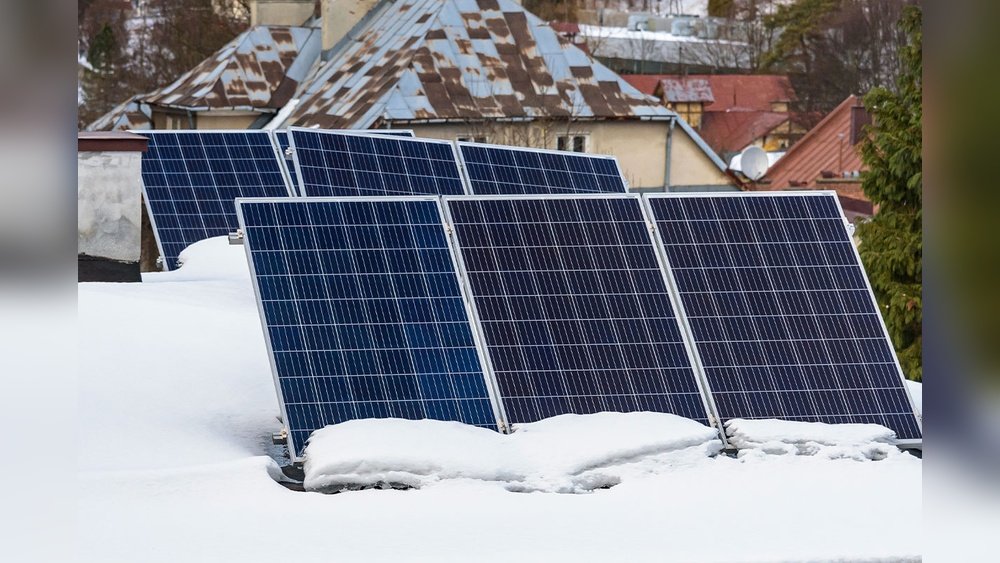
- In snowy regions, the extra sunlight reflected from snow increased output by up to 35%.
But these results depend on the ground surface, the height of the panels, and the local climate.
Another key factor is time of year. In winter, when the sun is lower and snow is on the ground, bifacial panels can produce more energy than you might expect. In hot climates, the panels can also run cooler due to airflow around both sides, which helps efficiency (solar panels lose some efficiency when they get too hot).
Example Calculation
Suppose you have a 5 kW solar system. With traditional panels, you might get about 7,000 kWh per year. With bifacial panels and a reflective surface, you could get 9,100 kWh per year—that’s a big jump.
Here’s a quick data table:
| System Size | Panel Type | Annual Output (kWh) | Extra Output (%) |
|---|---|---|---|
| 5 kW | Traditional | 7,000 | – |
| 5 kW | Bifacial (reflective surface) | 9,100 | +30% |
Another example: A commercial building in Japan added bifacial panels to their white membrane roof. Over 12 months, the system produced 23% more electricity than their old single-sided panels, even though the weather was cloudy for weeks at a time. This shows that while maximum gains happen in sunny places, there are benefits even in less-than-ideal weather.
Installation: What Makes Bifacial Panels Work Best
Not every place is perfect for bifacial panels. If you want the most from them, consider these:
- Ground Surface: White concrete, light gravel, or snow reflects more light.
- Panel Height: Panels set higher above the ground catch more reflected light.
- Tilt Angle: The angle helps both sides catch sun.
- Open Space: Avoid shade from trees or buildings.
If your roof is dark or shaded, bifacial panels may not give much extra power. If you have a flat roof, consider using light-colored materials under the panels.
Installation Options
- Ground-Mounted Systems: Great for large areas with reflective surfaces.
- Commercial Roofs: Best if you can use white or light-colored roofing.
- Solar Farms: Bifacial panels are popular for big projects.
One thing many people don’t realize: Even small changes to the surface under your panels can have a big impact. Spreading a layer of white gravel or painting a flat roof with reflective paint can boost your energy yield by 10% or more. For ground-mounted systems, leaving the area free of tall grass or plants also helps more light reach the back of the panel.

Credit: aussiesolartech.com.au
Cost Breakdown: Are They Worth The Money?
Bifacial panels cost 10–20% more than regular ones. You also pay extra for special mounting and wiring. But over time, the extra power can save money.
Cost Example
Suppose you pay $3,000 for a traditional system and $3,600 for bifacial panels. Over 25 years, the bifacial system could save you $1,500–$2,000 more in electricity.
Here’s a comparison:
| System Type | Upfront Cost | Annual Savings | Payback Period |
|---|---|---|---|
| Traditional | $3,000 | $700 | ~4.3 years |
| Bifacial | $3,600 | $910 | ~4 years |
Financial Tips
- Check incentives and rebates in your area.
- Compare energy rates—higher rates mean faster payback.
- Consider maintenance costs—bifacial panels are often more durable.
You should also factor in possible savings on future upgrades. For example, because bifacial panels can produce more energy from the same area, you might avoid expanding your system later. This is especially useful if you plan to add an electric car or more appliances in the future.
Pros And Cons Of Bifacial Solar Panels
Let’s make it clear with a simple list.
Pros
- Higher Efficiency: Up to 30% more power.
- Durability: Double-glass design can last longer.
- Better Performance in Snowy Areas: Extra reflected light means more energy.
- Lower Maintenance: Glass backs resist weather and damage.
Some designs are also more resistant to micro-cracks and moisture, which can be an issue with cheaper panels. This means fewer repairs and less risk of performance dropping over time.
Cons
- Higher Upfront Cost: More expensive to buy and install.
- Special Installation Needed: Not ideal for shaded or dark surfaces.
- Payback Depends on Setup: Savings depend on location and installation.
- Heavier Panels: May need stronger mounts.
Also, if you live in an area with high wind or hail risk, check with your installer about extra mounting strength. Double-glass panels are tough, but proper installation is still critical.
Credit: www.energysage.com
Practical Examples: Who Should Consider Bifacial Panels?
Homeowners
If you have a flat roof with light-colored material, or a backyard with space for ground-mounted panels, bifacial panels could be a good investment. If your roof is dark or shaded, stick with traditional panels.
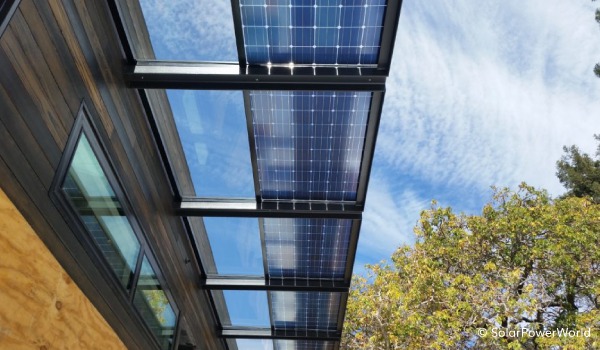
Some homeowners use bifacial panels as shade structures—like carports or pergolas. This creates double value: energy generation and a shaded outdoor area.
Businesses
Commercial buildings with white roofs or open lots can benefit a lot. Many businesses see faster payback due to higher energy needs.
Retail stores and warehouses with large, flat roofs are often ideal for bifacial panels. The extra efficiency helps offset high daytime energy use. Some companies also like to show off their advanced solar arrays as part of their “green” image.
Solar Farms
Big projects often use bifacial panels. The extra efficiency means more power for the grid, and costs drop as more panels are installed.
In fact, some of the biggest solar farms in the world now use bifacial technology. With careful planning, they can supply clean energy to thousands of homes at a lower cost per watt.
Snowy Regions
If you live in a place with lots of snow, bifacial panels can really shine. Snow reflects sunlight, boosting energy even in winter.
One clever tip: In northern areas, mounting panels a bit higher keeps the back free from snow buildup and takes full advantage of the reflection.
Non-obvious Insights Most Beginners Miss
- Panel Height Matters More Than You Think: Raising panels even a few inches can boost back-side energy.
- Ground Surface Is Key: Changing the ground under your panels (like adding white gravel) can increase output.
- Cleaning Both Sides Can Help: Dirt or leaves under panels block reflected light. Clean both sides for best results.
- Bifacial Panels Are Not Always Heavier: Some new designs use lighter frames, making installation easier.
Another subtle point: On some rooftops, adding a reflective white membrane under the panels can be a low-cost way to get better performance from bifacial panels.
Common Mistakes When Choosing Bifacial Panels
- Ignoring Ground Surface: Many buyers forget that dark ground limits extra power.
- Not Checking Roof Strength: Double-glass panels can be heavier—make sure your roof can handle it.
- Skipping Professional Advice: DIY installation can reduce efficiency. Get a qualified installer.
- Overestimating Savings: Don’t expect full 30% boost unless your setup is ideal.
People sometimes overlook the value of professional shading analysis. Even a small tree or vent pipe can cast a shadow and lower output from both sides of a bifacial panel. A detailed site survey is worth the time.
Environmental Impact: Are Bifacial Panels Greener?
Bifacial panels produce more energy per square foot, which means you need fewer panels for the same output. This reduces material use and land impact. The double-glass design can last longer, cutting waste.
They also help the transition to renewable energy faster by making solar farms more efficient.
Because they last longer and need fewer replacements, bifacial panels can lower your carbon footprint over the system’s lifetime. The materials used are often recyclable, and as solar recycling grows, these panels are likely to be even greener in the future.
Maintenance And Lifespan
Bifacial panels are often more durable. The glass back protects against weather and scratches. They can last 25–30 years or more with proper care.
Maintenance is simple:
- Clean both sides regularly.
- Check for shade or debris under panels.
- Inspect mounts for strength.
It’s smart to set a reminder to inspect your panels at least twice a year. If you’re in a dusty or snowy area, more frequent cleaning may help maintain peak performance. Checking for cracks or loose mounts after storms is also a good idea.
Are Bifacial Panels The Future Of Solar?
Many experts believe bifacial panels will become standard for solar farms and big projects. As prices drop, more homeowners and businesses will use them. Technology keeps improving, making panels lighter, stronger, and more efficient.
According to the International Renewable Energy Agency, bifacial panels could make up 50% of new solar installations by 2030. If you plan long-term, bifacial panels are a smart way to future-proof your energy system.
One reason for their growth: As land gets more expensive, getting more power from the same area is valuable. Bifacial panels help make that possible, especially as cities get denser and energy demand rises.
How To Decide: Should You Get Bifacial Solar Panels?
Ask yourself these questions:
- Do you have a light-colored roof or ground?
- Is your space open, with little shade?
- Can you invest extra upfront for long-term savings?
- Do you want the latest technology and higher efficiency?
If you answer “yes” to most, bifacial panels are likely worth it. If not, traditional panels are still a strong choice.
It also helps to talk with a local solar installer. They can measure your sunlight, check your roof or yard, and estimate how much extra energy bifacial panels could make at your location.
Frequently Asked Questions
What Makes Bifacial Solar Panels Different From Traditional Panels?
Bifacial panels collect sunlight from both sides. Traditional panels only use the front. This means bifacial panels can make more electricity, especially if the ground below them reflects light.
Are Bifacial Solar Panels More Expensive?
Yes, bifacial panels usually cost 10–20% more than standard panels. The price includes special mounting and sometimes heavier materials. But the extra energy can save more money over time.
Do Bifacial Panels Work On All Roofs?
No. They work best on light-colored or reflective roofs and open spaces. If your roof is shaded or dark, the extra benefit is small. Ground-mounted setups with white gravel or concrete are ideal.
How Long Do Bifacial Solar Panels Last?
Bifacial panels often last 25–30 years or more. The double-glass design protects them from weather and damage. With good maintenance, they can work for decades.
Where Can I Find More Research About Bifacial Panels?
For detailed studies and data, visit the National Renewable Energy Laboratory. They share research on performance, costs, and real-world results.
The Bottom Line
Bifacial solar panels offer impressive benefits, but only for the right setups. If you have a reflective surface, open space, and can handle the upfront cost, you’ll see higher efficiency and savings. For many homeowners and businesses, bifacial panels are a smart investment. For others, traditional panels are still reliable and affordable.
Think about your roof, ground, and local climate. Get professional advice, and weigh the costs against the long-term gains. Solar technology keeps improving, so you’re making a smart choice either way. Whether you go bifacial or stick with traditional panels, you’ll be part of the clean energy future.