
Ever looked at a house with solar panels and wondered, “Do they need batteries to work? ” Maybe you want to lower your electricity bills. Or you dream of living off-grid and never worrying about blackouts. But then you hear words like “solar batteries,” “grid-tied,” and “off-grid,” and it all feels a bit confusing.
You’re not alone. Many people want solar panels but get stuck on this exact question. You might have heard you need big, expensive batteries to run solar. But then you see homes with solar and no batteries at all. So, what’s true?
Let’s clear up the confusion and give you the real answer—without the jargon.
Short Answer: Do Solar Panels Require Batteries?
No, solar panels do not *always* need batteries. You can use solar panels with or without batteries, depending on your setup and needs. Many homes connect their solar panels directly to the electricity grid and work just fine—no batteries needed. But batteries offer extra benefits, like storing power for nighttime or during outages.
Now, let’s break down when batteries are needed, when they’re optional, and what’s best for you.
How Solar Panels Work (basic Overview)
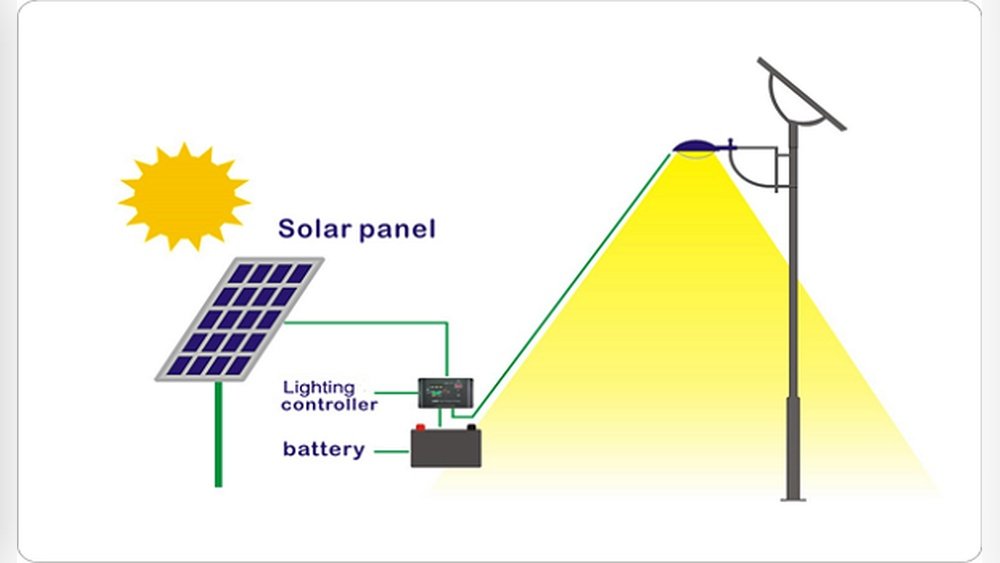
Solar panels make electricity from sunlight. Here’s the simple flow:
- Sun shines on the panels.
- Panels create DC power (direct current).
- An inverter changes DC to AC power (what your home uses).
- Power runs your appliances, lights, and devices.
If your panels make more power than you need, the extra goes somewhere:
- Back to the electricity grid (if connected)
- Or into batteries (if you have them)
 "Do Solar Panels Require Batteries? Essential Facts Explained 1")
Credit: www.energysage.com
Grid-tied Solar Systems (no Batteries Needed)
Most homes with solar panels have a grid-tied system. This means your home is still connected to the main electricity grid. Here’s how it works:
- During the day, your panels power your home.
- If you make extra power, it goes back to the grid.
- At night or when it’s cloudy, you use power from the grid.
You don’t need batteries for this setup. The grid acts as your backup.
Example:
Imagine you use 10 kWh of power daily. On a sunny day, your panels make 12 kWh. The extra 2 kWh goes back to the grid. At night, you use grid power. Simple—and no batteries needed.
Off-grid Solar Systems (batteries Required)
If you want to live off-grid—not connected to any utility lines—you must have batteries. Without them, you’d have no power at night or on cloudy days.
- Solar panels charge the batteries during the day.
- At night, your home runs on stored power from the batteries.
- If the batteries run out, you’re out of power until the sun returns.
Example:
A cabin in the woods with no utility lines uses solar panels and batteries. The panels charge the batteries while the sun shines. After sunset, lights, fridge, and other items run from the battery.
Hybrid Solar Systems (best Of Both Worlds)
Some homes use a hybrid solar system. This means:
- Your panels are connected to both the grid and batteries.
- During the day, panels power your home and charge your batteries.
- At night, you can use battery power—or the grid if needed.
- If there’s a blackout, your batteries keep working.
This setup costs more but gives you backup power and flexibility.
Comparing Solar Setups: Grid-tied Vs Off-grid Vs Hybrid
Here’s a quick look at the main differences:
| System Type | Batteries Needed? | Power During Outages? | Best For |
|---|---|---|---|
| Grid-Tied | No | No | Most homes, saving money |
| Off-Grid | Yes | Yes | Remote areas, cabins |
| Hybrid | Optional | Yes | Backup needs, peace of mind |
Why Do Some People Add Batteries To Their Solar Panels?
Batteries are not required for every solar setup. But some people choose them for good reasons:
- Backup power during blackouts or storms
- More energy independence (less reliance on the grid)
- Storing extra solar power for use at night
- Avoiding high electricity rates (using stored power in the evening)
When Are Batteries A Bad Idea?
Batteries cost a lot and don’t last forever. For most city homes, batteries may not be worth the price unless:
- You live where blackouts are common.
- Your utility charges high rates at night.
- You want to go fully off-grid.
Otherwise, a standard grid-tied system is simpler and cheaper.
Solar Panel + Battery Costs
Adding batteries can double or triple your solar project’s cost.
- A basic solar panel system (no battery): $10,000–$20,000 (after incentives)
- Battery storage: $8,000–$15,000 extra
Example:
A 6 kW solar system might cost $15,000. Adding a 10 kWh battery (like Tesla Powerwall) could add $10,000 more.
Remember, batteries also have a lifespan—usually 8–15 years. You may need to replace them before your panels wear out.
Types Of Solar Batteries
Not all batteries are the same. Here are the most common types:
- Lead-acid batteries: Oldest type, cheap but heavy and less efficient. Often used in off-grid cabins.
- Lithium-ion batteries: Lighter, last longer, more efficient. Used in home storage (Tesla Powerwall, LG Chem).
- Saltwater batteries: Newer, non-toxic, but less common and more expensive.
A simple comparison:
| Battery Type | Lifespan (years) | Efficiency | Typical Cost |
|---|---|---|---|
| Lead-acid | 5–10 | Low | Low |
| Lithium-ion | 10–15 | High | High |
| Saltwater | 10+ | Medium | High |
Credit: www.solar.com
What Happens At Night Or On Cloudy Days Without Batteries?
If you don’t have batteries and your system is grid-tied, you just use grid power when the sun isn’t shining. There’s no interruption. You won’t notice a change.
However, if you have an off-grid system and your batteries run out, you’ll lose power until your panels recharge them.
What Is Net Metering?
Net metering is a program in many places that lets you send extra solar power back to the grid. You get credits for the electricity you supply. At night, you use grid power, but your credits cover the cost.
This makes solar power work well even without batteries. You “store” your extra energy on the grid instead of in a battery.
Common Beginner Mistakes
Many people think all solar systems need batteries. That’s not true. Here are other mistakes to avoid:
- Buying batteries when you don’t need them. Extra cost, more maintenance.
- Not checking local net metering rules. Some areas don’t allow it, which changes your setup.
- Not planning for future needs. If you might go off-grid later, choose a system that can add batteries easily.
- Ignoring battery lifespan and replacement costs. Batteries wear out faster than solar panels.
Real-world Examples
- Urban home in California: Grid-tied solar with no batteries. Uses net metering to cut bills by 90%. No blackout backup.
- Rural home in Texas: Hybrid system with lithium batteries. Has backup power during storms. Higher upfront cost but peace of mind.
- Cabin in Alaska: Off-grid with lead-acid batteries. Must manage power use carefully in winter.
Solar Panels With And Without Batteries: Pros And Cons
Here’s a simple side-by-side look:
| With Batteries | Without Batteries | |
|---|---|---|
| Cost | Much higher upfront | Lower |
| Blackout Protection | Yes | No |
| Complexity | More maintenance | Simpler system |
| Energy Independence | Higher | Lower |
| Environmental Impact | Batteries need recycling | Lower overall impact |
Is A Battery Right For You? Key Questions To Ask
- Do you have frequent power outages?
- Is your area’s electricity price high at night?
- Do you want to live off-grid, now or in the future?
- Do you want to cut your carbon footprint as much as possible?
- Do you have the budget for batteries and their replacement?
If you answer “yes” to most, batteries might be worth it. If not, a grid-tied system is usually best.

Credit: www.santansolar.com
2 Non-obvious Insights
- Your utility company’s rules matter. Some utilities don’t allow net metering or make it less valuable. This can make batteries more attractive, even in cities.
- Solar batteries can help with “time-of-use” rates. In some places, electricity is more expensive at night. Batteries let you store cheap daytime power and use it later, saving money.
Where To Learn More
If you want deeper technical details, check out the U.S. Department of Energy’s guide on solar energy systems.
Final Thoughts
You don’t need batteries for solar panels unless you want true backup or off-grid power. For most people, grid-tied solar is simpler, cheaper, and just as effective at saving money. Batteries make sense if you need backup or live far from power lines.
Think about your real needs, your budget, and your location before deciding.
Solar energy is flexible—there’s a setup for every home. With the right information, you can choose what works best for you and never worry about power bills or blackouts again.
Frequently Asked Questions
Can I Add Batteries To My Solar System Later?
Yes, most modern systems can add batteries in the future. It’s smart to tell your installer you might want batteries later, so they set up your system for easy upgrades.
What Happens During A Blackout If I Don’t Have Batteries?
If you have a grid-tied system with no batteries, your solar panels will shut down during a blackout for safety reasons. Only systems with batteries (or special backup inverters) keep working.
How Long Do Solar Batteries Last?
Most lithium-ion solar batteries last 10–15 years. Lead-acid batteries last 5–10 years. Over time, all batteries lose some storage ability and eventually need replacement.
Are Solar Batteries Safe?
Yes, modern solar batteries are safe if installed and used correctly. They have safety systems to prevent overheating or fires. Always use a qualified installer.
Does Adding Batteries Increase My Home’s Value?
Adding batteries can increase your home’s value, especially in areas with frequent blackouts or high energy prices. Buyers like backup power. However, the increase might not always cover the full battery cost.