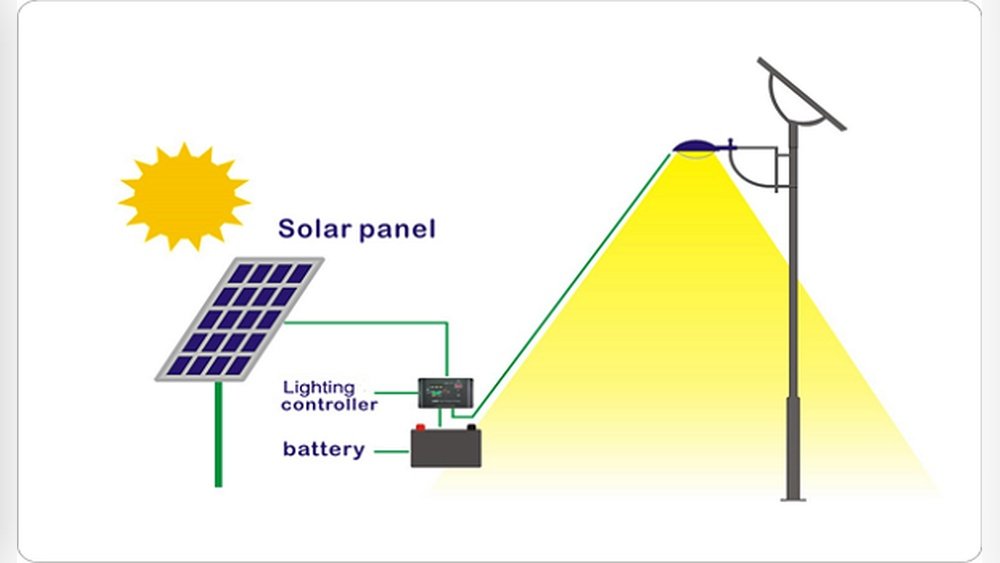

Solar lights are a simple, eco-friendly way to brighten gardens, pathways, and patios. They use the sun’s energy to charge during the day and automatically light up at night. But after a few months or years, many people notice their solar lights getting dim, flickering, or not working at all.
If you’re frustrated by weak or dead solar lights, you’re not alone. Luckily, most issues can be fixed without buying new lights. Reviving solar lights is easier than you think—once you know what causes them to fail and how to restore their performance.
In this guide, you’ll learn how to troubleshoot, clean, repair, and maintain your solar lights. We’ll cover common problems, step-by-step solutions, and practical tips to help your lights shine brightly again. Whether you’re a beginner or have some experience with outdoor lighting, these instructions are designed for everyone.
Why Solar Lights Stop Working
Solar lights seem simple, but several parts can fail or weaken over time. Understanding these causes helps you fix them faster.
- Dirty solar panels: Dust, pollen, and bird droppings block sunlight from reaching the panel, reducing charging power.
- Old or weak batteries: Rechargeable batteries lose their ability to hold a charge after 1–2 years.
- Water damage: Rain can leak inside, causing corrosion or short circuits.
- Faulty sensors: The light sensor may get blocked or stop working, causing the light to stay off.
- Loose wiring: Internal wires can disconnect, especially after strong winds or rough handling.
Many beginners overlook battery problems, assuming the solar panel is the issue. But in most cases, replacing the battery restores the light’s brightness.
Step-by-step Guide To Reviving Solar Lights
Let’s walk through the process of bringing your solar lights back to life. Each step is important, so don’t skip any unless you’re sure.
1. Inspect And Clean The Solar Panel
Solar panels need direct sunlight to charge. Even thin layers of dirt can block energy.
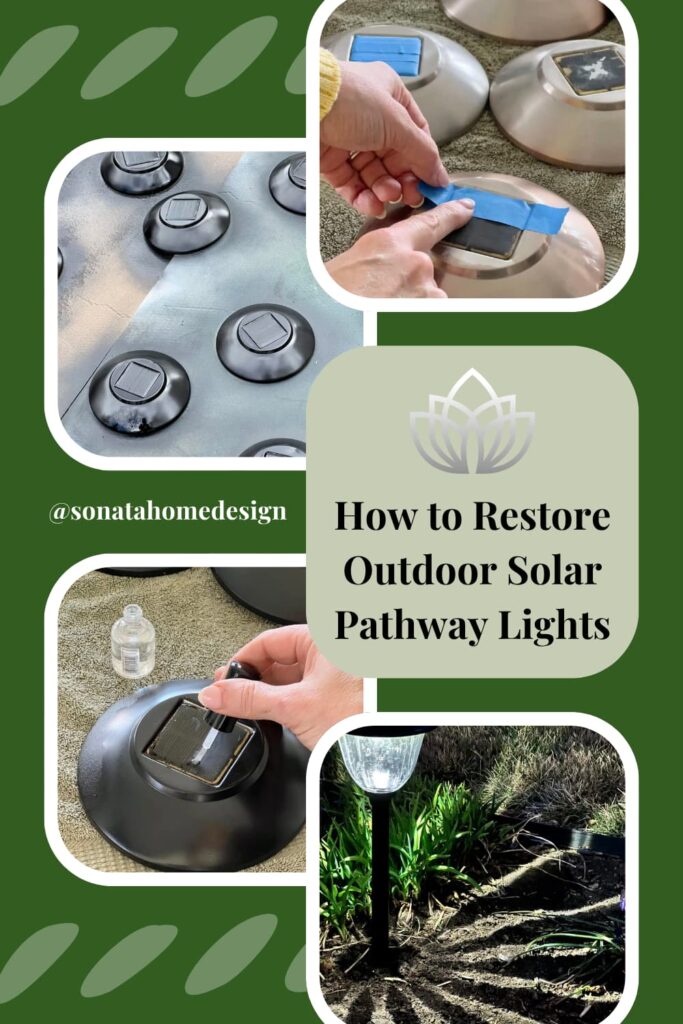
- Use a soft, damp cloth to wipe off the panel.
- For stubborn stains, mix water with a little dish soap and gently scrub.
- Avoid harsh chemicals or rough pads, which can scratch the panel.
Tip: Clean your solar panels at least once a month, especially during pollen season.
2. Check And Replace The Batteries
Most garden solar lights use NiMH or NiCd rechargeable batteries. These usually last 12–24 months.
- Open the battery compartment (often under the top or bottom of the light).
- Remove the old batteries and check for corrosion.
- Replace with the same type and voltage (usually AA or AAA, 1.2V).
- Make sure the contacts are clean and dry.
Data: A study found that 78% of solar lights failing after two years were due to battery aging.
3. Dry Out And Seal Water Damage
If you see moisture inside the light, water may have leaked in.
- Open the casing and remove batteries.
- Dry all parts thoroughly—use silica gel packs or leave them in sunlight for a few hours.
- Check for rust or corrosion. Clean contacts with a cotton swab dipped in vinegar.
- Seal gaps with waterproof silicone before reassembling.
Non-obvious insight: Even small cracks can let in enough water to cause problems over time.
4. Fix Or Replace Faulty Sensors
Solar lights use a photocell sensor to detect darkness. If blocked or broken, the light won’t turn on.
- Wipe the sensor gently with a clean cloth.
- Make sure nothing covers it during the day.
- If the sensor still doesn’t work, you may need to replace it or buy a new light.
5. Test And Repair Internal Wiring
Sometimes, wires inside the light can get loose.
- Open the light and inspect for disconnected wires.
- Reconnect any loose wires. Use electrical tape if needed.
- Avoid touching the circuit board with wet hands.
Example: After a storm, check all your solar lights for wiring issues.
Comparing Solar Light Batteries
Choosing the right battery is essential for performance. Here’s a quick comparison of common types:
| Battery Type | Lifespan | Memory Effect | Cost |
|---|---|---|---|
| NiMH | 18–24 months | Low | Medium |
| NiCd | 12–18 months | High | Low |
| Li-ion | 24–36 months | None | High |
Li-ion batteries last longer and don’t have memory effect, but not all solar lights support them.
Cleaning Solar Panels Vs. Replacing Batteries
Sometimes, it’s hard to know whether cleaning or replacing batteries will help more. Here’s a practical comparison:
| Action | Difficulty | Improvement | Cost |
|---|---|---|---|
| Cleaning Panel | Easy | Moderate | None |
| Replacing Battery | Medium | High | $2–$5 |
Advice: Try cleaning first. If the light is still dim after a sunny day, replace the battery.

Credit: www.youtube.com
Preventing Future Problems
Reviving solar lights is useful, but preventing issues saves time and money. Here are proven tips:
- Place lights in full sun. Shady spots slow charging and make lights dim.
- Clean panels monthly. Dust and pollen build up faster than you think.
- Replace batteries every 1–2 years. Mark your calendar so you don’t forget.
- Check for water leaks after storms. Quick repairs prevent corrosion.
- Avoid covering sensors. Plants, decorations, or snow can block them.
Non-obvious insight: Some solar lights have a small switch inside for testing. Flip it to check if the light works before reassembling.
Real-life Example: Backyard Revival
Let’s look at a real situation. Maria had five solar lights along her garden path. After a rainy week, three stopped working. She cleaned the panels, but they stayed off. When she opened the lights, she found moisture inside and rusty battery contacts.
After drying everything and replacing batteries, all three lights worked again.
Lesson: Don’t assume a dead light is broken forever. Small fixes make a big difference.
Credit: www.sonatahomedesign.com
When To Replace Your Solar Lights
Sometimes, reviving isn’t possible. If your light has a cracked panel, damaged circuit board, or melted parts, replacement is the best option.
- If you’ve tried all steps and the light is still dead, compare the cost of repair to buying a new light.
- Modern solar lights are more efficient and often have better water resistance.
Data: Upgrading to newer models can reduce energy use by up to 25% compared to older designs.
Common Mistakes When Reviving Solar Lights
Many beginners make these errors:
- Using the wrong battery type. Always match the original battery’s type and voltage.
- Forgetting to clean panels regularly. Even clear panels need cleaning.
- Ignoring water damage. Even small leaks cause big problems.
- Placing lights in shade. Solar lights need direct sunlight to charge fully.
- Skipping sensor checks. Dirty or blocked sensors keep lights off.
Avoiding these mistakes will help your solar lights last longer.

Credit: linkind.com
Do Solar Lights Work In Winter?
Solar lights can work year-round, but winter brings challenges:
- Shorter days mean less sunlight, so batteries charge less.
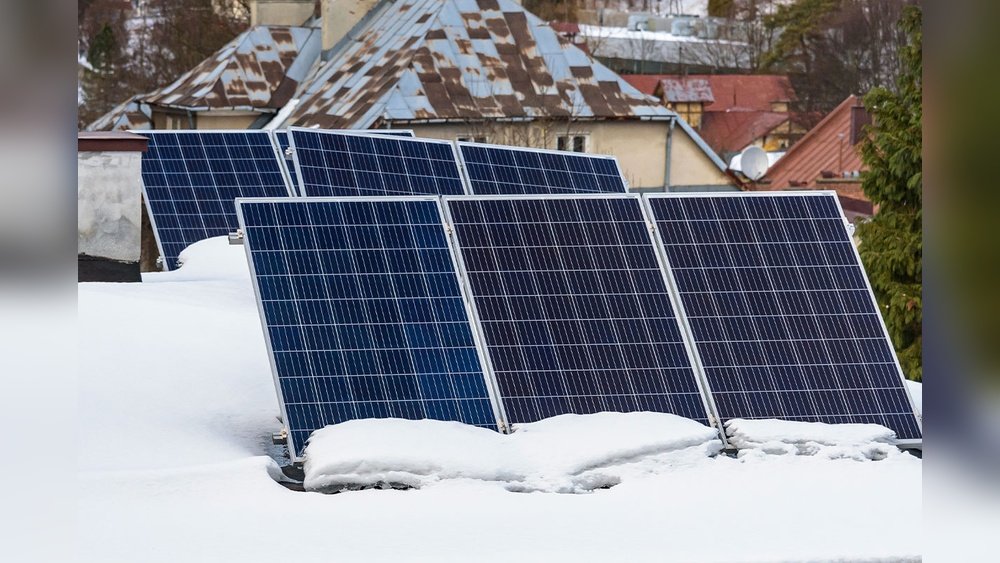
- Snow and ice can cover the panels, blocking sunlight.
- Cold temperatures slow battery performance.
Tip: Clear snow from panels daily and place lights where they get the most winter sun.
Comparing Popular Solar Light Brands
If you need to replace or upgrade, here’s how three brands compare:
| Brand | Average Lifespan | Water Resistance | Warranty |
|---|---|---|---|
| Ring | 3–5 years | IP65 | 1 year |
| Brightech | 2–4 years | IP44 | 2 years |
| Gama Sonic | 4–6 years | IP67 | 2 years |
IP ratings show how well lights resist water and dust. Higher numbers mean better protection.
Frequently Asked Questions
How Often Should I Replace Solar Light Batteries?
Replace rechargeable batteries every 12–24 months. Performance drops after about a year, so changing them keeps your lights bright.
Can I Use Regular Batteries In Solar Lights?
No. Solar lights need rechargeable batteries. Regular batteries won’t recharge and can leak or damage your light.
What’s The Best Way To Clean Solar Panels?
Use a soft, damp cloth and mild soap. Avoid rough pads or chemicals, which can scratch the panel and reduce efficiency.
Why Does My Solar Light Flicker Or Turn Off Quickly?
This usually means the battery is weak or not charging fully. Clean the panel and replace the battery to fix the issue.
Are There Solar Lights That Work Better In Cloudy Weather?
Yes, some brands use high-efficiency panels that charge even in low light. For more info on panel types, visit Wikipedia’s solar cell page.
Reviving solar lights is simple once you know what to check. With regular cleaning, timely battery changes, and quick repairs, you can keep your outdoor spaces bright and welcoming. If your light won’t come back after following these steps, consider upgrading to a newer model for better performance and efficiency.
Solar lighting is a smart, sustainable choice—so keep your lights shining and enjoy the beauty of your garden all year round.