
You’re thinking about solar panels. Maybe you’ve seen them on your neighbor’s roof. Maybe you’re tired of rising electric bills, or you want to do something good for the planet. But you still ask yourself: Is now the right time to install solar panels? Will you save money, or will you regret the investment? You’re not alone—many people feel confused or worried about picking the perfect moment.
Let’s cut through the noise. There are real things to consider, and some surprises you may not expect. In this guide, you’ll find clear advice, practical examples, and honest answers. Whether you’re curious, planning, or almost ready to buy, you’ll know exactly when solar panels make sense for you.
Short Answer: When Should You Install Solar Panels?
Most people should consider installing solar panels when:
- Your roof is in good condition and gets plenty of sunlight.
- Local electric rates are high, or you use a lot of electricity.
- Government incentives or rebates are still available in your area.
- You plan to stay in your home for at least 5–10 years.
But timing also depends on your budget, weather, and local rules. In some cases, waiting may cost you more.
Let’s break down the details so you can make a smart decision.
Key Signs You’re Ready For Solar Panels
You don’t need to be an energy expert to check if you’re ready. Look for these signs:
1. High Electricity Bills
If you pay more than $100–$150 per month for electricity, solar can often save you money.
2. Sun-facing Roof
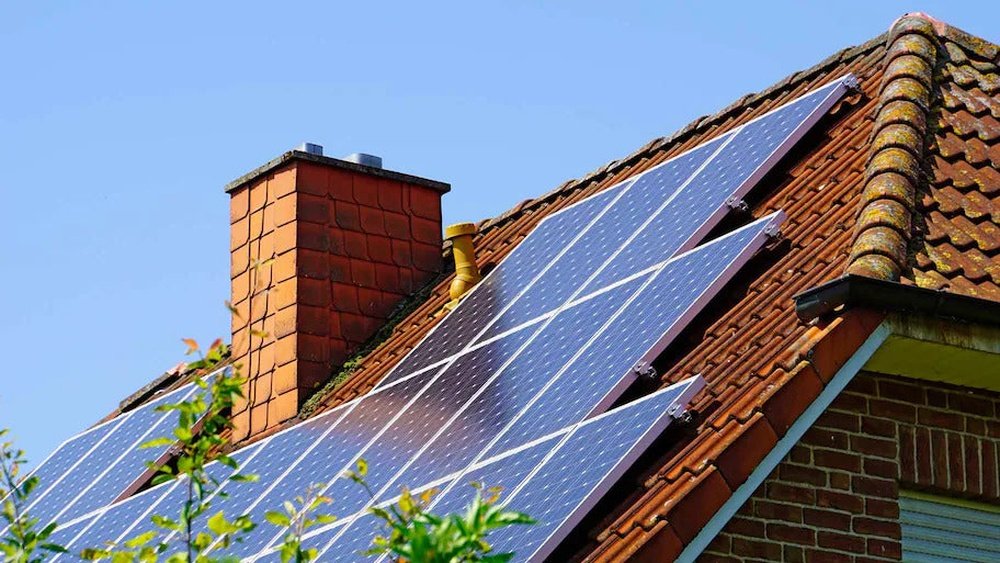
A roof that faces south, southwest, or west and is not shaded by trees or buildings is best.
3. Good Roof Condition
Your roof should have at least 10–15 years of life left. If your roof is old, replace it first.
4. Long-term Plans
If you plan to move within a few years, solar may not pay off. Staying longer means more savings.
5. Local Incentives
Check for state, local, or utility company incentives. These can lower your cost by thousands of dollars.
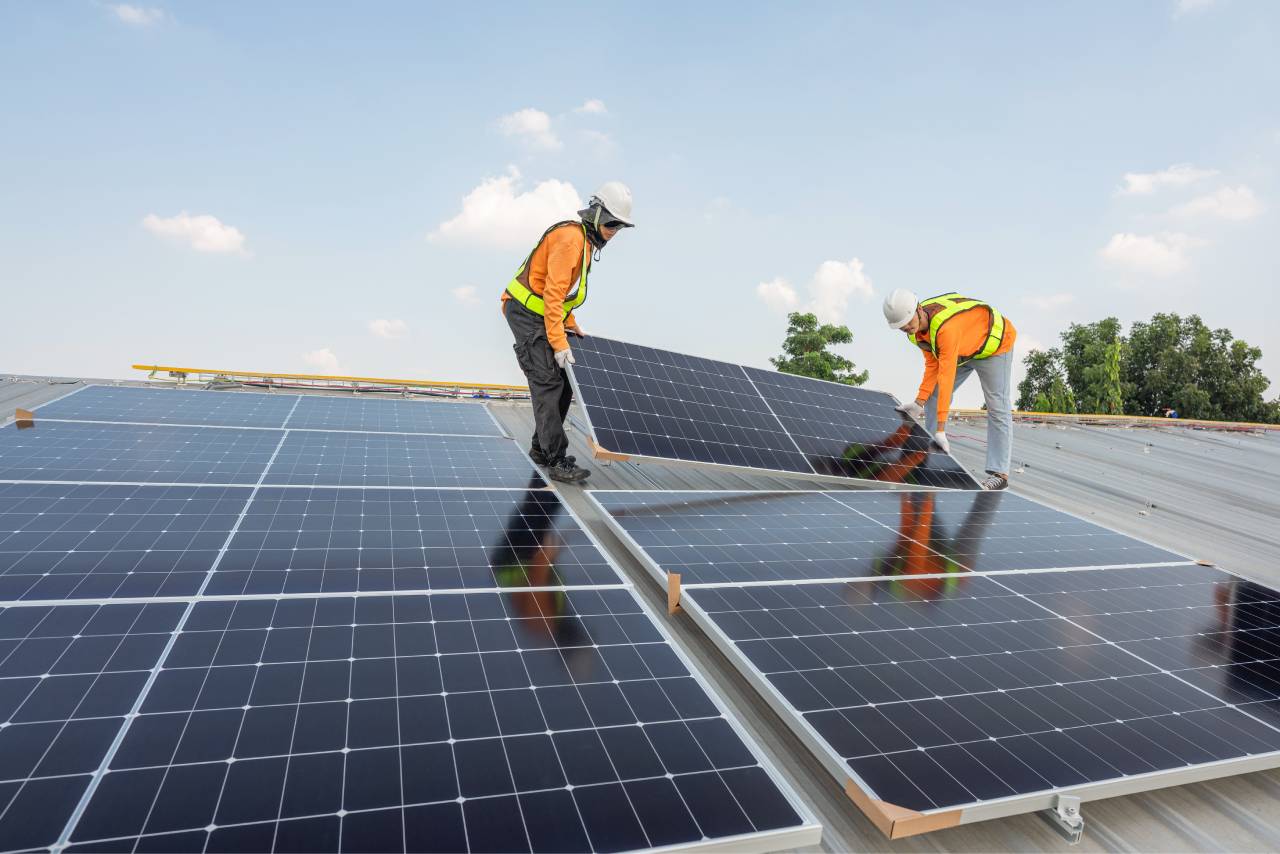
Credit: www.goconstruct.org
Is There A “best Season” To Install Solar Panels?
Many people wonder if it’s better to install in summer, spring, or fall. Here’s the reality:
- Spring and Fall are often the best times. Installers are less busy, and weather is mild.
- Summer is busy, but you get more sunlight right away.
- Winter is usually the slowest season. Some companies offer discounts, but weather delays are possible.
Tip: If you want your system ready for peak sunlight, aim for installation before summer.
How Roof Age And Condition Affect Timing
You might not think about your roof much. But for solar, it’s a big deal. If your roof needs repairs soon, do them before installing solar panels. This saves you from paying to remove and reinstall panels later.
Example
Imagine your roof is 18 years old and lasts 25 years. You plan to install solar now, but need a new roof in 7 years. You’ll pay twice for labor. If you wait and replace the roof first, you avoid extra costs.
Quick Check:
- Roof age under 10 years: Good for solar now.
- Roof age over 15 years: Replace before solar.
Local Incentives And Why Timing Matters
Solar incentives can change fast. Some rebates and tax credits end without warning. The U. S. federal tax credit, for example, is scheduled to reduce in the future.
Acting now might lock in bigger savings. Waiting can mean losing out, especially if rules change or local funding runs out.
Example
- Federal Solar Tax Credit (2024): 30% off your system’s cost.
- Some states offer extra rebates or no sales tax.
- Utility companies may give cash back or pay for solar power you send to the grid.
Check your local programs—sometimes a few weeks can make a big difference.
How Electric Rates Affect Your Decision
Electricity costs keep rising in many areas. Solar panels help you lock in lower rates for 20+ years.
Here’s a simple comparison:
| Electric Rate (per kWh) | Solar Payback Time | Monthly Savings |
|---|---|---|
| $0.10 | 12–15 years | $60–$90 |
| $0.15 | 8–10 years | $110–$150 |
| $0.20 | 5–7 years | $170–$220 |
Insight: If your rate is over $0.15 per kWh, solar pays back much faster.
Weather And Geography: Does It Matter?
Many people think only sunny states are good for solar. That’s not true. Solar panels work in most climates—even in cloudy or cold places.
- Sunny states (California, Arizona, Texas): Faster payback, more savings.
- Cloudy areas (Oregon, New York): Still save money, but return is a bit slower.
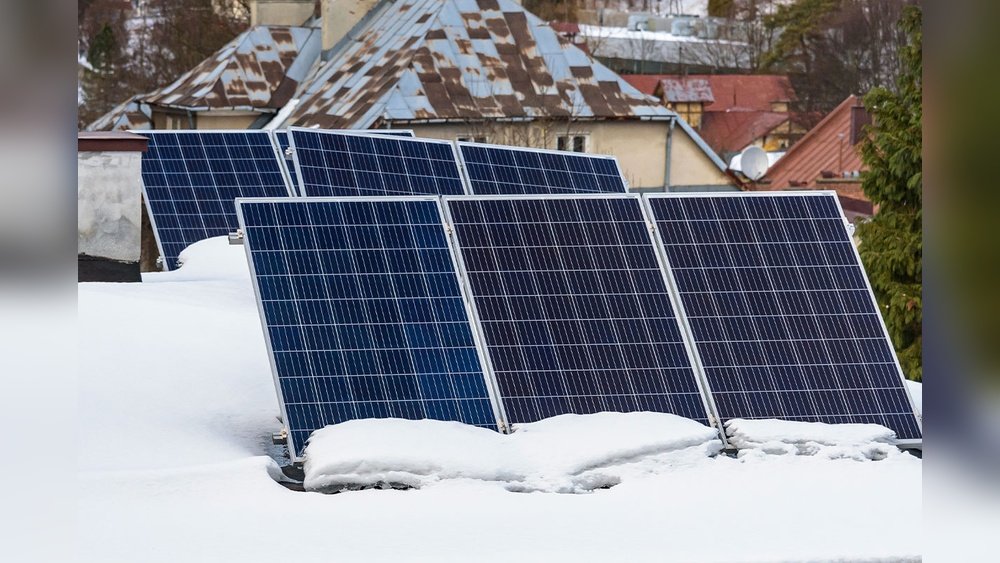
- Snowy regions: Panels still work. Snow slides off easily on angled roofs.
Non-obvious tip: Solar panels are more efficient in cool weather. Heat can actually lower their output.
Cost Trends: Should You Wait For Cheaper Panels?
Solar panel prices have dropped by over 80% since 2010. But in the last few years, prices are more stable.
Waiting for much cheaper panels usually doesn’t make sense now. You’ll miss out on years of savings and risk losing incentives.
Example
If you wait two years hoping for a 5% price drop, you might lose $2,000–$4,000 in energy savings during that time.
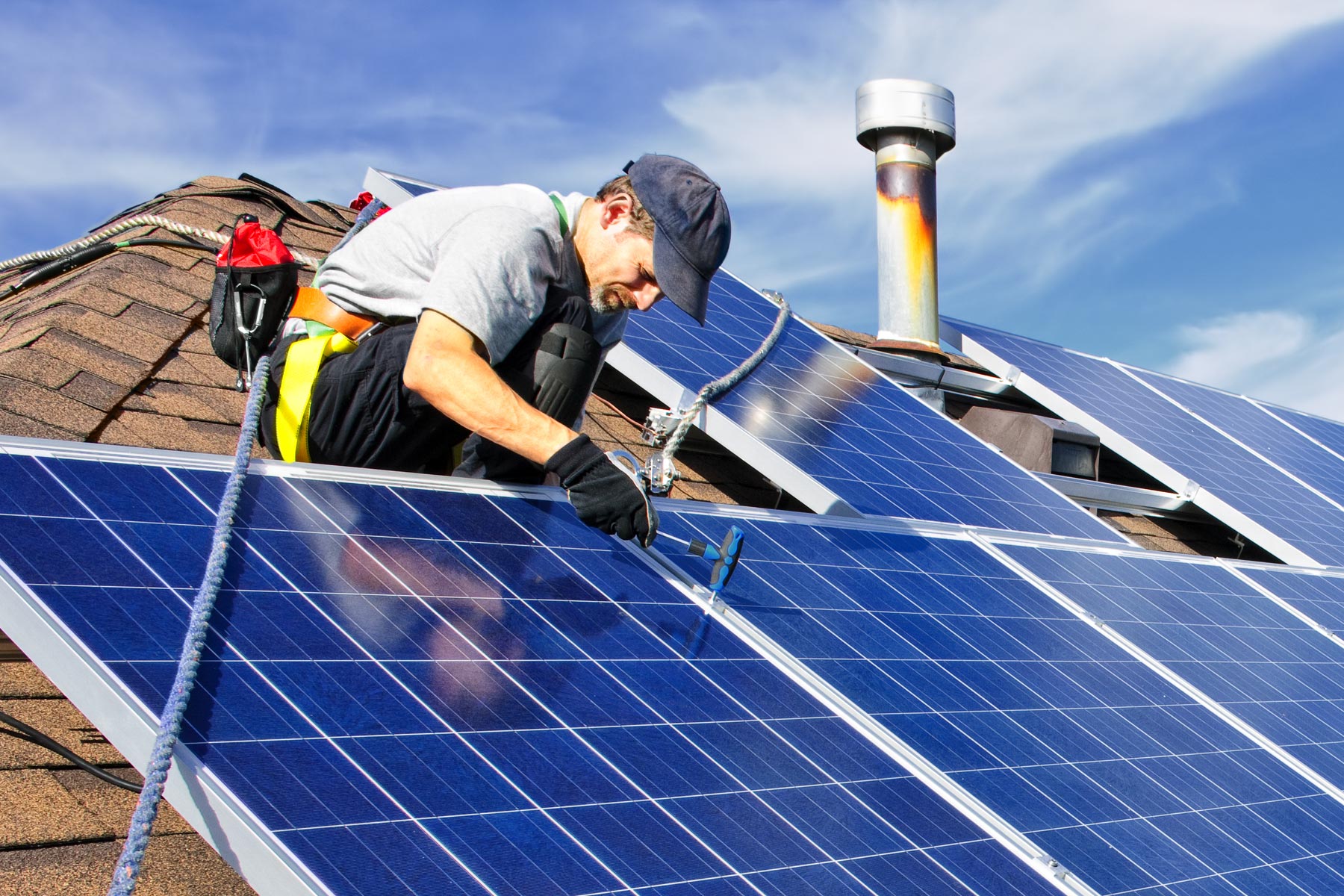
Credit: www.solartap.com
How Long Until Solar Panels Pay For Themselves?
This is called the solar payback period. It means the time your energy savings cover your total system cost.
Average payback times:
| State | Average Payback Period | Total System Cost (after incentives) |
|---|---|---|
| California | 5–7 years | $12,000–$16,000 |
| Florida | 7–9 years | $10,000–$14,000 |
| New York | 8–11 years | $12,000–$17,000 |
Note: Solar panels last 25–30 years. After payback, you get “free” power for many years.
When Waiting Makes Sense
While most homeowners benefit from installing solar soon, there are times when waiting is smarter:
- Old roof: Need a new roof soon? Wait until after replacement.
- Moving soon: If you plan to sell your home in 1–2 years, you may not see full savings.
- No incentives: If your state is about to launch a new rebate, waiting a few months could help.
- Unstable finances: If you can’t afford the upfront cost or monthly loan, wait until you’re ready.
Credit: www.sepco-solarlighting.com
Common Mistakes When Deciding On Solar Timing
People often make these mistakes:
1. Not Checking Roof Condition
They install panels, then need a roof replacement soon after.
2. Ignoring Local Incentives
They miss deadlines for rebates or credits.
3. Chasing The Lowest Price
They wait years for prices to drop, losing savings now.
4. Underestimating Paperwork Time
Permits and approvals can take weeks. Start early to avoid delays.
Should You Buy Or Lease Solar Panels?
You have two main options: buy or lease.
- Buying: Higher upfront cost, but you get all the savings and incentives.
- Leasing: Lower or no upfront cost, but smaller long-term savings.
Here’s a quick comparison:
| Buy | Lease |
|---|---|
| Own the system | Company owns the system |
| Get all tax credits/incentives | No tax credits for you |
| Higher home value | May be harder to sell home |
| Payback in 5–10 years | Monthly payments, less savings |
Insight: If you can afford it, buying gives more value over time.
Financing Options And How They Affect Timing
You don’t need to pay cash. Solar loans, home equity loans, and even $0 down options are common. But always check the interest rate and total cost over time.
- Low-interest loan: Great if rates are under 5–6%.
- Leasing: Good if you can’t get a loan, but want lower bills.
Apply for financing early—sometimes approval takes longer than expected.
Solar Panel Maintenance And Longevity
Solar panels are low-maintenance, but not zero-maintenance. Clean them once or twice a year if you see dust or leaves. Most have warranties of 20–25 years. Inverters may need replacement after 10–15 years.
Non-obvious insight: Monitoring systems let you track power output. If you see a sudden drop, it’s time to check for problems.
Step-by-step: How To Decide Your Timing
- Check your roof’s age and sunlight exposure.
- Review your electricity bills.
- Research local incentives and deadlines.
- Get 2–3 quotes from solar companies.
- Ask about financing options.
- Plan your installation for mild weather, if possible.
- Factor in any upcoming home projects (like roof replacement).
If you can check most boxes, now is probably the best time.
Extra Tips Most People Miss
- Ask your installer if they’ll handle permits and paperwork.
- Look for warranties on both panels and installation work.
- Check if your utility allows net metering (selling extra power back to the grid).
- Talk to neighbors who have installed solar—get real feedback.
- Don’t wait for “perfect” conditions. Small delays can cost more than you think.
Final Thoughts
There’s no single “perfect” time for everyone to install solar panels. But for most people, the best time is as soon as your roof is ready, incentives are strong, and you plan to stay in your home. Don’t get stuck waiting for a magic moment—take action when the basics line up.
Solar panels are a proven way to lower your bills and reduce your carbon footprint. Every month you wait is a month you could be saving. If you’re ready, get quotes and check incentives now—you might be surprised how much you can save.
For more detailed information, you can visit the U.S. Department of Energy.
Frequently Asked Questions
How Long Does It Take To Install Solar Panels?
Most residential solar panel systems take one to three days to install once permits are ready. The whole process, including paperwork and approvals, can take four to eight weeks.
Will Solar Panels Work During Winter Or On Cloudy Days?
Yes, solar panels generate power even on cloudy or snowy days. They produce less energy than on sunny days, but still work year-round.
What Happens If I Sell My House After Installing Solar Panels?
If you own your solar system, it usually increases your home’s value and makes it more attractive to buyers. If you have a lease, check if you can transfer the contract to the new owner.
Can I Install Solar Panels Myself?
It’s possible, but not recommended for most people. Professional installers handle permits, wiring, and safety. DIY installs can void warranties and may not pass inspections.
Do Solar Panels Need Much Maintenance?
Solar panels need very little maintenance. Just keep them clean and check for debris a couple of times a year. Most issues are rare and covered by warranties.