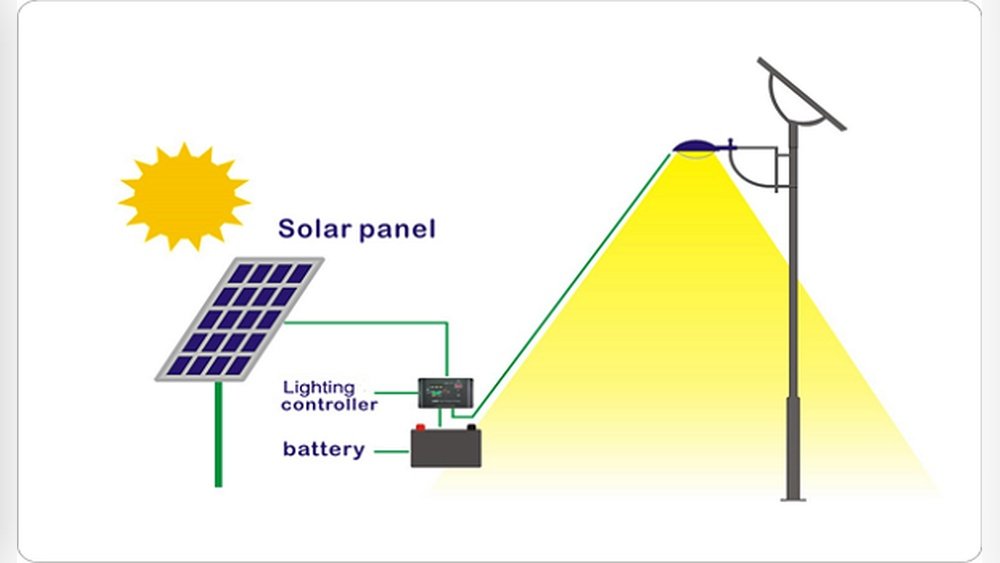

Ever looked at your solar panels and wondered, “Are they working as well as they should? ” Or maybe you’re planning to install them and want to know what kind of power you’ll actually get. You’re not alone. Many people are confused by the numbers—watts, kilowatts, sunlight hours, and efficiency.
Sometimes installers promise more than the panels deliver. Or you find yourself staring at a complicated manual, unsure how to check what’s real. It can feel overwhelming.
Let’s clear up the confusion. We’ll break down how to work out solar panel output in plain language. No jargon, no confusing math. You’ll learn how to check your panels, estimate output, and spot common mistakes. So you can make smart decisions and get the most from your solar setup.
Short Answer: How To Calculate Solar Panel Output
If you need a quick answer, here it is:
- Find the panel’s rated wattage (usually written on the back or in the manual).
- Multiply by the average sunlight hours per day in your location.
- Multiply by the panel’s efficiency (usually between 15% and 22%).
Example:
A 300-watt panel × 5 sunlight hours × 0.18 (18% efficiency) = 270 watt-hours per day.
This gives you a rough daily output for one panel. For a full system, multiply by the number of panels.
Now, let’s look at each step in detail, so you can make reliable calculations for your own situation.
Understanding Solar Panel Basics
Before you dive into calculations, it helps to know some key terms:
- Watt (W): The basic unit of power.
- Kilowatt (kW): 1,000 watts.
- Watt-hour (Wh): The amount of energy produced over time (1 watt for 1 hour).
- Kilowatt-hour (kWh): 1,000 watt-hours. Commonly used by electric companies.
- Efficiency: The percentage of sunlight the panel turns into electricity.
Most panels are rated by their peak output in watts (for example, 320W). But this is under perfect lab conditions—real life is less perfect.
Real-life Example
Suppose you have a 320W panel. If your area gets 5 hours of strong sunlight each day, and the panel is 18% efficient, your daily output is:
320 × 5 × 0.18 = 288 Watt-hours
That’s about 0. 288 kWh per day from one panel.
But there’s more to the story. Let’s see what affects these numbers.
Factors That Affect Solar Panel Output
Solar panels don’t always produce their rated power. Here are the main things that change the output:
- Sunlight hours: Not all locations get the same amount of sun. Cloudy days and winter cut output.
- Panel orientation: Panels facing south (in the US) get more sun. Tilt matters too.
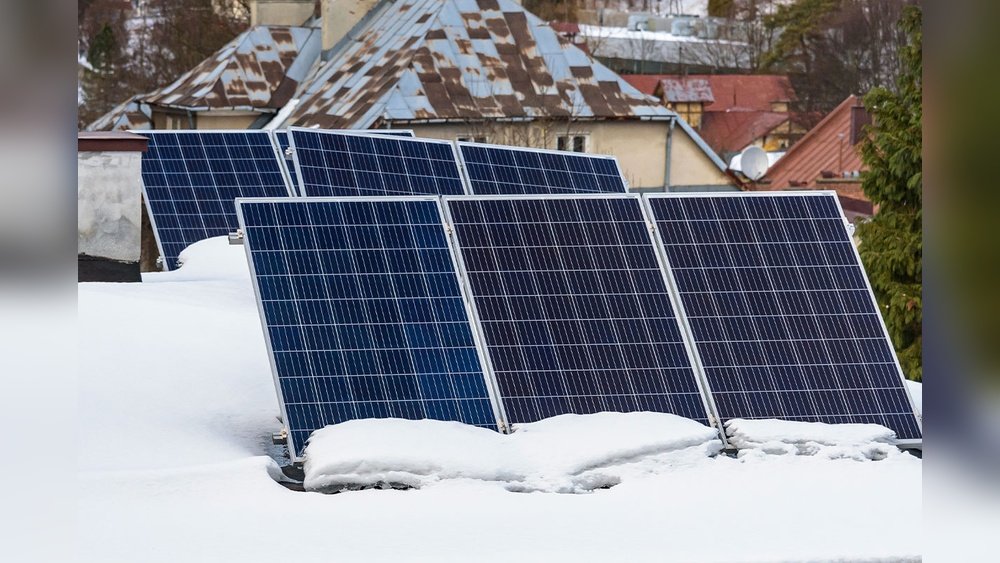
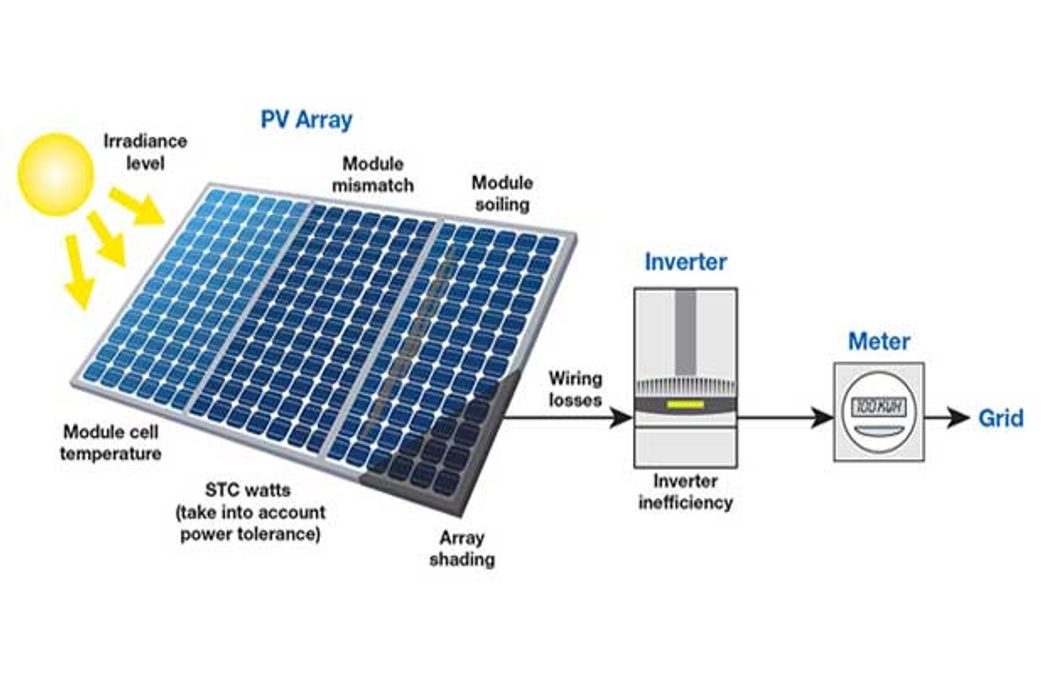
- Shading: Trees, chimneys, or dirt can block sunlight and drop output fast.
- Temperature: Panels work best in cool conditions. Hot weather lowers efficiency.
- Panel age: Older panels lose efficiency—usually about 0.5% per year.
- Wiring and inverter losses: Electricity travels from the panel to your home. Some is lost along the way.
Common Mistake
Many people think their panels will always produce the rated power. But unless you live somewhere sunny year-round, actual output is usually less. Always consider local weather and installation details.
Step-by-step Guide: Calculating Your Solar Panel Output
Let’s break down the process into simple steps you can follow.
Step 1: Find Your Panel’s Rated Power
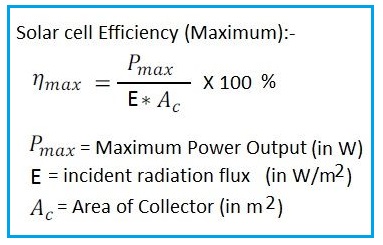
Look for the maximum power (Pmax) number. It’s usually printed on the panel or in the manual. For example:
Pmax: 320W
If you have more than one panel, add up the rated power for all panels.
Step 2: Estimate Average Sunlight Hours
This is often called Peak Sun Hours—the hours each day where sunlight is strong enough for panels to work at full power. You can find local sunlight data online or ask your installer. In the US:
- Seattle: 3–4 hours
- Los Angeles: 5–6 hours
- Phoenix: 6–7 hours
If you want to see how sunlight varies by city, check the table below:
| City | Average Peak Sun Hours |
|---|---|
| New York | 4.0 |
| Miami | 5.5 |
| Denver | 5.2 |
| San Francisco | 4.6 |
Step 3: Adjust For Panel Efficiency
Efficiency isn’t always listed on the panel, but you can find it in the specs. Typical values:
- Standard panels: 15–18%
- Premium panels: 19–22%
If you don’t know your panel’s efficiency, use 0. 18 (18%) as a safe estimate.
Step 4: Apply The Formula
Here’s the simple formula:
Panel Output (Wh) = Rated Power (W) × Sunlight Hours × Efficiency
Example:
If you have 4 panels, each 320W, in Miami (5.5 sun hours), with 18% efficiency:
- Total rated power: 4 × 320 = 1280W
- Daily output: 1280 × 5.5 × 0.18 = 1267.2 watt-hours (about 1.27 kWh)
Step 5: Adjust For Real-world Losses
Panels lose some power to wiring, inverter, dirt, and age. Most installers use a derate factor (usually 0.8 to 0.9) to account for these losses.
- Multiply your calculated output by 0.85 (for 15% losses).
Example:
1.27 Kwh × 0.85 = 1.08 Kwh/day
This is a more realistic number for your daily production.
/saur-energy/media/post_attachments/2016/03/how-you-can-calculate-the-annual-solar-energy.jpg "How to Work Out Solar Panel Output: A Simple Guide for Beginners 1")
Credit: www.saurenergy.com
Solar Panel Output: Quick Comparison Table
To help you see how different panels perform, here’s a table comparing three popular panel sizes:
| Panel Size | Rated Power (W) | Efficiency (%) | Output/day (kWh)* |
|---|---|---|---|
| Standard | 250 | 16 | 0.68 |
| Mid-range | 320 | 18 | 0.95 |
| Premium | 400 | 21 | 1.24 |
*Assumes 5 sunlight hours and 15% system losses.
Estimating Monthly And Yearly Output
Once you know your daily output, you can estimate monthly and yearly production:
- Monthly output: Daily output × 30
- Yearly output: Daily output × 365
Example:
If your system produces 1.1 kWh/day:
- Monthly: 1.1 × 30 = 33 kWh
- Yearly: 1.1 × 365 = 401.5 kWh
This helps you plan your energy use, compare bills, or decide if you need more panels.
Checking Actual Output With A Solar Meter
Numbers are nice, but real-world data is better. You can check your panel’s output using a solar meter or the inverter’s display. Most modern systems have a screen showing daily, monthly, and lifetime production.
Here’s how to check:
- Look for the “Energy Today” or “Production” number on your inverter.
- Compare this to your calculated value. If it’s much lower, check for shade, dirt, or system problems.
Practical Tip
Clean panels every few months. Even a little dirt can drop output by 5–10%. Also, check for shade from new trees or buildings.
What Affects Solar Output Throughout The Year?
Output changes with the seasons. In summer, days are longer and the sun is higher. In winter, days are shorter and the sun is lower. Snow, rain, and clouds also cut production.
Us Example
- Summer: Panels can produce 20–30% more power.
- Winter: Output may drop by 40–50%.
If you want a year-round estimate, use the average sunlight hours for your area. Or look at your inverter’s monthly data.
Credit: www.saurenergy.com
How Many Panels Do You Need?
If you want to power your whole house, you need to know your energy use. Check your electric bill for monthly kWh.
Let’s say your home uses 900 kWh/month.
If your panel produces 33 kWh/month, you need:
900 ÷ 33 = 27 Panels
This is a rough estimate. If you use high-efficiency panels or live somewhere sunny, you’ll need fewer panels.
Table: Panel Number Needed For Different Homes
| Monthly Use (kWh) | Panel Output/month (kWh) | Panels Needed |
|---|---|---|
| 600 | 33 | 18 |
| 900 | 33 | 27 |
| 1200 | 33 | 36 |
Remember, this is only an estimate. Always check your site conditions and use real production data where possible.
Non-obvious Insights Most People Miss
- Panel placement is as important as panel quality. Even the best panels can underperform if they’re not facing the right direction or are shaded.
- Local weather matters more than most think. Two homes with identical panels can have very different output if one is in a cloudy city and the other is in a sunny region.
- Inverter efficiency can change daily output. If you buy a cheap inverter, you may lose 5–10% more power than with a high-quality one.
- Panel cleaning schedule should match your climate. In dusty or pollen-heavy areas, panels can lose up to 20% output if not cleaned often.
- Older panels still work, but their output slowly drops. A 10-year-old panel might only produce 95% of its original power.
Practical Tips For Accurate Output Calculation
- Use local sunlight data for the most accurate estimates (not national averages).
- Always include system losses—don’t trust “perfect” numbers.
- Check output during different seasons. Adjust your expectations for winter and summer.
- If you install batteries, remember that some power is lost storing and retrieving energy.
- Don’t forget about future changes (like tree growth or new buildings) that might create shade.
Using Online Tools And Apps
Many websites and apps can help you estimate solar output. Just enter your location, panel details, and roof direction.
One reliable source is the National Renewable Energy Laboratory (NREL) PVWatts Calculator. It uses real weather and solar data for your area.
You can try the calculator here:
nrel Pvwatts Calculator
Example: Working Out Output For A Real Home
Let’s walk through a typical scenario:
- Location: Dallas, Texas
- Panel: 350W, 19% efficiency
- Sunlight hours: 5.5 per day
- Number of panels: 6
Step 1: Total rated power = 6 × 350 = 2100W
Step 2: Daily output = 2100 × 5.5 × 0.19 = 2,194.5 Wh (about 2.19 kWh)
Step 3: Adjust for system losses: 2.19 × 0.85 = 1.86 kWh/day
Monthly: 1.86 × 30 = 55.8 Kwh
Yearly: 1.86 × 365 = 678.9 Kwh
If your home uses 900 kWh/month, this setup covers about 6% of your needs. You’ll need more panels for full coverage.
Comparing Solar Panel Output To Home Appliances
To understand what your panels can power, compare their output to common appliances:
- Fridge: 1–2 kWh/day
- TV: 0.2 kWh/day
- Washing machine: 0.5 kWh/load
- Laptop: 0.05 kWh/day
If your system produces 1. 1 kWh/day, it can run a fridge and a TV for a day.
Common Mistakes To Avoid
- Ignoring shade: Even a small shadow can cut output by 30–50%.
- Using manufacturer ratings blindly: These are lab numbers, not real-world values.
- Forgetting about losses: Always include wiring, inverter, and dirt losses.
- Not checking actual output: Use your inverter or solar meter to see real numbers.
- Expecting year-round consistency: Output changes with the season and weather.
When To Upgrade Or Add More Panels
If your panels aren’t meeting your needs, consider these options:
- Add more panels: If space allows, increase your array.
- Upgrade to high-efficiency panels: Get more power from the same space.
- Change panel angle or direction: Sometimes a small adjustment boosts output.
- Upgrade your inverter: Improve system efficiency.
Solar Panel Output Vs. Electricity Bills
If you want to offset your bill, compare your solar output to your usage. Most bills show monthly kWh used. Match this to your system’s monthly production.
If your panels produce 33 kWh/month, but you use 900 kWh, you’ll cover about 4% of your bill.
Solar Output Monitoring: Best Practices
- Check output at least once a month.
- Clean panels as needed.
- Note any drops in output—this could signal shade, dirt, or equipment issues.
- Record seasonal changes for better estimates.
Credit: www.rfwireless-world.com
Frequently Asked Questions
What Is The “rated Power” Of A Solar Panel?
The rated power is the maximum output under perfect conditions, like full sun and cool temperatures. It’s measured in watts (W) and shown on the panel label.
How Do I Find My Peak Sun Hours?
You can look up peak sun hours for your location online, ask your installer, or use tools like the NREL PVWatts Calculator. It’s the average number of hours per day when sunlight is strong enough for full panel output.
What’s The Difference Between Efficiency And Output?
Efficiency is the percentage of sunlight the panel turns into electricity. Output is the actual energy produced (in kWh or Wh) based on sunlight, efficiency, and other factors.
Why Does My Panel Produce Less Power In Winter?
Panels get less sun in winter because days are shorter and the sun is lower in the sky. Snow, clouds, and rain also reduce output.
Can I Use Solar Panels In Cloudy Areas?
Yes, but output is lower. Panels still work on cloudy days, but they produce less power. High-efficiency panels help make the most of limited sunlight.
—
Understanding solar panel output doesn’t need to be confusing. By using the steps and tips above, you can estimate your system’s power, plan your energy use, and avoid common mistakes. Whether you’re checking your existing panels or planning a new setup, knowing the real numbers gives you control and confidence. With the right information, you’ll make smart choices—so your solar investment pays off for years to come.