
If you’ve ever looked at your high electricity bill and wondered, “Can solar panels really power my house?”, you’re not alone. Many people want to use solar energy but feel lost on where to start. Maybe you worry about wiring mistakes, cost, or even safety. Or you’ve heard stories about people who tried to connect their panels but ended up confused and frustrated. The good news? You don’t need to be an electrician to understand how it works. With the right approach, connecting solar panels to your home is easier than it sounds.
Short Answer
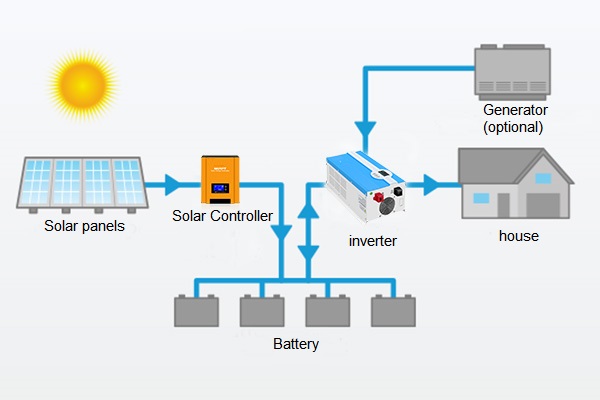
You can connect solar panels to your house by installing panels on your roof, wiring them to an inverter, and then linking the inverter to your home’s electrical system. The inverter changes the solar power (DC) into the kind of electricity your house uses (AC). Most systems also connect to the grid for backup and extra power. This setup lets you use solar energy during the day and switch to grid power at night or when needed.
Now, let’s walk through each step so you can see exactly how it works.
Understanding Your Solar System
Before you start, you need to know what makes up a solar power system. There are three main parts:
- Solar panels: These catch sunlight and turn it into electricity.
- Inverter: This device changes the electricity from DC (direct current) to AC (alternating current). Your home uses AC.
- Mounting and wiring: These connect the panels and inverter to your house.
Some homes also use a battery to store power. This helps during blackouts or at night. Most homes connect their system to the grid (local utility) as backup.
Types Of Solar Panel Systems
You have three main choices:
- Grid-tied: Most common. You use solar power, but switch to the grid if needed.
- Off-grid: You’re fully independent. You need batteries for storage.
- Hybrid: Uses solar, batteries, and the grid.
Here’s a simple comparison:
| System Type | Backup Power | Batteries Needed | Common Use |
|---|---|---|---|
| Grid-tied | Grid | No | City homes |
| Off-grid | None | Yes | Remote cabins |
| Hybrid | Grid & batteries | Yes | Homes with backup needs |
Most people choose grid-tied systems because they’re cheaper and easier to manage.
.jpg "How to Connect Solar Panels to House Electricity: Step-by-Step Guide 1")
Credit: arka360.com
Planning Your Solar Setup
Before you buy anything, answer these questions:
- How much power do you need? Check your electricity bill for average usage (measured in kWh).
- How much roof space do you have? Panels need sunlight and enough space.
- What’s your budget? Costs vary by panel size and quality.
A typical US home uses about 900 kWh per month. If your area gets 5 hours of sunlight daily, you’ll need about 6 kW of panels.
Choosing The Right Equipment
Look for:
- Panel efficiency: Higher efficiency means more power from less space.
- Inverter size: Must match your panels.
- Safety certifications: UL and IEC marks show safe products.
Here’s a sample data table for panel comparison:
| Panel Model | Efficiency (%) | Warranty (years) | Cost per Watt ($) |
|---|---|---|---|
| SunPower X-Series | 22.8 | 25 | 0.50 |
| LG NeON 2 | 21.1 | 25 | 0.48 |
| Canadian Solar HiKu | 19.8 | 12 | 0.37 |
Tip: Don’t pick panels only by price. Better efficiency means fewer panels and lower installation costs.
Step-by-step: Connecting Solar Panels To House Electricity
Let’s break it down into clear steps:
1. Install The Solar Panels
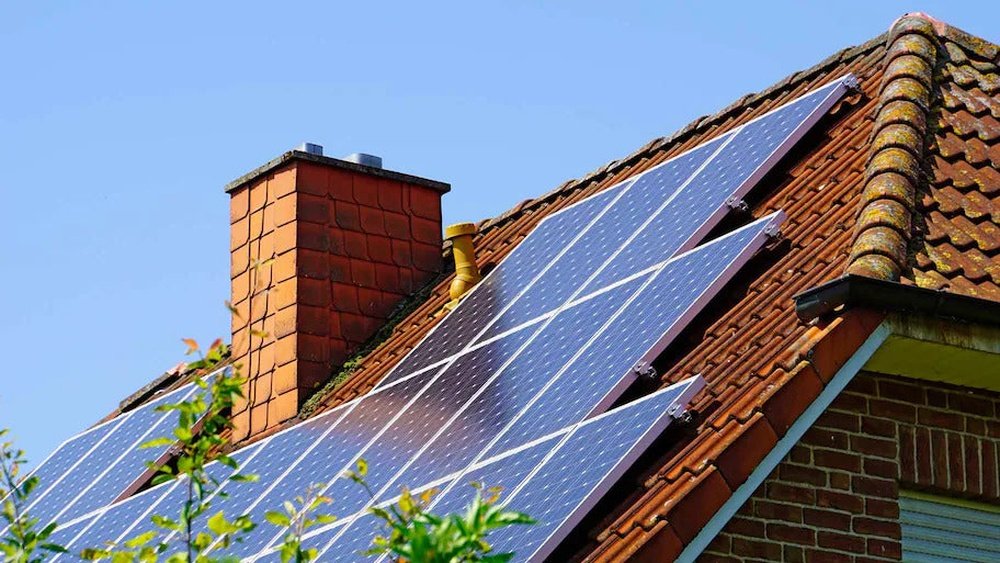
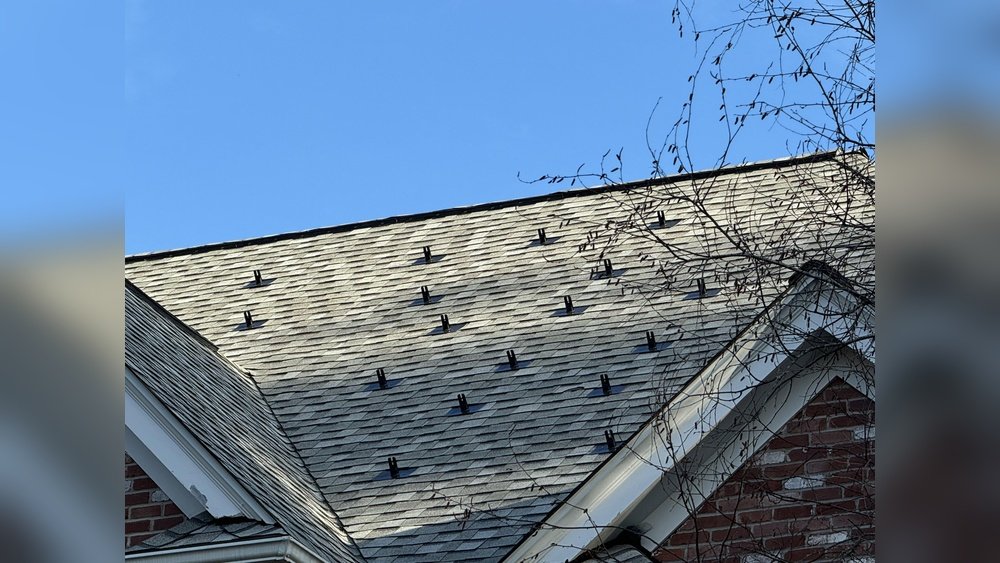
Panels are usually placed on the roof. Make sure the location gets full sun. The panels are mounted using rails or brackets.
- Check roof strength. It must hold the weight.
- Tilt panels for best sunlight (usually south-facing).
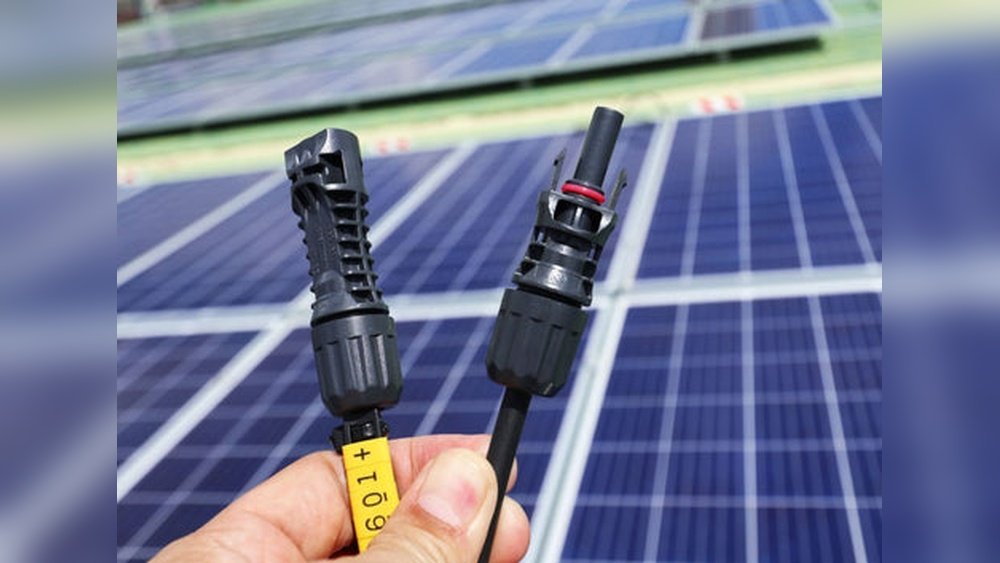
2. Wire The Panels Together
Panels are wired in series or parallel.
- Series: Connects panel to panel. Increases voltage.
- Parallel: Connects each panel’s positive and negative together. Increases current.
Most home systems use a mix for best results.
Common Mistake: Mixing panels with different voltages. Always use panels with matching specs.
3. Connect To The Inverter
The combined wire from the panels runs to the inverter. The inverter is usually mounted near your electrical panel or garage.
- Use proper wire size (usually 10 AWG for most homes).
- Secure wires to avoid damage.
The inverter changes the DC power from panels to AC power for the house.
4. Link The Inverter To Your Home’s Electrical System
This step connects your solar power to your home’s circuits.
- The inverter sends AC power to a breaker box.
- A licensed electrician should make this final connection.
Safety Note: Never connect solar power directly to outlets or appliances. Use the breaker box for safe, whole-house power.
5. Connect To The Grid (optional But Common)
If you want to use the grid for backup, your system needs a net meter. This device tracks how much power you send to the grid and how much you use.
- Call your utility company for approval.
- They may inspect the system before you turn it on.
Here’s a simple wiring flow:
- Panels → Inverter → Breaker Box → House circuits
- Inverter → Net Meter → Grid (if grid-tied)
Safety And Regulations
Local rules matter. You must follow electrical codes and get permits. This keeps your system safe and legal.
Tip: Always hire a licensed electrician for main connections. DIY wiring can be dangerous.
Common Safety Mistakes
- Not grounding the system. This prevents shocks.
- Overloading circuits. Too much power can cause fires.
- Skipping permits. Fines and shutdowns can happen.
Many cities have clear solar guidelines. For example, California requires all home systems to meet National Electrical Code (NEC) standards.
What Happens After Installation?
Once connected, your panels start producing electricity. You’ll see the results on your electricity bill. On sunny days, you may produce more power than you use. At night or on cloudy days, you’ll use grid power.
Net metering lets you earn credits for extra power you send to the grid. These credits lower your bill.
Real Example
A family in Texas installed a 7 kW system. Their monthly bill dropped from $180 to $35. On sunny days, they send power to the grid and get credits. During storms, they use the grid as backup. This mix keeps their lights on and saves money.

Credit: www.youtube.com
Maintenance And Monitoring
Solar systems are easy to care for. Clean panels every few months to remove dirt. Most inverters have apps to track power use.
Tip: Watch your system’s output. If power drops, check for shade or dirt.
Maintenance Costs
Most systems need little care. Inverters last 10–15 years. Panels often last over 25 years.
| Component | Expected Lifespan (years) | Typical Maintenance |
|---|---|---|
| Solar Panel | 25+ | Cleaning |
| Inverter | 10-15 | Replacement |
| Battery | 5-10 | Testing/Replacement |
How Much Does It Cost?
Costs depend on system size and location. The average US home solar setup costs $12,000–$20,000 before tax credits. Federal credits can cut costs by 26% or more.
Tip: Ask your installer about local incentives. Some states give extra rebates.
Hidden Costs To Watch For
- Permit fees
- Extra wiring or roof work
- Upgrading your electrical panel
Non-obvious Insights
- Panel placement matters more than you think. Even small shadows (like a vent or tree) can cut power by 10–30%. Check for shade before you install.
- Right inverter selection is crucial. Microinverters work better for roofs with shade or panels facing different directions. String inverters are cheaper for simple roofs.
Final Thoughts
Connecting solar panels to your home is not just about saving money. It’s about using clean energy and being ready for power outages. The process can seem complex, but with the right steps and help, it’s doable. Most mistakes happen when people skip planning or safety checks. If you use the tips above, you’ll avoid common problems and enjoy reliable solar power. Remember, each home is different. Take your time, ask questions, and get help from pros when needed.
For more in-depth guides and data, you can visit Energy.gov.
Credit: www.anern.com
Frequently Asked Questions
How Long Does It Take To Install Solar Panels?
Most home systems are installed in 1–3 days. The process includes mounting panels, wiring, and connecting to the grid. Permits and inspections can add extra time.
Do Solar Panels Work During Power Outages?
Grid-tied systems shut off during outages for safety. If you want power during outages, add a battery backup or choose a hybrid system.
Can I Install Solar Panels Myself?
Some parts can be DIY, like mounting panels. But main wiring and grid connection need a licensed electrician. This keeps your home safe and follows local codes.
What Happens If My Panels Produce More Power Than I Use?
Extra power goes to the grid. You get credits (net metering) which lower your bill. Not all areas offer net metering, so check with your utility.
How Much Money Can I Really Save With Solar?
Savings depend on your power use, sunlight, and local rates. Most US homeowners save $800–$1,500 per year. Over 25 years, that can be $20,000–$40,000 in savings.