
Can You Take Solar Panels With You When You Move?
Ever wondered what happens to your solar panels if you pack up and move? You’re definitely not alone. Many homeowners are curious about this, especially as solar energy becomes more popular. Let’s dive in, so you can understand your options—and avoid any surprises.
The Short Answer
Yes, you can take solar panels with you when you move, but it’s not always easy or cheap. Removing, transporting, and reinstalling solar panels involves a lot more than unplugging a few wires. You’ll need to consider costs, warranties, local rules, and whether it’s worth the hassle.
Let’s break down the key factors:
- Ownership matters: If you own your panels outright, you have the legal right to move them. If you lease or finance, you’ll need to check your contract.
- Physical removal: Professional removal is needed to avoid damaging panels, roof, or wiring.
- Reinstallation: Your new home must be suitable—roof type, sunlight, and local regulations all play a role.
- Costs: Moving panels can be expensive, sometimes almost as much as buying new ones.
Now, let’s explore these points in detail.
Who Owns Your Solar Panels?
Ownership is the first thing to check. There are three main situations:
- You bought the panels: If you paid in full, they’re yours. You can move them if you want.
- You have a loan: You’re still the owner, but must keep up payments. Moving is allowed, but you might need to notify your lender.
- You lease the panels: The solar company usually owns them. You may not be allowed to move them, or there could be a fee.
Here’s a quick comparison:
| Ownership Type | Can You Move? | Extra Steps |
|---|---|---|
| Outright Purchase | Yes | None |
| Loan | Yes | Notify lender, pay off if selling |
| Lease | Usually No | Check contract, possible fees |
| PPA (Power Purchase Agreement) | Usually No | Transfer agreement or buy out |
Non-obvious insight: Many people forget to check their lease or PPA contract. Some agreements require you to buy out the panels or transfer the contract to the new owner. That can lead to unexpected costs.
Removing Solar Panels: What’s Involved?
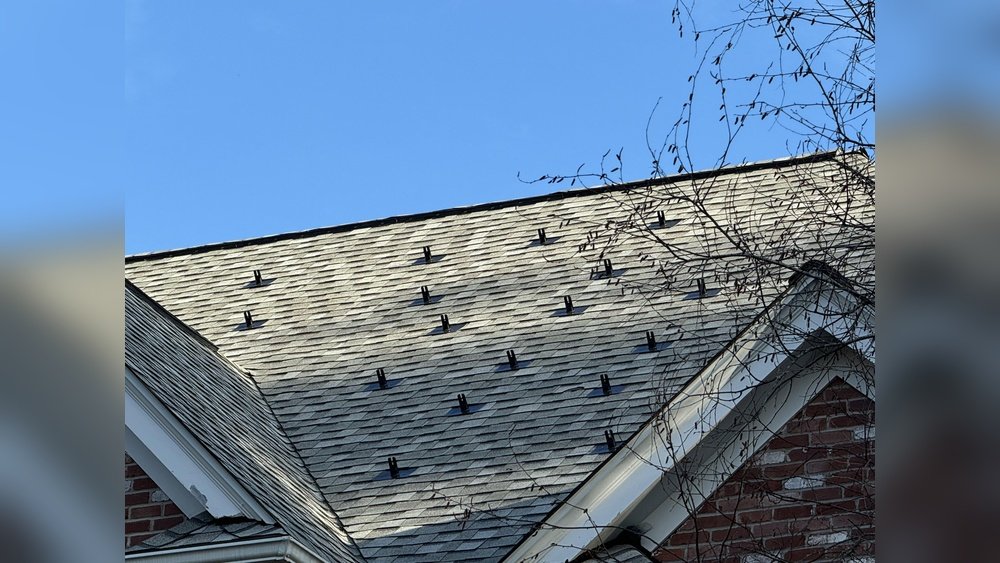
Taking panels off your roof is not a simple task. It’s a job for professionals, not a weekend DIY project. Here’s what happens:
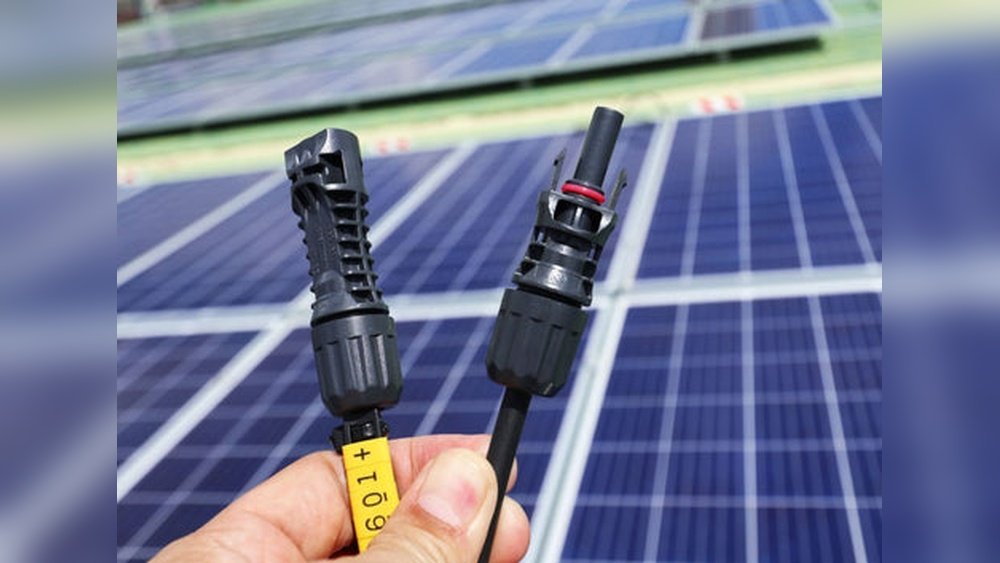
- Disconnection: Panels must be disconnected from your home’s electrical system and the grid.
- Physical removal: The panels, racks, and wiring are carefully removed. If not done right, you risk damaging the panels or your roof.
- Roof repair: Any holes or damage from mounting hardware need patching up.
The average removal costs range from $1,500 to $6,000, depending on system size and complexity. That’s not counting transport and reinstallation.
Pro tip: Some installers charge extra if your roof is steep or the panels are hard to reach.
Transporting Solar Panels Safely
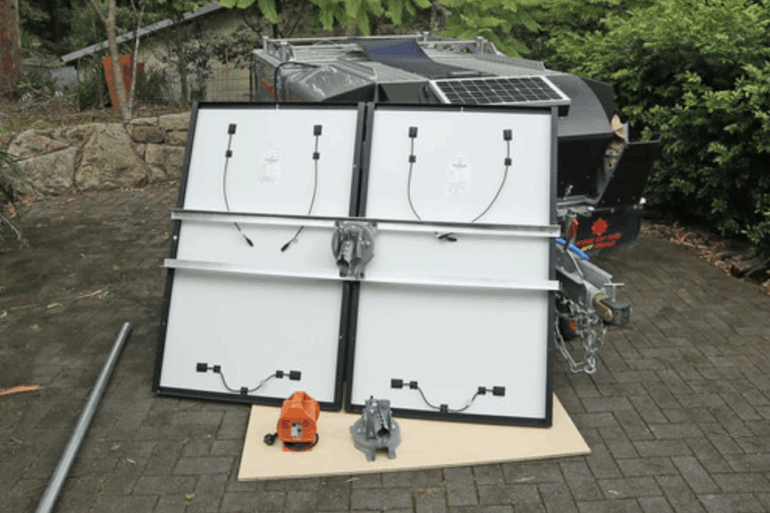
Solar panels are fragile. Moving them requires care. Here’s how to do it right:
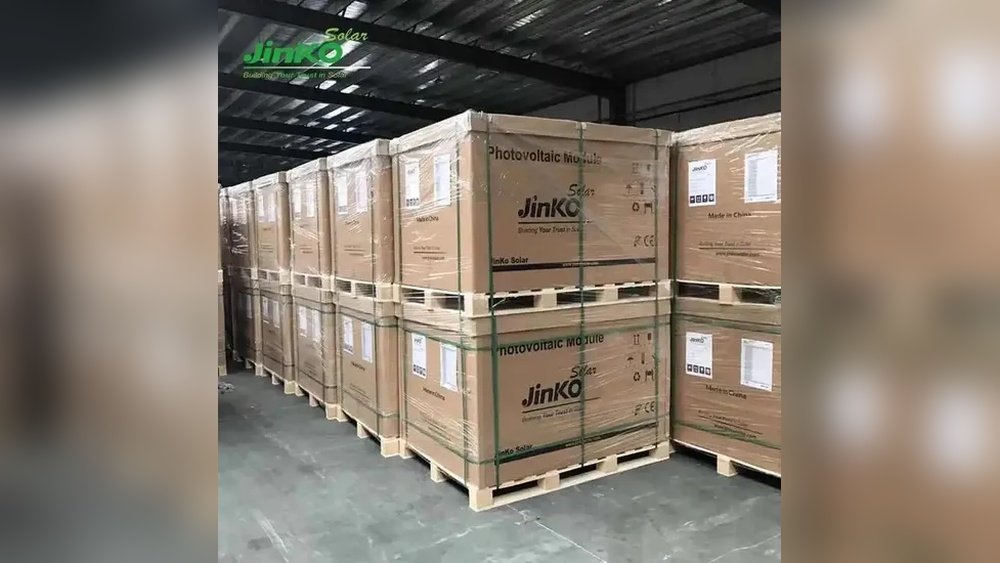
- Pack panels securely: Use padded boxes or crates, and keep panels upright to avoid cracking.
- Avoid stacking: Never stack panels flat; pressure can damage the glass.
- Professional movers: Hire movers with experience handling solar equipment.
Panels usually weigh between 35–45 pounds each. If you have a large system (say, 20 panels), that’s nearly 1,000 pounds to move.
Non-obvious insight: Insurance is important. If a panel breaks during transport, most warranties won’t cover it. Check with your moving company and your homeowner’s policy.
Installing Solar Panels On Your New Home
Not every roof is ready for solar. Before reinstalling, check these factors:
Roof Suitability
- Age and condition: Old roofs may need replacement before installing panels.
- Material: Asphalt shingles are easiest. Tile, slate, or metal roofs are trickier.
- Pitch and orientation: South-facing roofs with a 30–40 degree pitch are ideal.
Sunlight And Shading
- Sun exposure: Trees, buildings, or chimneys can block sunlight.
- Local climate: Cloudy areas may need more panels for the same output.
Local Rules And Permits
- Building codes: Most cities require permits for solar installation.
- HOA restrictions: Some homeowners’ associations limit solar panels.
- Utility company policies: Net metering rules vary.
Here’s a quick suitability checklist:
- Roof less than 10 years old
- Minimal shading from trees/buildings
- South-facing or west-facing roof
- No HOA restrictions
- Local utility supports solar
Experience-based guide insight: Many homeowners forget to check local rules before moving their panels. In some cities, you may need a new permit or must upgrade your wiring. Always check before starting.

Credit: sunergysolutionsllc.com
The Financial Side: Is It Worth Moving Your Panels?
Moving solar panels is expensive. Here’s what to consider:
Costs Breakdown
- Removal: $1,500–$6,000
- Transport: $500–$2,000 (depending on distance)
- Reinstallation: $2,000–$8,000
- Roof repairs: $500–$2,000 (if needed)
Total cost can reach $4,500–$18,000, depending on system size and complexity.
Compare With New Panels
Sometimes, buying new panels is cheaper than moving old ones. New panels are more efficient and come with full warranties. Older panels may have lost efficiency (about 0. 5% per year).
Let’s compare:
| Option | Upfront Cost | Efficiency | Warranty |
|---|---|---|---|
| Move Old Panels | $4,500–$18,000 | Reduced (by age) | May not transfer |
| Buy New Panels | $10,000–$20,000 | Highest | Full warranty |
Selling Your Home With Solar Panels
Solar panels can increase your home’s value. According to the National Renewable Energy Laboratory, homes with solar sell 20% faster and for up to 4% more. If you leave panels on your old home, you may get a higher selling price.
Straight-to-the-point helper insight: Always compare the cost to move panels with the potential increase in your home’s value. Sometimes, leaving them behind is the smarter financial move.
Warranty And Insurance Issues
Warranties are important for solar panels. Moving panels can affect coverage.
- Manufacturer warranties: Often last 20–25 years, but may not transfer if panels are moved.
- Installer warranties: Usually cover labor for 5–10 years. Removal and reinstallation may void this.
- Insurance coverage: Moving panels is risky. If a panel breaks during removal or transport, your standard warranty may not cover it.
Check your warranty documents before moving. Some manufacturers require panels to stay in one place for coverage.
Calm expert tip: Contact your installer and manufacturer before you move. Ask about warranty transfer and any special requirements.
Local Laws And Permits
Every city and state has its own rules. You’ll need permits to remove and reinstall solar panels.
Permits Needed
- Removal permit: Some cities require a permit to take panels off.
- Reinstallation permit: Always needed in your new home.
- Electrical inspection: Must pass local codes.
Zoning And Hoa Restrictions
Some neighborhoods have strict rules. Check with your Homeowners’ Association or city planning office.
Utility Company Requirements
If you want to connect to the grid at your new home, you’ll need approval from the utility company. Net metering rules may differ.
Friendly mentor tip: Start paperwork early. Permits and approvals can take weeks, sometimes months.
Common Mistakes When Moving Solar Panels
Many homeowners make mistakes that cost time and money. Avoid these pitfalls:
- Assuming all roofs are suitable: Not every roof can handle solar panels.
- Ignoring local rules: Permits and HOA restrictions can block your plans.
- Skipping warranty checks: Moving can void warranties.
- DIY removal: Trying to remove panels yourself can cause damage.
- Underestimating costs: Moving panels often costs more than expected.
- Not checking sunlight: Shaded roofs reduce energy production.
Practical advisor tip: Make a checklist before you start. Include roof condition, local rules, permit needs, costs, and warranty terms.
Credit: solorasolar.com
Alternatives To Moving Your Solar Panels
If moving your panels isn’t worth it, consider these options:
1. Transfer Ownership
Sell your home with panels installed. Buyers often see solar as a benefit. Transfer warranties and contracts to the new owner.
2. Lease Buyout
If you lease panels, ask the leasing company about buyout options. Sometimes, you can buy the panels and move them, but it’s rarely cost-effective.
3. Sell Your Panels
If you own your panels, you can remove and sell them separately. Used panels may fetch a good price, especially if still under warranty.
4. Install New Panels
Install a new system at your new home. You get the latest technology and full warranties.
5. Community Solar
If your new home isn’t suitable for panels, join a community solar program. You buy into a shared solar farm and get credits on your bill.
Experience-based guide insight: Community solar is a hidden gem for renters and homeowners with shaded roofs. It’s growing quickly in many states.
Step-by-step: How To Move Your Solar Panels
Here’s a practical process if you decide to move your panels:
- Check ownership: Make sure you own your panels and can legally move them.
- Review contracts: Look for any restrictions or fees.
- Inspect your new home: Check roof condition, sunlight, and local rules.
- Get quotes: Contact professional installers for removal and reinstallation.
- Arrange permits: Apply for permits in both locations.
- Schedule removal: Hire professionals to disconnect and remove panels.
- Repair your old roof: Patch any holes or damage.
- Transport panels: Use insured movers with solar experience.
- Install panels on new home: Professional reinstallation, wiring, and inspection.
- Connect to the grid: Get utility approval for net metering.
- Check warranties: Update warranty documents or contact manufacturers.
Non-obvious insight: Many installers offer discounts for moving panels if you use them for both removal and reinstallation.

Credit: centralhomesroofing.com
Real-life Example: Moving Solar Panels
Let’s look at a real scenario:
Maria owned a 5 kW solar system (about 20 panels) in California. She moved to Colorado, where her new home had a south-facing roof and no HOA restrictions. Here’s what happened:
- Removal cost: $3,000
- Transport: $1,000
- Reinstallation: $4,500
- Roof repair: $800
Total: $9,300
Maria checked her warranties—they transferred with the panels because she used the original installer. She needed permits in both states, but her installer handled the paperwork. After moving, her panels worked well, but she lost about 10% efficiency due to Colorado’s cloudy winters.
Straight-to-the-point helper insight: Maria’s panels were only 3 years old. If they were older, she might have bought new panels instead.
Data: Solar Panel Efficiency Loss Over Time
It’s important to know that panels lose efficiency as they age. Here’s a typical loss rate:
| Panel Age (Years) | Efficiency Loss (%) |
|---|---|
| 1 | 0.5 |
| 5 | 2.5 |
| 10 | 5 |
| 20 | 10 |
Calm expert tip: If your panels are more than 10 years old, consider buying new ones for better performance.
Environmental Impact: Should You Move Your Panels?
Solar panels are green, but moving them has a carbon footprint:
- Transport emissions: Moving heavy panels uses fuel.
- New installation materials: Roof repairs and mounting hardware.
- Panel disposal: Older panels may need recycling.
If you can’t move your panels, recycle them responsibly. Many manufacturers offer recycling programs.
For more information on solar recycling and moving, check the U.S. Department of Energy.
Frequently Asked Questions
Can I Move Leased Solar Panels To My New Home?
Usually, leased panels cannot be moved. The leasing company owns the panels, and contracts often require you to leave them behind. Check your lease for details.
Does Moving Solar Panels Void The Warranty?
Sometimes. Manufacturer warranties may not transfer if panels are moved. Always check with your installer and manufacturer before moving.
How Much Does It Cost To Move Solar Panels?
Costs vary, but most homeowners spend $4,500–$18,000 for removal, transport, and reinstallation. Get quotes from several installers to compare.
Is It Better To Leave Panels Or Install New Ones?
Often, it’s smarter to leave panels and install new ones at your new home. New panels are more efficient, and you keep full warranties.
What Happens To My Old Roof After Removing Panels?
After removal, you’ll need to patch holes and repair any damage. Costs depend on roof material and age.
Final Thoughts
Moving solar panels is possible, but it’s a complex process that needs careful planning. For most people, leaving panels behind and installing new ones at their next home is easier and cheaper. Always check contracts, warranties, local rules, and roof suitability before making a decision. With the right approach, you’ll enjoy solar power wherever you live—without unexpected headaches.