
If you’ve ever wondered if clouds will ruin your solar power dreams, you’re not alone. Maybe you want to lower your electricity bill, or you’re planning a new home and want to go green. But then you see a cloudy day, or your roof sits in the shade for part of the afternoon.
You ask yourself, “Do solar panels need direct sunlight to work? ” This question stops many people from investing in solar. It’s easy to feel unsure or even discouraged by the thought of poor sunlight.
Let’s clear up the confusion once and for all. As someone who’s helped friends and family set up solar, I’ve seen how much this question matters. The truth isn’t as simple as “yes” or “no,” but once you understand the basics, you’ll know if solar fits your situation.
Short Answer
Solar panels do not need direct sunlight to work, but they work best with it. Panels can make electricity from both direct sunlight and indirect (diffused) light. On cloudy days, or in shaded areas, they still produce power—just less than on a bright sunny day. If you live where it’s cloudy often, you can still use solar panels, but their output will be lower.
How Solar Panels Generate Power
To understand why sunlight matters, it helps to know how solar panels work. Solar panels use photovoltaic cells to change light into electricity. These cells take in photons (light particles) from the sun and turn them into electric current.
- Direct sunlight: This is when sunlight hits the panel without anything in the way.
- Indirect sunlight: This is sunlight that bounces off clouds, buildings, or the ground before reaching the panel.
Both types of light can create electricity, but direct sunlight is much stronger.

Credit: greenpowerenergy.com
Direct Sunlight Vs. Indirect Sunlight
Here’s a simple look at how much power you get from different types of sunlight.
| Type of Sunlight | Estimated Power Output | Example |
|---|---|---|
| Direct Sunlight | 100% | Clear midday sun |
| Light Cloud Cover | 70-80% | Thin clouds, bright sky |
| Heavy Cloud Cover | 10-25% | Overcast, gray sky |
| Full Shade | 0-20% | Blocked by trees/buildings |
Panels still work in indirect light, but their power drops. Even on rainy days, they can produce some electricity, just not as much.
What Affects Solar Panel Performance?
Many things decide how well your panels work.
1. Sunlight Strength
The more sunlight that hits your panels, the more power you get. Sunlight is strongest at midday and weakest in the early morning or late afternoon.
2. Panel Angle And Direction
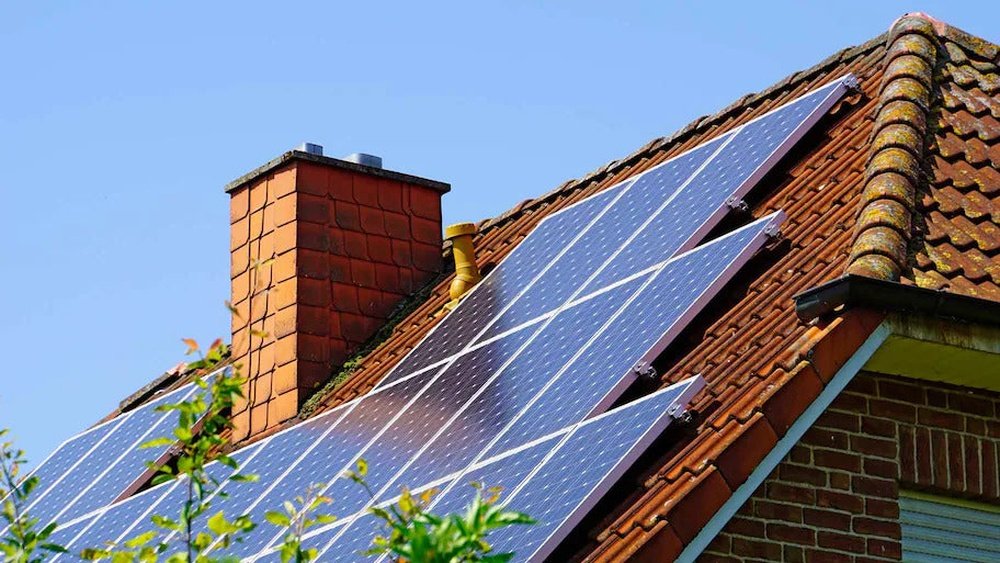
Panels work best when they face the sun at the right angle. In the US, panels usually face south and are tilted to match your latitude.
3. Shade
Anything blocking sunlight—trees, buildings, dirt—reduces output. Even a small patch of shade on one panel can cut the power from the whole system if not set up right.
4. Weather
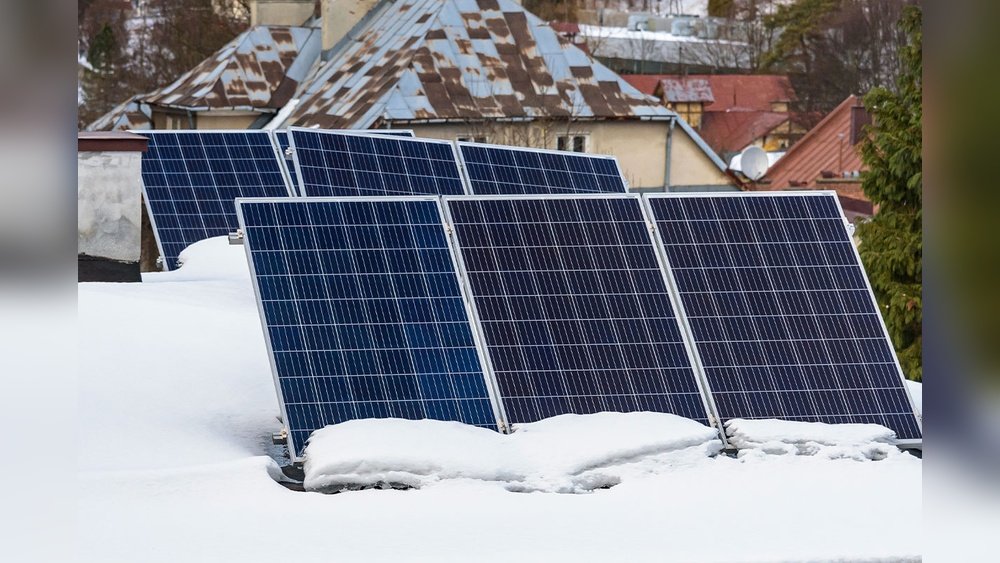
Clouds, fog, and rain all lower sunlight. Snow can block panels completely until it melts or is cleared.
5. Panel Type
Some panels handle low light better than others. Monocrystalline panels, for example, perform slightly better in weak sunlight than polycrystalline panels.

Credit: 8billiontrees.com
How Much Energy Do You Lose On Cloudy Days?
People often worry that solar panels will not work in places with many cloudy days. That’s not true, but you will see lower output.
- Cloudy but bright: Panels often generate 60–80% of their normal power.
- Heavy clouds: Output may drop to 10–25% compared to a sunny day.
- Fog or haze: Power is usually between 20–30% of full output.
Some of the world’s leading solar cities, like Seattle and Berlin, have many cloudy days but still use solar power widely.
Real-world Example: Solar In Cloudy Cities
Let’s look at two cities to see how clouds affect solar:
| City | Sunny Days per Year | Annual Solar Output (kWh/kW) |
|---|---|---|
| Phoenix, AZ | 300 | 1,800 |
| Seattle, WA | 150 | 1,000 |
Phoenix gets twice as many sunny days as Seattle. But even in Seattle, solar panels produce about 55% as much power per year. That’s still enough for many homes.
Key insight: Even in cloudy places, solar panels can cover a big part of your energy needs.
Common Myths About Solar Panels And Sunlight
Some ideas about solar panels and sunlight are just not true. Let’s clear up a few:
- Myth: Solar panels stop working when it’s cloudy.
Fact: They still work, just with less power.
- Myth: Solar only works in hot places.
Fact: Cold, sunny days are often better for panels than hot days, as panels work better in cool temperatures.
- Myth: Shade ruins all your panels.
Fact: Modern systems use microinverters or optimizers so one shaded panel won’t cut the power of all.
How To Get The Most From Your Solar Panels (even Without Direct Sun)
You can still get good performance from your solar panels, even if you don’t have perfect sunlight all day.
1. Choose The Right Panel Type
Some panels do better in low light. Monocrystalline panels, for example, are more efficient and work a bit better on cloudy days.
2. Install Panels With Good Placement
Try to place panels where they get the most sun. Avoid shade from trees, chimneys, or other buildings.
3. Use More Panels If Needed
If your area is cloudy, you might need more panels to get the power you want. This adds cost, but it’s a common solution.
4. Keep Panels Clean
Dust, snow, and leaves block sunlight. Clean panels regularly for best results.
5. Add A Solar Battery
A battery stores power made during sunny hours. You can use stored power at night or on very cloudy days.
What If My Roof Gets Shade?
Many homes have roofs that get shade at some point during the day. This doesn’t mean you can’t use solar.
- Partial shade: You’ll get less power, but you can use microinverters or power optimizers to limit losses.
- Heavy shade: If the roof is shaded most of the day, look for other spots (garages, sheds, or even ground mounts).
- Seasonal shade: Trees may shade panels only in summer or winter. Track shade patterns over a year for the best plan.
Can Solar Panels Work Indoors Or Through Windows?
Solar panels need sunlight, not just daylight. Indoor light is much weaker than sunlight. Small panels (like for calculators) work under room light, but home-sized panels need sunlight to make useful power. Through a window, sunlight is weaker because glass blocks some light, so output drops a lot.
Key Factors When Deciding On Solar
If you’re thinking about solar for your home, focus on these:
- Average sunlight: Check how many sun hours your location gets per year.
- Roof direction and tilt: South-facing roofs are best in the US.
- Possible shade: Plan for trees, buildings, and other obstacles.
- Local incentives: Some places offer rebates or tax credits for solar.
- Energy needs: The more power you use, the more panels you’ll need.
Comparing Panel Types For Low-light Performance
Here’s a quick look at how the main types of panels perform when it’s cloudy or in shade.
| Panel Type | Efficiency in Low Light | Cost |
|---|---|---|
| Monocrystalline | Best | High |
| Polycrystalline | Good | Medium |
| Thin-Film | Fair | Low |
Non-obvious tip: Some thin-film panels are flexible and can handle odd angles, but their efficiency is lower, so you’ll need more space.
Mistakes People Make With Solar And Sunlight
New solar owners sometimes make these errors:
- Ignoring shade: Not checking for tree growth or new buildings that may block sunlight.
- Poor placement: Putting panels on the wrong part of the roof or at the wrong angle.
- Choosing the cheapest panels: Lower-cost panels can be less efficient, especially in low light.
- Not cleaning panels: Dirt and leaves can cut power by 10–20%.
Is Solar Worth It Without Full Sun?
In most cases, yes. Even if your roof gets shade or you live in a cloudy city, solar can still lower your bills. You might need more panels, and payback may take a bit longer, but it’s still a good investment for many people.
Solar is about the total sunlight you get over a year—not just on the sunniest days.
For more details about solar energy basics, you can visit the U.S. Department of Energy.

Credit: solarcraft.com
Frequently Asked Questions
Do Solar Panels Work In The Rain?
Yes, solar panels still work in the rain. Rain clouds reduce the amount of sunlight, so you’ll get less power, but panels still produce electricity. Rain also helps clean dust and dirt off the panels, which can improve performance on the next sunny day.
How Much Less Power Do Panels Make On A Cloudy Day?
On a typical cloudy day, solar panels make about 10% to 25% of their normal power. If the clouds are thin or the sky is bright, they can make up to 70% or 80% of normal output.
Can I Use Solar Panels If My Roof Gets Shade?
Yes, but you’ll get less power. You can use special equipment like microinverters or put panels on other parts of your property to improve performance. If shade is heavy most of the day, solar might not be cost-effective.
Are There Special Solar Panels For Cloudy Places?
Some panels, like monocrystalline, work better in low light than others. No panel works as well in clouds as in sun, but choosing high-efficiency panels helps. You can also use more panels to make up for lost sunlight.
Do Solar Panels Need To Be Cleaned Often?
Solar panels work best when clean. Dust, leaves, or snow can block sunlight and lower output. Clean panels once or twice a year, or more often if you notice dirt buildup.
Whether you live in sunny California or rainy Seattle, solar panels can help you save energy and money. As long as you understand your sunlight levels, choose the right equipment, and plan well, solar is a smart and green choice for most homes.