
Have you ever looked up at your solar panels and wondered, “What’s hiding underneath?” Maybe you’ve noticed leaves stuck at the edges or a bird darting out as you walk by. Or you’ve seen your energy bill go up, even though it’s been sunny for weeks. You’re not alone—dirt, debris, and nests under solar panels are a big headache for many homeowners. It feels tough to tackle because panels seem hard to reach, and you might worry about damaging them or making a mess. The good news? You don’t need to be a pro or own fancy equipment to keep things clean and efficient under your solar panels.
Short Answer: How To Clean Under Solar Panels
First, safety comes first—turn off your solar system before you start. Use a soft brush or leaf blower to remove debris like leaves and sticks. For tougher messes, a garden hose (not a pressure washer!) can help, but never spray water directly into wires. If nests or lots of dirt are present, call a professional. That’s it: simple tools, gentle touch, and regular checks keep your panels working well.
Now, let’s break this down step by step, add some smart tips, and cover common issues you might face.
Why Cleaning Under Solar Panels Matters
You might think the top of your solar panels is the only part that gets dirty. In reality, the area underneath often collects even more debris. Here’s why this matters:
- Reduced airflow: Piles of leaves or dirt block air, making your panels hotter and less efficient.
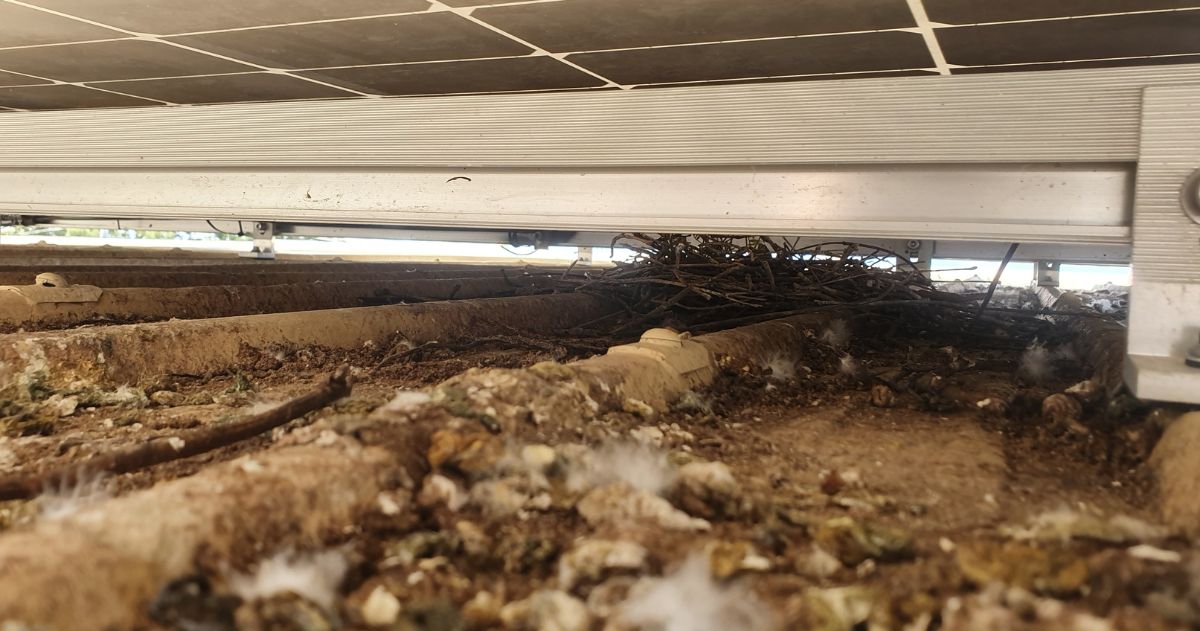
- Pests and nests: Birds, squirrels, and even insects love the cozy shade under panels.
- Moisture and mold: Trapped debris holds water, risking rust or mold on your roof.
- Fire hazard: Dry leaves and twigs can catch fire, especially in hot, dry areas.
A study by the National Renewable Energy Laboratory found that dirt and shading can lower solar efficiency by 5%–25% in some cases. That’s a big drop for something you can prevent with a bit of care.
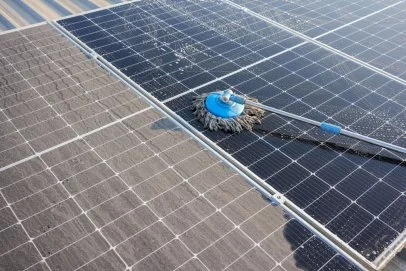
Credit: www.hgtv.com
Tools And Materials You Need
Good news: you don’t need expensive gear. Most items are already in your garage or easy to buy.
- Soft brush (telescoping if possible)
- Leaf blower (battery or electric, not gas-powered)
- Garden hose with a gentle spray nozzle
- Protective gloves and eyewear
- Ladder (if your panels are roof-mounted)
- Tarp or sheet (optional, to catch debris)
- Flashlight (for checking dark corners)
- Zip ties or mesh (for pest prevention after cleaning)
Never use a pressure washer, harsh chemicals, or metal tools—these can break panels or wiring.
Is It Safe To Clean Under Solar Panels Yourself?
You might worry about breaking something, getting shocked, or voiding your warranty. Here’s what you need to know:
- Turn off your system: Always shut down the main inverter and follow your panel maker’s instructions.
- Watch your footing: Roofs can be slippery. If you’re not steady on a ladder, ask for help.
- Don’t touch wiring: If you see frayed wires or chewed insulation, stop and call a pro.
- Check your warranty: Some solar companies require pro cleaning for warranty coverage. Read the fine print.
If your panels are on a high or steep roof, or if you see animal nests, it’s smarter (and safer) to get professional help.
Step-by-step Guide: Cleaning Under Solar Panels
Let’s break the process into simple steps. You can use most of these for ground-mounted panels too.
1. Preparation
- Pick a cool, dry day. Early morning is best—panels can get hot.
- Turn off all electrical components related to your solar system.
- Gather your tools and wear gloves, shoes with good grip, and eye protection.
- Tell someone you’re working on the roof, just in case.
2. Remove Loose Debris
- Use a soft brush or a leaf blower to gently push out leaves, twigs, and dust from under the panels.
- Start at the highest point and work downward so debris falls off the roof, not back under the panels.
- For ground panels, sweep around the base as well.
3. Check For Pests And Nests
- Shine a flashlight under the panels.
- Look for nests, droppings, or chewed wires.
- If you see a nest with eggs or chicks, wait until nesting season is over or call a wildlife removal expert.
- Never try to remove bees or wasp nests yourself.
4. Wash Away Dirt
- If you see thick dirt, use a garden hose with a gentle spray—never a pressure washer.
- Spray from the side, not directly at wires.
- Let water run off naturally.
- For sticky messes (like bird droppings), gently scrub with a soft brush and water.
5. Dry And Inspect
- Let everything air dry for a few hours.
- Use a flashlight to check for remaining debris or signs of damage.
- If you spot water pooling or mold, note the area and consider calling a roofer.
6. Prevent Future Problems
- Install critter guards (mesh or wire) around the base of panels to block birds and squirrels.
- Trim trees nearby to reduce falling leaves.
- Set reminders to check under your panels every 3–6 months.
Common Problems Found Under Solar Panels
You might be surprised by what collects under panels. Here are some typical issues:
- Leaves and pine needles: Block airflow and hold moisture.
- Bird nests: Common in spring; can damage wires.
- Squirrel activity: Squirrels chew on wires, risking shorts.
- Dust and pollen: Reduce output, especially in dry, windy areas.
- Moss or lichen: Grows in shade; can lift panels if unchecked.
If you find chewed wires or nests, stop and call a solar technician. These need expert repair, not just cleaning.
Diy Cleaning Vs. Hiring A Professional
Should you do it yourself or hire someone? Here’s a quick comparison:
| Factor | DIY Cleaning | Professional Service |
|---|---|---|
| Cost | Low (just tools and time) | Higher ($100–$500 per visit) |
| Safety | Risk if roof is steep/high | Trained, insured workers |
| Thoroughness | Good for basic debris | Deep cleaning, repairs, pest removal |
| Warranty Impact | Possible if not careful | Usually maintains warranty |
| Time | 1–2 hours per cleaning | Fast and efficient |
Tip: Even if you like DIY, have a professional check your panels every 2–3 years.
How Often Should You Clean Under Solar Panels?
Frequency depends on your location and what’s nearby. Here are some general guidelines:
- Every 3–6 months: Most homes, especially with trees nearby.
- After storms or windy days: Check for new debris.
- In dry, dusty climates: More often, as dust builds up quickly.
- If you notice lower energy output: Dirty panels or blocked airflow could be the cause.
Non-obvious insight: Sometimes, it’s not dirt you can see that matters, but tiny pollen or soot that builds up over time. Regular quick checks are more effective than waiting for visible problems.
How To Reach Under Solar Panels Safely
Many panels are only a few inches above the roof, making them tough to reach. Here are some tips:
- Use a telescoping brush that extends 5–10 feet. This lets you reach further without climbing.
- A small leaf blower with a thin nozzle can direct air under panels from the edge.
- For ground panels, lie on a mat and use a short, soft brush to avoid kneeling on rocks.
- Never force a tool under panels—you could break mounting brackets or cables.
If you can’t see under the panels, use a mirror or your phone’s camera with a flashlight to look for hidden debris.
Preventing Future Build-up Under Solar Panels
It’s easier to prevent messes than to clean them up. Here’s how:
- Critter guards: Mesh or wire fencing at the panel edge stops animals.
- Tree trimming: Keep branches 6–10 feet away from your roof.
- Check after storms: Wind can blow in new debris.
- Clean gutters: Overflowing gutters dump leaves under panels.
- Roof inspection: Look for loose shingles or gaps where pests can enter.
Pro tip: Use black mesh for critter guards. It blends in with panels and is less visible from the street.
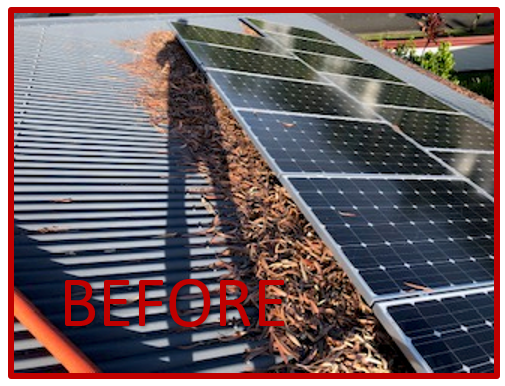
Credit: www.guttervac.com.au
Signs Your Panels Need Attention
Sometimes, your system tells you it’s time to clean—if you know what to watch for:
- Sudden drop in energy output
- Visible debris at panel edges
- Bird activity or droppings
- Unusual noises (scratching or chirping)
- Water stains or moss on roof
If you see these, don’t wait. The longer you leave debris, the higher the risk of damage.
What Not To Do When Cleaning Under Solar Panels
A few common mistakes can do more harm than good:
- Never use a pressure washer—the force can crack glass or push water into wiring.
- Don’t use harsh chemicals—they can damage surfaces and harm the environment.
- Never scrape with metal tools—even small scratches can reduce efficiency.
- Don’t ignore animal nests—they can quickly become a bigger problem.
- Don’t work alone on a roof—always have someone nearby for safety.
Non-obvious insight: Most damage to solar panels comes not from dirt, but from cleaning mistakes. Gentle tools and patience are your best friends.
Solar Panel Cleaning: Results And Data
Curious what difference cleaning really makes? Here’s a snapshot from real-world studies:
| Condition | Efficiency Drop (%) | Potential Savings (Yearly) |
|---|---|---|
| Clean panels, clear underneath | 0–2% | $0–$20 |
| Heavy leaves/debris under panels | 5–25% | $50–$200 |
| Bird nests, wiring issues | Up to 50% | $200–$500 |
As you can see, regular cleaning can pay for itself—sometimes in just a few months.
Case Study: Real Homeowner Experience
Lucy, a homeowner in California, noticed her solar app showed a 15% drop in output. She checked the top of her panels, which looked clean. When her neighbor mentioned birds nesting nearby, she decided to look under her panels. She found two bird nests and piles of leaves.
After removing them and installing a simple mesh guard, her energy output returned to normal. She now checks under her panels every spring and fall.
Takeaway: Even if your panels look clean from above, the hidden area underneath can cause big problems if ignored.
When To Call A Professional
DIY cleaning is great for simple debris, but some situations need expert help:
- Animal nests or infestations: Birds, bees, wasps, or rodents.
- Damaged wires or panel mounts
- Mold, heavy moss, or pooling water
- Very steep or high roofs
- If you feel unsure at any step
A professional can safely clean, repair, and protect your solar system. This is especially important if your warranty requires certified maintenance.
How To Choose A Solar Panel Cleaning Service
Not all cleaning companies are equal. Here’s what to look for:
- Experience with solar panel systems.
- Proper insurance and safety training.
- No use of harsh chemicals or pressure washers.
- Good reviews from homeowners in your area.
- Clear pricing and service details.
Ask if they also install critter guards or do minor repairs. A good company will answer your questions and explain their process.
For more advice, check trusted resources like the U.S. Department of Energy.
Comparing Common Debris Under Panels
Here’s a quick look at the most common debris types and how to handle them:
| Type of Debris | Removal Method | Risk Level |
|---|---|---|
| Leaves/Twigs | Brush or blower | Low |
| Bird nests | Manual (after nesting season) or pro | Medium |
| Squirrel debris | Pro removal, install guards | High (wiring damage) |
| Moss/Lichen | Gentle scrubbing, pro for heavy growth | Medium |
| Dust/Pollen | Gentle rinse, regular checks | Low |
Frequently Asked Questions
How Do I Know If There’s A Problem Under My Solar Panels?
Watch for signs like a sudden drop in energy output, visible debris at the panel edges, more birds around your roof, or unusual noises. Regularly checking with a flashlight or camera helps spot hidden issues early.
Can I Just Spray A Hose Under My Panels To Clean Them?
A gentle garden hose is usually safe, but never use high-pressure water. Aim from the side and avoid hitting wires or connectors. Let water flow naturally so you don’t force dirt deeper or damage the system.
Is It Safe To Remove Bird Or Squirrel Nests Myself?
For small, old nests without animals, you can usually remove them with gloves and a brush. If you see eggs, chicks, or active animals, it’s best to call a wildlife removal expert. Some birds are protected by law.
How Much Does Professional Solar Panel Cleaning Cost?
Prices range from $100 to $500 depending on your roof’s height, the amount of debris, and your location. Some companies include pest prevention or minor repairs in the price.
How Often Should I Check Under My Solar Panels?
Most homeowners should check every 3–6 months, and after big storms or seasonal changes. In dusty or bird-heavy areas, monthly checks may be better.
Keeping the area under your solar panels clean doesn’t have to be hard or expensive. With regular checks, a gentle touch, and a little patience, you’ll protect your investment and enjoy maximum energy savings. If you run into trouble or feel unsure, don’t hesitate to call a pro—it’s worth it for peace of mind and a smoothly running solar system.
Credit: provenenergy.com.au