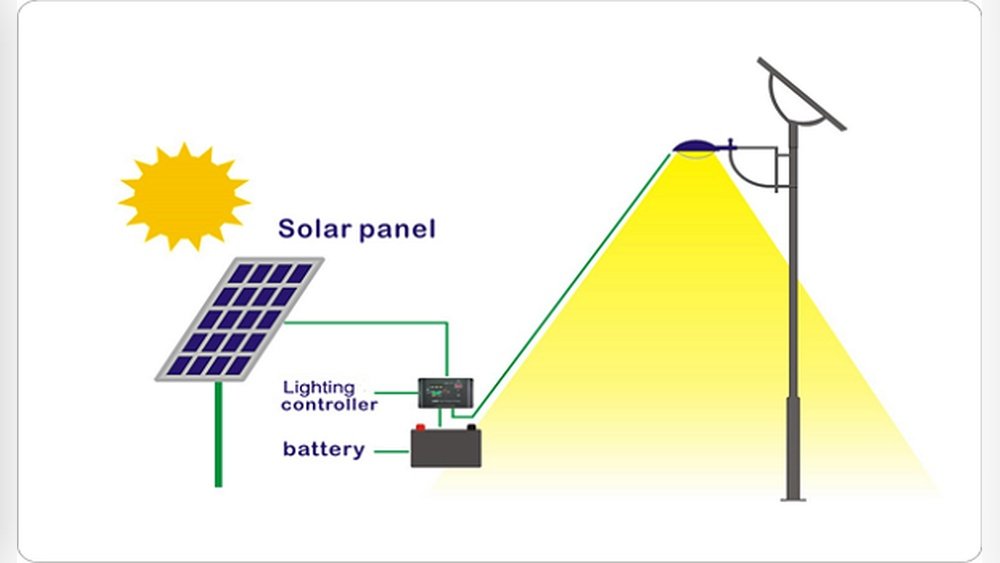

Don’t let the grid leave you in the dark. Whether you need to keep the Wi-Fi on or run a full-size fridge, we’ve rounded up the best gear to keep your home humming when the power company fails you.
Comparison Table: Best Solar Inverter for Home
| Inverter name | Power Output | Best For |
| ECO-WORTHY | 600W | Small Electronics & CPAP |
| Renogy | 1000W | Home Office Essentials |
| ALLWEI | 1500W | General Appliances |
| BELTTT | 2000W | Power Tools & Garage |
| Generic 3000W | 3000W | Heavy Duty / Cabin |
| SUMRY Hybrid | 4000W | Full Solar System Setup |
Top Picks: Best Solar Inverter for Home Use
Sick of wondering if your food is spoiling during a storm? These inverters convert DC battery juice into AC power for your house. We ranked them by wattage and utility so you can grab exactly what you need.
ECO-WORTHY 600W Inverter Charger
Best for Emergency Basics

This little guy is a double threat: it’s an inverter and a battery charger rolled into one. It’s perfect if you just need to keep the lights on or run a CPAP machine without hauling out a massive generator. It handles LiFePO4 batteries like a champ, meaning you get safer, longer-lasting storage.
Key Features:
- Dual Function: Charges your battery from the wall when the grid is up, switches to battery power when it’s down.
- Battery Friendly: Specifically optimized for Lithium Iron Phosphate (LiFePO4) batteries.
- Compact: Small enough to tuck in a closet or under a desk.
Pros & Cons
- Pros:
- Integrated battery charger saves buying extra gear.
- Pure sine wave protects sensitive electronics.
- Cons:
- 600W is too low for heavy appliances like microwaves.
Verdict: Buy this for a bedroom backup or medical device support. Skip it if you need to power a kitchen.
Renogy 1000W Pure Sine Wave
Best for Home Office

Renogy is a heavy hitter in the solar game, and this 1000W unit is the sweet spot for remote workers. It’s got enough juice to run your laptop, monitor, and router simultaneously. No more dropped Zoom calls just because the neighborhood transformer blew.
Key Features:
- Rock Solid Brand: Renogy gear is known for not dying on you.
- Remote Ready: Comes with a hardwire port if you want to install a remote switch.
- USB Built-in: dedicated 5V port for charging phones without wasting an outlet.
Pros & Cons
- Pros:
- High efficiency keeps your battery running longer.
- Overload protection prevents you from frying the system.
- Cons:
- Fans can get a bit noisy under full load.
Verdict: The reliable choice for working from home. If you need 24/7 internet connectivity, grab this.
ALLWEI 1500W Solar Inverter
Best for General Appliances
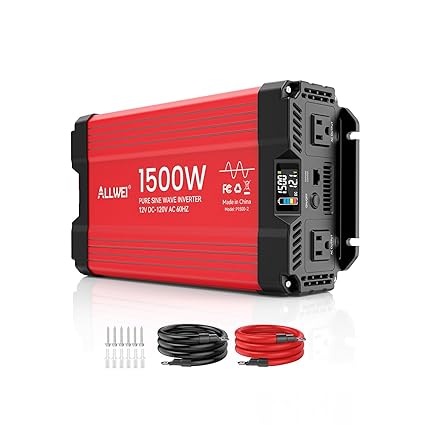
Stepping up the power, this ALLWEI rig hits 1500W continuous, which is enough to handle a coffee maker or a small fridge. The smart LCD display is a killer feature—it tells you exactly what’s going on with your voltage and load so you aren’t guessing.
Key Features:
- Smart LCD: Visual real-time monitoring of input/output voltage and protection status.
- Surge Power: Hits 3000W peak to start up motors that need a kick.
- Output Options: Two AC outlets mean you don’t need a power strip immediately.
Pros & Cons
- Pros:
- Great display makes troubleshooting easy.
- Solid aluminum shell dissipates heat well.
- Cons:
- Slightly bulkier than the 1000W models.
Verdict: Perfect middle-ground. Buy it if you need to run kitchen gadgets or a TV setup during outages.
BELTTT 2000W Power Inverter
Best for Garage & Power Tools

When you need to run power tools or heavier garage equipment, 2000W is your baseline. This BELTTT unit offers a massive 4000W surge, letting you fire up saws or drills that draw a ton of amps on startup. It’s rugged and ready for work.
Key Features:
- High Surge: 4000W peak power handles inductive loads (motors) easily.
- Hardwire Terminal: Allows you to wire it directly into a sub-panel or heavy-duty strip.
- Dual Fans: Keeps things cool when you are pushing maximum wattage.
Pros & Cons
- Pros:
- Excellent price-to-wattage ratio.
- Includes a remote controller for easy on/off.
- Cons:
- The terminal covers can be a bit fiddly to install.
Verdict: A workhorse for the DIYer. If you need to run tools off-grid, this is your pick.
3000 Watt Pure Sine Wave Inverter
Best for Heavy Duty / Cabins
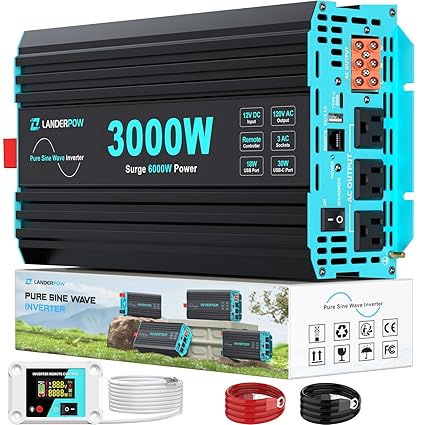
This is the big kahuna for standard 12V systems. With 3000 Watts, you are entering “run the whole room” territory. It has three AC outlets and a USB-C port, making it a central power hub for a cabin or a serious home backup bank.
Key Features:
- Port Variety: 3 AC outlets, USB-C, and USB-A cover all device types.
- Massive Headroom: 6000W surge capability is huge for compressors or pumps.
- Safety First: Comprehensive protection against over-voltage, low-voltage, and overheating.
Pros & Cons
- Pros:
- Handles high-wattage appliances like microwaves and heaters.
- Modern USB-C port is a nice touch for newer tech.
- Cons:
- Requires a substantial battery bank to sustain this power level.
Verdict: Serious power for serious outages. If you want to run a microwave or heater, you need this wattage.
SUMRY Hybrid Solar Inverter 4000W
Best for Full Solar Systems
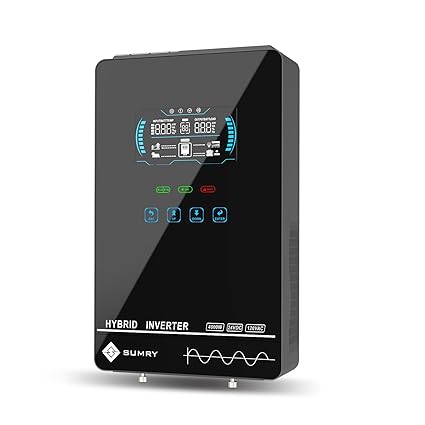
This isn’t just an inverter; it’s the brain of a solar power plant. It takes 24V input (more efficient than 12V) and includes a 140A MPPT charge controller. This means you can plug solar panels directly into it. It’s built for permanent installation and running a significant portion of your home.
Key Features:
- All-in-One: Inverter + MPPT Solar Charger + Battery Charger.
- 24V System: Higher voltage means thinner cables and better efficiency.
- Battery-Less Mode: Can actually run loads directly from solar panels without a battery (when the sun is shining).
Pros & Cons
- Pros:
- MPPT controller maximizes solar harvest.
- Sleek glass top design looks professional on the wall.
- Cons:
- Requires a 24V battery setup (two 12Vs in series), not standard 12V.
Verdict: The pro choice. If you are building a permanent solar backup wall, get this hybrid beast.
Quick Buying Tip: Voltage Matters
Pro Tip: Watch your input voltage! Most cars and small batteries are 12V, but larger home systems (like the SUMRY above) use 24V or 48V. Buying a 24V inverter for a 12V battery will not work and might leave you stranded. Check your battery bank first.