
If you live in Arizona, you’ve probably wondered: Will my solar panels last in this crazy heat? Maybe you’ve seen neighbors replacing their solar systems sooner than expected, or maybe you’ve heard companies promise “decades of clean energy” and thought, “Is that really true here?” It’s a good question—Arizona’s sun is both a blessing and a challenge. You want to save money and help the planet, but you don’t want to discover that your solar investment wears out way before you planned.
Let’s clear things up. In the next few minutes, you’ll find out exactly how long solar panels last in Arizona’s unique climate, what affects their lifespan, and what you can do to get the most years—and savings—out of your system.
Short Answer: How Long Do Solar Panels Really Last In Arizona?
Most solar panels last 25 to 30 years in Arizona before their power drops below 80% of the original output. Some high-quality panels can last even longer, but Arizona’s intense sun and heat can make them degrade a bit faster than in cooler states. With proper care, you can expect at least 20 years of solid performance—often much more.
But here’s the thing: “Last” doesn’t always mean “completely dead.” Panels slowly lose efficiency over time. After 25–30 years, they still work, just at a lower output. In many cases, they’ll keep powering your home for years, just not at their original strength.
Now, let’s dig deeper into why this happens, what to expect, and how you can make your panels last as long as possible in the Arizona sun.
Why Arizona Is Unique For Solar Panels
Arizona is a solar superstar. Few places in the US get as much sunlight. That’s why solar is so popular here. But the state’s climate is also tough on technology. Here’s why:
- Extreme heat: Summer days often hit 110°F or more.
- Intense UV rays: Strong sunlight speeds up material breakdown.
- Dust storms: “Haboobs” can coat panels, blocking sunlight.
- Monsoon rains: Sudden storms can cause leaks or damage if systems aren’t sealed well.
These factors mean Arizona solar panels face more stress than those in cooler, cloudier places.
How Solar Panels Work (and Why They Degrade)
Solar panels are made of silicon cells protected by glass and a metal frame. When sunlight hits the cells, they generate electricity. Over time, though, sunlight and weather slowly break down the materials:
- UV light causes the panel’s plastic layers to become brittle.
- Thermal cycling (hot days, cool nights) expands and contracts materials, creating tiny cracks.
- Moisture can seep in and corrode electrical parts if seals fail.
This breakdown is called degradation. It’s why panels slowly lose power each year.
Typical Degradation Rates
Most modern panels lose 0.5% to 0.8% of their output per year. After 25 years, a panel might produce about 80–88% of its original power. Arizona’s climate may push this number toward the lower end, especially if panels are not kept clean and cool.
Here’s a quick look at what that means:
| Panel Age (Years) | Typical Power Output (%) |
|---|---|
| 0 | 100% |
| 10 | 92–95% |
| 20 | 85–90% |
| 25 | 80–88% |
| 30 | 75–85% |
Key Factors That Affect Solar Panel Lifespan In Arizona
It’s not just the sun that matters. Several factors play a role in how long your solar panels will last:
1. Quality Of The Panel
Not all panels are created equal. Tier 1 brands use better materials and have stricter quality control. Cheaper panels often degrade faster, especially in harsh conditions.
- Monocrystalline panels (usually black) tend to last longer than polycrystalline (blue).
- Look for panels with a 25-year warranty on both performance and product.
2. Installation Matters
Arizona roofs get hot—sometimes hotter than the air. Panels need to be mounted with space for air to flow underneath. If installed flush to the roof, heat builds up and speeds up wear.
- Professional installers know how to angle panels for best airflow and sunlight.
- Poor wiring or loose mounts can lead to early failure.
3. Maintenance & Cleaning
Dust, pollen, and bird droppings can block sunlight. In Arizona, dust storms are common, so cleaning panels a few times a year makes a big difference.
- Regular inspection can catch small problems before they get worse.
- Use soft brushes or hire a cleaning service to avoid scratching the glass.
4. Weather Events
Hail is rare in Arizona, but monsoon winds can blow debris onto your panels. Most panels are tested to handle 1-inch hail at 50 mph, but branches or tiles can do more damage.
- Check after major storms for cracks or broken glass.
- Insurance may cover storm damage—ask your provider.
5. Inverter And Other Equipment
Solar panels are only part of the system. Inverters (which convert DC to AC power) usually last 10–15 years. Batteries and other parts may need earlier replacement, but this doesn’t mean the panels themselves are done.
6. Shade And Orientation
Panels in full sun last longer because shade causes hot spots, which can burn out parts of a panel over time.
- Trim trees and avoid mounting near chimneys or vents that cast shadows.
How Arizona’s Climate Compares To Other States
You might wonder, “Do panels in cooler places last longer? ” The answer is yes—but not by a dramatic margin. Panels in Arizona may lose power a bit faster, but the state’s huge amount of sunlight means you still get more energy over their life.
Here’s a comparison:
| State | Average Panel Lifespan (Years) | Annual Degradation Rate (%) |
|---|---|---|
| Arizona | 25–30 | 0.7–0.8 |
| California | 25–30 | 0.5–0.7 |
| New York | 25–35 | 0.4–0.5 |
| Florida | 25–30 | 0.6–0.8 |
Non-obvious insight: Even though panels may degrade a bit faster in Arizona, you’ll likely generate more total energy over 25 years than a panel in a cloudier, cooler state.
What To Expect Year By Year
When you invest in solar panels, here’s a realistic timeline of what happens:
- First 10 years: Minimal loss of power. Most people don’t notice any change.
- Years 11–20: You may see a small drop in energy bills, but panels still work well.
- Years 21–30: Power output drops closer to 80–85% of the original. Still usable, but less energy produced.
- After 30 years: Many panels keep working, just at lower efficiency. At this point, you might choose to add new panels or upgrade your system.
Real Example
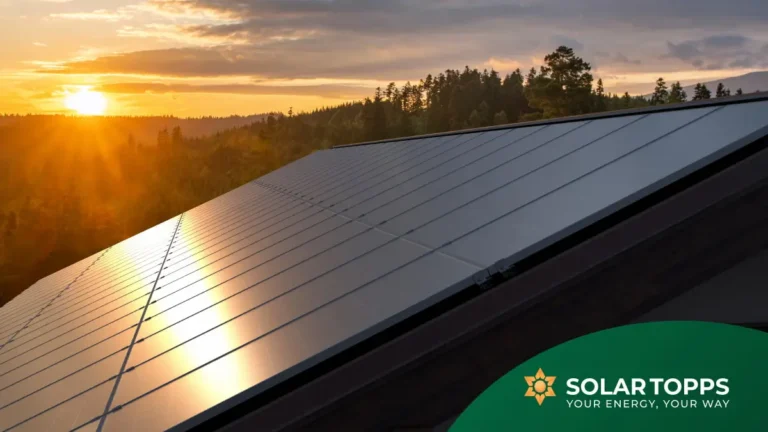
A Phoenix homeowner installed solar in 2000. After 23 years, the panels still produce about 85% of their original power. The inverter was replaced after 14 years, but the panels themselves are going strong.
Credit: www.solartopps.com
How To Make Your Solar Panels Last Longer In Arizona
You can’t control the weather, but you can take steps to protect your investment.
1. Choose High-quality Panels
Spending a bit more upfront on reliable brands pays off long-term. Research companies with a good track record in hot climates. Some panels are designed with extra UV protection or better heat resistance.
2. Hire Skilled Installers
Look for installers who know the local climate. Ask about:
- How they mount panels for airflow
- What kind of sealants they use for Arizona monsoons
- Their experience with local utility rules and permits
3. Clean And Check Regularly
Set a reminder to rinse your panels every few months, especially after dust storms. Check for:
- Cracked glass
- Loose mounts
- Wires chewed by animals
If you see any issues, call your installer—not your roofer. They know solar systems best.
4. Monitor System Performance
Most systems come with apps or online dashboards. If you notice a sudden drop in power, it could mean dirt, damage, or a wiring problem. Catching it early can save you years of lost output.
5. Protect Panels From Debris
Trim trees and remove anything that could fall on your roof. If you get a big storm, check your panels as soon as it’s safe.
6. Keep Up With Technology
Even if your panels last 30 years, inverters and other parts will need replacement sooner. Budget for this. When the time comes, newer inverters are often more efficient.
Insider tip: Some homeowners add new panels to their existing system after 20+ years, rather than replacing the whole thing. This can boost power and take advantage of new technology without a full re-install.
Common Myths About Solar Panel Lifespan
Let’s clear up a few misunderstandings:
- “Panels will die after the warranty ends.” Not true. Most panels keep working well after 25 years. The warranty covers power output, not total lifespan.
- “Arizona sun destroys panels in a few years.” Modern panels are built for tough weather. Proper cleaning and good installation keep them healthy for decades.
- “You have to replace the whole system when one part fails.” Usually, only the faulty part (like an inverter) needs replacing.
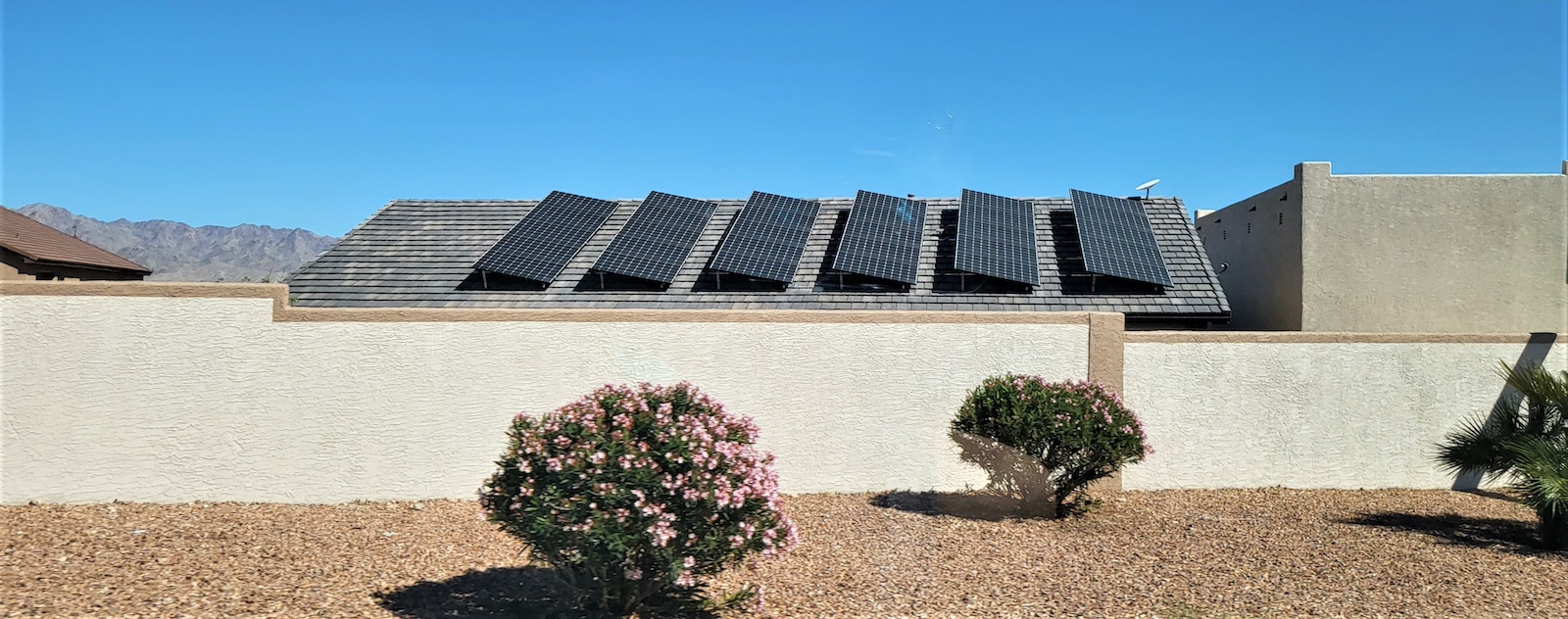
Credit: intypower.com
What Happens When Panels Reach The End Of Their Life?
Even after 30+ years, solar panels rarely fail all at once. Here’s what usually happens:
- Lower output: Panels still make power but not as much as before.
- Physical damage: If glass cracks or water gets in, you may need to replace individual panels.
- Recycling: Solar panels are mostly glass, aluminum, and silicon. Many companies now recycle old panels, reducing landfill waste.
If you add new panels, you don’t have to remove the old ones unless they’re broken. You can mix newer, more efficient panels with older ones for extra power.
Solar Panel Warranties: What To Look For
Warranties are a key part of the equation. Most panels come with two:
- Product warranty: Covers defects (typically 10–25 years).
- Performance warranty: Guarantees a minimum power output (often 80–85% after 25 years).
Here’s a quick comparison of typical warranties:
| Brand | Product Warranty (Years) | Performance Warranty (Years) | Guaranteed Output After 25 Years (%) |
|---|---|---|---|
| SunPower | 25 | 25 | 92 |
| Q CELLS | 12 | 25 | 85 |
| LG | 25 | 25 | 88 |
| Trina Solar | 12 | 25 | 84 |
Non-obvious insight: Some brands offer higher output guarantees after 25 years. If you want the most power long-term, compare this number—not just the warranty length.
Cost Vs. Lifespan: Is Solar Still Worth It In Arizona?
Given the intense sun, you might wonder, “Is it still a smart investment?” The answer is almost always yes in Arizona. Here’s why:
- More sun = more energy over the life of your panels, even if they degrade a bit faster.
- Lower electric bills: You’ll save more each year compared to states with less sun.
- State incentives and federal tax credits: These can cut upfront costs by 26% or more (check the latest policies).
- Added home value: Homes with solar often sell faster and for more money.
Even if you replace your inverter once and upgrade panels after 25–30 years, you’ll likely come out ahead.
What About Batteries And Other Solar Gear?
Batteries (like Tesla Powerwall) are becoming popular but have a shorter lifespan than panels—usually 10–15 years. They cost extra and may need to be replaced before your panels do. The same goes for inverters and optimizers.
- Plan for these costs, but remember, the panels themselves are usually the most durable part of the system.
- Many homeowners skip batteries if their utility offers net metering, letting them send extra power to the grid.
For more on solar panel recycling and end-of-life care, check out the U.S. Department of Energy.

Credit: azmirror.com
Frequently Asked Questions
How Often Do I Need To Clean My Solar Panels In Arizona?
Most homeowners should clean panels 2–4 times a year. After dust storms or pollen season, check for buildup. If your panels are hard to reach, consider hiring a pro.
Will Arizona Heat Damage My Solar Panels?
Extreme heat can slightly reduce daily output and may speed up long-term wear. But panels are tested for high temperatures and usually last 25–30 years with proper installation and care.
Do Solar Panels Lose Efficiency Faster In Arizona Than In Other States?
Yes, but only by a small amount. You might see a 0.7–0.8% annual loss vs. 0.5% in cooler states. Arizona’s extra sunlight more than makes up for this faster wear.
Can I Add New Panels To My System After 20 Years?
Absolutely! Many people add new, more efficient panels to boost power. Just check that your inverter and wiring can handle the extra load.
What Should I Do If A Panel Stops Working?
Call your installer or a qualified solar technician. Many problems are covered by warranty. Don’t try to fix panels yourself—there’s a risk of shock and roof damage.
Arizona’s sun is powerful and relentless, but modern solar panels are built to last. With smart choices and a bit of care, your panels will power your home for decades. And when they finally slow down, you’ll still have enjoyed one of the best returns on investment the Arizona desert has to offer.