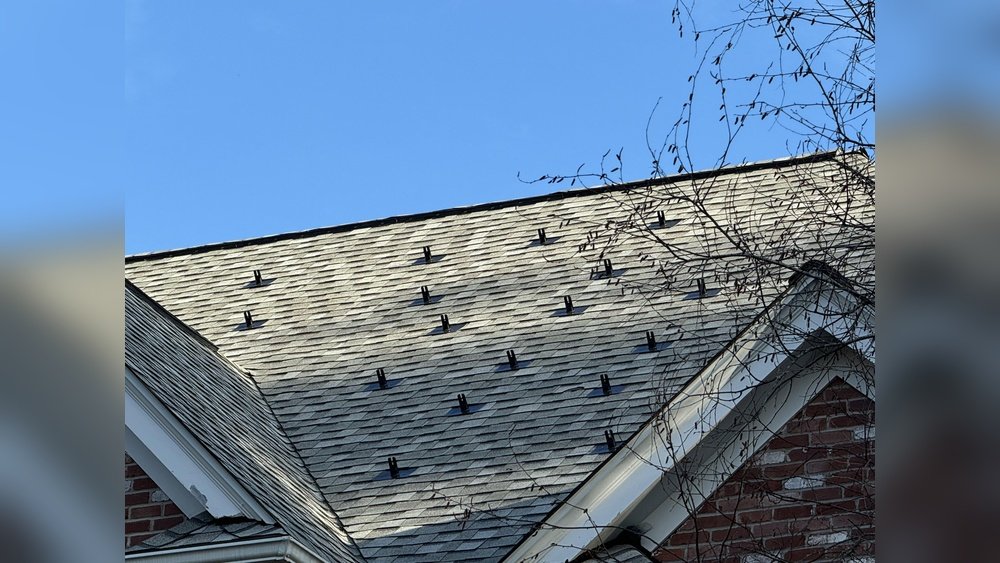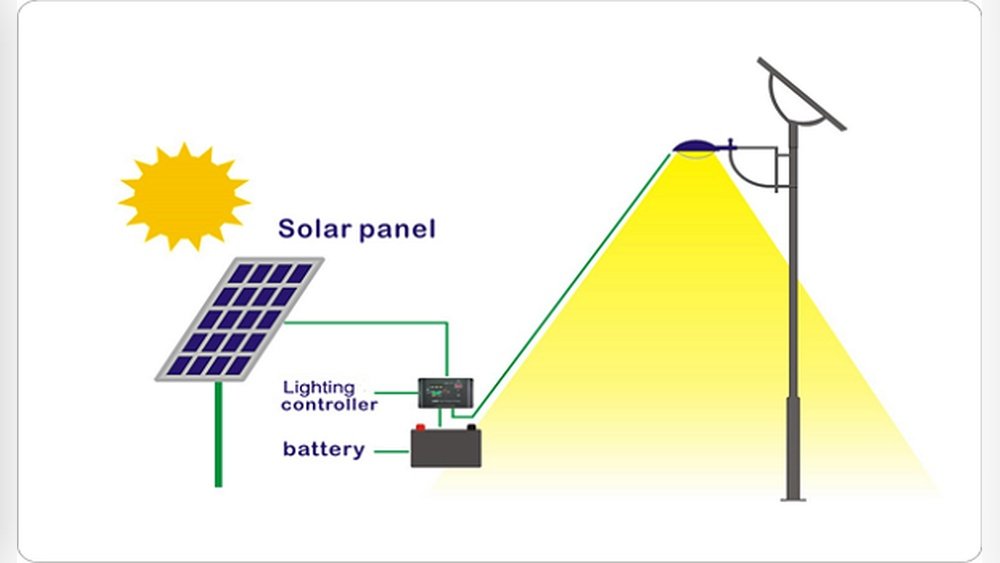

You spent a lot of money to add solar panels to your California home. You want to save on energy bills, help the planet, and boost your property’s value. But now you’re worried: should you lock your solar panels? You’ve heard stories—panels stolen off roofs, expensive damage, even insurance headaches. It’s confusing. Is this just fear, or is it a real risk? And what does “locking” solar panels even mean in California, where sunshine is gold?
Let’s clear up the confusion. I’ll walk you through what you need to know so you can protect your investment, avoid stress, and sleep better at night.
Short Answer: Should You Lock Your Solar Panels In California?
Yes, locking your solar panels is a smart move—especially in California. While solar theft is not extremely common, it does happen. Simple security steps can help you avoid big losses and hassles. Even basic deterrents can make a thief choose an easier target. It’s about peace of mind, not just statistics.
Why People Steal Solar Panels
Solar panels are valuable. One panel can cost $200–$400 or more. In some areas, thieves see them as easy cash. Stolen panels are resold online, sent to other states, or used on off-grid properties. California’s high solar adoption makes it a hotspot.
If your panels are visible, ground-mounted, or in a remote area, risk goes up.
Common theft scenarios:
- Panels on vacation homes or farms
- Ground-level installations in rural areas
- New builds before people move in
Even if you live in a city, a determined thief with a ladder can act fast.
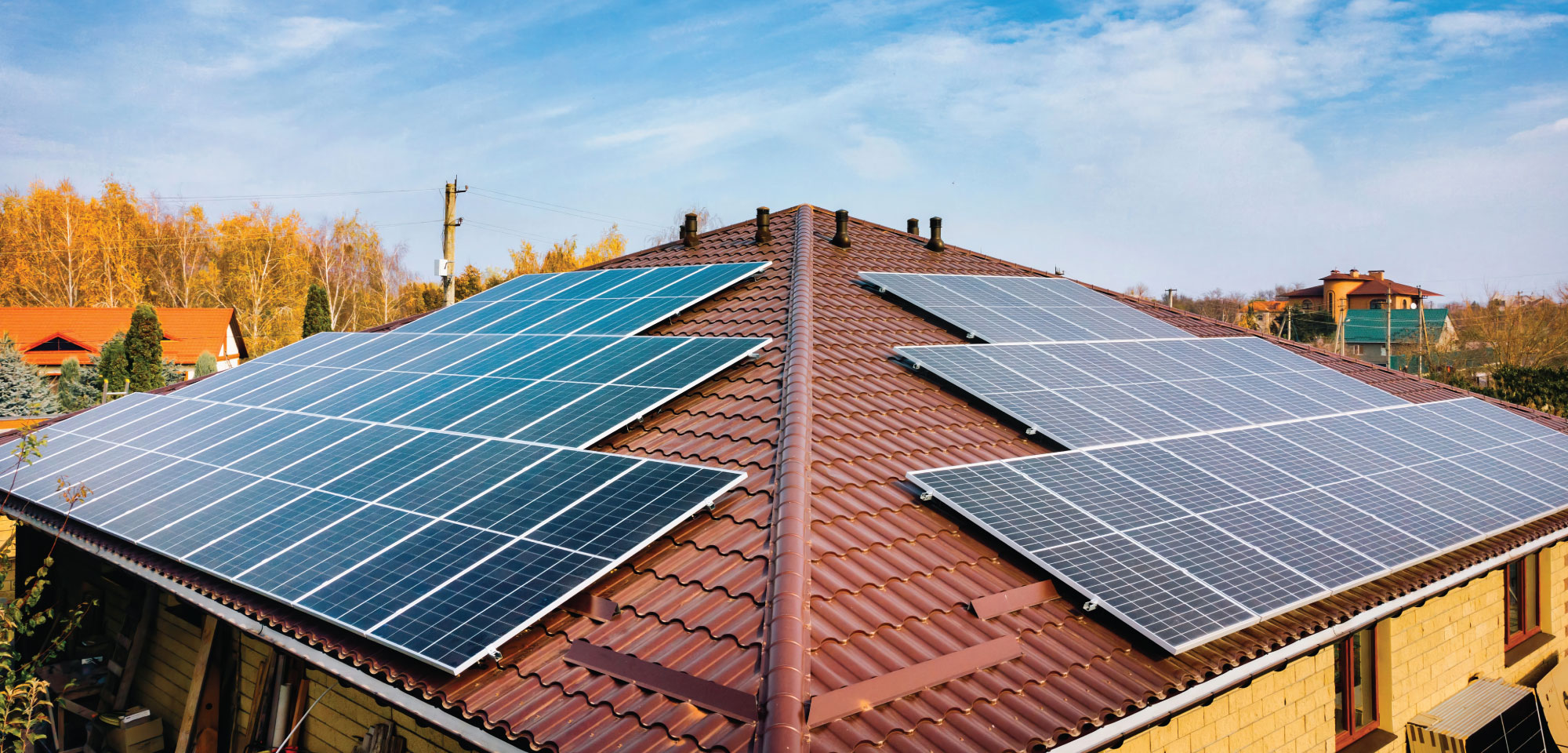
Credit: www.solarreviews.com
What Does “locking” Solar Panels Mean?
“Locking” doesn’t always mean a padlock. It means making your panels hard to remove or steal. You combine physical barriers, smart technology, and good habits. Here’s how people in California do it:
- Special anti-theft bolts (hard to unscrew without a custom tool)
- Security cages or frames around ground panels
- Alarms that alert you if a panel is moved
- Security cameras watching your roof or yard
- Lighting that makes thieves visible at night
You choose the mix that fits your budget and risk. Sometimes, just one or two small changes make a big difference.
How Common Is Solar Panel Theft In California?
There are no official statewide numbers, but local police reports and news stories give us clues. In Los Angeles County alone, police reported over 50 solar theft cases between 2021 and 2023. Most cases were at construction sites, farms, or homes left empty.
Here’s a quick look at risk by area and installation type:
| Location Type | Theft Risk Level | Notes |
|---|---|---|
| Rooftop (urban) | Low–Medium | Harder to access, but not impossible |
| Ground-mounted (rural) | High | Easy to reach, often out of sight |
| Commercial buildings | Medium | More panels, but usually better security |
| Vacation homes | High | Empty for weeks, attractive to thieves |
Most homeowners won’t face theft, but the losses are painful if it happens. Insurance may not always cover everything.

Credit: nrgcleanpower.com
Real-life Example: A Costly Mistake
In 2022, a homeowner in Fresno came back from vacation to find six solar panels missing. The thief used common tools to unscrew panels from the rack. The insurance covered only half the cost due to the deductible and “actual cash value” payout.
The owner could have avoided the loss with $150 in anti-theft bolts and a simple camera.
Main Ways To Lock And Secure Your Solar Panels
You don’t need a fortress. Most thieves want easy targets. Here’s what works best in California:
1. Anti-theft Hardware
Special bolts (sometimes called security screws) need a unique tool to remove. Thieves can’t use regular wrenches. Installers can add these for $100–$250 for an average system.
2. Security Cameras And Signs
Modern cameras start at $40. Many send alerts to your phone. Thieves hate being recorded. Even a fake camera or sign can scare off some criminals.
3. Motion Sensor Lights
Solar-powered motion lights cost $25–$60. They light up when someone approaches your panels at night. Thieves usually move on when they see bright lights.
4. Security Cages Or Fencing
For ground-mounted panels, a metal cage or fence adds a real barrier. It’s common on farms or remote properties. Expect to pay $500–$2,000 depending on size.
5. Gps Trackers
For high-value or remote solar systems, a small GPS tracker can be attached to a panel. If stolen, you can help police find it. Trackers cost about $30–$100 per panel, plus a small monthly fee.
6. Alarm Systems
Some alarms trigger if a panel is moved or wires are cut. Even a loud siren can make a thief run. Prices start at $100.
Here’s a quick comparison of common security options:
| Security Option | Average Cost | Best For | Effectiveness |
|---|---|---|---|
| Anti-theft bolts | $100–$250 | All types | High |
| Security camera | $40–$300 | Urban/visible locations | Medium–High |
| Motion lights | $25–$60 | Ground panels, yards | Medium |
| Security cage/fence | $500–$2,000 | Ground/rural panels | Very High |
| Alarm system | $100–$500 | Large systems | High |
Even one or two of these can cut your risk by 80% or more.
Does Insurance Cover Stolen Or Damaged Panels?
Most California homeowners’ insurance covers solar panels—but not always fully. Some policies see panels as part of the home, others as extra “personal property. ” You may need to add coverage.
Key things to check:
- Are panels covered for full replacement cost?
- Is your deductible higher than the value of one panel?
- Are all theft scenarios covered (e.g., from roof, yard, or detached garages)?
Some insurance companies require proof of security steps, like photos or receipts.
Mistakes Homeowners Make (and How To Avoid Them)
Most people don’t think about solar panel security until it’s too late. Here are common mistakes:
- Assuming theft is rare: It is, but it only takes one thief.
- Skipping security for rooftop panels: Thieves use ladders, especially in quiet neighborhoods.
- Not updating insurance: Some policies don’t cover full replacement.
- Leaving tools or ladders outside: Makes it easier for a thief.
- Not registering serial numbers: Police need these to recover stolen panels.
Tip: Write down your panels’ serial numbers and keep photos. It helps with police and insurance claims.
 "Should I Lock My Solar Panels in California for Maximum Security? 3")
Credit: www.energysage.com
The Best Security Plan For Your Situation
Every home is different. Here’s how to decide what you need:
For Most Urban Homeowners
- Anti-theft bolts on all panels
- Motion sensor lights on roof or yard
- Camera (real or fake) facing panels
- Register panel serial numbers
For Rural Or Ground-mounted Panels
- Security cage or fence
- Real camera with night vision
- Motion lights and alarm
- GPS tracker for high-value panels
For Vacation Or Second Homes
- All above, plus:
- Neighbors or property managers check property often
- Camera with remote alerts
Remember: Most thieves go for easy targets. Any sign of security makes your panels less appealing.
How Locking Affects Maintenance And Repairs
Some people worry that locking or securing panels will make repairs harder. In reality, good security hardware is designed for installers. They keep a special tool for anti-theft bolts. Maintenance isn’t a problem if you keep the tool or code.
Just tell your installer or service company about your security devices.
Is It Worth The Cost?
Let’s break it down. The average rooftop solar system in California costs $12,000–$20,000. Losing even a few panels can mean $2,000 or more lost—not to mention lost energy savings. Most security upgrades cost less than 2% of your solar system’s value.
Here’s a cost-risk example:
| Scenario | Cost to Secure | Potential Loss | ROI |
|---|---|---|---|
| Rooftop, basic security | $200 | $2,000 | 10x |
| Ground system, full security | $1,500 | $6,000 | 4x |
| No security | $0 | $2,000–$10,000 | Negative |
Even one attempted theft can pay for the investment.
Non-obvious Insights Most People Miss
- Thieves often check real estate sites for new solar installations. If your home was just upgraded, you may be at higher risk the first few months.
- Solar recycling yards sometimes accept used panels with no questions asked. Registering serial numbers with your installer and local police can help catch thieves and recover panels.
- Panel theft may void some manufacturer warranties if panels are damaged or improperly removed. Security can protect your warranty.
Additional Resources
For more on solar panel security and insurance, check out the California Energy Commission. They offer tips for both new and experienced solar owners.
Frequently Asked Questions
Is Solar Panel Theft Really A Big Problem In California?
While it’s not as common as car theft or burglary, it happens enough to worry about—especially in rural or remote areas. Most thieves want easy money, so even simple deterrents can keep your panels safe.
How Do I Know If My Insurance Covers Solar Panel Theft?
Read your homeowner’s policy or call your agent. Ask if panels are covered for theft, what the deductible is, and if you need extra coverage. Some insurers require you to list solar panels as “scheduled property. ”
Can I Install Anti-theft Bolts Myself?
Yes, if you’re handy and comfortable working on your roof. Most people let their installer handle it for safety and warranty reasons. The bolts are inexpensive, and installation is quick.
Will Locking Panels Void My Warranty?
Not if you use approved security hardware and don’t damage the panels. Ask your installer or manufacturer for a list of approved security devices.
What Should I Do If My Panels Are Stolen?
Call the police, your installer, and your insurance company. Give them panel serial numbers and photos. If you had cameras or trackers, share footage or data. Quick action improves your chances of recovery.
Protecting your solar panels in California is not complicated or expensive—but it makes a big difference. Taking a few smart steps now can save you time, money, and frustration later. Your solar investment deserves it.