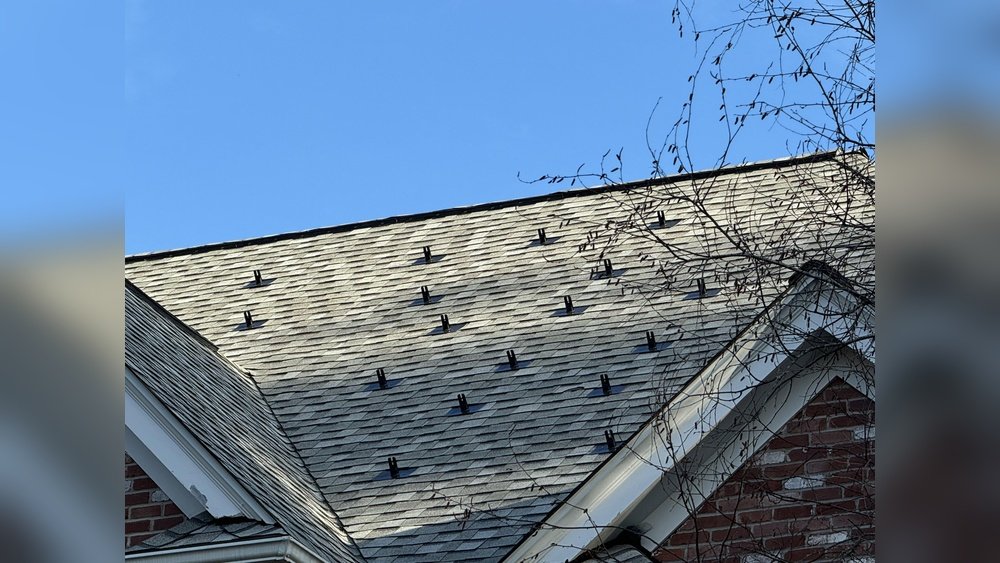

Have you ever looked up at your roof and wondered, “Are my solar panels actually doing anything? ” You’re not alone. Many homeowners invest thousands in solar, but months later, they still don’t know if their system is working right.
Maybe your electric bill isn’t dropping as much as you hoped. Or you check your inverter, see some lights blinking, and think, “Is that good… or bad? ” If you’re frustrated, worried, or just plain curious, you’re in the right place.
Let’s clear up the confusion, spot the signs of real solar savings, and give you peace of mind about your solar investment.
Short Answer: How To Quickly Tell If Your Solar Panels Are Working
You want a fast, simple answer? Here it is: Check your inverter display. If it shows power production (watts or kilowatts), your panels are working. If your electric bill is lower, that’s another clear sign. Most solar systems also have a monitoring app or online portal. If it says you’re generating energy, you’re good.
But what if the numbers look weird, or you have no idea what they mean? That’s when you need a bit more detail. Let’s break down what to check, how to spot problems, and how to feel confident your panels are really doing their job.
Understanding How Solar Panels Work (without The Jargon)
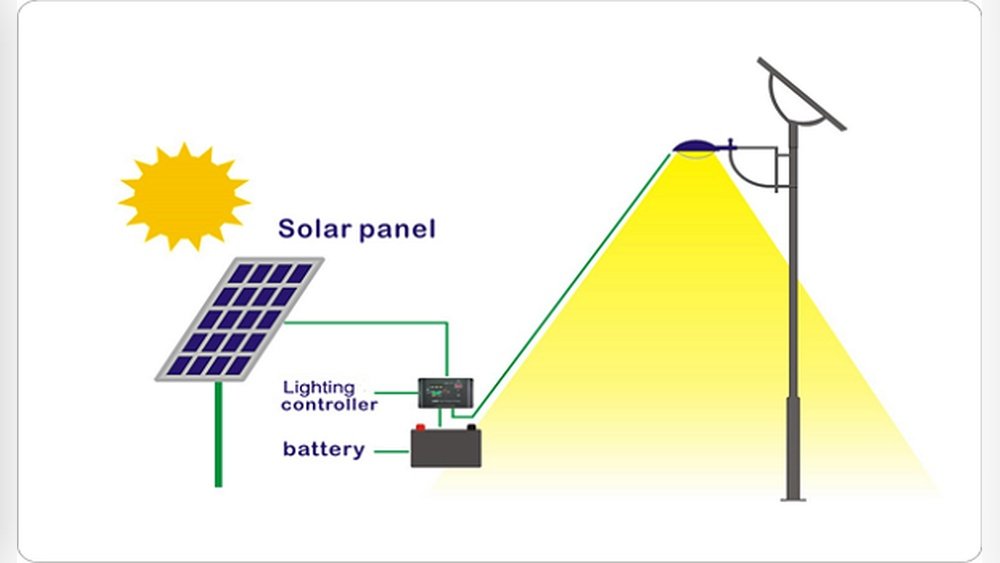
Solar panels take sunlight and turn it into electricity for your home. Here’s the path:
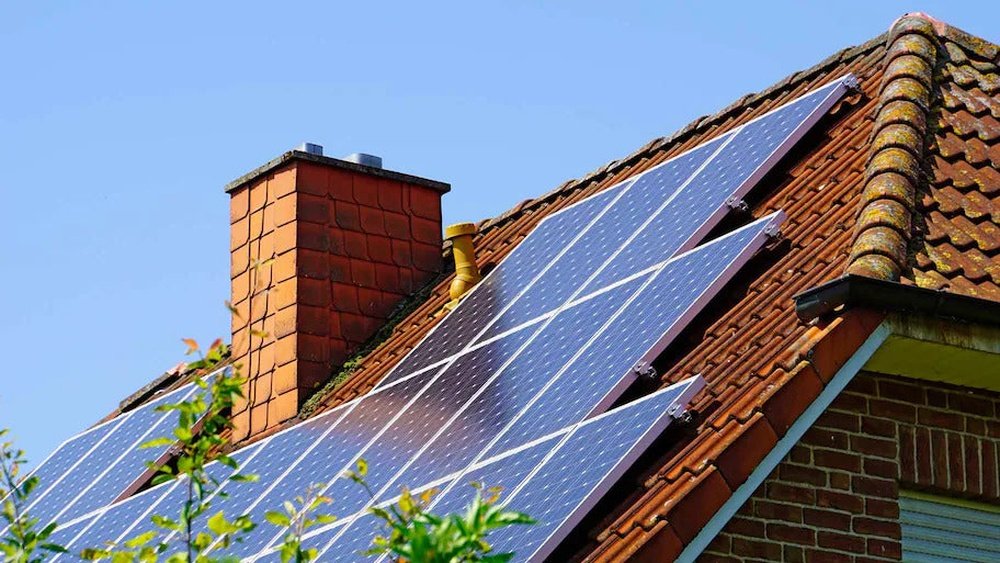
- Sunlight hits the panels (usually on your roof).
- The panels make direct current (DC) electricity.
- An inverter changes DC into alternating current (AC)—the kind your house uses.
- The AC power flows into your home, powering lights, appliances, and more.
- Extra power goes to the grid or charges a battery, depending on your setup.
Most solar systems are grid-tied. That means if you use more power than your panels make, you pull the rest from the utility company. If you make more than you use, you might get a credit (called net metering).
Signs Your Solar Panels Are Working (and Signs They’re Not)
Let’s get practical. Here are the most obvious signs your solar panels are working properly:
- Lower electric bills: You use less power from the grid.
- Inverter shows power output: The display has numbers (not error codes).
- Monitoring app shows production: Most installers give you access to an app.
- Electric meter sometimes runs backward: If you have net metering, this is a good sign.
On the other hand, watch out for these warning signs:
- Higher-than-expected bills: Your savings are small or zero.
- Inverter shows errors or is off: No lights, flashing red, or error codes.
- No data on your monitoring app: It’s blank, offline, or flatlined.
- Obvious physical damage: Broken glass, debris, or animal nests.
The Inverter: Your Solar System’s “control Panel”
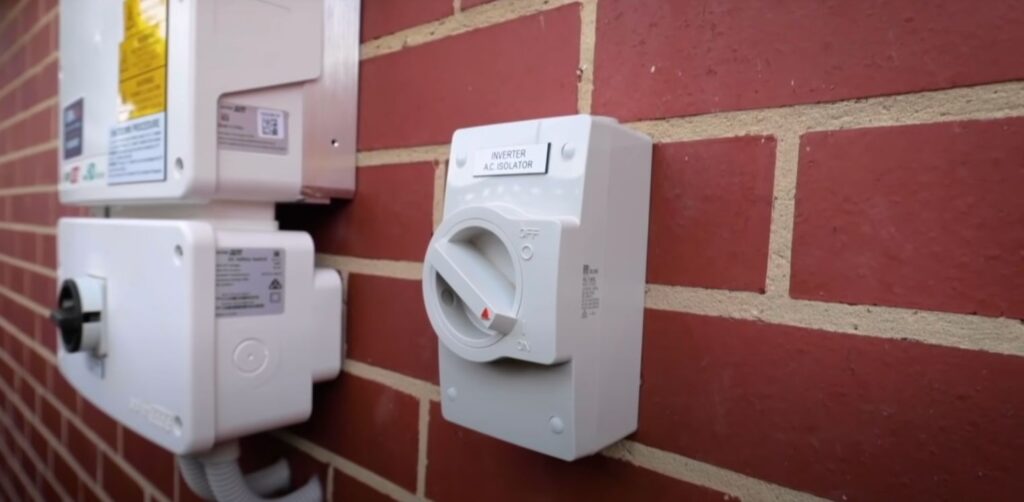
If you only check one thing, check the inverter. It’s usually a box near your electric panel or sometimes in the garage. The inverter is the “brain” of your solar setup.
Reading Your Inverter’s Display
Different brands look different, but most will show:
- Current power output (watts or kilowatts)
- Total energy produced (since installation)
- Status lights (green, yellow, red)
A healthy inverter shows a green light and positive power numbers when the sun is out. At night, it’s normal for it to be off or show zero.
If you see a red light, error code, or nothing at all, something’s wrong.
Common Inverter Messages And What They Mean
Here’s a quick reference for what you might see:
| Inverter Light/Message | What It Means | What To Do |
|---|---|---|
| Solid Green | Normal operation | Nothing, all good |
| Flashing Green | Waking up (morning) | Wait for solid green |
| Solid Red | Fault or error | Check manual, call installer |
| No Lights | No power or system off | Check breakers, call support |
| Error Code | Specific issue | Look up code, contact installer |
Not every inverter is the same. If you’re unsure, search the brand and model number, or check your manual.
Using Your Solar Monitoring App (or Website)
Most systems today include a monitoring app or website. This is the easiest way to see if your panels are working day-to-day.
What To Look For In Your App
- Live production: Shows how much power you’re making now.
- Daily/weekly/monthly history: Helps you spot trends.
- Alerts or notifications: Warn you if something’s wrong.
If your app shows a flat line (zero production for days), check your inverter. Sometimes the app is just offline, not the panels.
Example: Comparing Solar Output Over Time
Suppose your system made 25 kWh yesterday, but only 2 kWh today (and it was sunny both days). That’s a red flag. Weather matters—a rainy day means less power. But big drops in sunny weather can mean a problem.
Here’s a simple way to visualize your production:
| Day | Weather | Solar Output (kWh) |
|---|---|---|
| Monday | Sunny | 24 |
| Tuesday | Cloudy | 12 |
| Wednesday | Sunny | 25 |
| Thursday | Sunny | 3 |
In this example, Thursday’s big drop (from 25 to 3) on a sunny day means something’s wrong.
Checking Your Electric Bill: Are You Really Saving Money?
Your power bill is the ultimate test. If your solar panels are working, your utility bill should be lower.
How To Read Your Electric Bill With Solar
Look for:
- Usage (kWh): Should be less than before solar.
- Net metering credits: If you send power to the grid, you might see credits or “negative” usage.
- Service charges: These often stay the same.
It’s easy to get confused, though. Sometimes, your utility company changes how the bill looks after you go solar.
Comparing Before And After Solar
Here’s an example of electric bills before and after solar:
| Month | Usage Before Solar (kWh) | Usage After Solar (kWh) | Bill Before ($) | Bill After ($) |
|---|---|---|---|---|
| April | 900 | 320 | 150 | 60 |
| May | 1000 | 350 | 180 | 70 |
If your usage and bill numbers don’t drop after you install solar, it’s a sign to investigate.
What If My Solar Panels Aren’t Working? Common Issues
Sometimes, panels stop working as they should. Here are the most common causes:
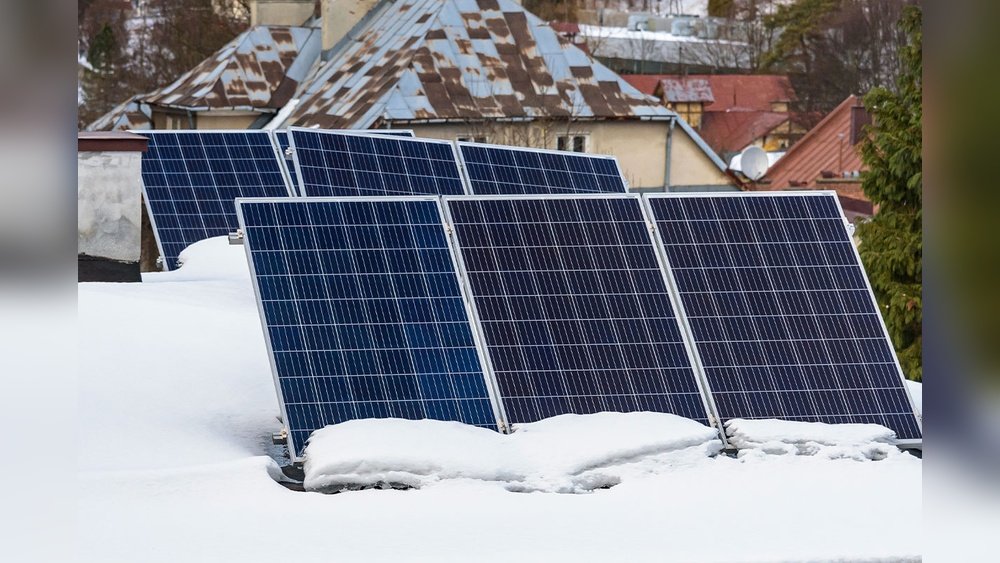
- Shade or debris: Leaves, dirt, snow, or even bird droppings can block sunlight.
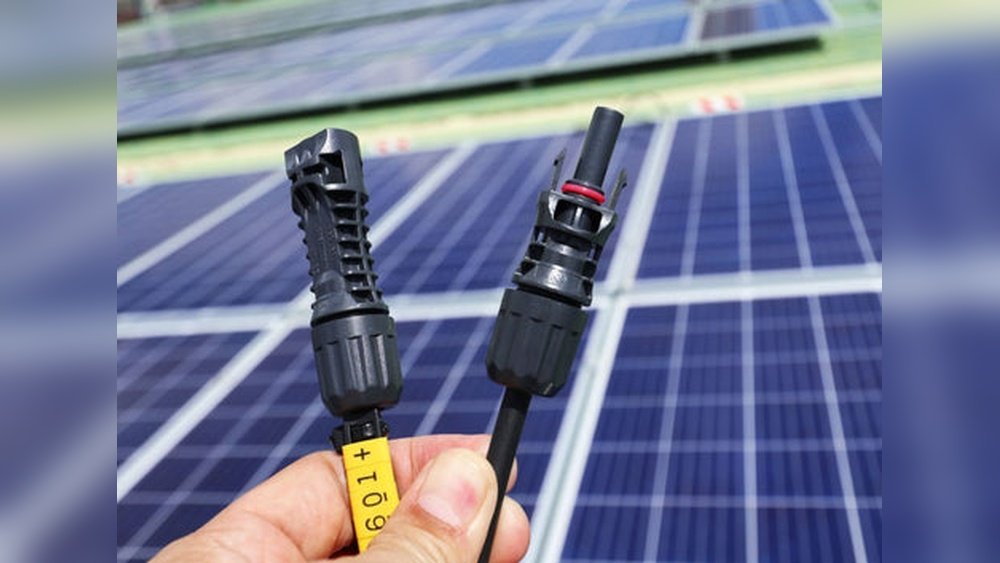
- Electrical issues: Loose connections, blown fuses, or tripped breakers.
- Inverter problems: The inverter fails more often than the panels themselves.
- Physical damage: Cracked glass, hail, or wildlife.
- Monitoring failure: The system might be fine, but your app isn’t updating.
What To Do If You Spot A Problem
- Check for shade or debris: Clear off leaves or snow if it’s safe.
- Reset the inverter: Sometimes a simple reboot fixes it.
- Check your breaker box: Look for tripped breakers.
- Contact your installer: If you’re not sure, call the experts.
Don’t climb on your roof unless you’re trained and have the right equipment.
How Weather And Seasons Affect Solar Panel Performance
It’s normal for your solar output to change with the weather and seasons.
- Cloudy days: Less sunlight means less power.
- Winter: Shorter days, lower sun angle, and snow can reduce output.
- Summer: Longer days and more sun usually mean more power.
So if your winter production drops, it’s probably not a problem—just nature.
How Much Should My Solar Panels Produce?
Many people wonder, “What’s normal for my system? ” The answer depends on the size of your system, where you live, and the time of year.
Estimating Expected Output
A simple rule: For every 1 kW of solar panels, you’ll get about 4–5 kWh per day in the US (in good sun).
So, a 5 kW system should make about 20–25 kWh per day on average.
But this is just a starting point. Check your installer’s estimate or use the PVWatts Calculator from the National Renewable Energy Laboratory to get a custom forecast.
Comparing Your System To Similar Homes
Want to know if your system is performing well? Compare to neighbors or others in your area.
- Ask your installer for typical output data.
- Join local solar owner groups (online or in person).
- Use public data sources like PVOutput.org to see real-world numbers.
If your output is much lower than similar systems nearby (with similar weather and roof angle), investigate further.

Credit: www.greenwiresolar.co.uk
Two Common Mistakes Beginners Make
It’s easy to misjudge solar performance if you’re new. Watch out for these:
- Expecting instant bill drops: It takes one or two billing cycles to see the full impact. Don’t panic if your first bill isn’t zero.
- Ignoring the inverter: Many people focus only on their electric bill or app. The inverter gives you the fastest, most reliable status.
Advanced Checks: Using Your Electric Meter
If you want to get hands-on, you can check your electric meter (the one outside your house).
- During a sunny day, turn off big appliances (AC, dryer, oven).
- Watch the meter. If you’re sending power to the grid, it may “run backward” or show “export” mode.
- If you have a smart meter, check for arrows or symbols that show direction.
This isn’t necessary for most people, but it’s a good double-check if you’re suspicious.
Credit: solargippslandvic.com
When To Call A Professional
If you see warning signs (red lights, zero output on sunny days, or error messages), it’s smart to call your solar installer or a qualified electrician. Don’t try to fix electrical problems yourself.
Some warranties require professional checks for repairs to be covered. Annual maintenance checks are a good idea, especially if your roof is hard to see or reach.
How To Keep Your Solar System Healthy
A little care goes a long way. Here’s how to keep your panels working their best:
- Check for debris monthly: Clean off leaves, dust, or snow if needed.
- Look at your inverter weekly: A quick glance can catch problems early.
- Follow your monitoring app: Set up alerts if available.
- Schedule annual inspections: Let pros check wiring, connections, and panel health.
Don’t use harsh chemicals or abrasive tools to clean your panels. Water and a soft brush are enough for most dirt.

Credit: www.youtube.com
Real-world Example: Spotting A Problem Early
Maria installed solar panels last year. In the spring, she checked her monitoring app and noticed a sudden drop in production. She looked at her inverter, saw a red light, and called her installer. Turns out, a squirrel had chewed a wire.
The installer fixed it for free under warranty.
Maria’s tip: Don’t ignore alerts or unusual numbers. Catching problems early saves money and stress.
What If My Panels Make Less Power Than Promised?
Sometimes, you might feel your system isn’t delivering what the installer promised.
- Check your contract: Some warranties guarantee a certain level of production.
- Gather your data: Use your monitoring app and electric bills as proof.
- Talk to your installer: Share your findings and ask them to investigate.
Weather, shade, and dirt can affect output, but if you’re far below the expected numbers, push for answers.
Solar Panel Lifespan And Degradation
Solar panels last a long time—usually 25–30 years. Over time, they make a bit less power each year (about 0.5% to 1% loss per year, called degradation). But even after 20 years, they should make at least 80% of their original power.
If you see a sudden, big drop, it’s not normal aging—something’s wrong.
Battery Systems: A Few Extra Checks
If you have a battery (like a Tesla Powerwall), check:
- Battery charge level: Is it charging during the day?
- Discharge at night: Is it powering your home after sunset?
- Alerts or errors: Use your battery app for warnings.
If your battery is always empty or always full, or if your panels aren’t charging it, call your installer.
Solar Panel Myths That Cause Confusion
Let’s clear up a few myths:
- Myth: Panels work on moonlight or during a blackout.
- Reality: They need strong sunlight. Most grid-tied systems shut down during outages for safety.
- Myth: You’ll never pay an electric bill again.
- Reality: Most people still pay small fees or need grid power at night or during bad weather.
- Myth: More panels always means more savings.
- Reality: Only if your roof, usage, and budget support it.
Cost Of Solar Repairs (if Needed)
Most problems are under warranty the first few years. Out-of-warranty repairs can cost:
- Inverter replacement: $1,000–$2,000
- Panel replacement: $300–$500 per panel
- Wiring fixes: $200–$1,000
Annual checks or cleaning are usually $100–$300. Always ask for a quote before agreeing to repairs.
When Solar Underperforms: External Factors
Sometimes, your system is fine, but something else affects performance:
- New shade: Tree growth or new buildings can block sun.
- Weather changes: Smoke, haze, or storms can cut sunlight.
- Electric company changes: New rates or net metering rules may impact savings.
Check for these before blaming your panels.
Frequently Asked Questions
How Often Should I Check My Solar System?
Check your inverter and monitoring app at least once a week. A quick look can catch problems early. Do a visual inspection of your panels every few months, especially after storms.
Why Is My Solar Production Lower In Winter?
Shorter days, a lower sun angle, and bad weather all reduce sunlight. That means less power. This is normal and should improve in the spring and summer.
What Does A Red Light On My Inverter Mean?
A red light usually means an error or fault. Check your system’s manual for details and call your installer if you’re unsure. Don’t try to repair the inverter yourself.
Can Dirty Panels Really Cut My Power Production?
Yes! Dirt, leaves, bird droppings, or snow can block sunlight. This can cut output by 5–20% or more. Clean panels work better, but don’t risk your safety to clean them.
Where Can I See Real-world Solar Performance Data?
Sites like PVOutput.org let you compare your numbers with other homeowners. You can also ask your installer for typical results in your area.
Solar panels are a big investment, but checking their performance doesn’t have to be complicated. With a quick look at your inverter, a glance at your app, and a few smart habits, you’ll know right away if your system is working well—or if it’s time to call in help.
Take charge of your solar savings, feel confident, and enjoy the clean energy your panels provide.